Hello.
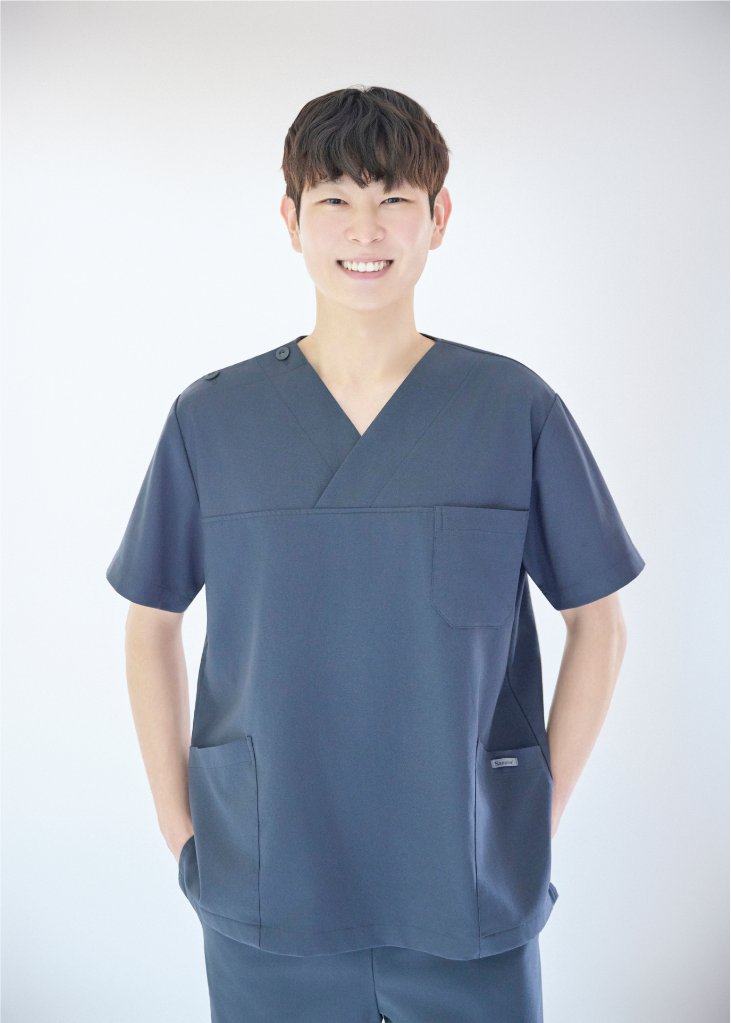
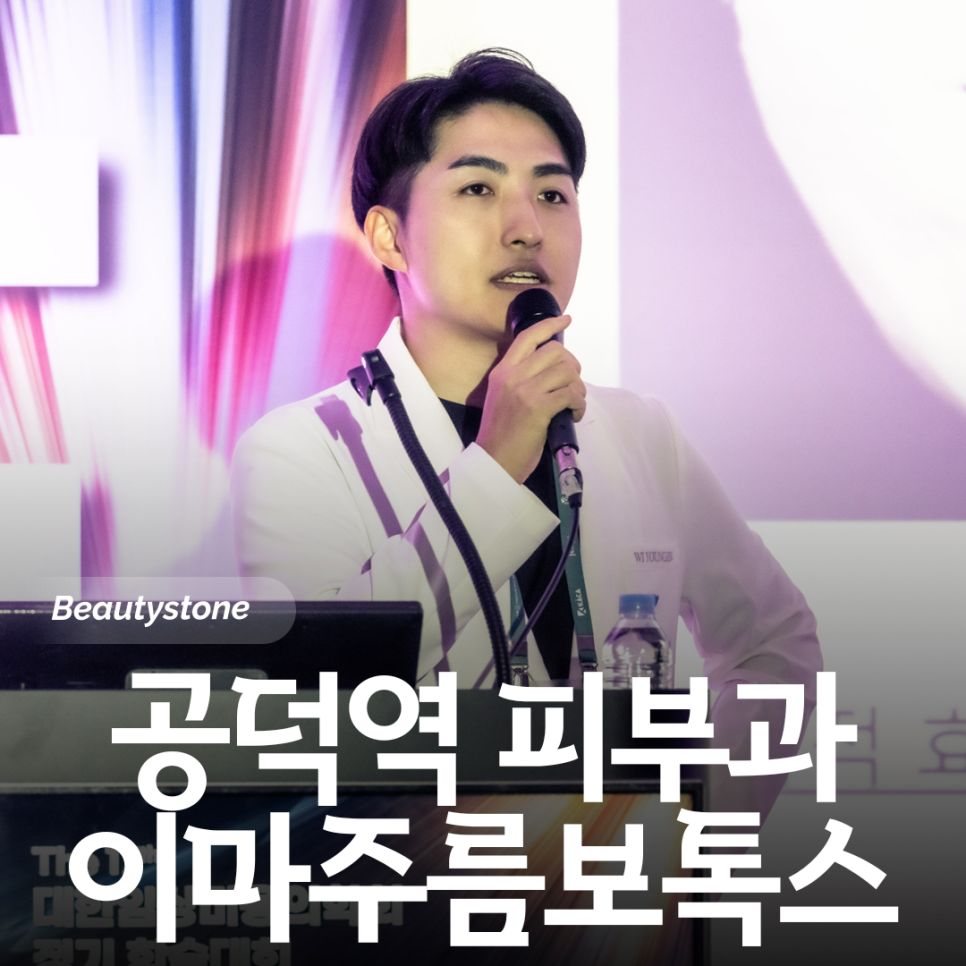
This is Kim Ha-won from Beauty Doctors.
As we age, one of the first changes that
becomes noticeable on the face is
forehead wrinkles.
Because the forehead is an area with a lot of facial movement,
wrinkles often begin to form
earlier than expected.
In particular, people with expressive faces
tend to use their forehead muscles more.
When these movements continue,
the skin stays folded for longer,
and eventually forehead wrinkles can become deeper and deeper.
When wrinkles begin to feel more noticeable like this,
many people start considering a treatment.
That treatment is forehead Botox.
Botox does not completely stop
muscle movement.
It works by gently reducing
excessive muscle movement.
In other words, it does not remove facial expressions entirely,
but reduces the movements that deepen wrinkles.
So it can help prevent forehead wrinkles from becoming deeper
and can also help existing wrinkles
look a little softer.
However, an important point is that the results of Botox
do not appear the same for everyone.
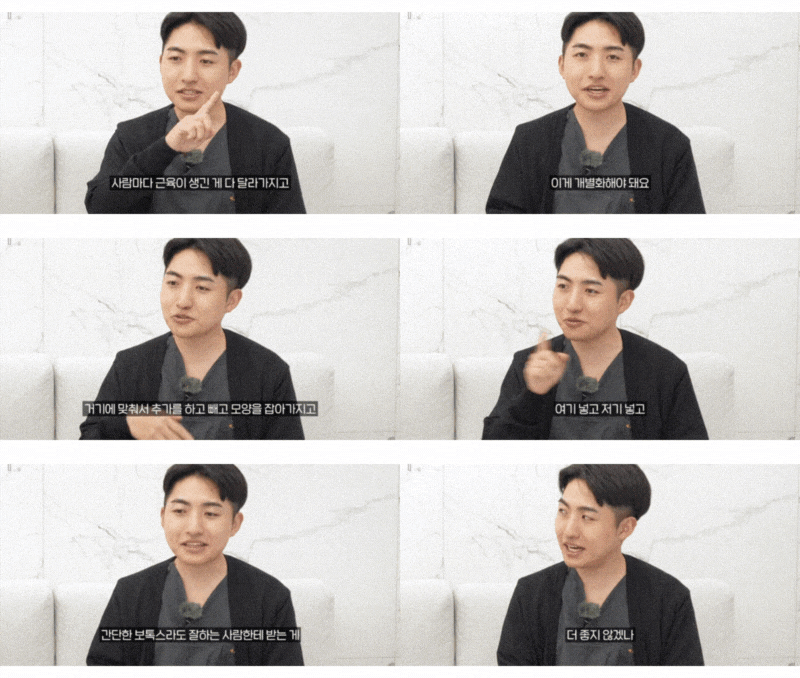
This is because muscle strength differs from person to person,
and the depth of wrinkles also varies.
For this reason, before treatment,
it is necessary to carefully check
the current condition of the forehead muscles and the depth of the wrinkles.
At Gongdeok Station Dermatology, these factors are also
carefully assessed before creating a treatment plan.
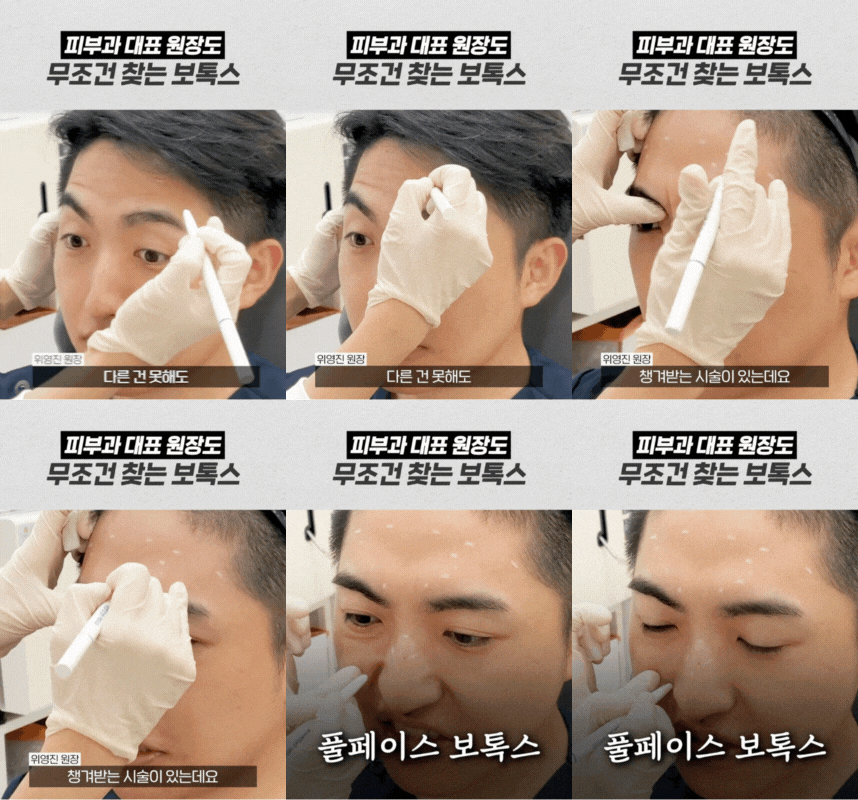
When does forehead wrinkle Botox start working?
How soon will it make a difference?
Forehead Botox does not make wrinkles disappear immediately
right after the procedure.
Botox works by gradually blocking
the nerve signals to the muscles.
So changes appear gradually
as time passes.
Usually, after about
3 to 7 days following the procedure,
the movement of the forehead muscles
begins to decrease little by little.
Then after about 2 weeks,
the Botox effect becomes stable.
At that point, many people notice that
even when making facial expressions,
deep forehead wrinkles do not form as much.
In addition, as fine lines improve,
the forehead may also look smoother.
At Gongdeok Station Dermatology, we usually explain that
the 1 to 2 weeks after treatment is a period for watching
the changes.
Rather than expecting results too quickly,
understanding the process of Botox gradually settling in
can lead to greater satisfaction with the treatment.
What if you get it too often? There is also a possibility of resistance
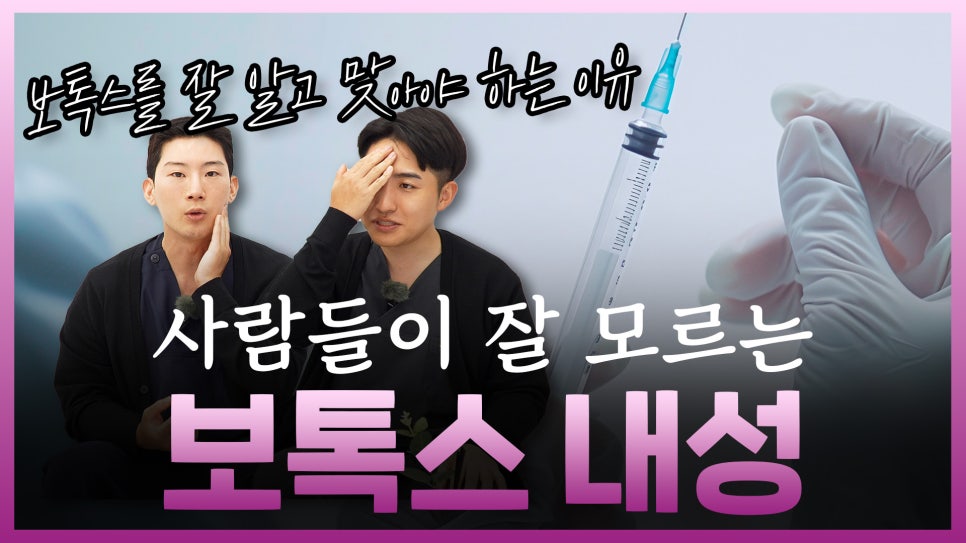
Forehead Botox is
not a treatment that lasts for a long time
after just one session.
Usually, the effects of Botox
last about 3 to 5 months.
However, because the thickness of muscles and
the habits of using facial muscles differ from person to person,
the duration of the effect also varies individually.
For some people, the effect may wear off
relatively quickly,
while for others,
it may last longer.
So in general, treatment is often planned
at intervals of 3 to 6 months.
Keeping this interval allows the effect of forehead Botox
to be maintained naturally.
However, there is one thing to be careful about here.
That is, getting treatments too frequently is not good.
If Botox is repeated at short intervals,
there is a greater chance that antibodies
that neutralize Botox may form in the body.
This is also called Botox resistance.
Of course, resistance does not develop in everyone.
But as the number of treatments increases,
the possibility can gradually rise.
That is why, with Botox,
it is important not to get it often without reason,
but to maintain an appropriate interval.
That way, the effect can be maintained naturally,
and it can also help prevent the face from looking overly stiff.
Another important point is
post-treatment lifestyle habits and care.
Small everyday habits
can affect how long Botox lasts
more than you might expect.
At Gongdeok Station Dermatology, we often explain this part as well.
So if you want the effects of forehead wrinkle Botox
to last longer,
it is good to consider lifestyle care together with
the proper treatment interval.
Key Summary
Forehead Botox effect timing
Changes usually begin after 3 to 7 days, and stabilize after about 2 weeks
Duration of effect
Average 3 to 5 months, varies by individual
Recommended treatment interval
About every 3 to 6 months
Too-frequent treatment
May increase the possibility of resistance
Lifestyle habits and care
Can affect how long the effect lasts
Forehead Botox is
not simply a treatment that smooths wrinkles,
but rather something that can soften facial expressions
and make the overall impression look more relaxed.
In particular, if started before wrinkles become deeper,
it may also have a preventive effect.
However, the way facial muscles are used,
the depth of wrinkles,
and the condition of the skin
all vary from person to person.
So the timing of the effect and how long it lasts
can also differ for each individual.
For this reason, sufficient consultation is necessary before treatment.
After checking the current wrinkle condition
and muscle movement,
it is important to create a treatment plan that suits you.
At Gongdeok Station Dermatology,
for a natural expression and satisfying results,
we carefully check each person’s muscle condition
and wrinkle pattern before proceeding with treatment.
We also place importance on maintaining natural facial expressions
rather than performing treatment too strongly.
Through sufficient consultation and a personalized plan,
we hope you can experience a more natural change.
If you are concerned about managing forehead wrinkles,
checking your current condition through a consultation
at Gongdeok Station Dermatology may be a good option.
Thank you for reading this long post.
This was Kim Ha-won from Gongdeok Station Dermatology.