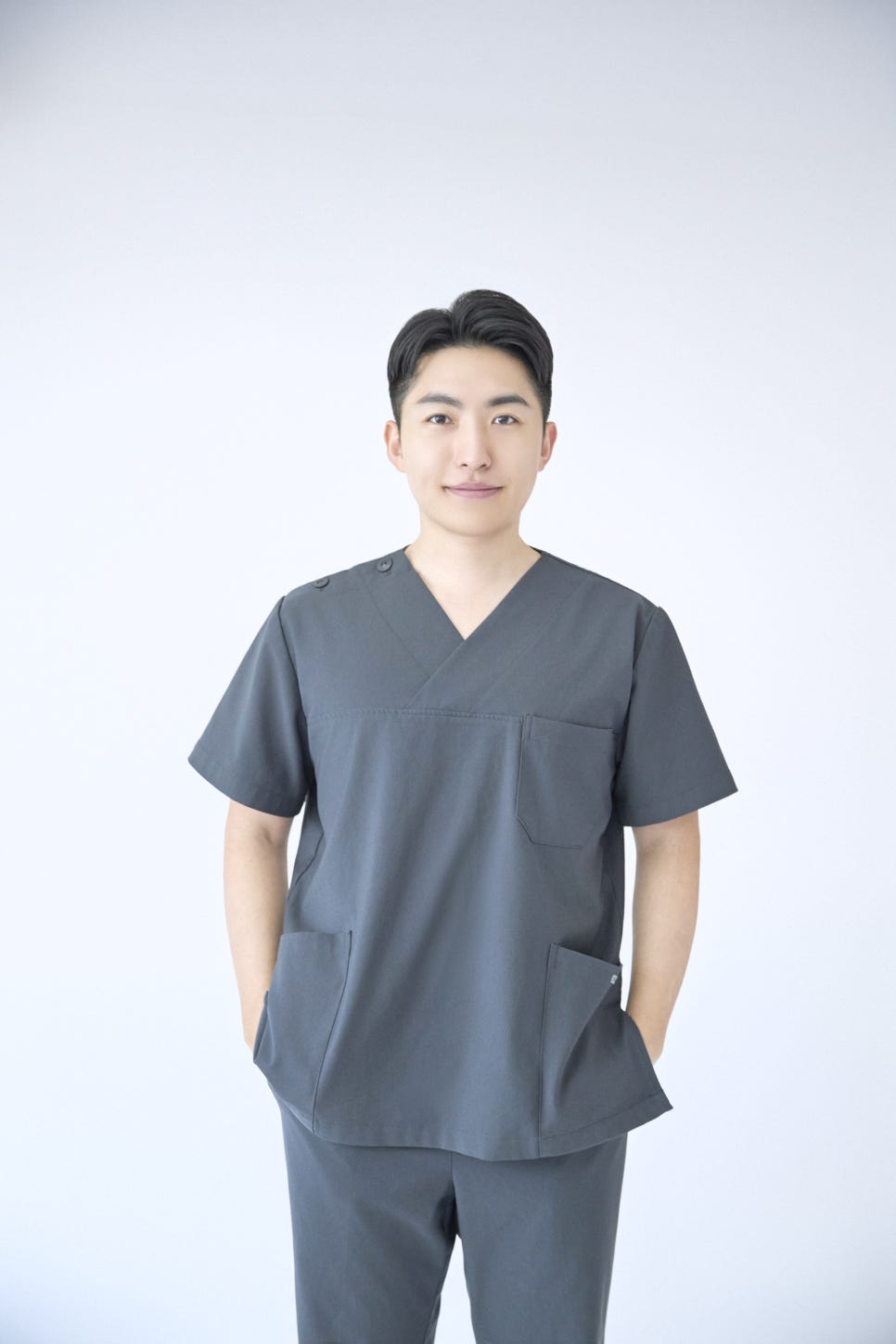
Hello.
I’m Beauty Doctor Wi Youngjin.
Many people say after getting Thermage treatment,
“it seems less effective than I expected.”
However, when I actually consult patients in the clinic,
it is often less about a problem with the device itself
and more about a gap between the change they expected
and the purpose of the treatment.
For example,
if you expect a strong lifting effect from a treatment centered on tightening,
or expect an immediate change right after a treatment
that is based on collagen regeneration,
satisfaction can feel low.
So when understanding Thermage,
it is important not to look only at whether it works or not,
but also at
what the treatment is for,
what skin condition it was performed on,
and how it was designed.
From here, I will go over the common misunderstandings about Thermage
that many people tend to confuse,
and I will carefully organize the key points worth knowing
to improve overall satisfaction.
- Thermage is more of a tightening treatment than a lifting device


First, there is a very common misunderstanding.
That is thinking of Thermage as a lifting treatment.
Thermage uses radiofrequency energy
to deliver thermal stimulation to the dermis deep within the skin,
and through that stimulation,
it induces collagen production.
In this process,
skin elasticity gradually improves,
fine lines are softened,
and an overall tightening effect can be expected
as the skin texture becomes more refined.
In other words, Thermage is not so much a treatment that
forcefully pulls the skin upward,
but rather one that helps restore elasticity
by organizing the skin’s internal structure.
Especially if your skin’s elasticity is no longer what it used to be,
or if fine lines and skin texture are your concerns,
it can often help improve the overall condition of the skin.
- Thermage is a treatment that appears over time, not immediately
The second common misunderstanding is expecting
a noticeable change right after the treatment.
However, Thermage is not a treatment whose results are complete immediately after the procedure.
After the radiofrequency energy is delivered,
collagen remodeling begins within the skin.
This process does not finish in a short time,
but progresses gradually over several weeks to several months.
So rather than right after treatment,
there are many cases where skin elasticity and density
slowly improve over time.
In general,
changes may begin to be felt gradually around 3 months after the treatment,
and then continue to improve progressively for up to about 6 months.
The issue is that
because people look in the mirror every day,
it is hard to notice subtle changes on their own.
But if you compare photos from before the treatment a few months later,
it is not uncommon to confirm
that the skin texture has become more refined
and the elasticity has improved.
- Thermage results can vary depending on the treatment design

One of the most practical reasons Thermage may feel insufficient
is when the treatment design was not thorough enough.
Even when using the same device,
differences in the number of shots,
power settings,
and personalized planning can lead to different results.
In particular, the following three factors can affect the outcome.
① When the number of shots is insufficient
With Thermage,
it is important to deliver radiofrequency energy
evenly and sufficiently across the skin.
However, if the number of shots is too low,
the treatment density may be reduced,
and enough energy may not be delivered to the necessary areas.
For example,
the energy density needed for skin in the 20s, where elasticity is relatively good,
and skin in the 40s and older, where elasticity has already declined,
can be different.
Even so,
if the same number of shots is used,
skin with significantly reduced elasticity may feel like the effect is weak.
That is why, in Thermage treatment,
it is more important not simply to know how many shots were used,
but whether the appropriate number of shots was applied
based on the current skin condition.
② When the power (energy intensity) is insufficient
With Thermage,
a certain level of thermal stimulation must be delivered into the skin
for a collagen regeneration response to occur.
However, if the energy setting is lowered too much out of concern for pain,
enough reaction may not occur within the skin.
In this case,
the procedure was performed,
but the actual changes may feel limited.
③ When personalized planning is lacking
Skin condition differs from person to person.
Skin thickness,
degree of elasticity loss,
fat distribution,
and facial contours
all differ,
so the treatment approach also needs to vary by individual.
That is why, with Thermage,
the process of designing shot distribution,
power,
and treatment area to match the skin condition is important.
How long does the Thermage effect last?
In general, it often lasts about 6 months to 1 year.
However, this period can vary depending on
the skin condition,
lifestyle habits,
and the rate of aging.
Because Thermage is a treatment that induces collagen regeneration,
skin changes appear gradually over time.
Typically, changes begin to be felt around 3 months after treatment,
and the skin tends to maintain its elasticity for a certain period after that.
Thermage induces collagen regeneration within the skin,
and it is a representative tightening treatment that may help improve elasticity,
soften fine lines,
and refine skin texture.
However, because its mechanism differs from lifting treatments,
it is important to understand the expected results accurately.
Also, treatment results can vary depending on
the number of shots,
power,
and personalized planning.
Therefore, before treatment,
it is important to check your current skin condition
and, through consultation with a specialist,
set up a treatment plan that is right for you.
Thank you for reading this long post.
This was Beauty Doctor Wi Youngjin.