Hello,
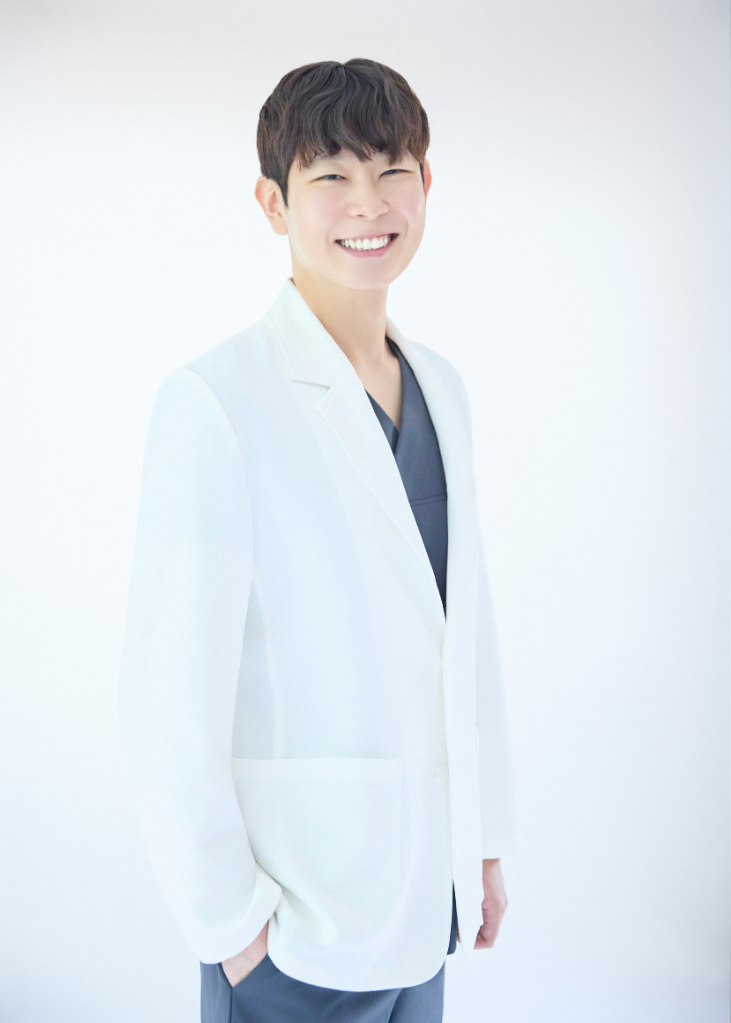
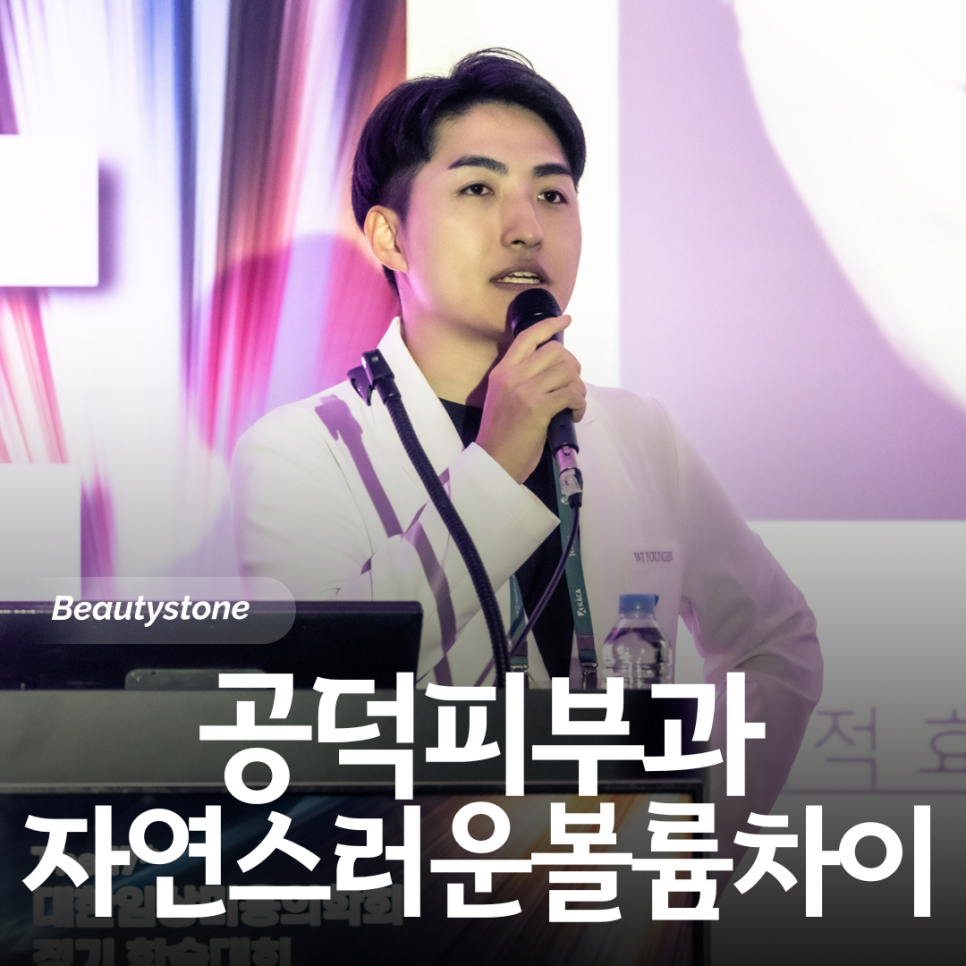
This is Kim Ha-won from Gongdeok Dermatology Clinic.
Lately, perhaps because of the seasonal change,
I’ve often been hearing in the consultation room
that skin feels rougher
and the face seems to have lost volume.
“My face looks sunken compared to before.”
“My cheeks have gotten thinner, so I look tired.”
More people than expected
come in for consultations with these concerns.
In particular, even when there isn’t a big change in weight,
many people wonder what procedure is suitable
when the face looks gaunt
or feels less firm and elastic.
So today,
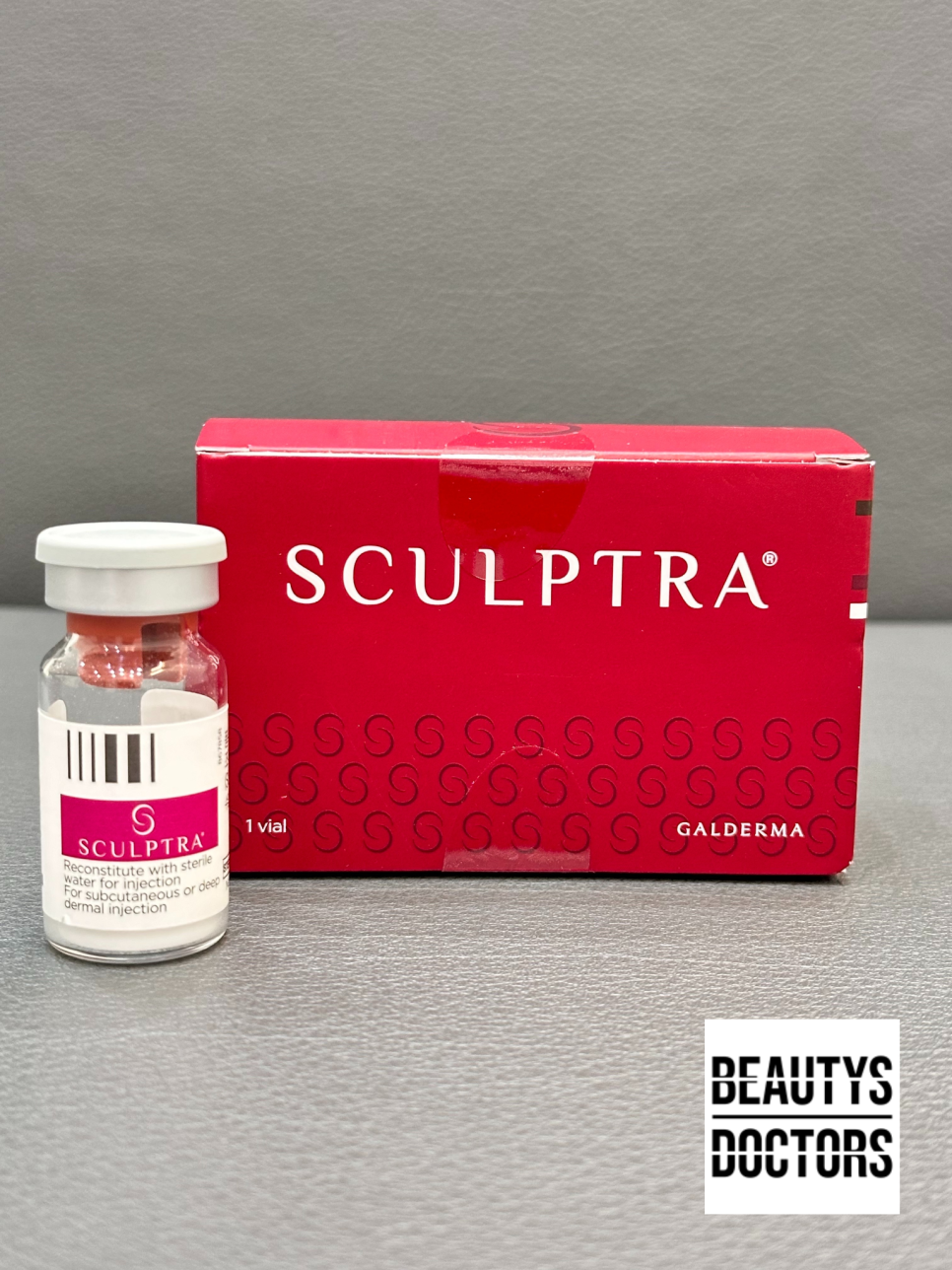
I’d like to casually explain Sculptra,
one of the ways to restore volume naturally.
I’ll also go over another question I often get in the consultation room:
“Why doesn’t Sculptra show results right away?”
In actual consultations at Gongdeok Dermatology Clinic,
more and more people have been asking about Sculptra
because they want to improve volume naturally.
What is Sculptra?
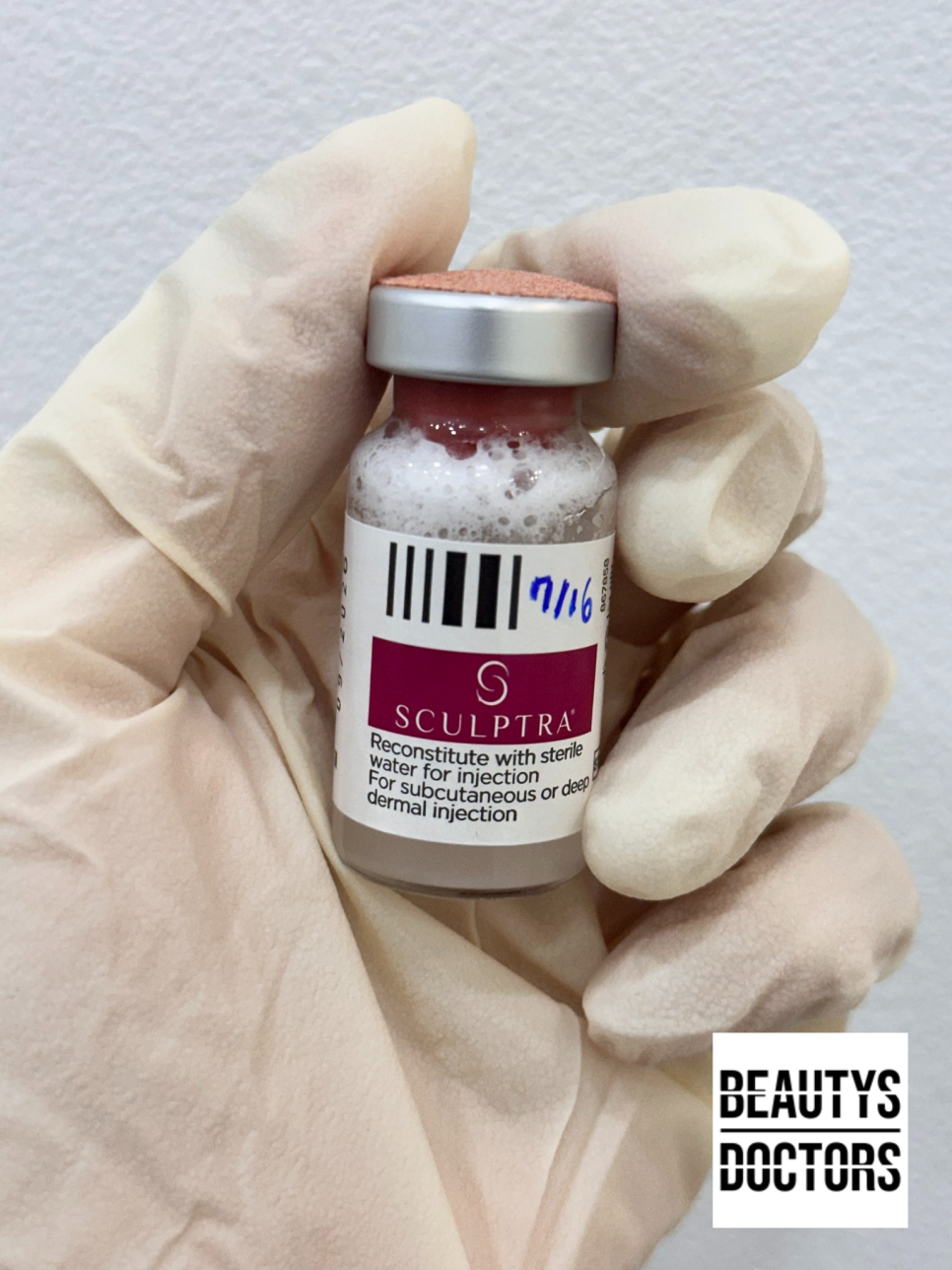
Sculptra is a collagen-stimulating procedure
made with a component called poly-L-lactic acid (PLLA).
The name may sound unfamiliar,
but the key point is that it works by
stimulating collagen production within the skin.
In other words,
rather than simply filling volume,
it is a procedure that encourages the skin
to create volume on its own.
Sculptra does not create volume immediately after injection.
At first,
it may look slightly swollen,
but this is only a temporary reaction,
and the actual change appears gradually
as collagen begins to form over time.
That is why Sculptra is characterized by
“naturally, little by little.”
It is suitable for people who want
a gradual improvement rather than
a look that feels overfilled.
Among those who visit Gongdeok Dermatology Clinic,
many choose Sculptra
when they prefer a natural-looking volume improvement
that doesn’t stand out.
How is it different from filler?
Filler creates volume immediately after the procedure.
You can visually confirm
the feeling of fullness right away.
So if a quick change is needed,
filler may be more suitable.
On the other hand, with Sculptra,
it may initially look slightly fuller,
but after the swelling goes down,
collagen production progresses
and volume forms slowly.
In other words,
rather than an immediate change,
it is a method that improves naturally over time.
That is why it is better suited for people who want
a natural improvement rather than a quick filling effect.
In actual consultations at Gongdeok Dermatology Clinic,
those who value natural-looking results
often prefer Sculptra.
Why does Sculptra need time?
This is a question I get very often.
Sculptra works by stimulating
collagen-producing cells within the skin.
That means the injected material
does not create volume right away,
and changes appear only when our body
creates new collagen.
That is why it takes time.
A typical progression looks like this:
About 4 weeks later
A slight feeling of improved firmness
About 6–8 weeks later
Increased skin density
Natural volume improvement
Around 3 months later
The most natural-looking change
In this way,
it shows a gradual improvement process.
It does take a little time,
but that is why you can expect
a more natural and gentle result.
Because of this,
instead of hearing, “Did you get a procedure?”
people often hear,
“You look better these days.”
Due to these natural changes,
Gongdeok Dermatology Clinic also often considers Sculptra
when patients are worried about hollowing cheeks
or reduced facial volume.
Why depth adjustment matters in area-specific Sculptra treatment
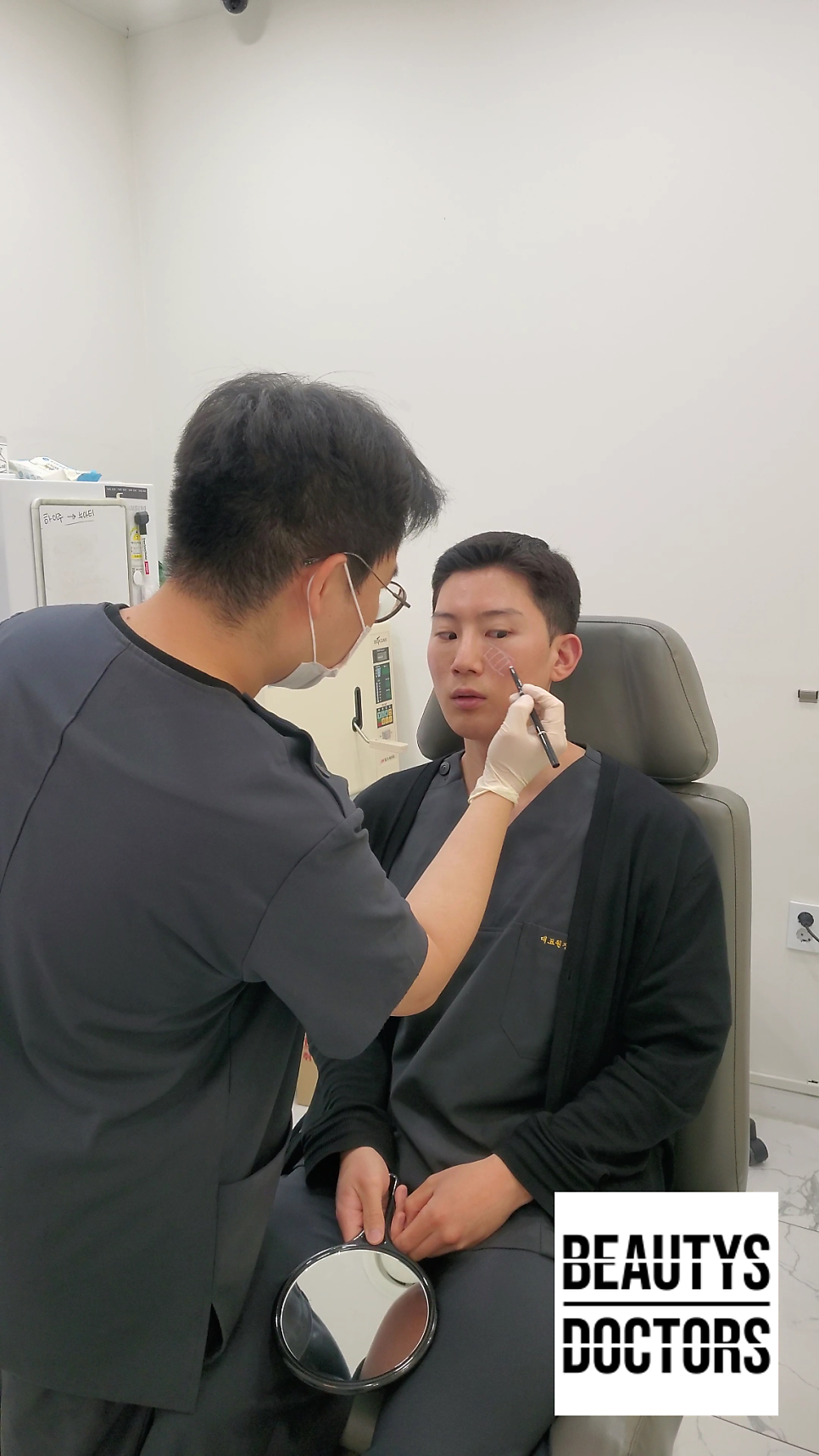
Sculptra is a procedure in which injection depth is very important.
It must be injected evenly into the proper layer
so that collagen production can occur naturally.
If it is injected too superficially,
the material may collect near the skin surface,
and it can feel like a nodule
or create a bumpy sensation.
That is why, depending on the area,
it is important to adjust the depth
by considering these three factors:
Skin thickness
Fat layer structure
Degree of volume loss
Also, because each person differs in
skin elasticity,
degree of volume loss,
and skin thickness,
using the same approach for everyone
may not be appropriate.
At Gongdeok Dermatology Clinic as well,
it is important to proceed by first having 충분한 consultation
before the procedure,
checking the individual skin condition
and adjusting the depth and amount for each area.
How should you care for it after the procedure?
After Sculptra treatment,
massage is important.
It is a process that helps the injected component
distribute evenly.
Usually, we recommend
gently massaging in circular motions
for 5 minutes a day for 5 days.
However,
the method may vary depending on the individual skin condition,
so it is best to follow the instructions given after the procedure.
Also, immediately after the procedure,
intense exercise,
saunas,
Korean steam rooms,
and high-temperature environments
should be avoided for a few days.
This kind of care also helps support natural-looking results.
This is also something that Gongdeok Dermatology Clinic
carefully explains as part of post-procedure care.
Sculptra is not a procedure for immediate volume.
Rather, over time,
it naturally stimulates collagen production
to improve volume.
If you want gradual, natural improvement
rather than a sudden change,
it can be a suitable choice.
Also,
injection depth,
dose adjustment,
and area-specific planning
are the three factors that greatly affect the result.
Therefore, before the procedure,
it is important to have a thorough consultation,
check your individual skin condition
and degree of volume loss,
and make a plan.
If you are concerned about facial volume loss,
it is best to first check your current condition
and choose the method that is right for you.
Thank you for reading.
This was Kim Ha-won.