Melasma is something to manage, not cure
— If you don’t know this, you’ll end up repeating treatment
Hello.
This is Beauty's Doctor, Wee Young-jin.
There seem to be many people at Maggok Dermatology who are curious about melasma and pigment treatment, haha.
So I put together a simple summary one by one.
✅ 1. Once melasma appears, does it keep coming back?
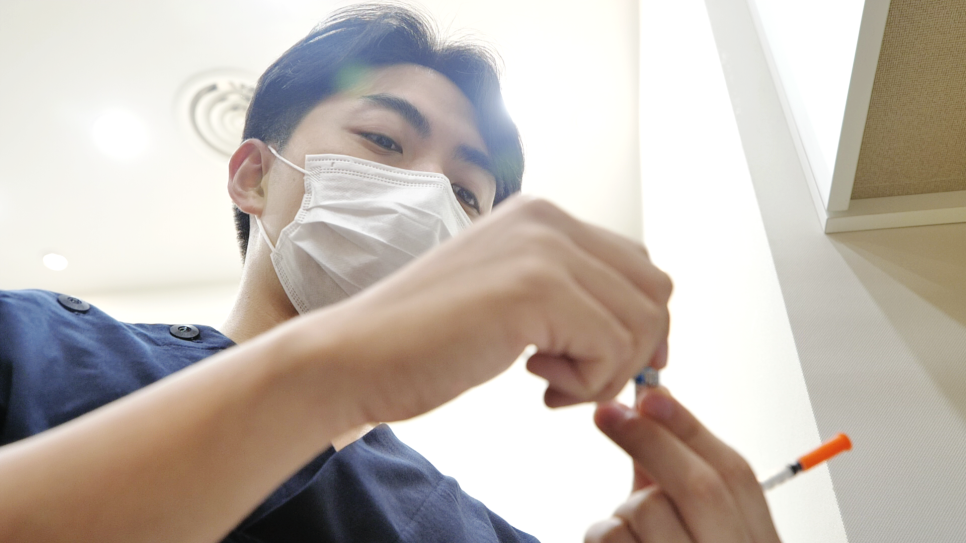
Yes, melasma is a chronic recurrent condition.
Melanocytes, the cells involved, become overactive and
respond to ultraviolet light, heat, and hormonal changes,
continuing to produce melanin.
Because it is difficult to return these cells to a normal state,
if you give too much energy, the skin may instead turn white,
like vitiligo.
In particular, melasma that extends into the dermis
responds more slowly to treatment and recurs more often.
It can be suppressed with treatment,
but complete removal is often difficult even at Maggok Dermatology.
✅ 2. Is complete treatment impossible?
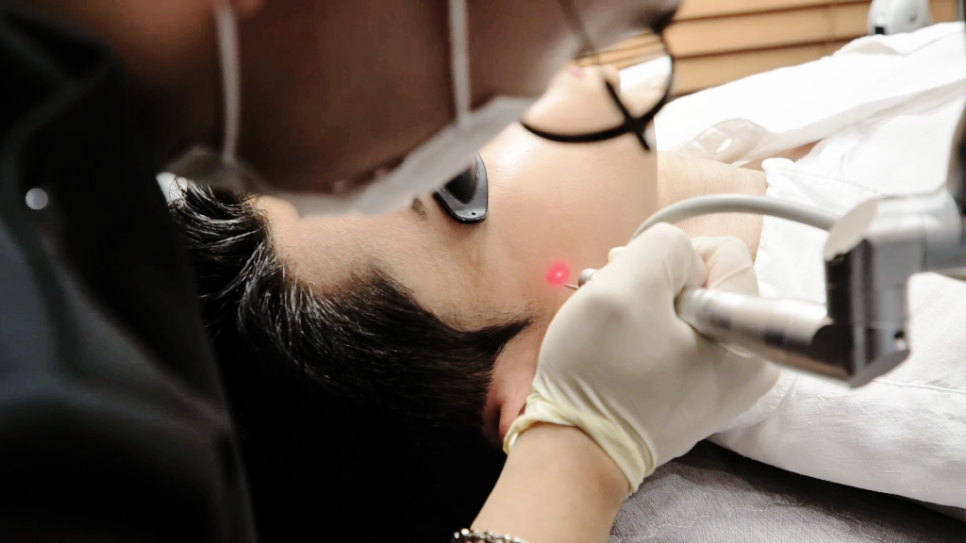
It is better to think of it as management rather than cure.
Epidermal type can improve quite a bit,
but dermal and mixed types should be approached like conditions that are managed over time.
Realistic goals are to make it visibly lighter,
extend the time between recurrences,
and improve the skin environment itself through dermal remodeling such as Rejuran or Secret.
At Maggok Dermatology, sunscreen use and hormone management
need to be handled together for the effects to last longer.
The fact that melasma often naturally lightens after menopause
also shows how much hormones affect melasma.
✅ 3. Laser toning vs. pico toning: which is more effective?
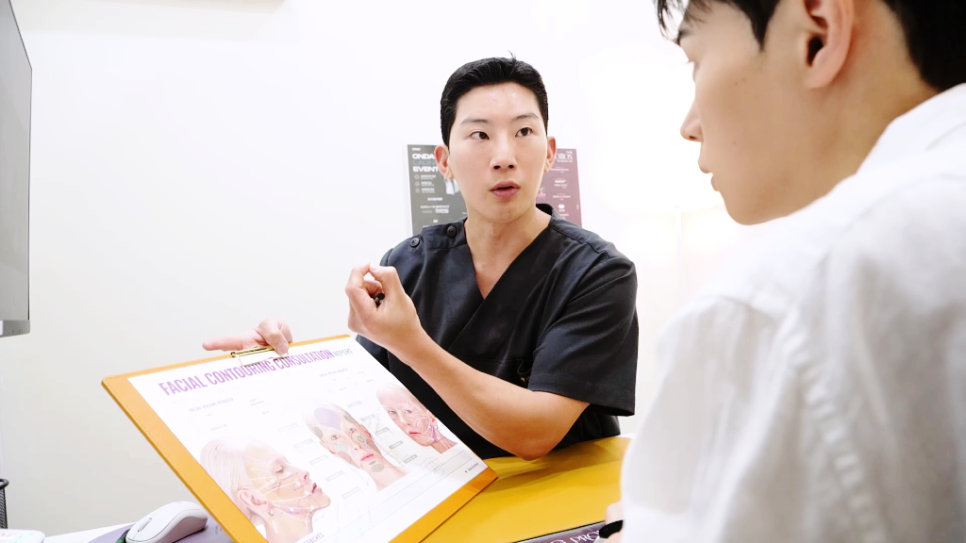
Both are effective.
Pico toning causes less heat damage,
so it can be more favorable for melasma.
At Maggok Dermatology,
we use PicoWay.
However, parameter settings and the doctor’s experience
are much more important than the device itself.
✅ 4. Why do you need multiple sessions?
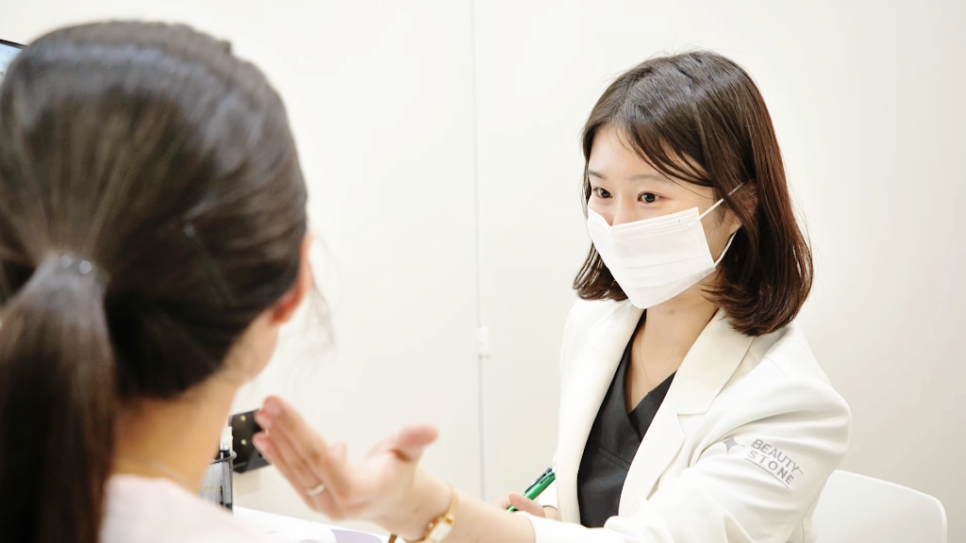
It is impossible to remove it completely in one session.
If you do it too strongly at once,
PIH (post-inflammatory hyperpigmentation) can occur.
Using low energy repeatedly every 10 days to 2 weeks,
this is the safest way to gradually reduce melanin
while minimizing irritation.
During that time, skin regeneration and recovery also take place.
This is exactly why they say at Maggok Dermatology that
“melasma treatment is a marathon.”
✅ 5. Why does pigmentation occur after pigment treatment?
It is called PIH, or post-inflammatory hyperpigmentation.
The main causes are using high energy,
short treatment intervals, ultraviolet exposure after the procedure,
and heat stimulation such as saunas or exercise.
Koreans tend to have highly reactive melanocytes,
so at Maggok Dermatology,
a conservative approach from the start
can actually lead to faster results.
✅ 6. Does combining whitening care or skin boosters help?
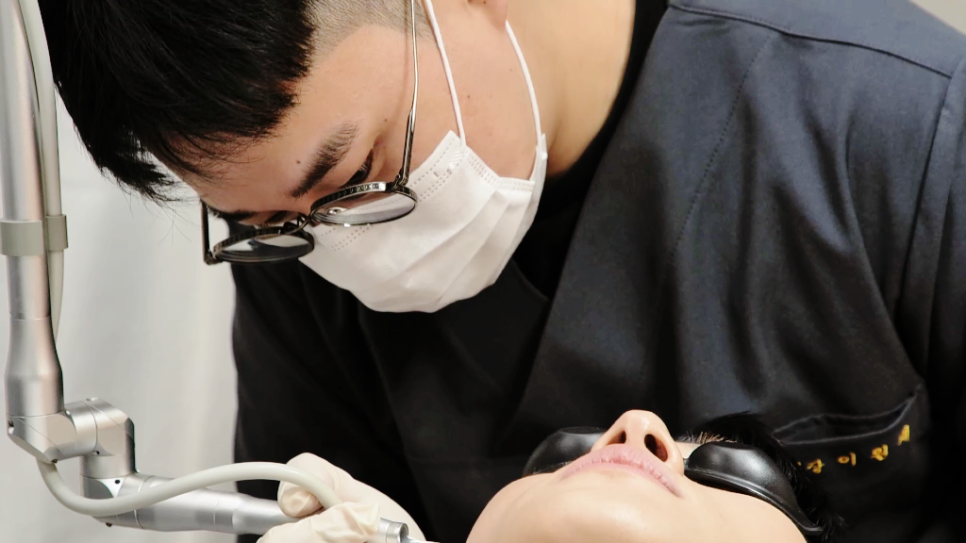
Yes, it helps a lot.
Vitamin C iontophoresis, Rejuran, Juvelook SB, and similar treatments
are much more effective in combination than laser alone.
At Maggok Dermatology, the recommended approach is to reduce pigment with lasers
while promoting skin recovery with skin boosters.
✅ 7. Is it more effective to treat it together with oral medication?
Yes, it is effective.
The oral medication with the strongest evidence is
tranexamic acid (250 mg).
High-dose vitamin C, vitamin E,
and glutathione can also help.
Oral medication tends to show a greater synergy
when used together with laser treatment.
✅ 8. Is melasma after pregnancy related to hormones?
Yes, there is a direct relationship.
During pregnancy, hormones surge
→ the secretion of melanocyte-stimulating hormones increases
→ melanin synthesis is promoted, which leads to melasma.
It is common enough to occur in 50–70% of pregnant women.
It may improve naturally after childbirth,
but in many cases it does not fully recover.
Birth control pills and hormone replacement therapy
can also worsen melasma for the same reason.
Hormone-related melasma will keep recurring with laser treatment alone
at Maggok Dermatology unless the hormones are also managed.
✅ 9. How can you tell whether a dermatology clinic is good at treating melasma?

Whether you go to Maggok Dermatology or any other clinic,
check for these things.
Do they first identify the melasma type with a Wood’s lamp or dermatoscope?
Do they explain realistic prognosis rather than saying “it will be cured in a few sessions”?
Do they present a combined treatment plan?
On the other hand, be careful of places that claim they can “remove everything” with one high-power session,
or that apply the same treatment to every patient.
✅ 10. What matters more than equipment in the clinician’s skill?

The most important thing is not trying to remove it all at once.
Maggok Dermatology is equipped with the Mark-Vu device,
and the director personally participates in the consultation.
The important order of clinician skills is as follows.
Ability to distinguish melasma types
— the ability to accurately differentiate between epidermal, dermal, and mixed types,
Ability to adjust parameters
— experience in finely adjusting the settings to match the patient’s skin, even with the same device,
Ability to design combination treatments
— determining when and how to combine oral medication, skin boosters, and topical agents,
Ability to predict and prevent PIH
— identifying patients at high risk for pigmentation and taking a conservative approach in advance,
Long-term maintenance planning
— designing a protocol to prevent recurrence after treatment.
More than whether they have a pico laser,
what determines the treatment result is
"how precisely this doctor reads my skin."
Melasma is an area of management, not cure.
Consistently using low energy,
improving the skin environment together through combination treatments,
and managing trigger factors together.
These three things are the core of melasma treatment.
If you have any questions, feel free to ask through the comments at Maggok Dermatology! 😊
Thank you for reading this long post.
This was Wee Young-jin.