They cannot be completely removed.
But they can be made much smoother.
Hello.
This is Wi Young-jin from Hongdae Dermatology.
There are really many people
who are worried about acne scars.
Whether treatment is possible,
how long it takes,
and what procedure should be done.
I’ll be honest and realistic.
✅ 1. Can acne scars really be treated cleanly?
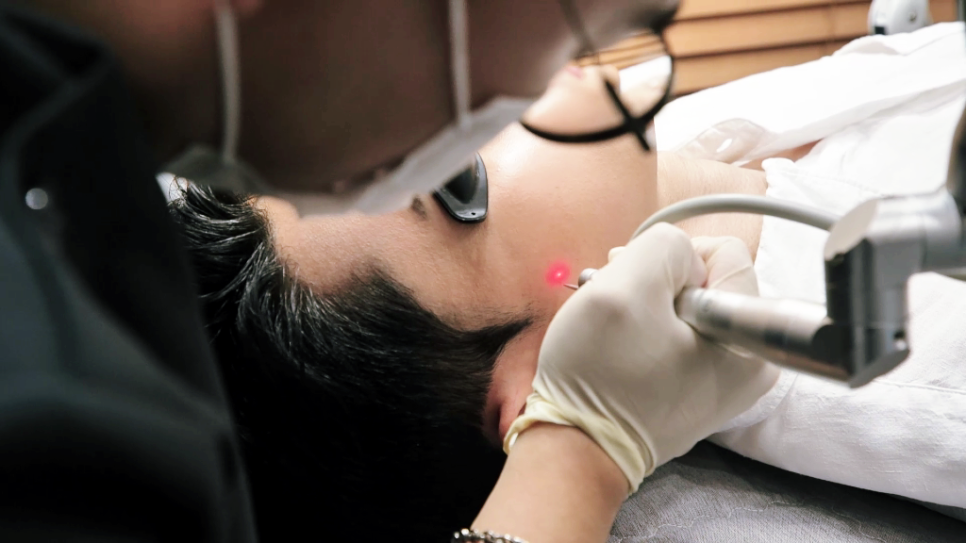
It is difficult to remove them completely,
but they can become much smoother to the naked eye.
Deep scars are a state in which skin appendages such as pores and sebaceous glands
have been damaged.
Regenerating the appendages themselves
is difficult with current medicine.
However, reducing discoloration and uneven texture
is absolutely possible,
and satisfaction is very high.
The treatment goal at Hongdae Dermatology is not
'complete removal'
but 'skin that is not noticeable.'
✅ 2. How long should treatment take?
It does not happen in one go.
Scar treatment is broadly approached in two ways.
Treatment for hypertrophic scars and
regeneration for atrophic scars.
Usually, procedures are recommended at
3- to 4-week intervals for at least 5 sessions,
and
it is best to allow more than 6 months overall.
If you visit consistently,
you can feel a clear change from around 3 months
at Hongdae Dermatology.
✅ 3. How long does redness last after the procedure?
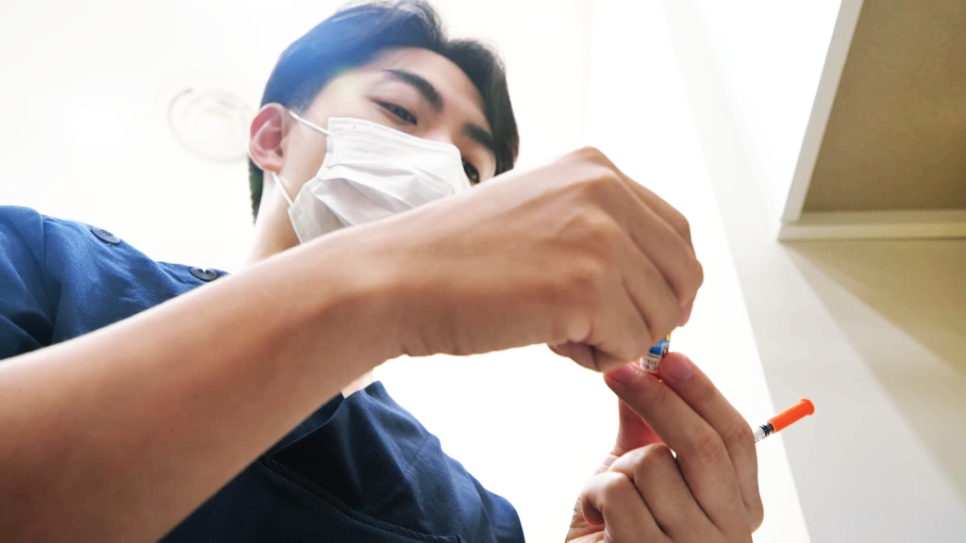
It depends on the type of procedure.
QureJet treatment lasts about 2 weeks,
CO2 treatment about 4 weeks,
and Juvelook and subcision about 3 weeks.
Redness is part of the normal process
of skin regeneration,
so you can rest assured.
✅ 4. Are treatments for indented scars and red marks different?
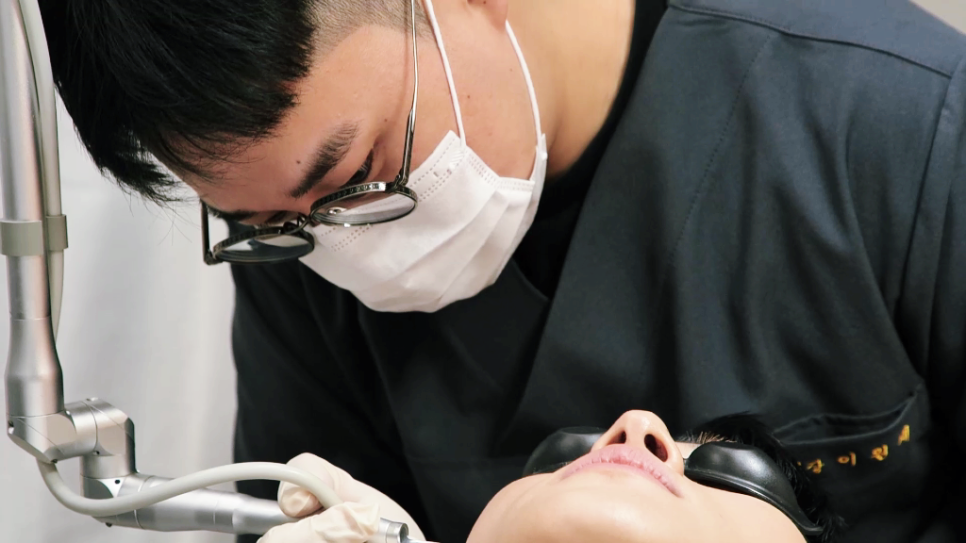
The approach is completely different.
Indented scars require
skin regeneration through QureJet, fractional laser,
or subcision,
and
red marks are much more efficiently treated
by first targeting the pigmentation with a vascular laser.
The key is to first accurately identify the scar type
and then choose the method that matches it.
✅ 5. Is the procedure very painful?
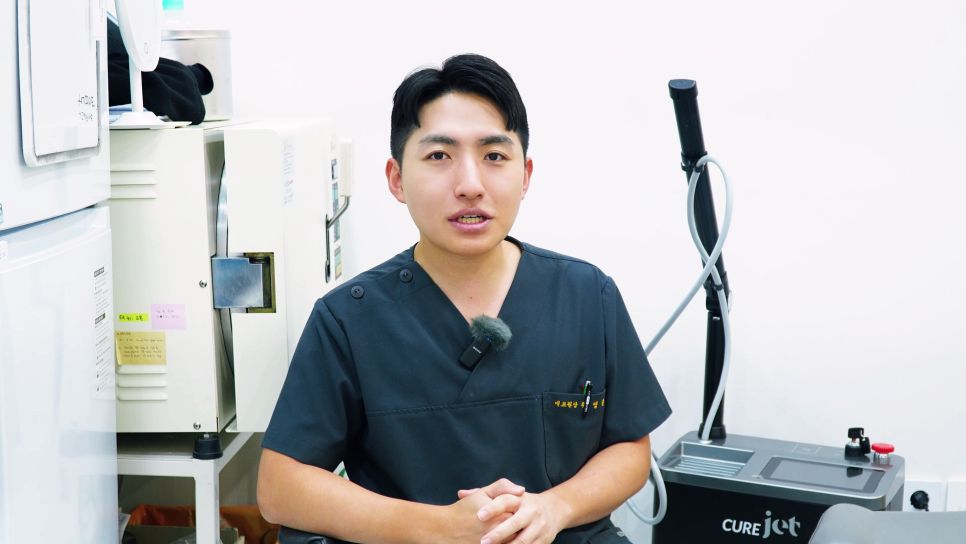
If anesthetic cream is applied thoroughly
for about 40 minutes,
most people can tolerate it well.
For those who are sensitive to pain
or have a wide area of scarring,
we proceed with injectable anesthesia to numb the nerves.
You do not need to delay treatment
because of concerns about pain.
✅ 6. Can I start scar treatment if I still have acne?
When inflammatory acne is severe,
acne treatment should come first.
If new scars keep forming,
the effect of scar treatment will be reduced.
However, if the acne is mild,
it can be done together with scar treatment,
while also carrying out recurrence-prevention treatment at the same time.
✅ 7. When can I wash my face or wear makeup after the procedure?
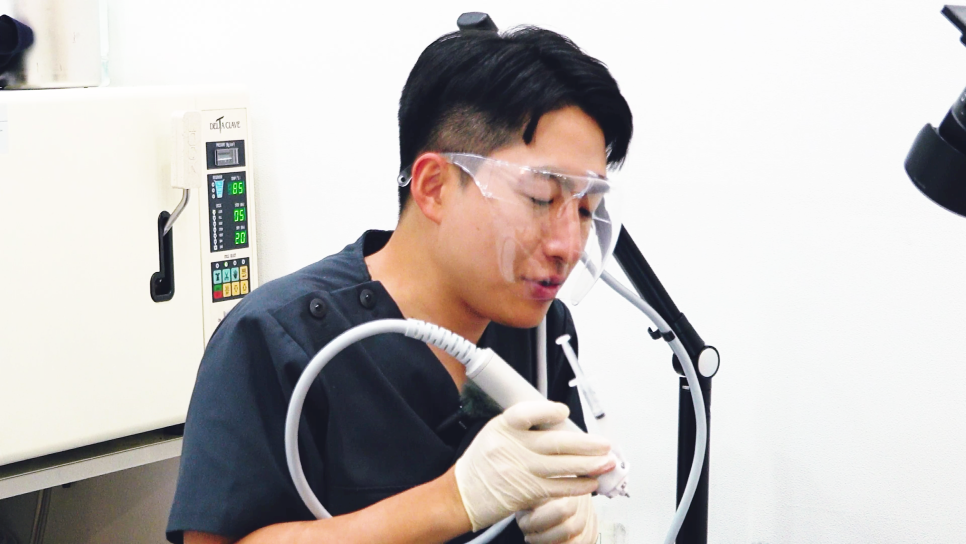
From the day after the procedure,
light face washing and makeup are possible.
The most important thing is moisturizing.
For the three days after the procedure,
adequate moisturizing determines the speed of recovery.
Flaking may occur,
but it is important not to peel it off forcefully.
It is part of the skin’s own recovery process,
so leaving it alone is best.
✅ 8. Can the skin become more sensitive after the procedure?
If CO2 Fraxel is done too frequently
or the procedure is repeated before recovery is complete,
problems can occur.
Redness or increased skin sensitivity
can happen in this case.
At Hongdae Dermatology,
Fraxel is not done randomly;
it is focused on the necessary areas
and performed with sufficient rest periods.
Additional procedures before recovery
can damage the recovery system itself.
That is why intervals of at least 4 weeks are necessary.
✅ 9. Is it better to combine fillers or Juvelook with indented scars?
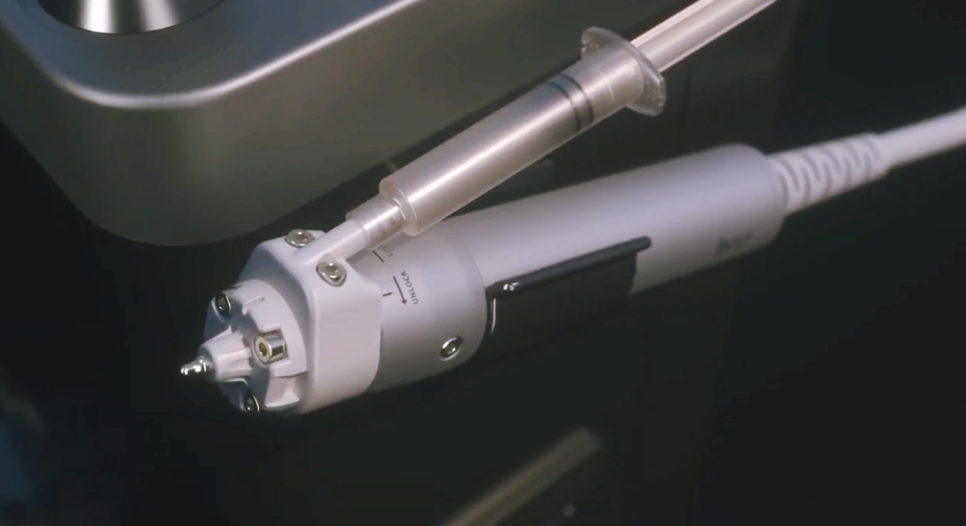
Yes, combining them is the right approach.
With CO2 laser,
the raised surface of hypertrophic scars is smoothed out,
and
by filling the inside with collagen boosters such as QureJet and Juvelook,
uneven texture disappears and the skin becomes flatter.
For indented scars,
fillers or Juvelook must be combined
for proper results.
✅ 10. Can the scars sink again after treatment?
Once regenerated, scar tissue
will not sink again.
After filling with Juvelook,
when collagen builds up,
it tends to improve even more over time.
✅ 11. Can keloid scars also be treated?
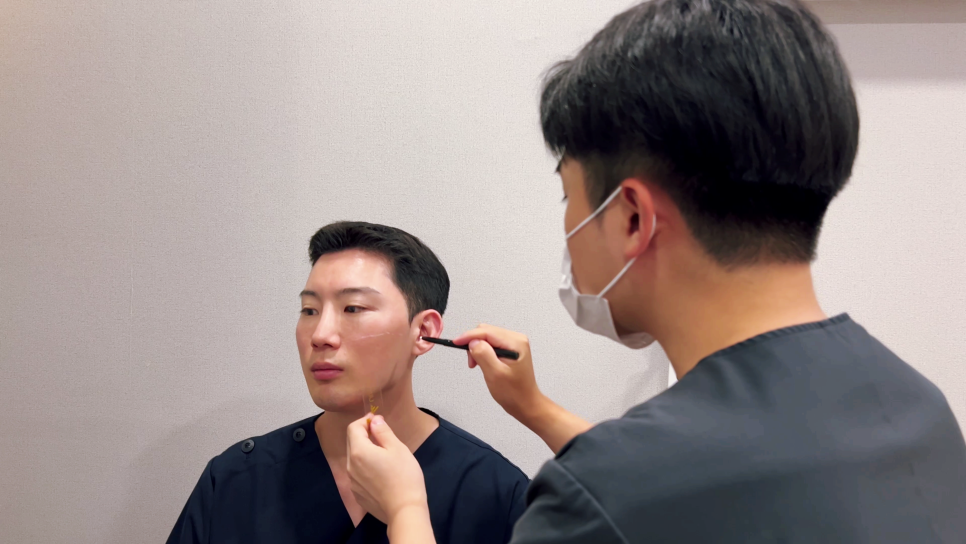
Yes, but the approach is different.
First, an accurate diagnosis is needed
to determine whether it is hypertrophic scarring or a keloid.
Keloids or hypertrophic scars
are treated by reducing the raised tissue
with injection therapy or special lasers.
✅ 12. Should I avoid sunlight after the procedure?
It is essential.
While recovering,
melanocytes are active,
so exposure to ultraviolet rays
can cause pigmentation.
Sunscreen is essential when going बाहर.
and it is recommended to use a hat or mask as well.
✅ 13. What type of scar responds best to treatment?
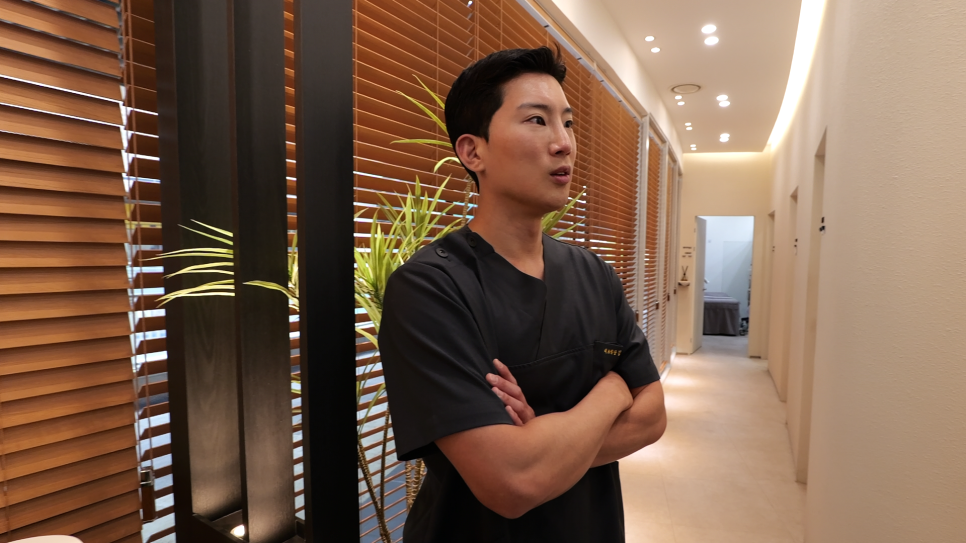
At Hongdae Dermatology,
rolling scars with gentle borders
respond the fastest to treatment.
They also respond well when combined with
hypertrophic scars.
On the other hand, ice pick scars
require more detailed and repeated treatment.
✅ 14. Can I get rid of scars at home with ointment?
For reducing red marks,
it may help.
However, it is impossible
to fill in the tissue of already indented scars
with ointment.
Indented scars absolutely require
professional procedures.
✅ 15. Why do treatment costs and methods differ by clinic?
Because the equipment they have,
the staff’s level of expertise,
and the structure of combination treatments differ from clinic to clinic.
What matters is not which procedure is done,
but how much attention and time
is devoted to your scars.
At Hongdae Dermatology,
look at how much time is spent on scar procedures.
That is what determines care and results.
Acne scar treatment
does not end in a single session.
You need to accurately identify the scar type
and approach it consistently
with combination procedures suited to it.
Rather than complete removal,
our goal is to create skin that is much smoother
and less noticeable,
and we will make that happen together.
If you have any questions, feel free to ask anytime
through the comments at Hongdae Dermatology! 😊
Thank you for reading this long post.
This was Wi Young-jin.