Men’s facial hair removal,
Is it really finished after 10 sessions?
Understanding How Hair Follicles Work During the Growth Phase
Hello.
I’m Youngjin Wi from Beauty’s Doctor.
Many people experience stress from
redness, stinging, and folliculitis
when shaving every day.
In particular, you may have experienced
shaving in the morning, only to find
your chin feeling rough again by evening.
That is why, when you search for men’s facial hair removal,
you often see advertisements such as:
“Permanent hair removal after 10 sessions”
“Finished for life after just a few sessions”
In reality, however,
it is more realistic to look at it a little differently.
To give you the conclusion first,
men’s facial hair is one of the most challenging
areas of the body for hair removal.
This is because the follicles are thick and deep,
and are also strongly influenced by hormones.
Therefore, rather than approaching treatment from the beginning with the goal of
“removing it completely,”
👉 reducing the stress of shaving
👉 alleviating skin problems
it can be helpful to take this approach
in order to clinically promote a smooth reduction
in facial hair density.
📌 Why is facial hair difficult to remove?

Men’s facial hair
is thick and dense.
In particular, the follicles around the upper lip, chin, and neck
are deep,
so strong laser reactions are often required.
That is why treatment usually requires
more sessions than other areas.
Typically, treatment is performed
about 8–12 times at intervals of 5–6 weeks.
Those with a lot of facial hair
or darker-colored hair
may need more than 10 sessions.
In addition, new facial hair may grow back
due to the influence of male hormones.
Therefore, it is difficult to state definitively, as advertisements do,
that “10 sessions means permanent removal.”
Instead, realistic goals often include:
✔️ reducing the frequency of shaving
✔️ relieving skin irritation
✔️ reducing the appearance of a beard shadow
✨ What changes lead to the greatest satisfaction after facial hair removal?
Laser hair removal works by causing
melanin pigment in hair follicles in the growth phase
to absorb thermal energy,
thereby inhibiting hair growth.
As hair density decreases,
the possibility of minor trauma to the skin’s surface
caused by repeated contact with a razor is reduced,
and the frequency of irritation factors such as folliculitis
also tends to decrease.
In addition, as the volume of the hair roots beneath the skin decreases,
you can expect the dark shading around the chin—the appearance of a beard shadow—to
look more even and refined.
⚠️ Folliculitis is relatively common
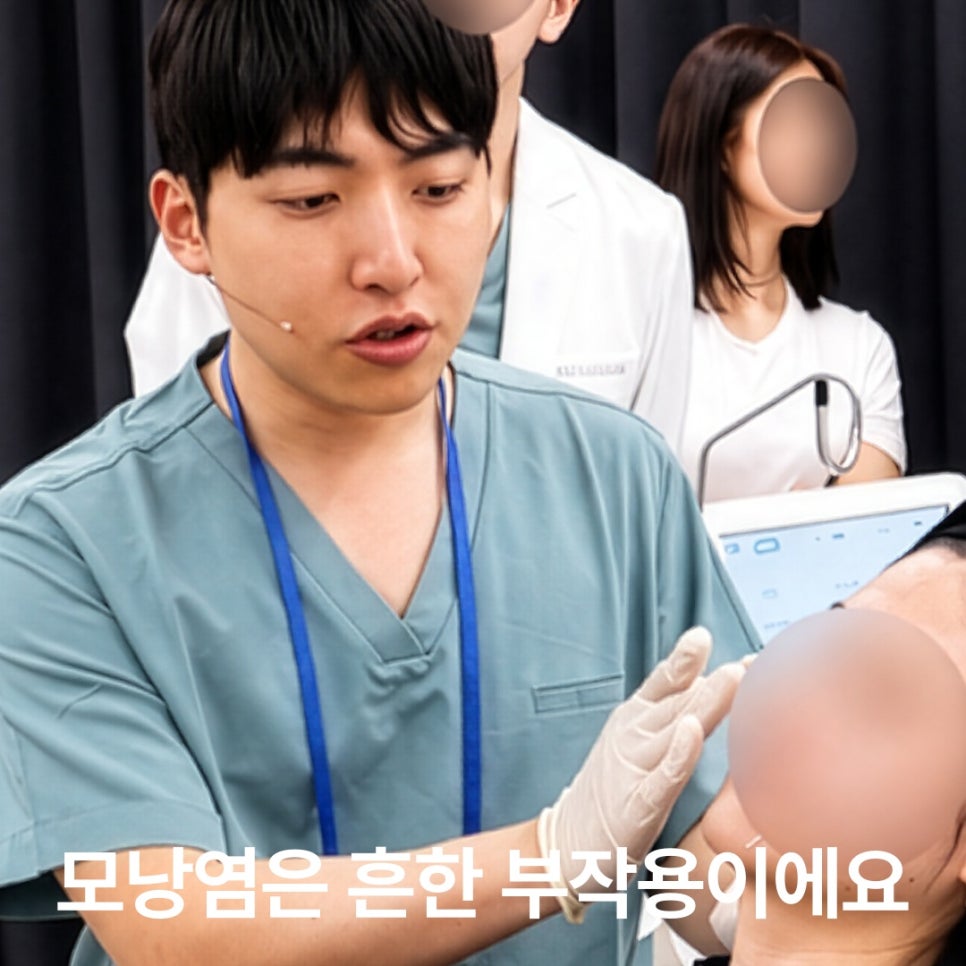
Because laser energy is applied strongly
to the facial hair area,
small red bumps often appear after treatment.
They usually settle down within a few days,
but touching them forcefully or shaving immediately
can worsen the inflammation.
In particular, for several days after treatment,
it is best to reduce irritants such as:
❌ saunas
❌ alcohol
❌ intense exercise
Instead, soothing the skin with a gentle moisturizer
can be helpful.
However, if pus-filled lesions, severe pain,
or persistent heat develop in the treated area,
please visit a nearby medical facility where the procedure was performed immediately
to receive appropriate medical treatment and prescriptions.
🌤 Be careful of hyperpigmentation as well
Asian skin is relatively prone
to developing hyperpigmentation after laser treatment.
In particular, those who previously experienced severe shaving irritation
may have red marks that remain for a long time.
Therefore, while undergoing facial hair removal,
👉 sun protection is especially important.
After treatment, it is also best to take a short break from scrubs
and strong peeling products.
Because the skin is in a sensitized state,
accumulated irritation can lead to discoloration.
🔍 What equipment is commonly used?
Two main types of equipment are commonly used
for men’s facial hair removal.
✔️ 755 nm Alexandrite laser
✔️ Diode laser
Although it is important to use equipment
that responds well to thick hair,
what is actually more important
is adjusting the intensity to suit the condition of the skin.
In particular, with facial hair,
the intensity design for each session can make a difference in the results.
Rather than always starting at a high intensity,
the intensity is often increased gradually
while observing the skin’s response.
📋 Things to ask during your consultation
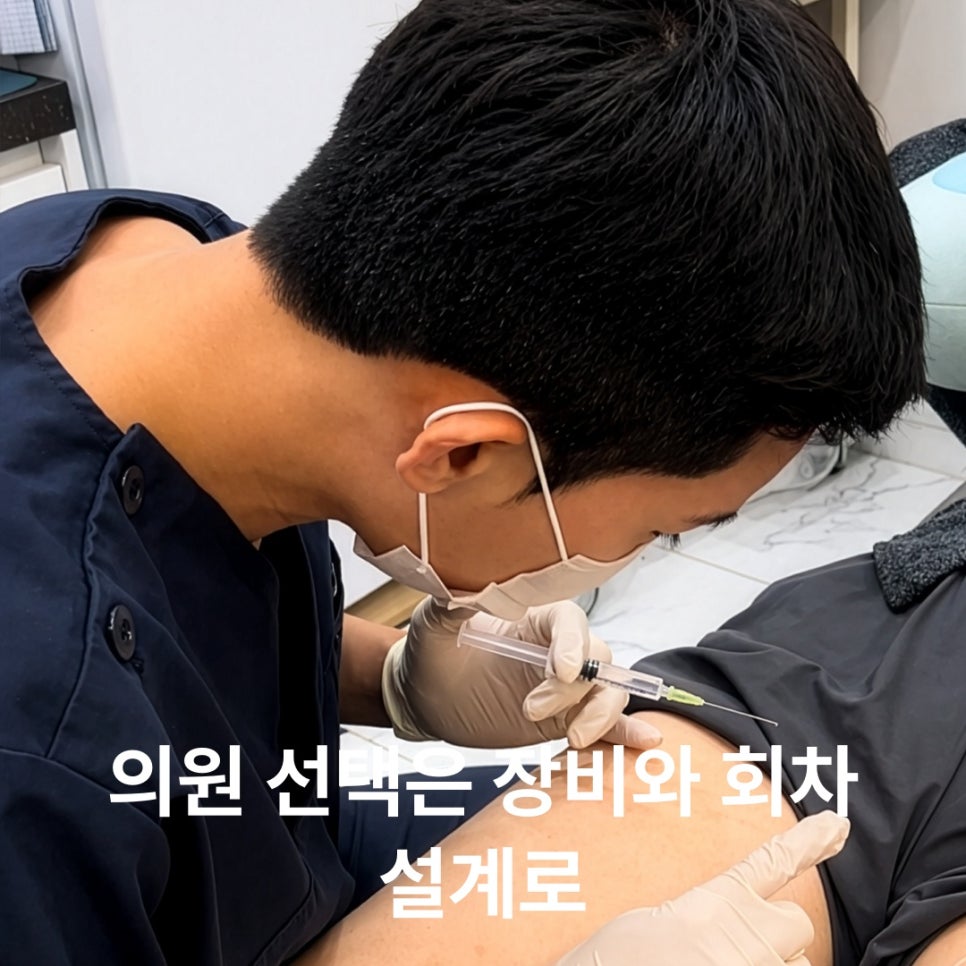
At a facial hair removal consultation,
be sure to check these three things.
1️⃣ How many sessions are expected?
Ask how many sessions are expected
based on the density of your facial hair.
Rather than choosing a clinic that makes definitive statements such as
“it will definitely be finished in five sessions,”
it is more realistic to choose one that explains individual differences.
2️⃣ Is there a way to manage folliculitis?
If the skin reaction is severe,
check whether the intensity can be adjusted.
It is also a good idea to confirm whether the nearby medical facility
has a soothing-treatment process in place
to help stabilize the skin barrier after the procedure.
3️⃣ How is the intensity increased from session to session?
The treatment plan for the later sessions is important for facial hair.
To clear even the remaining fine hairs,
experience with intensity adjustment can make a difference in the results.
💡 How should you care for your skin after treatment?
On the day of treatment, heat may remain in the skin,
so it is best to minimize irritation as much as possible.
✔️ Avoid hot showers
✔️ Avoid alcohol and saunas
✔️ Do not rub the skin harshly
Shaving is usually possible starting the next day,
but if your skin is sensitive,
it may be more comfortable to wait 2–3 days.
Moisturizer and sun protection
are also much more important than you might expect.
❓ Frequently asked questions

Q. Will I see results after only 5–6 sessions?
A. You will notice a reduction in the amount of hair.
However, if you want a more polished change in appearance,
8 or more sessions are often needed.
The tip of the chin and neck area,
in particular, tend to be the most likely to remain until the end.
Q. Can lasers be used on gray or white facial hair?
A. It is relatively difficult.
Because lasers target melanin pigment,
they have little to no response to white facial hair.
Therefore, starting before gray or white hair increases
may make a difference in the results.
Q. Can I shave immediately after treatment?
A. It is usually possible starting the next day.
However, because skin irritation may remain,
it is best to wait about 2–3 days if possible.
Thank you for reading this lengthy post.
This was Youngjin Wi.