
Hello.
I’m Wi Young-jin from Beauty’s Doctor.
When looking into facial contouring or lifting treatments,
you often come across the name Onda lifting.
However, some parts can be a little confusing
when reading the descriptions.
“Isn’t it a lifting device?
Why does it also address the fat layer?”
“It's said to be neither ultrasound
nor radiofrequency,
so what principle does it use?”
Many people have questions like these.
To summarize first,
Onda is a device that uses ultrashort waves—in other words, microwave energy.
It uses a different type of energy
from radiofrequency or ultrasound.
Depending on the handpiece used,
it can be applied to relatively superficial layers
or to deeper layers.
Therefore, rather than describing Onda
simply as a “lifting device,”
it is better understood as a device
whose approach varies according to
the condition of the skin and the treatment area.
What kind of device is Onda?

Onda is a microwave-based device
developed by the Italian company DEKA.
The device is described as using
ultrashort waves in the 2.45 GHz band.
The word “microwave” may make some people think of a microwave oven.
In medical devices, however,
it can be understood as a type of electromagnetic wave
used to deliver heat to tissue.
The important point is
that the type of energy is different.
Even when they are both called microwaves,
not all of them are used for the same purpose.
Medical devices differ in how they are used
depending on their purpose and design.
Why is the fat layer mentioned as well?

This is what many people are most curious about
when searching for Onda lifting.
“If it is a lifting treatment,
why is the fat layer mentioned?”
The reason is that
the depth being targeted can vary
depending on the handpiece used with Onda.
Onda commonly uses
3 mm and 7 mm handpieces.
The 3 mm handpiece is used
for relatively superficial layers,
while the 7 mm handpiece
is used for deeper layers.
That is why descriptions of Onda
often mention both the dermal layer
and the subcutaneous fat layer.
However, which handpiece to use,
which area to target,
and what intensity to apply
may vary depending on each person’s condition.
The actual treatment approach
is determined through a consultation and examination.
How is it different from radiofrequency lifting?

When researching lifting devices,
they are often compared with radiofrequency devices.
Examples include
Thermage and Oligio.
These devices
use radiofrequency energy.
Onda, on the other hand,
uses microwaves.
Both use heat,
but the way the heat is generated
and the characteristics of energy delivery
are different.
Therefore, rather than simply saying
that one device is better than another,
it is helpful to first understand
what principle each device uses.
How is it different from ultrasound lifting?
Ultrasound-based devices include
Ultherapy and Shurink Universe.
These devices
use ultrasound energy.
Onda, on the other hand,
uses ultrashort waves rather than ultrasound.
Therefore, the types of energy themselves are different,
as are the ways they deliver heat to tissue.
Rather than grouping lifting devices
into a single category,
it is helpful to also check
what principle the device uses—
whether it is radiofrequency,
ultrasound,
or microwaves.
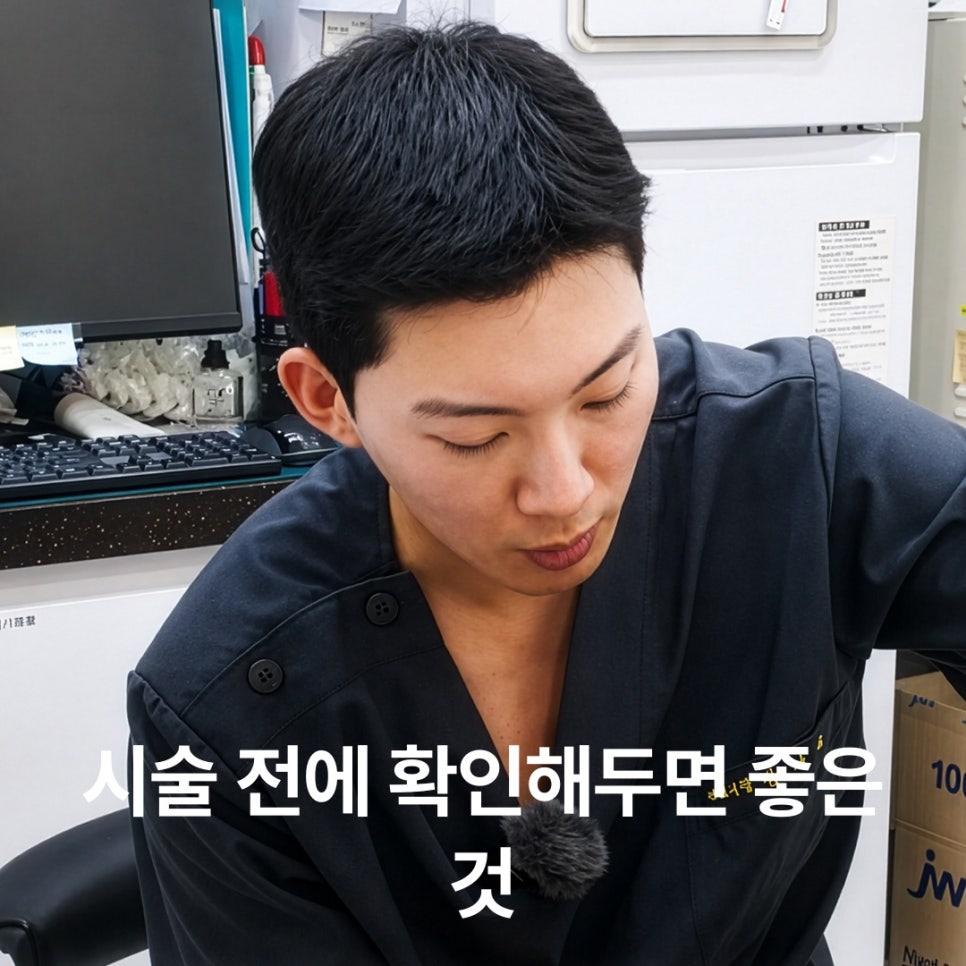
Things to check before treatment
Rather than deciding on treatment
based only on the device name,
it is important to first check
the current condition of your skin.
This is because the treatment approach
may vary depending on factors such as
skin thickness,
skin elasticity,
fat distribution,
areas of concern,
and your history of previous treatments.
The way redness, swelling,
or a sensation of heat appears after treatment
may also vary from person to person.
If you have an important event coming up,
it is a good idea to allow plenty of time
and receive a consultation in advance.
If you are taking any medication
or have recently undergone another treatment,
it may be helpful to mention this
during the consultation as well.
Frequently asked questions
Q. Is Onda a lifting device?
A. It is generally discussed
as a lifting device.
However, the approach may vary
depending on the handpiece used
and the treatment area.
Q. Is Onda a device for treating fat?
A. It may be used to target
deeper layers in specific areas,
which is why the fat layer
may also be mentioned.
However, the treatment approach
may vary depending on each person’s condition.
Q. Is Onda a radiofrequency device?
A. No.
Onda is not a radiofrequency device;
it uses ultrashort waves—in other words, microwaves.
Q. Do changes appear immediately after treatment?
A. The changes felt after treatment
and the course of recovery
vary from person to person.
They may also differ depending on
the condition of the skin, lifestyle,
and treatment area.
Because everyone’s skin condition is different,
a particular treatment is not necessary for everyone.
After checking your current condition
and whether treatment is needed through a consultation,
it is best to receive guidance that distinguishes
between the areas that need treatment
and those that do not necessarily require it.
You can find more detailed information
about the treatment on the website.
Thank you for reading this long post.
This was Wi Young-jin.