Hello.
I’m Youngjin Wi from Beauty’s Doctor.
When looking into tattoo or pigmentation removal,
you often come across the name “PicoWay.”
You may wonder:
“Can it be removed in one session with this device?”
“Is it also possible to treat a tattoo with multiple colors?”
To summarize first, PicoWay is a picosecond laser device
described as working by breaking pigment particles into smaller pieces.
However, it is not designed to remove everything in a single session like an eraser.
Because the finely divided pigment particles need time to be gradually processed
through the body’s recovery process,
treatment is often planned over multiple sessions.
The process and intervals may also vary depending on
the tattoo’s color, depth, type of ink, and skin condition.
Determining which plan is appropriate for you
requires an examination rather than relying on the device name alone.
What kind of device is PicoWay?

PicoWay is a picosecond laser device from
Candela.
A picosecond
refers to one-trillionth of a second.
It can be described as a method that delivers laser energy
over an extremely short period of time and acts on pigment particles.
When tattoo or pigment particles absorb laser energy,
a photoacoustic effect occurs,
causing the pigment particles to break into smaller pieces.
These divided pigment particles
are processed over time through the body’s recovery process.
In other words, rather than simply burning the pigment with heat,
this device takes both short pulses and the photoacoustic effect into consideration.
However, even when the same device is used,
skin reactions and treatment progress may vary from person to person.
-
Picosecond: An extremely short unit of time equal to one-trillionth of a second.
-
Photoacoustic effect: An effect in which pigment absorbs light energy and creates momentary vibrations, causing the pigment particles to break apart.
Different wavelengths are used for different colors

Different tattoo colors
may have different characteristics when absorbing laser energy.
PicoWay has multiple wavelengths,
which medical professionals may consider selectively
depending on the color and condition of the skin.
For example,
532 nm may be considered
for red, yellow, and orange tones,
and 785 nm may be considered
for green and blue tones.
The 1064 nm wavelength
is known as a wavelength that may be considered
for black, brown, and similar tones.
However, the wavelength used
may vary depending on the tattoo’s color, depth, area, skin type,
and history of previous treatments.
Therefore, a multicolored tattoo
is difficult to assess simply using one wavelength alone.
In particular, light-colored inks such as white and peach
should be examined more carefully during a consultation.
This is because some pigments may develop paradoxical darkening,
in which they appear darker after laser treatment.
- Paradoxical darkening: A change in which a color appears darker after laser treatment. This phenomenon has been reported with white and peach-colored tones.
Can’t everything be removed in one session?

There is one point worth clarifying here.
Even when the laser acts on the pigment particles,
the body needs time to process those fragments.
For this reason, tattoo removal is often planned
over multiple sessions with set intervals between them.
The number of sessions and intervals may vary depending on the tattoo’s color, depth, type of ink,
area, and skin condition.
For pigmented lesions as well, the plan may vary
depending on their type and depth and the skin’s response.
Therefore, rather than assuming that “one session is enough,”
the first step is to examine the current condition and then determine
the number of sessions and intervals together.
Things to check before treatment
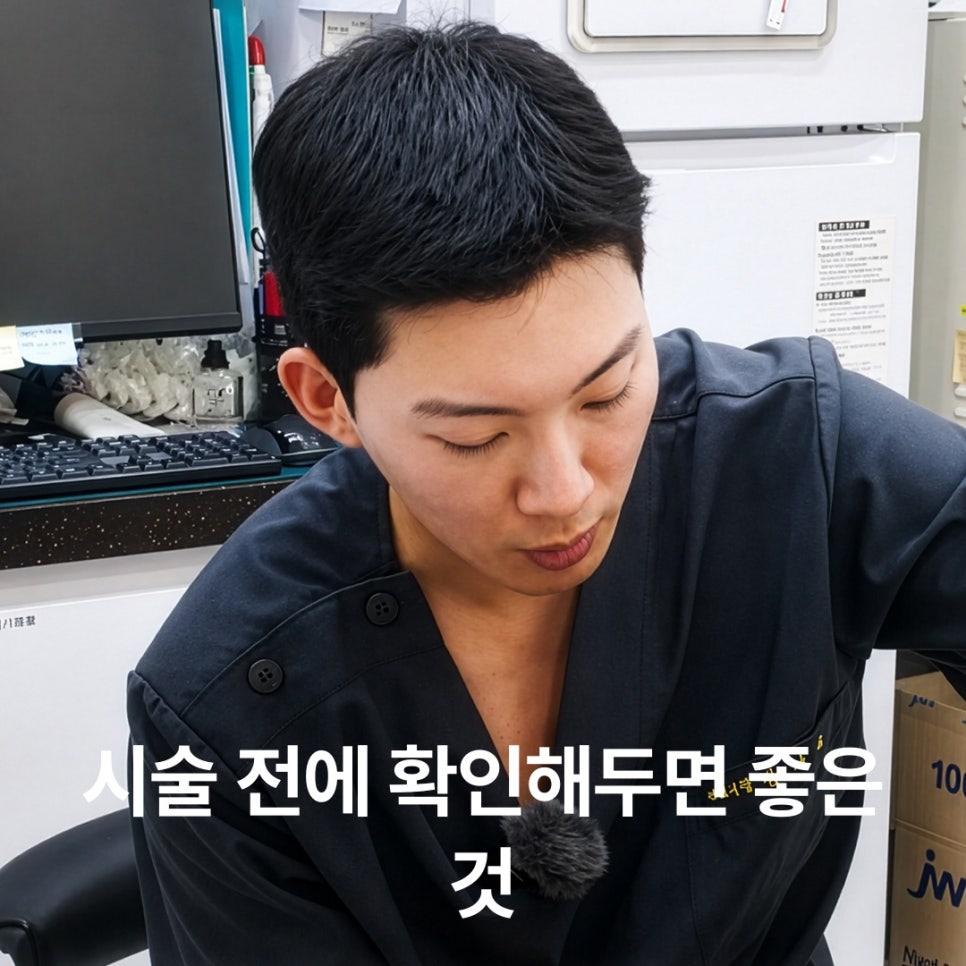
Before consulting about tattoo or pigmentation removal,
it is helpful to review several points together.
The consultation will consider how many colors the tattoo contains,
how deep the tattoo appears to be,
whether the treated area is large or small,
and whether you have previously undergone removal treatment.
Skin type and sensitivity are also important.
The consultation may also cover whether you have recently had significant sun exposure,
whether you are prone to developing hyperpigmentation,
and how your skin tends to heal when injured.
Post-treatment reactions also vary from person to person.
Redness, stinging, scabbing, dryness, and color changes
may appear differently in each individual.
The possibility of scarring or hyperpigmentation
may be affected by various factors, including treatment settings,
skin condition, tattoo characteristics, and recovery care.
If a scab forms, it is best not to remove it forcibly
and to let it fall off naturally.
During the recovery period,
use sun protection and moisturize,
and avoid unnecessary irritation to the treated area.
If you are taking medication
or have a history of keloids, hyperpigmentation, or skin disease,
it is a good idea to mention this during the consultation.
Because skin and pigment conditions vary from person to person,
no specific device or method
is equally suitable for everyone.
If you are considering a tattoo or pigmentation removal consultation in Hapjeong,
it is best to first check your current condition through an examination
and then determine the number of sessions and treatment plan.
Detailed information about each treatment
is available on the website.
Frequently Asked Questions
Q. Can a tattoo be removed in one session with PicoWay?
A. Even when the laser acts on the tattoo’s pigment particles,
the body needs time to process those fragments.
Treatment is often planned over multiple sessions
with set intervals between them,
and the number of sessions may vary depending on the color, depth, type of ink,
and skin condition.
Q. Is it possible to treat a tattoo with multiple colors?
A. Different colors may have different characteristics
when absorbing laser energy.
The approach may vary depending on which colors are present,
how deeply they are embedded,
and whether there is a history of previous treatment.
White and peach-colored tones in particular
should be examined more carefully during a consultation.
Q. Can scarring or hyperpigmentation remain after treatment?
A. Post-treatment reactions may vary from person to person.
The extent of redness, stinging, scabbing, and hyperpigmentation
may vary depending on the skin condition and recovery process.
Removing scabs forcibly
or having significant sun exposure
may affect recovery, so caution is needed.
It is a good idea to discuss your skin characteristics
and previous healing history during the consultation.
Thank you for reading this long post.
This was Youngjin Wi.