Hello.
I’m Young-jin Wi from Beauty’s Doctor.
In summer, the underarm areas of shirts can easily become wet,
or you may find yourself repeatedly pressing them with a handkerchief before every meeting,
making underarm sweating a source of concern.
If using deodorant does not make much difference,
and the sweating repeatedly occurs even when you are not nervous or hot,
it may be worth checking whether excessive sweating is involved.
Underarm Botox is one of the methods discussed
when addressing this type of sweating.
However, the criteria considered during a consultation can differ
depending on whether the concern is sweat, odor,
or both together.
What Is Underarm Excessive Sweating?
Sweating is a natural bodily response
that helps regulate body temperature.
However, if a large amount of sweat repeatedly occurs in a specific area
without being significantly related to temperature or activity level,
it may be checked as excessive sweating.
When excessive sweating is limited to the underarms,
it is sometimes referred to as axillary hyperhidrosis.
The level of discomfort in daily life varies from person to person.
If your clothes often become wet,
if you feel uncomfortable raising your arms,
or if you are constantly conscious of it in social situations,
these may be reasons to seek a consultation.
What Does Botox Address in the Underarms?
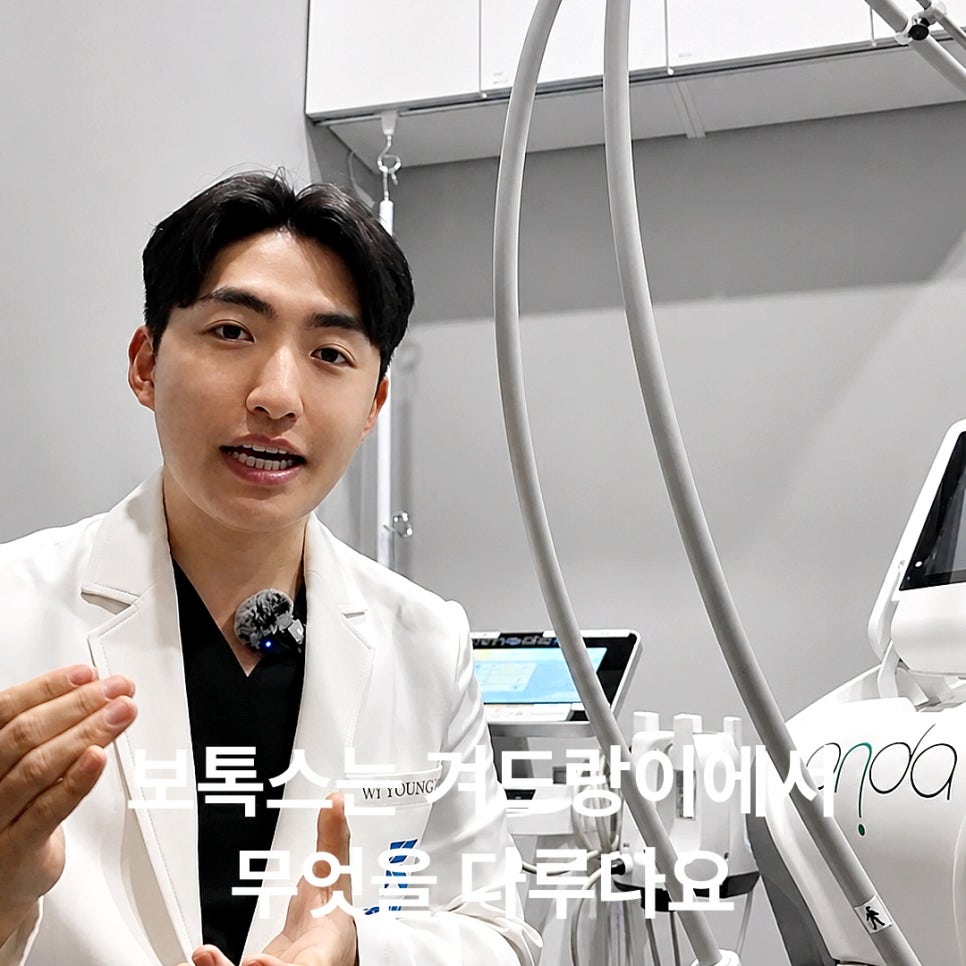
Underarm Botox is described as a method
that uses botulinum toxin type A
to temporarily reduce nerve signals
sent to the sweat glands.
It belongs to the same general category as Botox for expression lines,
but in the underarms, the focus is less on muscle movement
and more on the activity signals of the sweat glands.
When these signals are reduced,
the amount of sweat produced in response to stimulation
is discussed as gradually becoming regulated over time.
However, the same method does not necessarily apply
to every type of sweating.
The need for treatment and the approach may vary
depending on the area, amount, and pattern of sweating,
as well as your previous treatment history.
How Is the Treatment Area Identified?
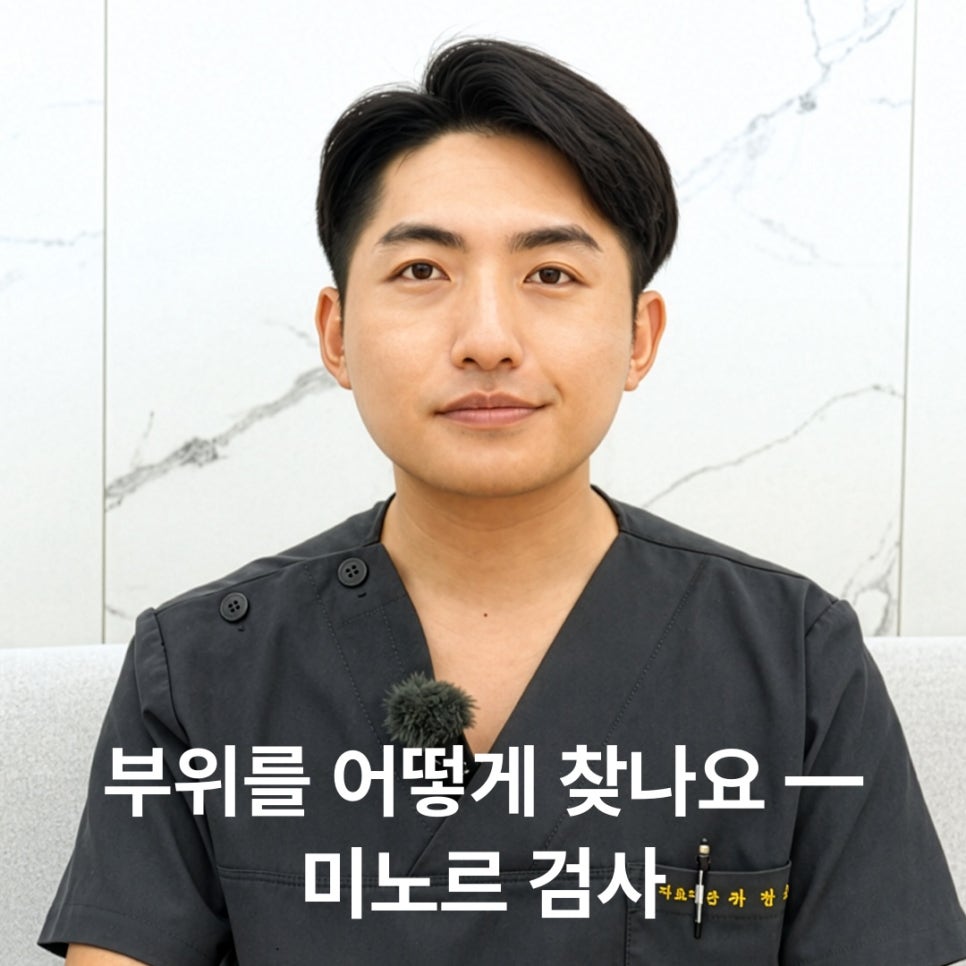
Even if underarm sweating feels evenly distributed across the area,
the points that are more active may differ from person to person.
For this reason, a consultation first examines
where and over what area the sweating is most pronounced.
When necessary,
a Minor’s test, also called the iodine-starch test,
may be used to identify the areas where sweating occurs visually.
After applying an iodine solution and starch,
the points where sweat appears become darker.
Using these results as a reference
can make it possible to assess more specifically
which areas to treat and at what intervals.
Before the test, it is also helpful to check in advance
whether deodorant or antiperspirant has been used.
The Duration Varies from Person to Person
The effects of the toxin are not permanent.
As time passes, nerve signals gradually recover,
and the pattern of sweating may return.
Underarm Botox for excessive sweating is sometimes described as lasting longer
than Botox for expression lines,
but it is difficult to state one exact duration for everyone.
The perceived duration may vary depending on activity level,
individual characteristics, the degree of sweating,
work environment, and the response to previous procedures.
If this is your first treatment,
it is generally appropriate to determine the next timing
after observing your response and how long the effects last.
It Should Be Considered Differently from Bromhidrosis
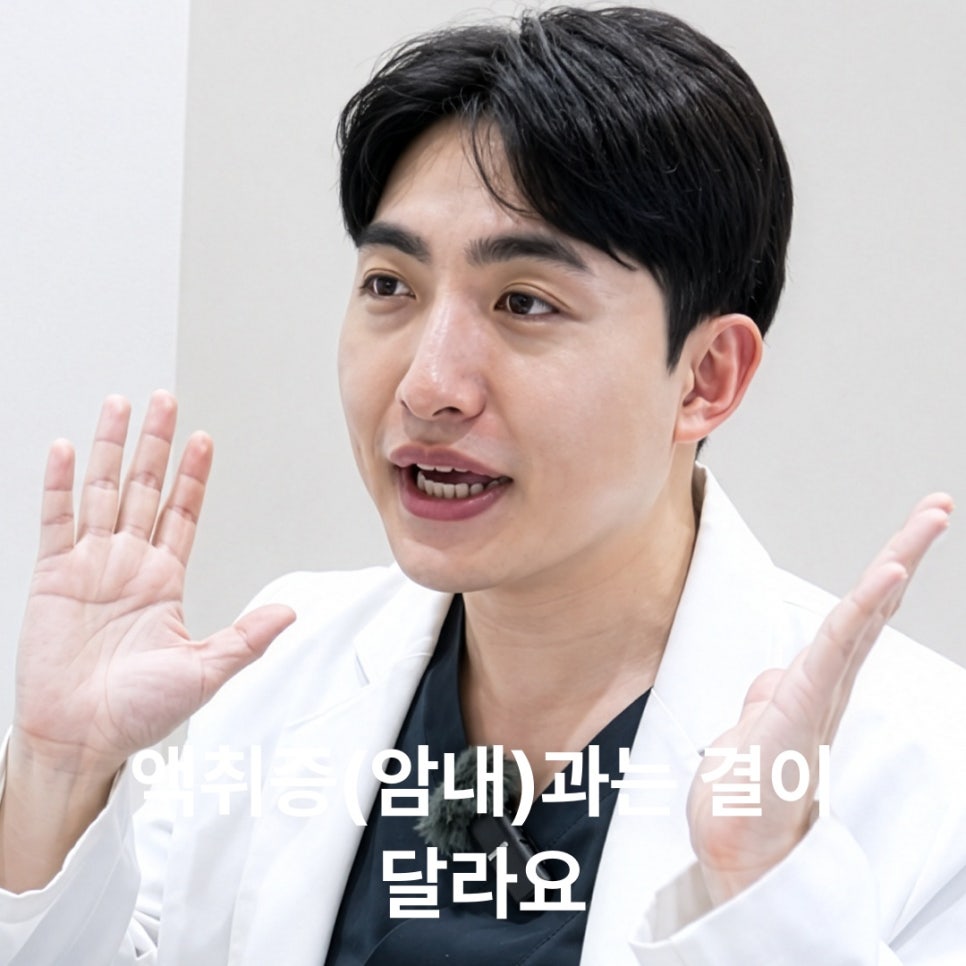
Underarm sweat and odor
are often discussed together, but their causes are not completely the same.
Excessive sweating primarily refers to a condition involving a large amount of sweat,
while bromhidrosis involves odor-producing secretions
and the action of skin bacteria.
Simply put, excessive sweating is closer to
“the problem of sweating too much,”
while bromhidrosis is closer to
“the problem of being concerned about odor.”
Of course, both may occur together.
Therefore, during a consultation,
it is important to first distinguish
whether the main concern is the amount of sweat,
the odor, or both.
Underarm Botox is primarily discussed as a way
to regulate the flow of sweat,
so it is best considered separately
from methods that directly address odor itself.
Checking Your Condition Comes Before Automatically Choosing Treatment
Not everyone with excessive underarm sweating
necessarily needs Botox.
Lifestyle habits, the season, stress,
medications you are taking, or other health conditions
may also be related to sweating.
If odor is a greater concern than sweating,
the treatment approach may also be different.
The important thing is to first identify
what kind of discomfort you are currently experiencing,
rather than immediately deciding on underarm Botox.
It is necessary to consider the amount of sweat,
whether odor is also present,
the situations that cause discomfort in daily life,
and your previous management methods
before determining the appropriate scope of treatment.
Frequently Asked Questions
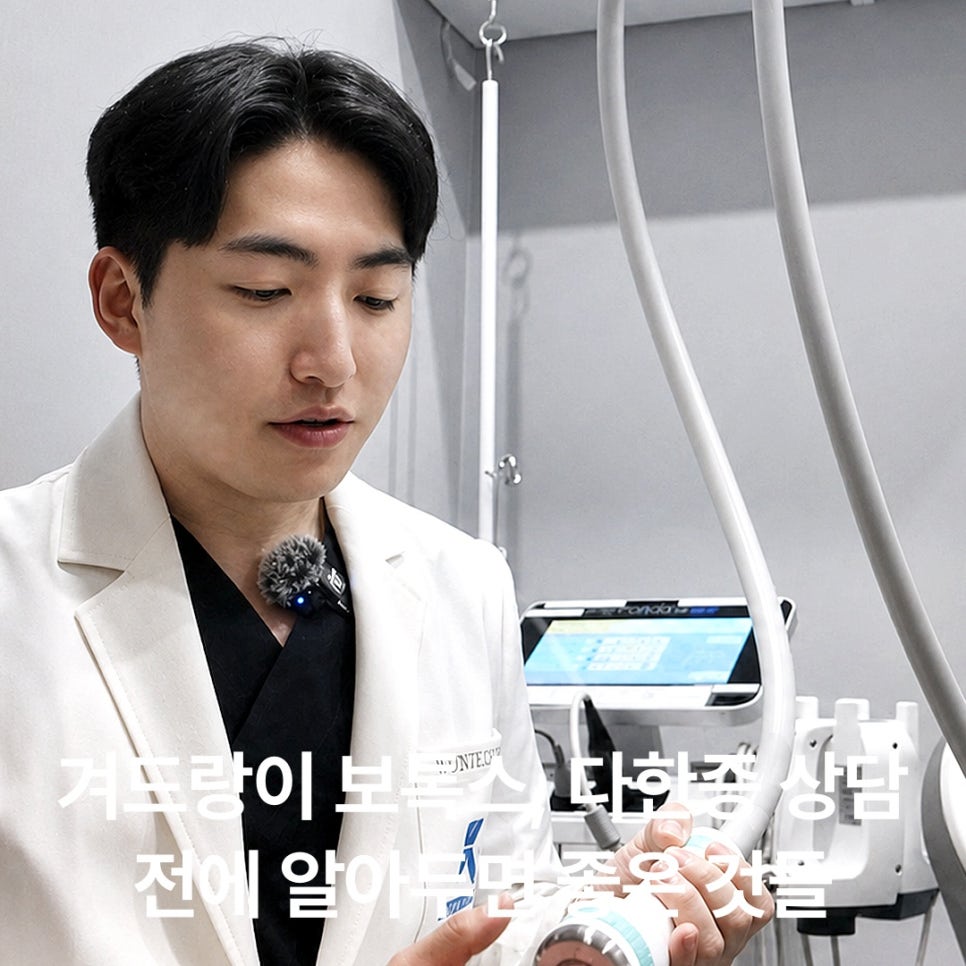
Q. How long does underarm Botox last?
A. It varies from person to person.
The duration may differ depending on activity level,
the degree of sweating, individual characteristics,
and previous responses.
Q. Is a Minor’s test always necessary?
A. It is not necessary in every case,
but it can help identify the areas where sweating is most pronounced.
Whether testing is needed is best determined
after assessing your condition.
Q. Will it also improve odor?
A. Underarm Botox primarily addresses the amount of sweat.
Odor may involve other causes, such as bromhidrosis,
so it is advisable to discuss sweat and odor separately.
Thank you for reading this long post.
This was Young-jin Wi.