Hello.
I’m Kim Ha-won from Beauty's Doctor.
When looking into lifting treatments,
there is one name that often appears alongside Ultherapy.
That is Sofwave.
Both are devices that use ultrasound,
so you may wonder, “Aren’t they essentially similar?”
However, although the two devices have
the common feature of using ultrasound,
they differ in how they generate heat
and the depths they primarily target.
Therefore, when considering the effects of Sofwave,
rather than simply comparing it with Ultherapy,
it is better to first understand
which layer is treated and how.
What kind of device is Sofwave?
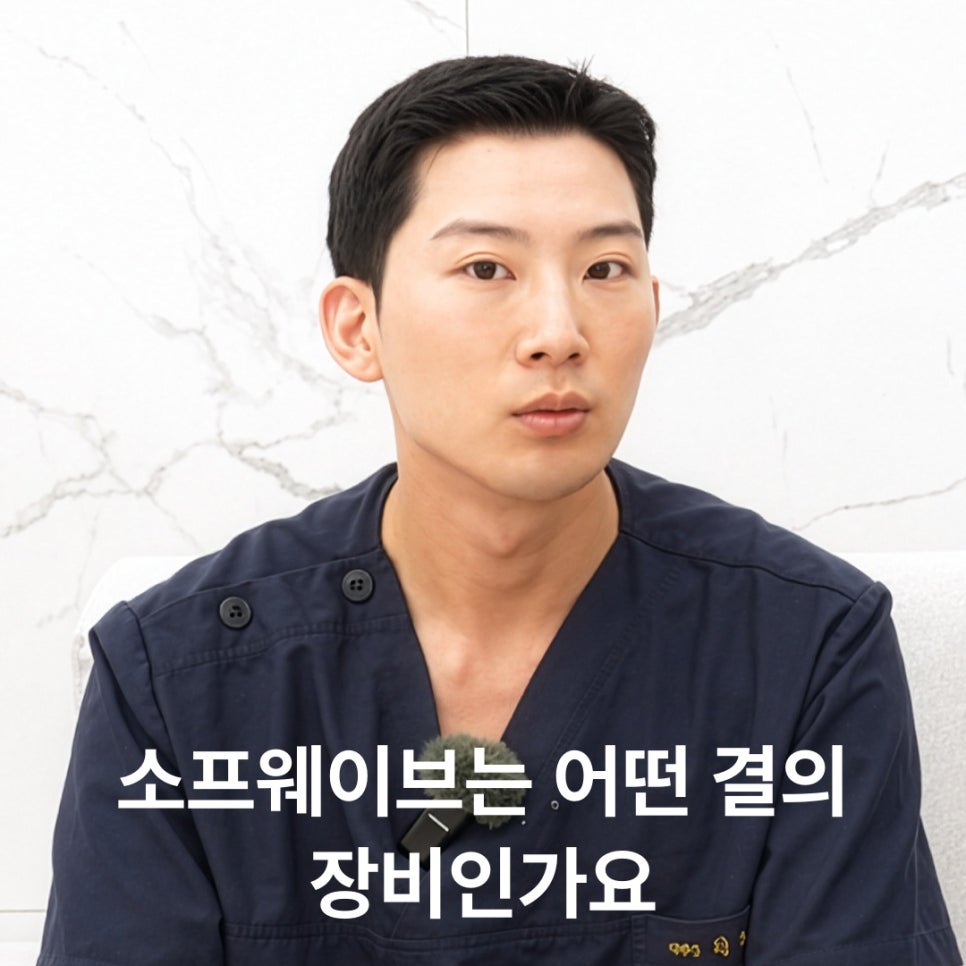
Sofwave is a device
that uses ultrasound energy
to create a thermal response inside the skin.
The technology frequently mentioned
is a method called SUPERB.
SUPERB is described as a method
that delivers multiple ultrasound beams in parallel
to create heat in the middle layer of the dermis.
It is generally known to target
the middle layer of the dermis at a depth of approximately 1.5 mm.
This thermal response works toward
stimulating a collagen response inside the skin.
During the procedure,
the Sofcool cooling system operates at the same time
to prevent the skin's surface temperature
from rising excessively.
In other words, the effects of Sofwave
are less about immediately filling something in
and more about observing the response
of the middle dermal layer over time.
How does it differ from Ultherapy?
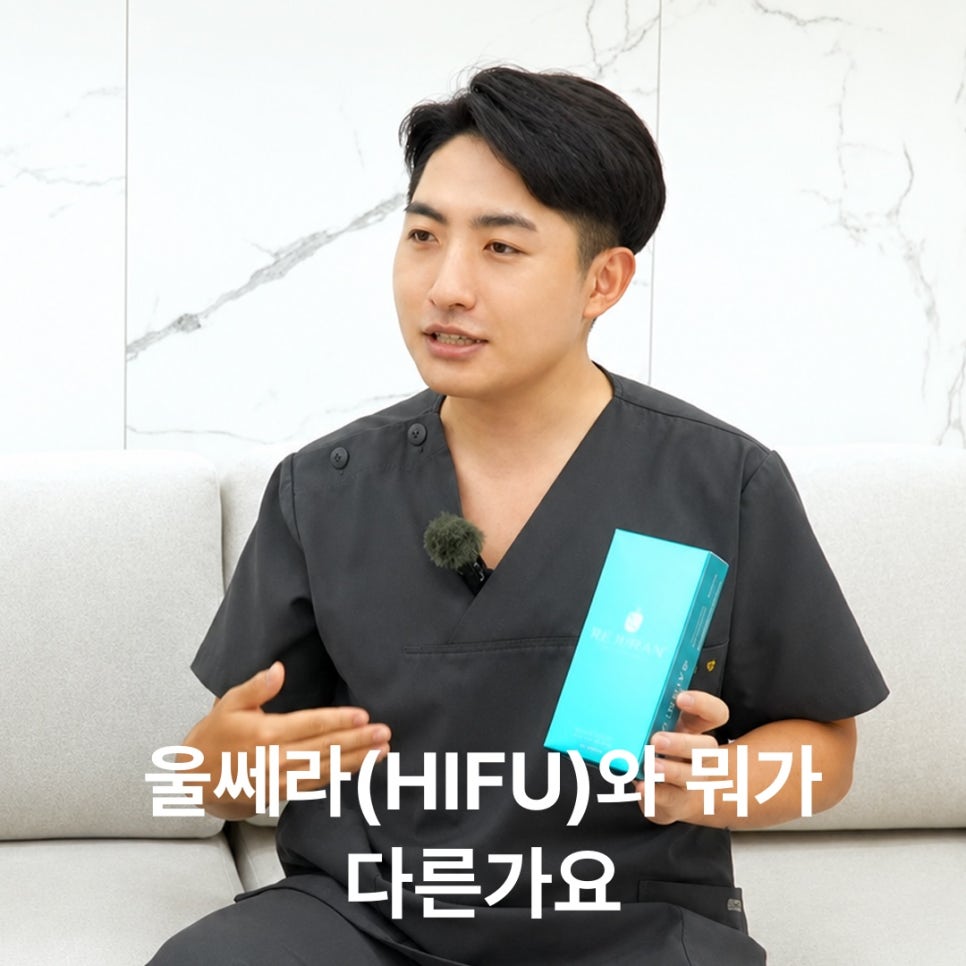
Sofwave and Ultherapy
are both known as ultrasound-based lifting devices.
However, they differ in how they deliver heat
and the depths they primarily target.
Ultherapy uses HIFU technology
to focus ultrasound energy at a single point
and create heat at a designated depth.
The depths often discussed during consultations
include 1.5 mm, 3.0 mm, and 4.5 mm.
By contrast, Sofwave is described as a method
that delivers parallel ultrasound beams
to the middle layer of the dermis,
primarily around 1.5 mm deep.
Therefore, when considering the effects of Sofwave,
it is important to understand that its treatment approach
may differ from that of devices that target deeper layers,
including the SMAS layer.
Consultation criteria vary depending on
whether the skin is thin,
which layer shows the most noticeable laxity,
and whether there is a history of previous lifting treatments.
What does the procedure feel like?
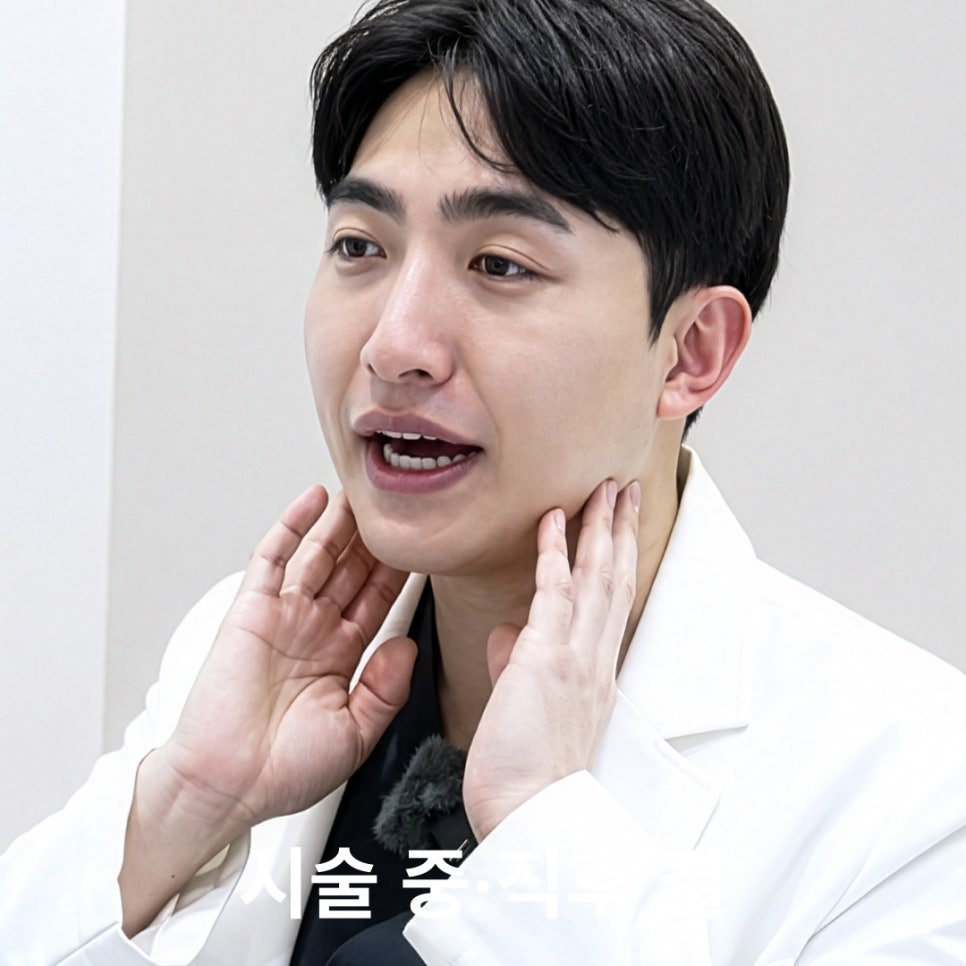
Because Sofwave creates a thermal response
in the middle layer of the dermis,
you may feel stinging or a heavy sensation of warmth
during the procedure.
Although surface cooling operates at the same time,
the procedure may not be completely sensation-free.
Depending on the area,
some areas may feel warmer,
while others may be relatively comfortable.
The intensity of the sensation varies considerably
from person to person depending on skin thickness,
sensitivity, physical condition that day,
and the treatment area.
Immediately after the procedure,
temporary redness or mild swelling may appear,
and patients are generally advised that these tend to subside over time.
Therefore, when assessing the effects of Sofwave,
it is better to consider the recovery process as well
rather than judging solely by how it feels immediately after the procedure.
Changes should be assessed over time

Sofwave is not a treatment
that immediately fills something in, like a filler.
It is closer to a method
that creates an internal response using ultrasound energy
and then observes the collagen response over time.
Therefore, it is difficult to assess the final changes
immediately the day after the procedure.
Around one month,
initial redness or swelling will have subsided,
and the internal response in the skin may continue.
Around two to three months,
some people may begin to notice changes
as the collagen response continues.
The three- to six-month period
is frequently mentioned when describing
the course of collagen regeneration.
However, the timing at which the effects of Sofwave are felt
may vary depending on age, skin thickness,
the degree of laxity,
and the history of previous treatments.
What is assessed during a consultation?
During the consultation,
we first check which areas currently show the most noticeable laxity.
We also assess whether the skin is relatively thin,
whether there is a significant feeling of reduced elasticity,
and whether facial fat or laxity is also present.
It is also important to know whether you have previously received
Ultherapy, Shurink, Thermage,
or other lifting treatments.
Rather than dividing Sofwave and Ultherapy
solely in terms of which is superior,
it is better to view them as devices
with different treatment depths and purposes.
When discussing the effects of Sofwave,
it is important to consider not only the price or device name,
but also your skin condition and desired outcome.
The same device is not necessary for everyone.
After assessing your current skin condition and desired outcome,
it is best to determine during the consultation
which areas require treatment and what approach to take.
Frequently asked questions

Q. Which is better, Sofwave or Ultherapy?
A. Although both devices use ultrasound,
they differ in treatment depth and how they deliver heat.
Rather than one being unconditionally better,
consultation criteria may vary depending on skin thickness,
the degree of laxity,
and the history of previous treatments.
Q. When will I start to notice changes?
A. The effects of Sofwave
are often assessed over a period of several weeks to several months,
rather than immediately after the procedure.
They may be felt differently from person to person
around two to three months,
or during the three- to six-month period.
Q. Is the procedure very painful?
A. Because the treatment creates a thermal response
in the middle layer of the dermis,
you may feel stinging or a heavy sensation of warmth.
Although Sofcool cooling operates at the same time,
the intensity of the sensation may vary depending on the area
and individual sensitivity,
so it is best to discuss this in advance during the consultation.
Thank you for reading this long post.
This was Kim Ha-won.