Hello.
I’m Young-jin Wi from Beauty Doctor.
Some people notice a bumpy feeling when they touch the backs of their upper arms, thighs, buttocks, or the area around their cheeks.
They may commonly think, “It feels like goosebumps,” or “Is it acne?” before coming across the term keratosis pilaris.
Keratosis pilaris should be understood as a different condition from concerns about enlarged-looking pores on the face.
Although the name includes the word “pore,” it is more closely related to thickening of the skin around the hair follicles than to enlarged openings of the sebaceous glands.
That is why it is best to take a different approach to care than with ordinary pore concerns.
What is keratosis pilaris?
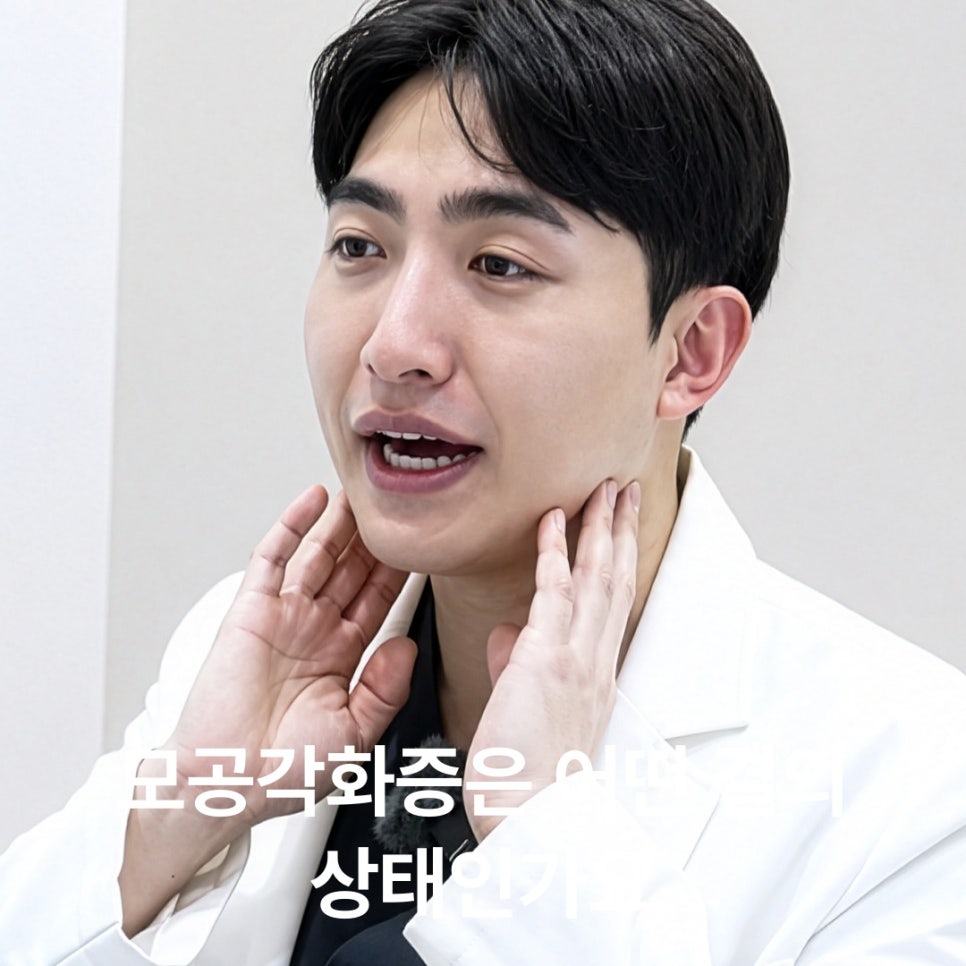
Keratosis pilaris is a condition in which dead skin cells build up around the hair follicles, creating small, bumpy projections that can be felt.
When dead skin cells build up as if blocking the follicular openings, the skin’s surface may feel less smooth and grainy.
Redness may also appear, and the skin can feel rougher during dry seasons.
It is most common on the backs of the upper arms, thighs, and buttocks, but it can also appear on the cheeks or upper back.
In most cases, rather than causing pain or severe itching, the rough texture of the skin and changes in color are what tend to be bothersome.
It may become more noticeable during adolescence or in the 20s and then naturally fade with age in some cases.
How is it different from facial pores?
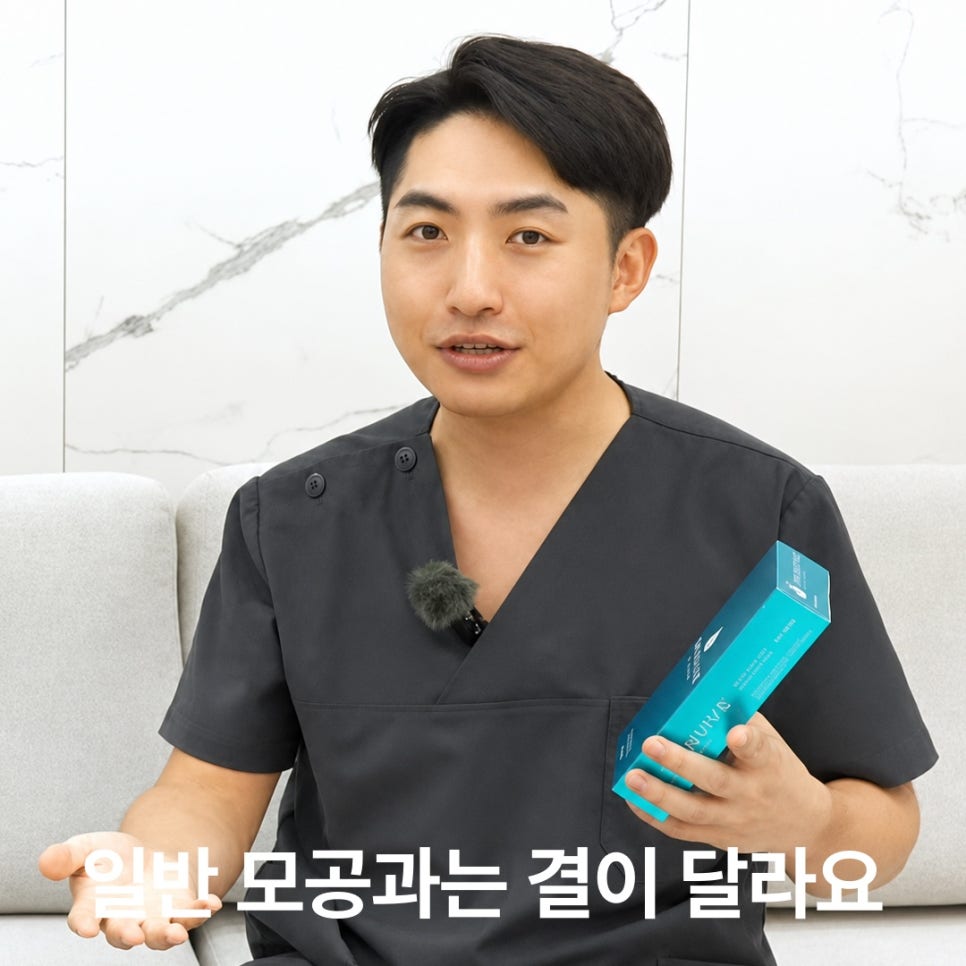
Concerns about facial pores are usually more closely related to the openings of the ducts that release sebum appearing more prominent.
Sebum production, skin elasticity, dead skin cells, sagging, and genetic tendencies may all contribute.
Keratosis pilaris, on the other hand, is a condition in which dead skin cells build up around the hair follicles, making them look like small, bumpy projections.
In other words, ordinary pore concerns are more about the duct openings appearing enlarged, while keratosis pilaris is more closely related to the buildup of dead skin cells around the hair follicles.
So even though both conditions include the word “pore,” the criteria considered during a consultation and the approach to care are different.
Why does it develop?
Keratosis pilaris is known to be frequently influenced by genetic tendencies.
If someone in your family has a similar skin texture, you may develop a similar appearance as well.
The key process is that dead skin cells do not shed smoothly around the hair follicles and instead build up thickly.
It may also appear along with sensitive skin barrier conditions such as dry skin or atopic dermatitis.
During cold, dry seasons, the skin can become rougher, making redness and the bumpy feeling more noticeable.
For this reason, keratosis pilaris is best viewed not as a problem to eliminate all at once, but as something to manage consistently by caring for dead skin cells, dryness, and irritation.
What should you consider for home care?

The basics of managing keratosis pilaris are moisturizing and reducing irritation.
When the skin is dry, dead skin cells may feel rougher, and redness may also appear more noticeable.
After showering, apply plenty of moisturizer before the skin dries, and during dry seasons, increasing the frequency of moisturizing may be helpful.
Ingredients that help smooth away dead skin cells are also often mentioned.
Products containing AHA ingredients such as lactic acid, BHA ingredients such as salicylic acid, or urea are sometimes used.
However, vigorously using a rough scrub to remove dead skin cells or washing for a long time with hot water can instead cause irritation.
Especially if your skin is red or stings, it is better to check the condition of your skin barrier first rather than immediately using potent ingredients.
What approach is considered during a consultation?
During a consultation, the degree of bumpiness, redness, dryness, location, and extent are considered together.
The approach may differ depending on whether dead skin cells are simply prominent, whether there is significant accompanying redness, or whether the skin barrier is sensitive.
When necessary, prescription products that help smooth away dead skin cells, along with moisturizing and irritation-management guidance suited to the condition of the skin, may be recommended.
If redness or skin texture is particularly bothersome, laser treatment or peel-based treatments may also be discussed during a consultation.
However, the same approach is not necessary for every case of keratosis pilaris.
It is important to consider the current condition and location of the skin, age, and response to irritation, and to choose an approach that does not overburden the skin.
What is checked during a consultation
During a consultation, the first step is to identify which area is most bothersome.
The care approach may differ depending on whether the concern is on the backs of the upper arms, the thighs, the cheeks, or the buttocks.
We also consider whether there is redness, whether the dryness is severe, and whether there is a history of atopic dermatitis or allergies.
The body lotions, exfoliating products, and scrubs you have used so far can also provide useful information during the consultation.
When visiting with a child, the ingredients that can be used should be considered more carefully based on the child’s age and response to skin irritation.
Rather than viewing keratosis pilaris as something that must be completely eliminated, it is better to approach it by consistently managing the rough, prominent appearance of the skin.
Frequently asked questions
Q. Can keratosis pilaris disappear completely?
A. Because genetic tendencies often play a role, it can be difficult to say that it will disappear completely.
However, you can take an approach focused on managing dead skin cells, dryness, and irritation so that the bumpy feeling becomes less noticeable.
Q. How is it different from facial pores?
A. Concerns about facial pores are more closely related to the openings of the ducts that release sebum appearing prominent.
Keratosis pilaris is a condition in which the skin around the hair follicles thickens and appears bumpy, typically on the upper arms or thighs.
Q. Which ingredients are helpful to apply?
A. Ingredients commonly used to smooth away dead skin cells include lactic acid, salicylic acid, and urea.
However, if your skin is sensitive or red, it is better to first focus on moisturizing and irritation management rather than using exfoliating ingredients too aggressively.
Thank you for reading this lengthy post.
This was Young-jin Wi.