Hello.
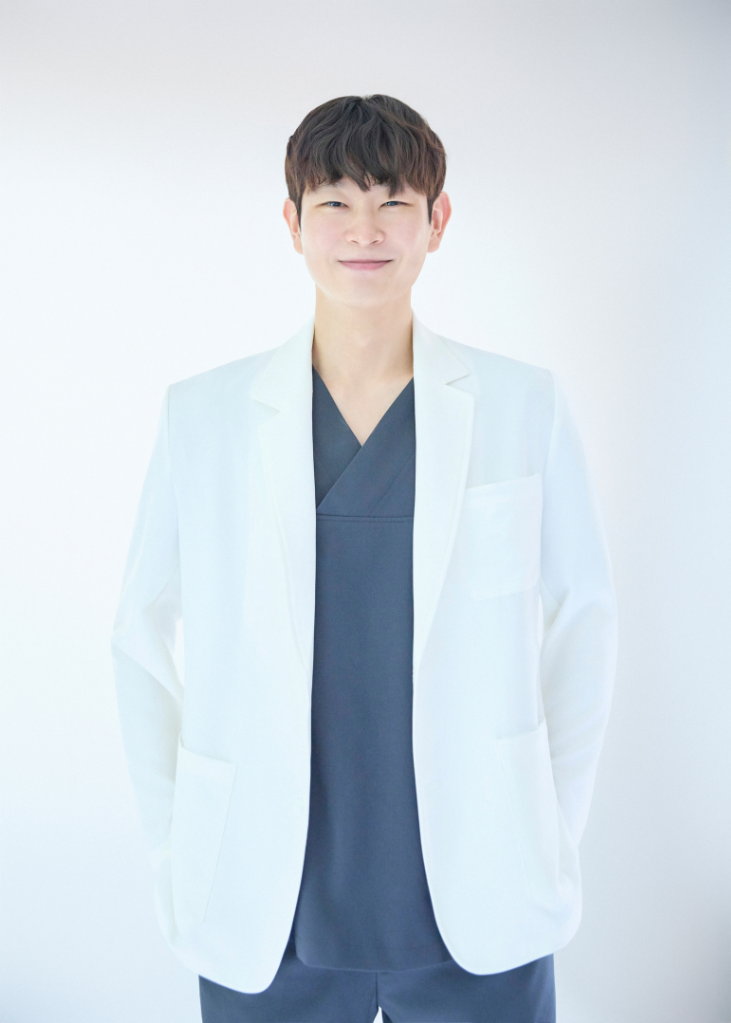
This is Dr. Young-jin Wi from Beauty's Doctor.
When looking into skin Botox,
you often come across reviews saying that it was more painful than regular Botox.
If you have an appointment coming up,
you may be worried that it will be especially difficult for you.
However, skin Botox pain can feel different depending on the injection depth, treatment area, and number of injections.
It can be helpful to learn in advance why it may feel more stinging
and what preparations are available.
The injection method
differs from regular Botox
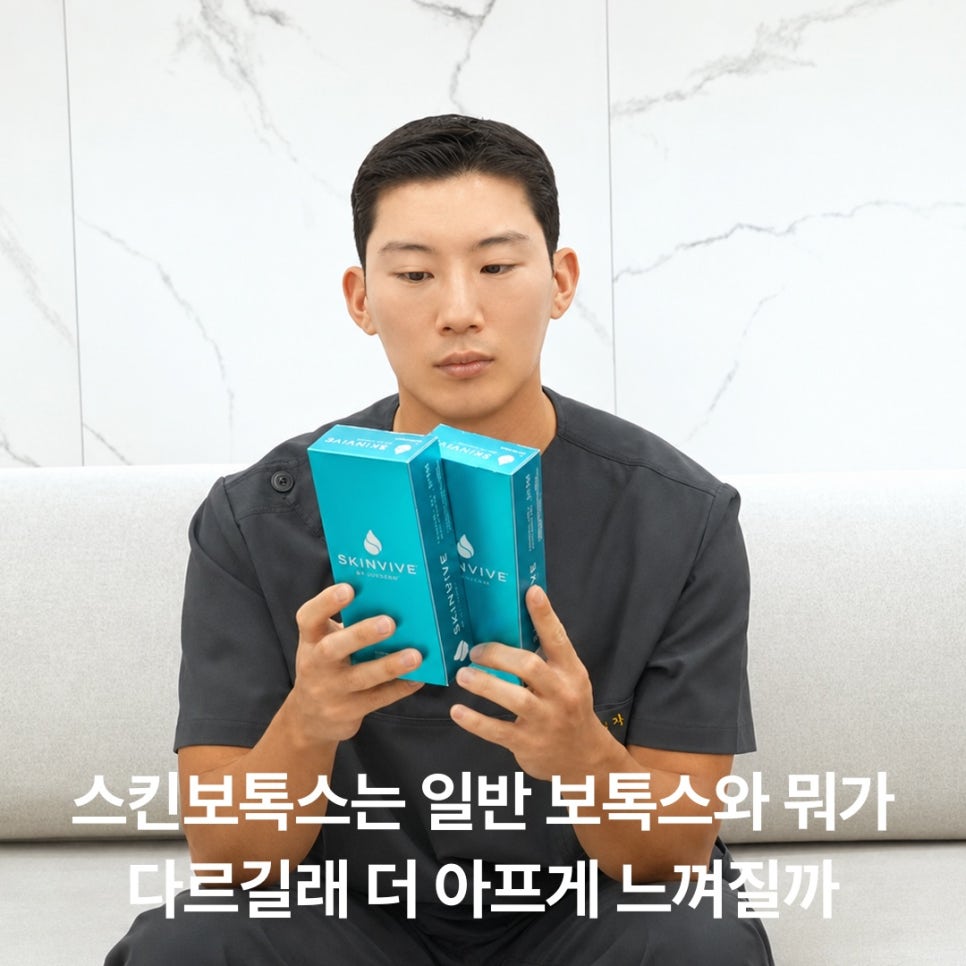
Regular Botox is generally injected
into specific muscle areas, such as the glabella or around the eyes.
Skin Botox, on the other hand,
involves injecting a diluted toxin preparation into the superficial layers of the skin in multiple places.
Because several areas of the face are treated closely together,
the number of needle insertions may also increase.
Rather than one intense stimulus,
it feels more like repeated, brief stinging sensations.
This difference in injection technique
may make skin Botox pain feel more intense.
When a broad area of the entire face is treated,
the procedure may also feel longer.
Even when the intensity of each stimulus is the same,
many repetitions can make you feel more sensitive toward the end.
Why does it
feel different in each area?
Layers closer to the skin's surface
may be relatively more sensitive to stimulation.
As the medication enters the superficial layers,
you may feel both the needle stimulation and the injection itself.
Areas where the skin is thin or the bone is close, such as around the nose and mouth and on the forehead,
may feel more stinging than areas with relatively thicker tissue, such as the cheeks.
The injection depth and speed,
as well as the treatment area, may also affect how it feels.
The intensity you feel can also vary depending on your usual pain sensitivity and level of tension.
Therefore, it is difficult to determine skin Botox pain based solely on other people's reviews.
What preparations are made
to reduce pain?
Before the procedure, applying numbing cream
may be considered to reduce skin sensation.
Depending on the area and skin condition,
cooling or other anesthetic methods may also be considered.
A fine needle may be used,
or the injection speed and intervals may be adjusted.
However, even with anesthesia,
stinging or a sensation of pressure may not disappear completely.
If you are concerned about skin Botox pain,
it is a good idea to mention in advance whether you are usually sensitive to injections.
If there was an area that was painful during a previous procedure,
be sure to mention it during your consultation.
The application time and coverage of the numbing cream
may also vary depending on the medical institution's procedure.
Rather than forcing yourself to endure it because you are worried about pain,
it is better to immediately let the provider know how it feels during the procedure.
What reactions may appear
after the procedure?
Immediately after the procedure,
small raised bumps may be visible along the injection sites.
Redness, mild swelling,
or tiny bruises may also appear.
Areas with thin skin, such as around the eyes and mouth,
may show a more noticeable reaction.
In general, these reactions fade over time,
but they may vary depending on your individual skin condition.
On the day of the procedure, avoid pressing firmly on the treated areas
or rubbing them repeatedly.
You may also be advised to temporarily avoid activities that increase body heat,
such as saunas, hot rooms, and strenuous exercise.
The size of the raised bumps and how long they remain
may vary depending on the injection depth and amount.
If you have an important photo shoot or appointment,
it is better to schedule it while taking the recovery period into account.
When should you
check in again?
It is important to observe whether the stinging and soreness immediately after the procedure
decrease over time.
If the pain gradually worsens
or the swelling and warmth continue to increase, an evaluation is needed.
If the area of redness expands,
or if pus, drainage, or changes in skin color appear,
contact the medical institution where you received the procedure
rather than waiting based on your own judgment.
What is checked
during the consultation?
The consultation includes checking your skin condition and treatment area,
as well as your sensitivity to pain.
If you have had an uncomfortable reaction to a toxin preparation
or are currently taking medication, tell the provider in advance.
Any muscle- or nerve-related conditions,
as well as pregnancy and breastfeeding status, also need to be checked.
The preparation used, injection sites,
and anesthetic method may vary depending on your current condition and goals.
Because the same approach is not necessary for everyone,
it is important to determine whether the procedure is suitable after a medical evaluation.
Frequently asked questions
Q. Will there be almost no pain if I apply numbing cream?
Even when numbing cream is used,
stinging or a sensation of pressure may remain.
The level of discomfort can vary depending on the area
and your individual sensitivity.
Q. How long do the raised bumps and swelling last?
They generally fade over time,
but the duration may vary depending on your skin condition and the injection site.
If they last a long time or the discomfort increases,
it is a good idea to check with the medical institution where you received the procedure.
Q. Are there areas where skin Botox pain is especially severe?
Areas where the skin is thin or the bone is close
may feel more stinging.
However, individual differences are significant,
so it is a good idea to mention any sensitive areas in advance.
Thank you for reading this long post.
This was Ha-won Kim.