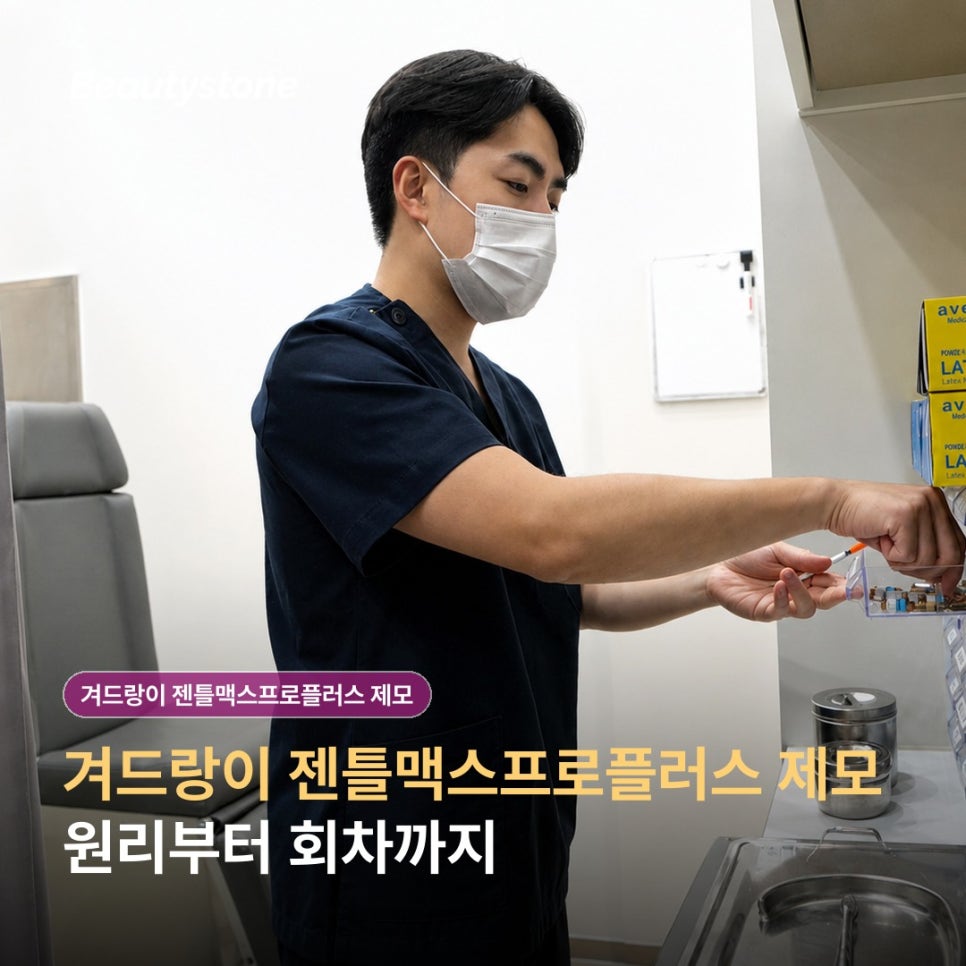
Hello.
I’m Ha-won Kim from Beauty’s Doctor.
As summer approaches
or you start wearing short sleeves more often,
underarm hair management
may require more attention than usual.
Repeated shaving and waxing
can place a burden on the skin,
and the stubble that quickly grows back
may lead you to look into laser hair removal.
Today, I’ll explain how underarm hair removal works,
why multiple sessions and intervals are needed,
and what to look for after the procedure.
3-Line Summary
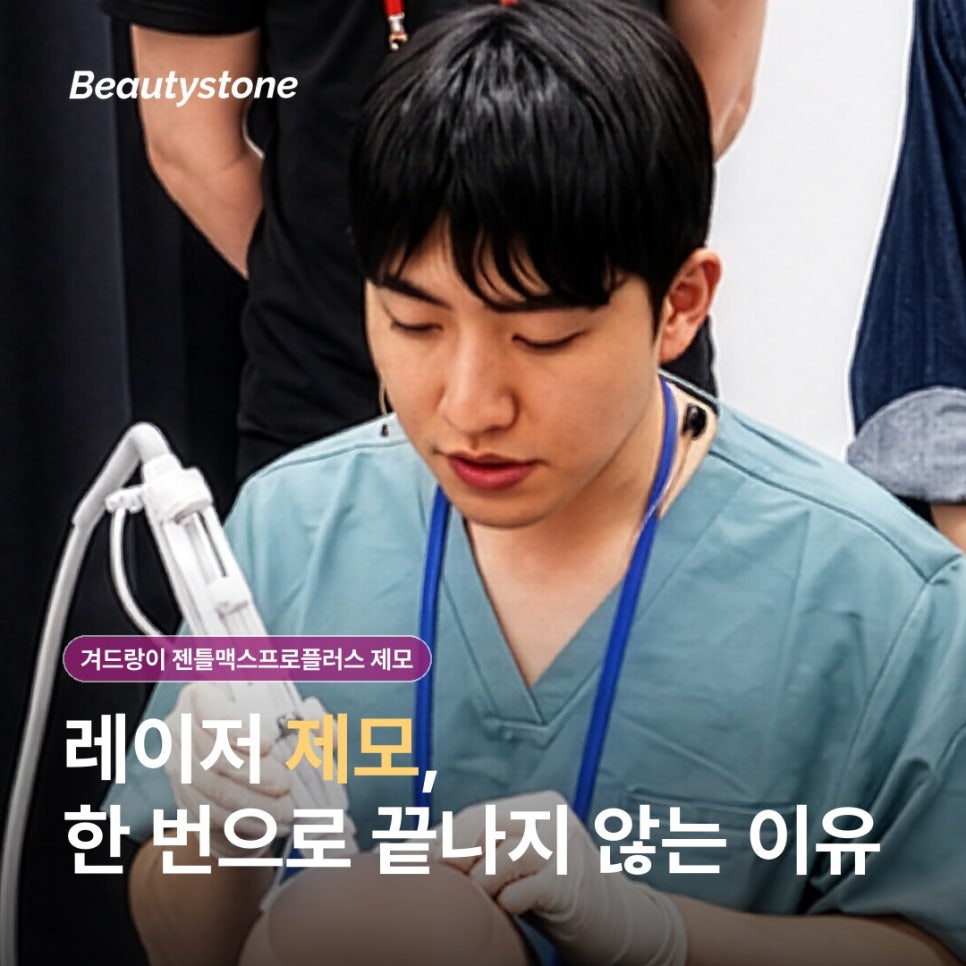
1 Laser hair removal works by delivering heat around the hair follicle
through energy that reacts with the pigment in the hair.
2 Because each hair is in a different stage of growth,
multiple treatments may be performed at regular intervals.
3 After the procedure, reduce irritation,
and seek an evaluation if blisters or intense heat sensations persist.
How does it
work?
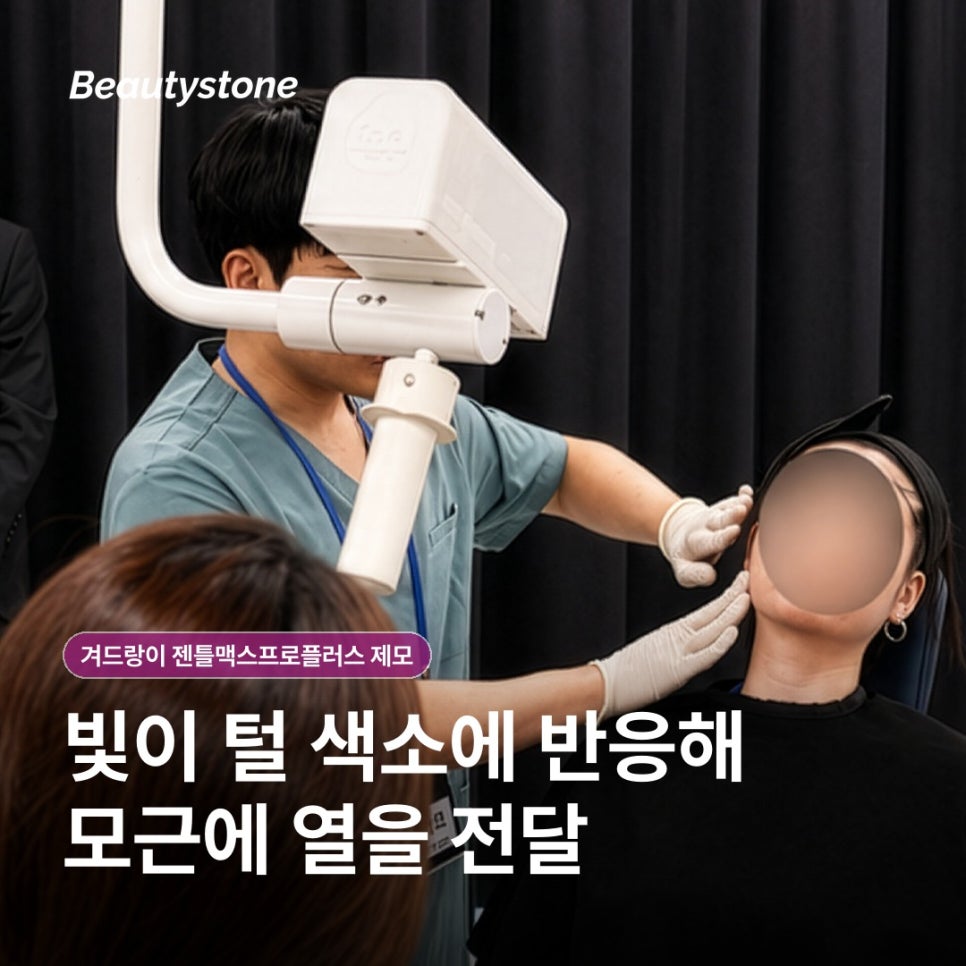
Underarm hair removal
is a laser hair removal procedure
in which light energy is absorbed by the pigment in the hair
and delivers heat around the hair follicle.
This process is used to influence
the thickness or growth rate
of hair that grows afterward.
However, the timing and degree of the response
may vary depending on the hair’s color and thickness
as well as the condition of the skin.
Hair with light pigment or hair that is very fine
may show changes more slowly.
Rather than expecting complete removal from the beginning,
it is more natural to observe how the hair changes.
Why is the treatment
divided into multiple sessions?
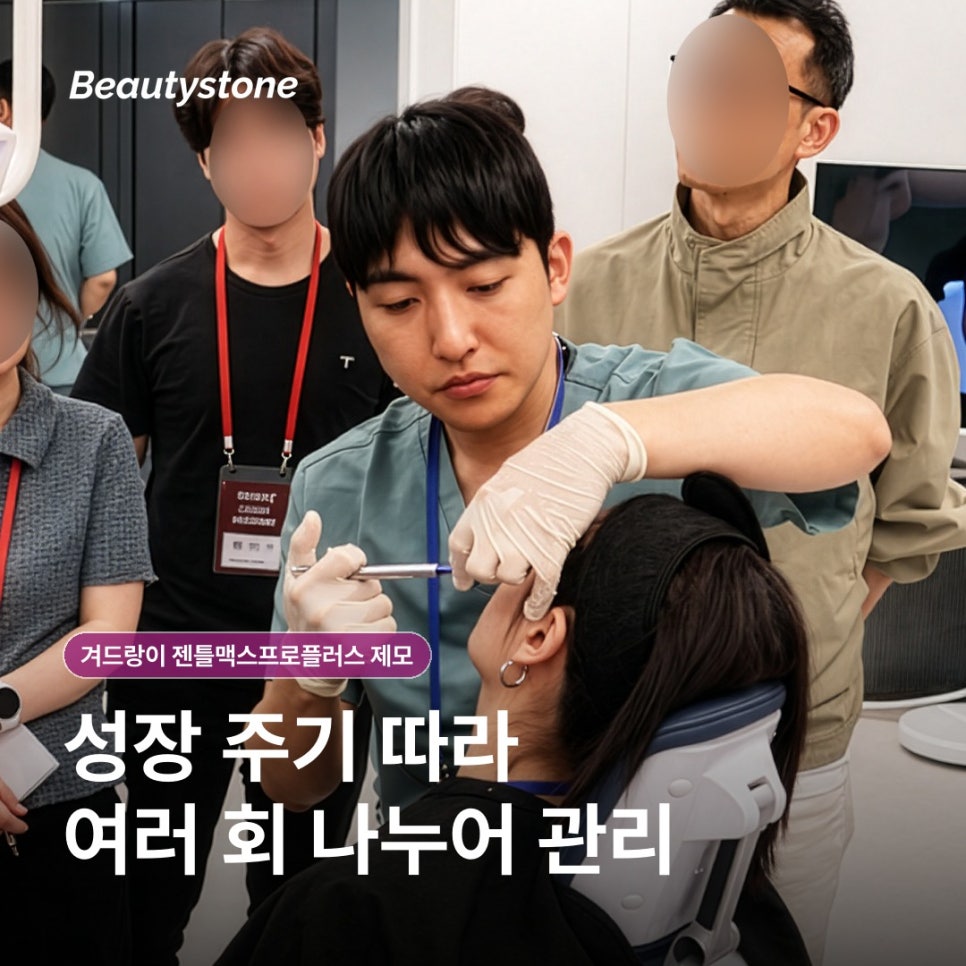
Not all hairs
are growing at the same time.
They grow according to different cycles,
passing through the growth, regression, and resting phases.
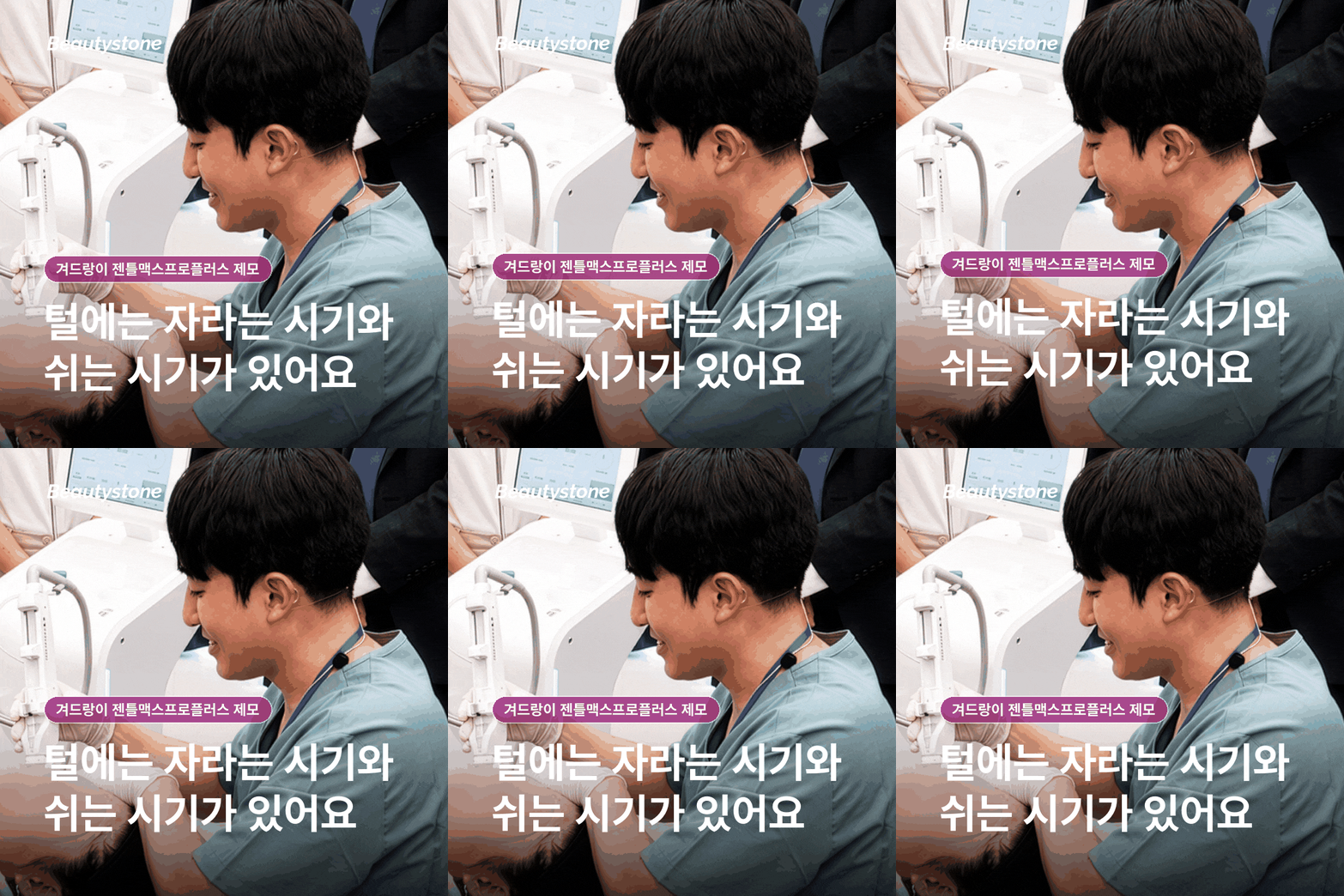
Because lasers generally respond to hairs
that are in the growth phase,
it is difficult to treat all hairs uniformly
with just one procedure.
It is similar to how grass
does not all grow to the same height at once.
Therefore, underarm hair removal
is less about finishing in one or two sessions
and more about continuing treatment at regular intervals
while checking the response.
The number of sessions and intervals needed
may vary depending on hair density and thickness,
previous hair removal history,
and the skin’s response.
How is the procedure
performed?
First, the condition of the underarm skin
and hair is assessed.
Before the procedure, the hair is trimmed short,
after which the laser is applied to the area.
Because the underarms are a relatively small area,
the procedure usually does not take long,
but you may feel brief stinging or heat
when the laser is applied.
If you are planning underarm hair removal,
you may be advised to avoid waxing or using tweezers
that pull the hair out from the root before the procedure.
It is best to follow the medical institution’s instructions
regarding when to shave and how to prepare.
How should you care for the area
after the procedure?

Immediately after the procedure, the underarms may become red
or feel hot and sensitive.
This usually settles over time,
but the recovery speed may vary from person to person.
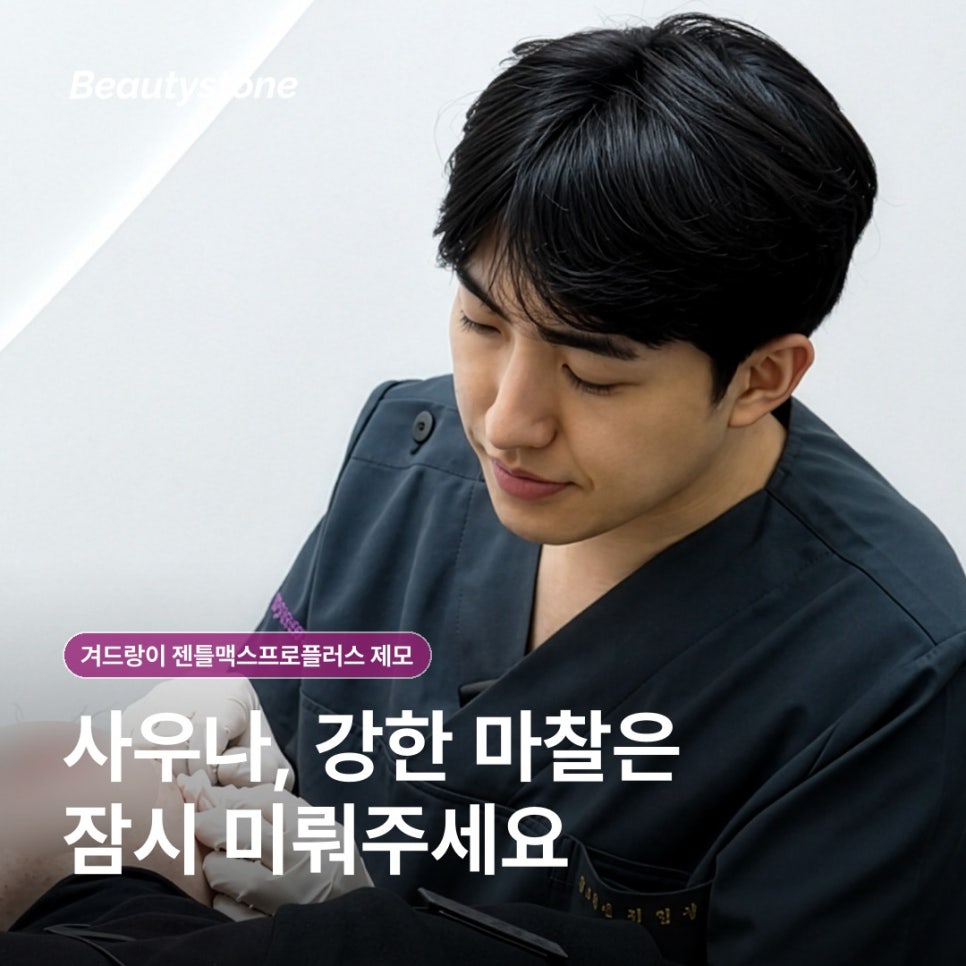
During this period, it is best to temporarily avoid
hot saunas, heated baths, and strenuous exercise.
Because the underarms often experience friction
between clothing and skin,
wearing breathable clothing may also help.
It is better to avoid irritating deodorants or scrub products
until the skin has calmed down.
Rather than rubbing the treated area vigorously,
care for it with gentle moisturization.
Which reactions
should be checked again?
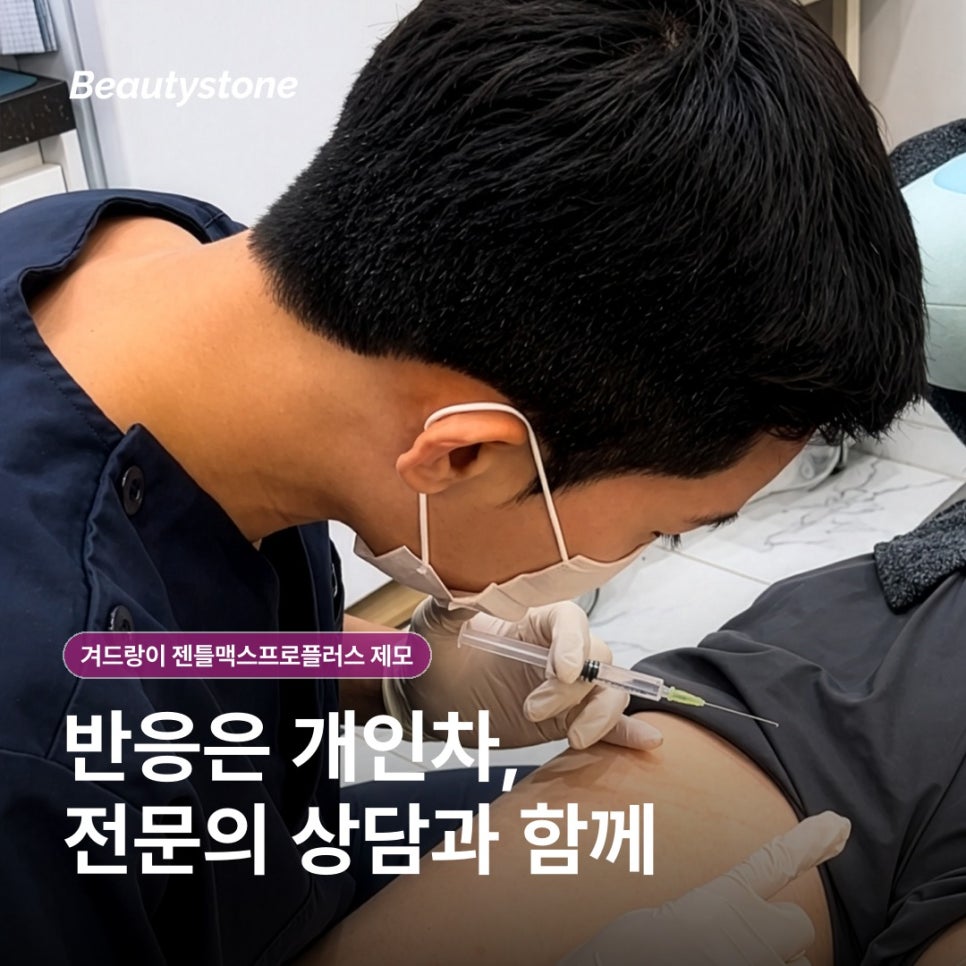
Mild redness and heat
may occur during the early stages.
However, if pain or heat becomes more severe over time,
or if blisters, oozing, severe swelling,
or persistent changes in skin color appear,
it is better to contact the medical institution
where you received the procedure
rather than making your own judgment and waiting.
If one side becomes noticeably more swollen after the procedure
or the skin appears to be peeling,
it is also necessary to have the current condition checked.
In conclusion
Underarm hair removal
is a treatment approach that considers the hair growth cycle
and monitors the process while allowing intervals between sessions.
Even when the same device is used,
the response may vary depending on the condition of the skin and hair.
Rather than simply following the recommended number of sessions,
it is important to assess your current condition
and decide on the appropriate range and intervals
together with a medical professional.
Frequently Asked Questions
Q. How many sessions will I need?
The number of sessions needed
may vary depending on the hair growth cycle,
thickness, and density.
Rather than deciding on a fixed number in advance,
it is better to plan while checking the response.
Q. Does it hurt a lot?
You may feel a stinging sensation
or brief heat when the laser is applied.
The sensation may vary depending on the condition of the skin
and individual sensitivity.
Q. Can I return to my daily activities immediately after the procedure?
Generally, yes,
but redness and sensitivity may remain.
It is best to avoid saunas and strong friction
and monitor whether the skin is calming down.
Thank you for reading today.
This has been Ha-won Kim from Beauty’s Doctor.