Hello.
I’m Kim Ha-won from 뷰티스닥터.
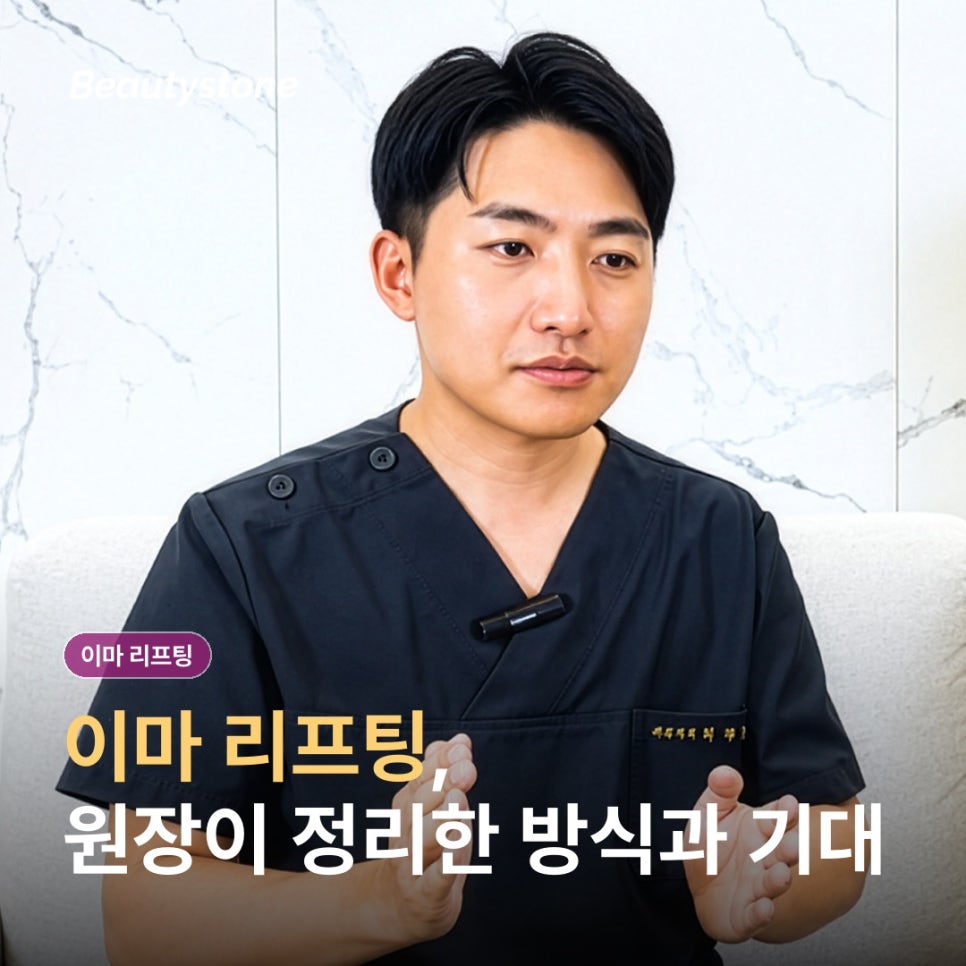
Have you ever gently lifted your forehead
with your hand while looking in the mirror?
If your eyebrows feel heavier than before
or your forehead line looks different,
you may naturally start looking into forehead lifting.
However, this area can be affected not only by sagging skin,
but also by the position of the eyebrows, muscle use,
skin thickness, and facial structure.
Rather than choosing a method first,
it is important to look into why it appears that way.
3-Line Summary
-
Forehead lifting can be divided into methods using ultrasound, radiofrequency, or threads.
-
The suitable method and the extent of change depend on your current condition and desired outcome.
-
If pain or changes in sensation become severe after the procedure, do not endure it—contact a medical institution for confirmation.
How Are the Methods Classified?
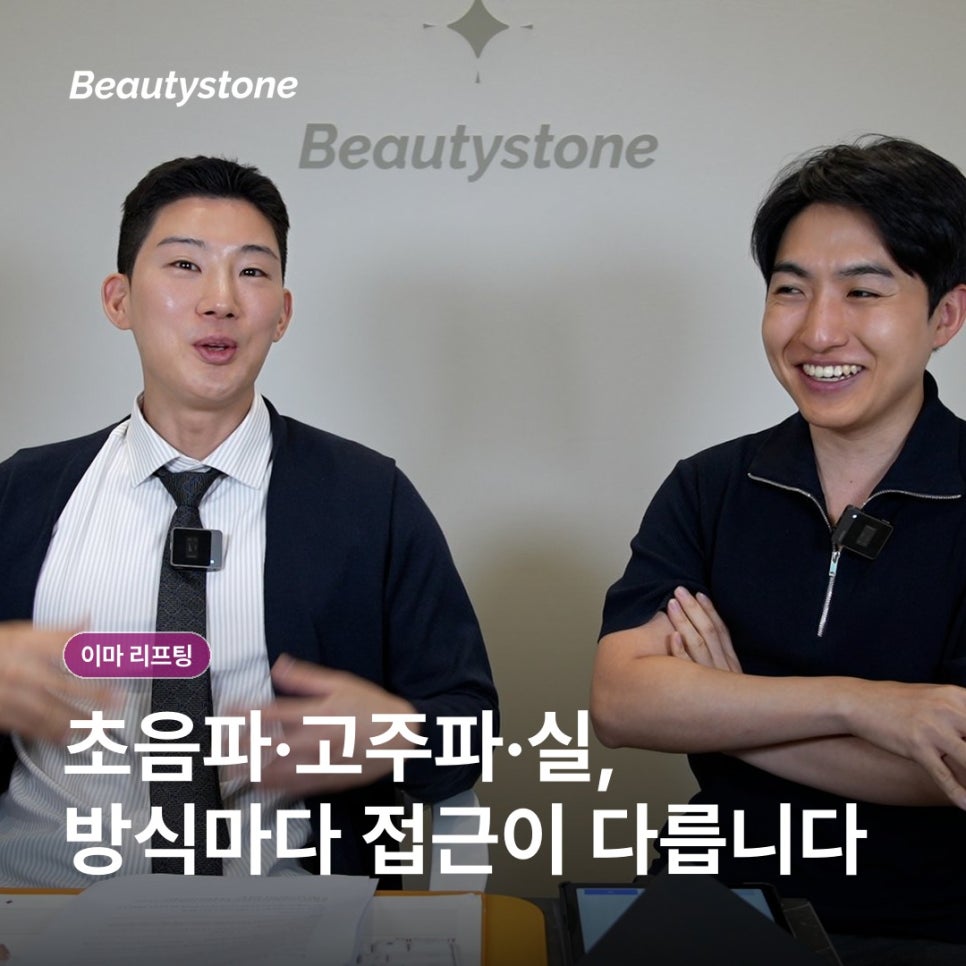
Ultrasound methods deliver energy
to a predetermined depth within the skin.
Radiofrequency methods create a thermal response in the tissue,
with changes observed over time.
Thread-based methods physically support the tissue
with inserted threads.
Because each method has a different principle and recovery process,
it is difficult to say that one is better for everyone.
The direction should be determined by examining
the thickness and degree of sagging in the forehead,
as well as the relationship between the eyebrows and eyelids.
The First Thing to Check Is
the Cause of the Sagging
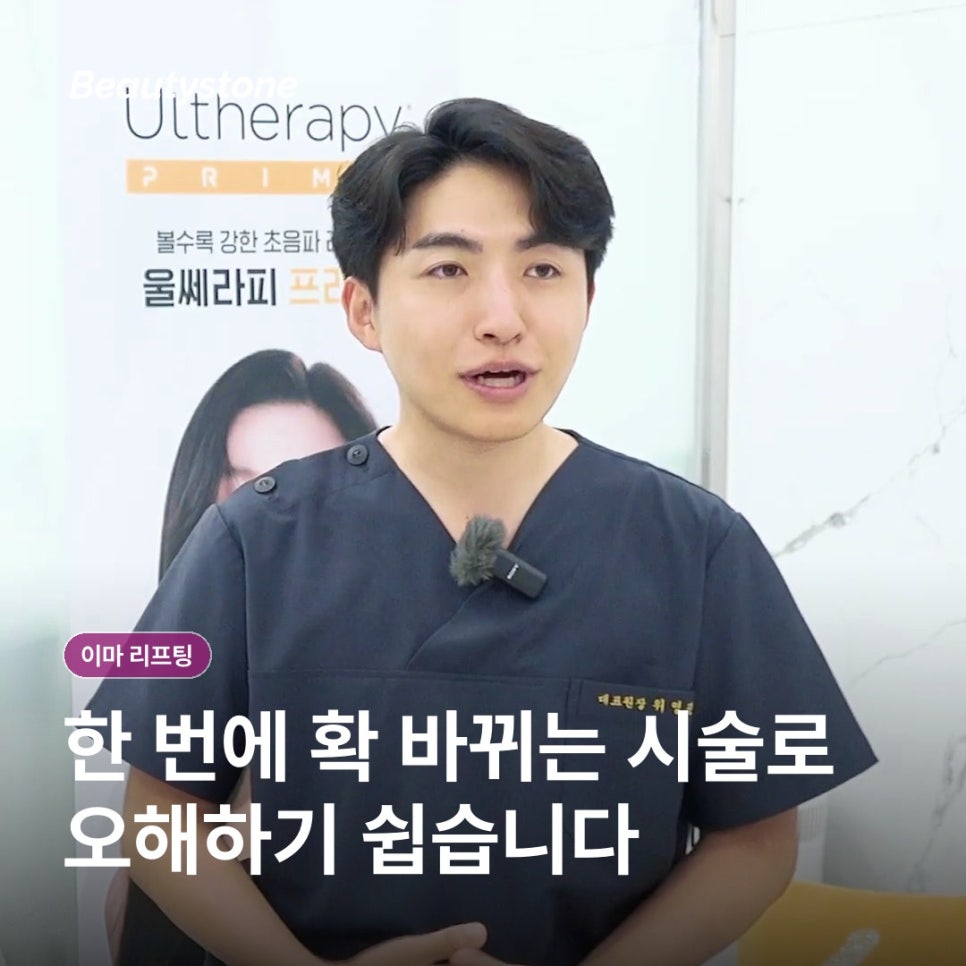
A forehead that looks heavy or stuffy
is not always a problem of skin elasticity alone.
The position of the eyebrows may have become lower,
or habits involving frequent use of the forehead muscles
and heaviness in the upper eyelids may also have an effect.
Therefore, when considering forehead lifting,
it is more natural to examine not only the forehead itself,
but also the movement of the eyebrows and eye area.
If you decide on intensity or frequency without distinguishing the cause,
the actual change may feel different from what you had hoped for.
How Should You Set Realistic Expectations?
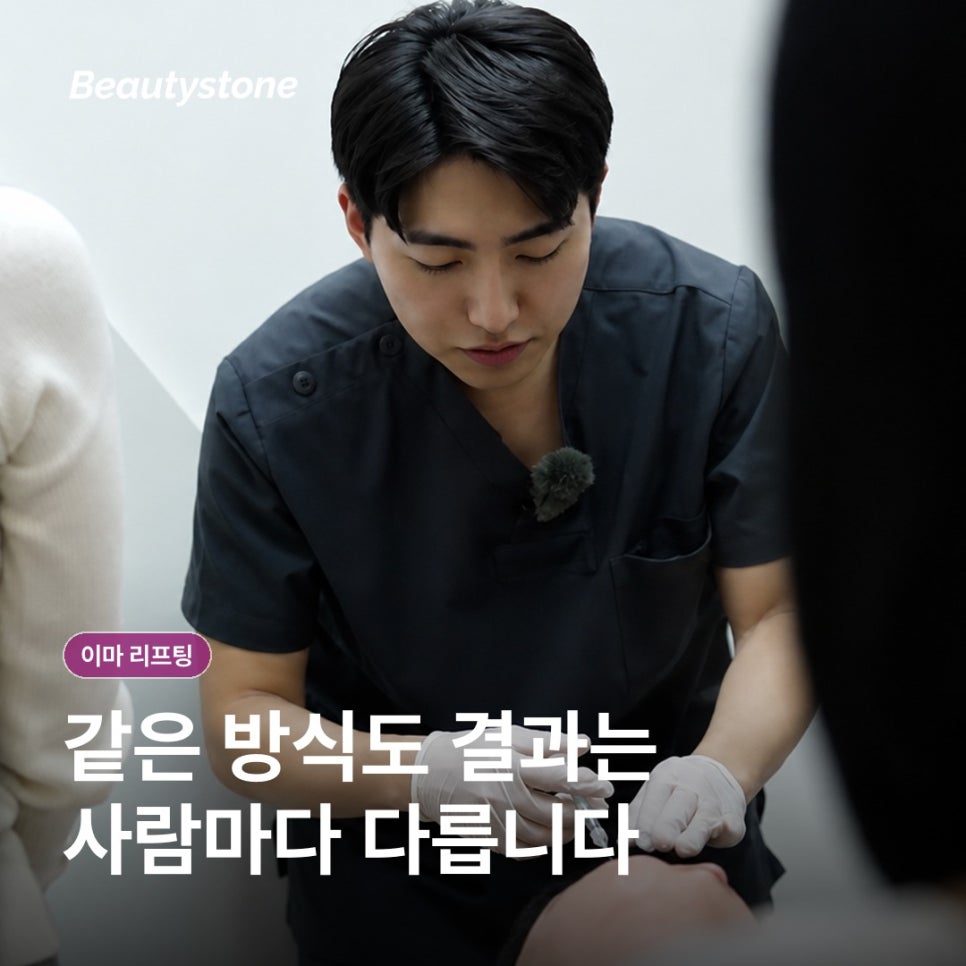
Non-surgical approaches are generally better understood
as gradually refining elasticity and contours,
rather than producing a dramatic change in facial appearance.
Even when the same method is used,
the noticeable degree of change may vary depending on
skin thickness, age, lifestyle habits, and previous procedures.
Swelling or tightness immediately after the procedure
should not necessarily be regarded as the final result.
Rather than relying on other people’s reviews,
it is important to confirm what is possible for your own condition.
What Reactions May Occur
After the Procedure?
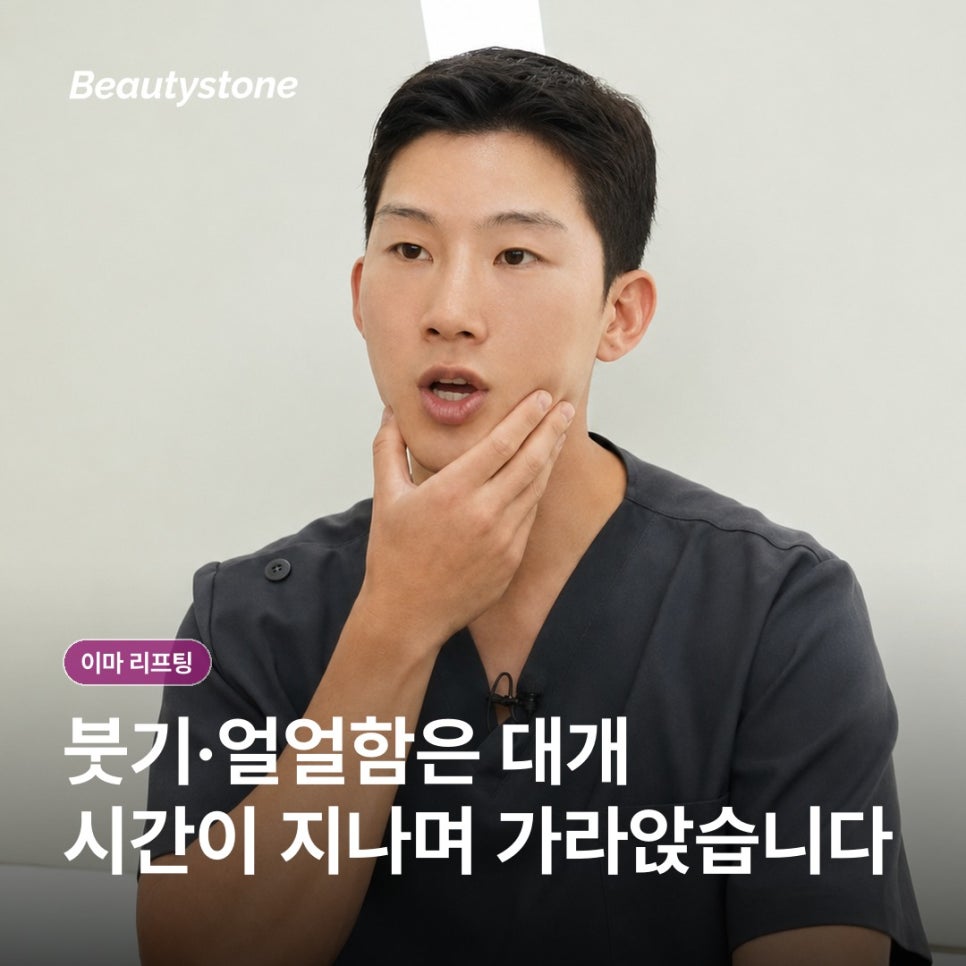
After energy-based equipment is used,
redness, swelling, tingling, or discomfort when pressed
may occur.
With thread-based procedures,
bruising, a pulling sensation,
or temporary awkwardness when making facial expressions
may be felt.
Reactions after forehead lifting
vary depending on the method and treatment area.
Do not rub or massage the treated area forcefully,
and it is advisable to avoid activities that concentrate heat,
such as saunas and heated rooms, during the period specified in your instructions.
Which Signs Should Be Checked Again?
Observe whether mild swelling and tingling
gradually decrease.
If pain continues to worsen or sensation becomes dull,
if your facial expressions become uneven,
or if severe swelling persists for a long time,
contact the medical institution where you received the procedure
rather than waiting.
You should also seek confirmation if your skin color changes
or if discharge and a feeling of heat occur together.
What Should You Ask During a Consultation?
Ask why your forehead currently looks heavy or stuffy
and what supports the recommended method.
It is also helpful to ask about
the expected range of change,
reactions that may occur during recovery,
activities to avoid,
and how to make inquiries after the procedure.
If you have recently received procedures around your eyes or forehead,
or are taking any medication, be sure to mention this in advance.
In Closing
Ultimately, forehead lifting is difficult to decide on
based on the name of the method alone.
You should consider the skin and the position of the eyebrows,
facial movements, and your desired outcome together.
Rather than expecting a major change all at once,
confirm what is possible for your current condition
and calmly choose the necessary approach.
This can help reduce the burden.
Frequently Asked Questions
Q. Is one session enough?
The number of sessions and intervals needed
depend on the selected method and your current condition.
You may also proceed initially, observe the response,
and then decide on the next plan.
Q. What should I do if the pain lasts a long time?
Mild tingling may decrease over time.
If the pain worsens or is accompanied by changes in sensation,
please contact the medical institution where you received the procedure.
Q. Which method is right for me?
It depends on the cause of the sagging, skin thickness,
and the balance between the eyebrows and eye area.
Rather than choosing a method based on an online search,
it is better to compare the options after a medical consultation.
Thank you for reading today.
This has been Kim Ha-won from 뷰티스닥터.