Hello.
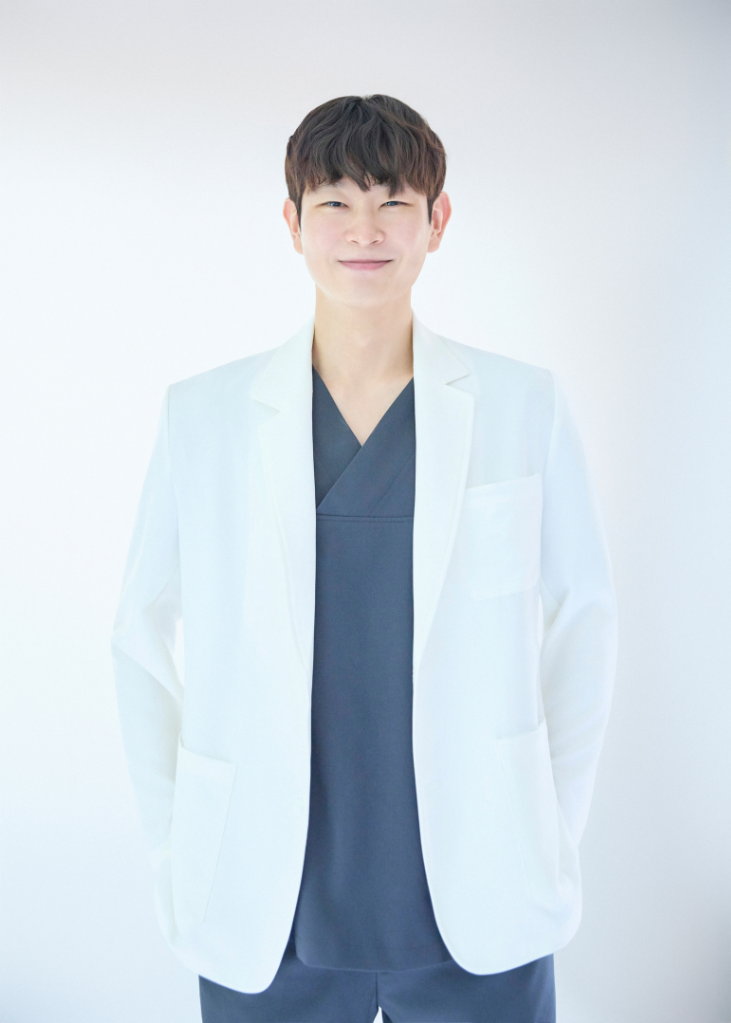
This is Youngjin Wi from 뷰티스닥터.
The pores around your nose or on your cheeks
may look particularly prominent when you look in the mirror.
Even with makeup, it may seem to settle into those areas,
or the pores may become more noticeable as the afternoon goes on.
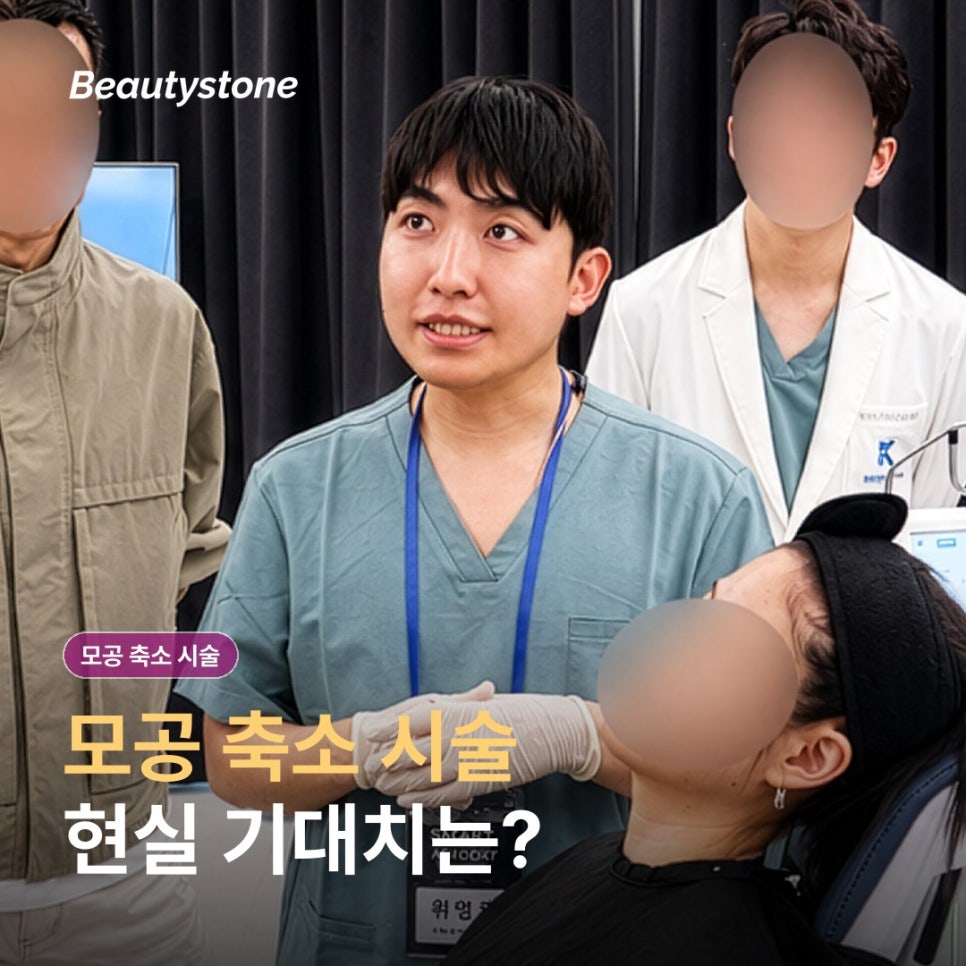
This may lead you to look into pore-reducing treatments,
but pores are a normal part of the skin's structure.
Rather than trying to eliminate them completely,
it is important to look at why they appear enlarged
and manage them so they are less noticeable.
3-Line Summary
1 Pore-reducing treatments focus on refining
the surrounding skin and texture rather than eliminating pores.
2 The plan may vary depending on how much
sebum, dead skin cells, and reduced elasticity are involved.
3 Even after treatment, care such as sun protection and moisturizing,
as well as reducing excessive friction, is needed.
Why do pores look enlarged?
Pores are structures that allow sebum to reach the surface of the skin,
so everyone has them.
They may look larger when sebum production increases
or dead skin cells build up around the openings.
When skin elasticity decreases
and the support around the pores weakens,
round pores may become elongated downward
and more noticeable.
Sun exposure and dryness,
as well as repeated friction, may also have an effect.
Often, several factors overlap
rather than just one cause being involved.
How are sebum-related pores different from elasticity-related pores?
If round pores appear clustered in oilier areas
such as the nose and forehead,
the effects of sebum and dead skin cells can be considered first.
If pores appear elongated mainly on the cheeks,
reduced elasticity may be having a greater effect.
Even on the same face,
the causes around the nose and cheeks may differ.
Therefore, rather than treating the entire face in one way,
it is necessary to assess the condition of each area separately.
How are pore-reducing treatments approached?
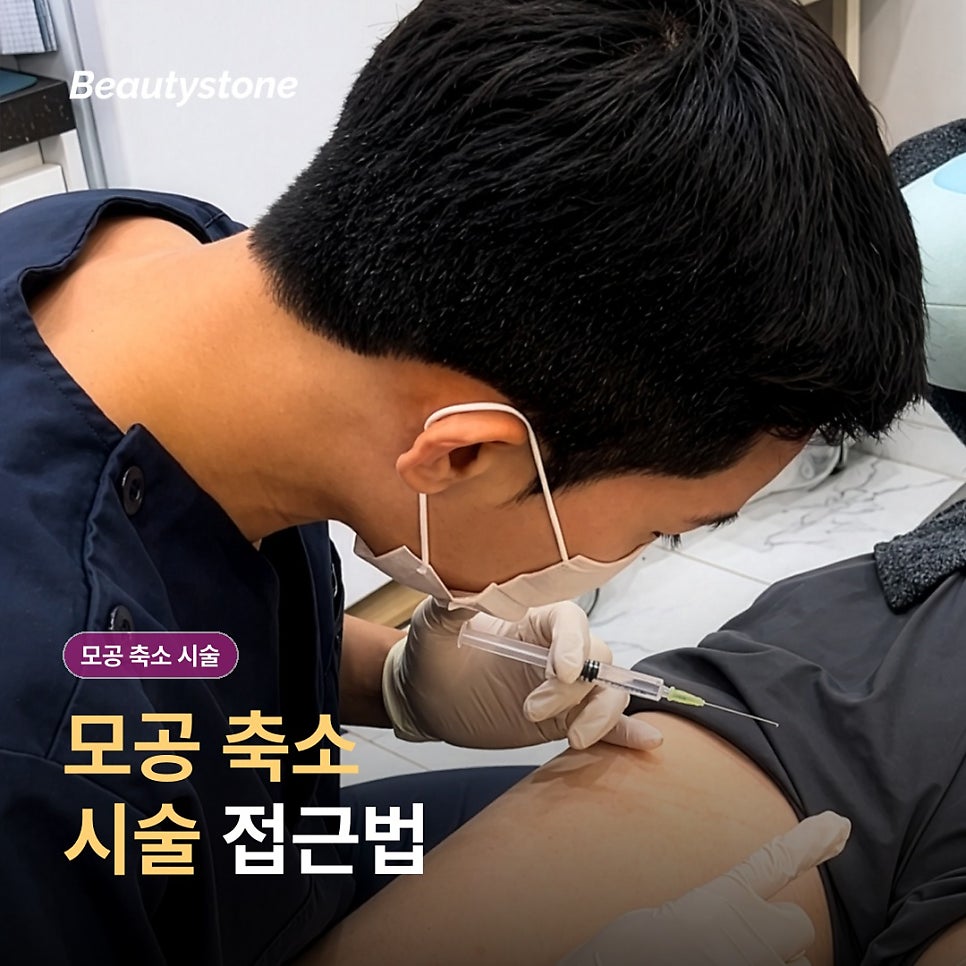
If sebum and dead skin cells are the main causes,
we may consider an approach that gently refines the pore openings.
If reduced elasticity is also present,
an approach that considers the skin's remodeling response
may be needed.
However, a particular device or intensity
will not suit every skin type in the same way.
It is also necessary to check whether the skin is thin or sensitive,
and whether acne and redness are present as well.
Rather than proceeding aggressively all at once,
treatment is often divided into sessions while monitoring the skin's response.
The point at which changes are noticed and the number of sessions needed
may vary depending on the cause of the pores and the condition of the skin.
How should you set realistic expectations?

Because pores are part of the skin's structure,
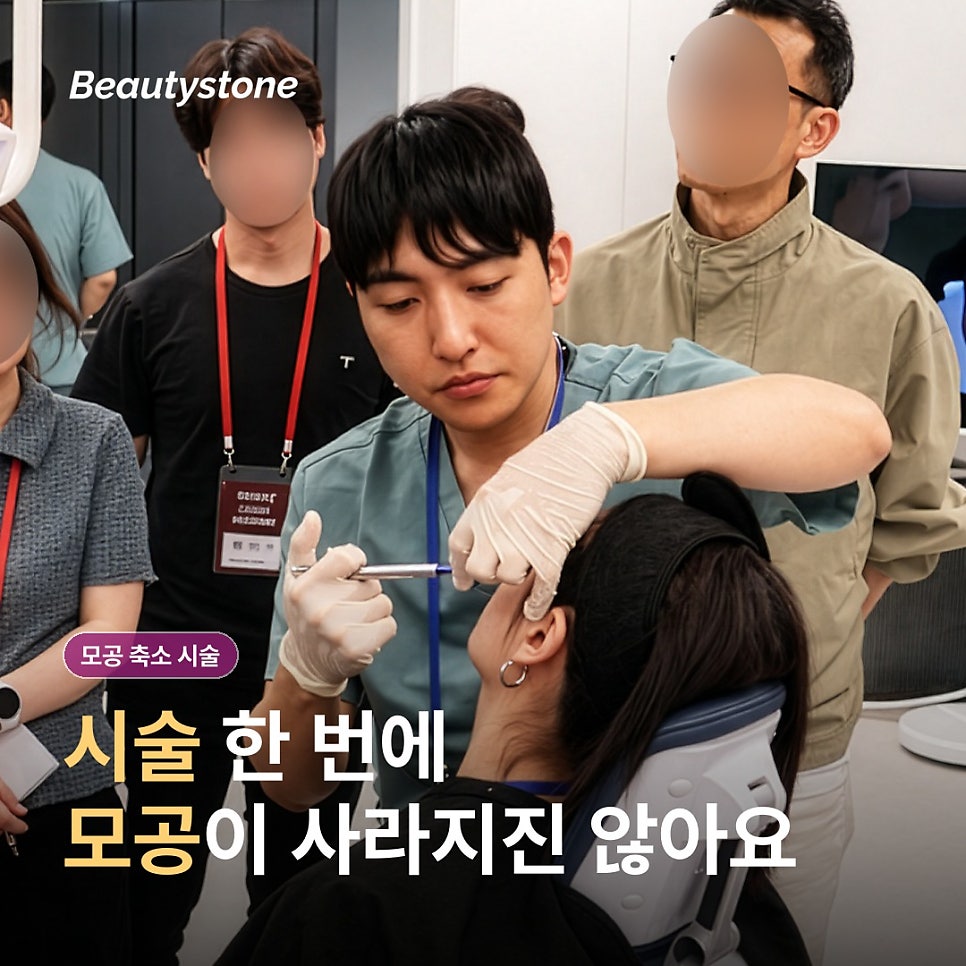
it is difficult to say that they will disappear completely after treatment.
A realistic goal is for pores that appeared enlarged
to look slightly less prominent,
with the skin texture appearing more refined than before.
Swelling or dryness immediately after treatment
may temporarily make the texture look different.
Rather than judging by how the skin looks on the day of treatment,
it is important to observe how it progresses after the skin has settled.
It is more important to assess the changes possible for your current skin
than to focus on how many sessions someone else had.
Home care should continue as well
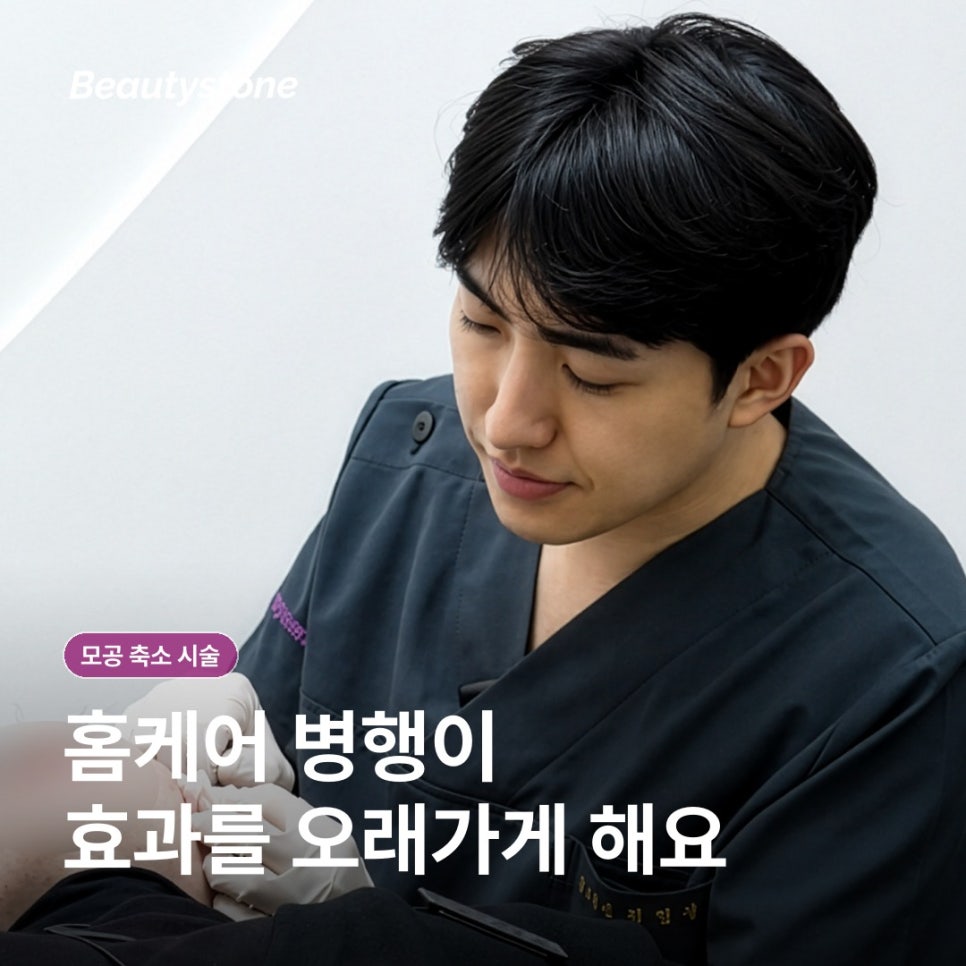
Please avoid washing your face excessively
or repeatedly using harsh scrubs because you have oily skin.
When the skin becomes dry and sensitive,
oiliness and dead skin cells may feel more bothersome.
It is better to maintain the skin's moisture and oil balance
with gentle cleansing and sufficient moisturizing.
Since ultraviolet exposure may contribute to reduced skin elasticity,
remember to use sun protection when going outdoors.
If you use products for exfoliation,
rather than adding several products at once,
it is better to introduce them gradually while monitoring your skin's response.
What reactions should be checked again?
Redness and a feeling of heat,
as well as mild swelling, may occur after treatment.
They generally decrease over time,
but if pain and heat become progressively worse,
confirmation is needed.
If blisters or oozing, severe scabbing,
or changes in skin color persist for a long time,
rather than waiting based on your own judgment,
it is better to contact the medical institution where you received treatment.
To wrap up
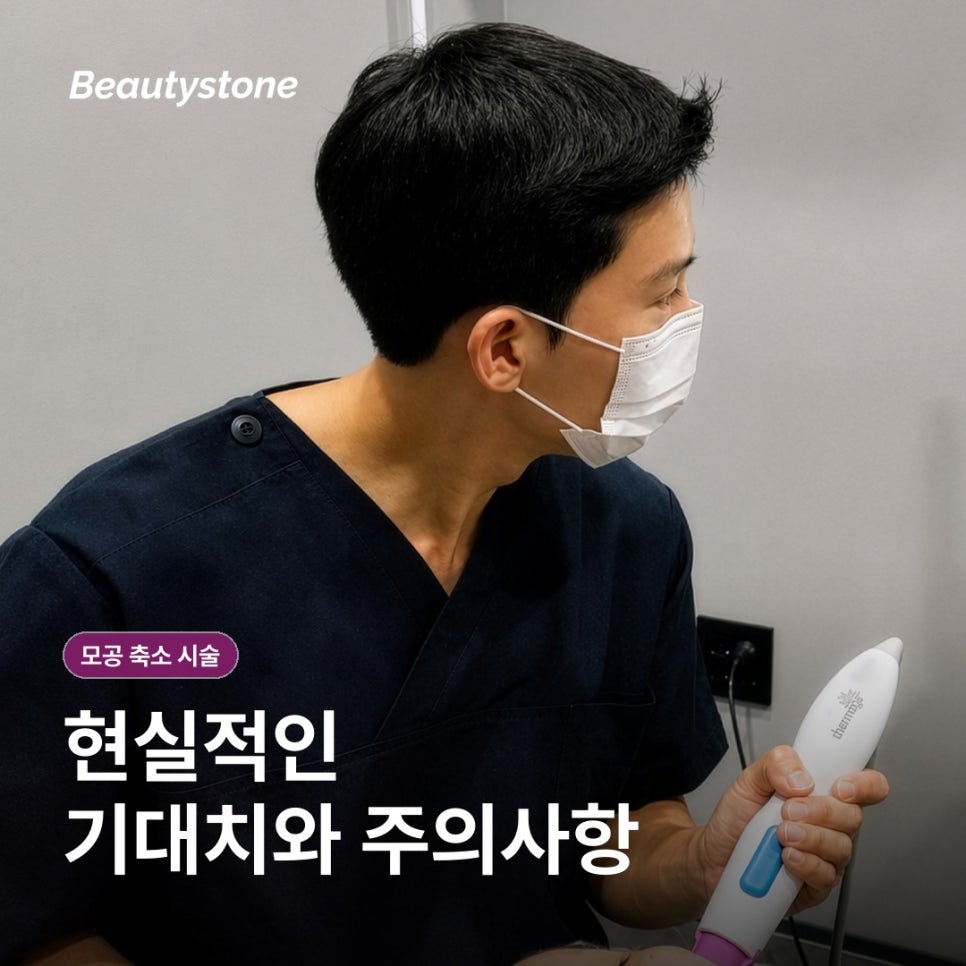
Ultimately, pore-reducing treatment
is not something decided based only on pore size.
The first step is to consider sebum and dead skin cells,
as well as skin elasticity and sensitivity.
Rather than trying to eliminate pores all at once,
choosing an approach and intensity suited to your current condition
and continuing with consistent home care
can help reduce the burden.
Frequently Asked Questions
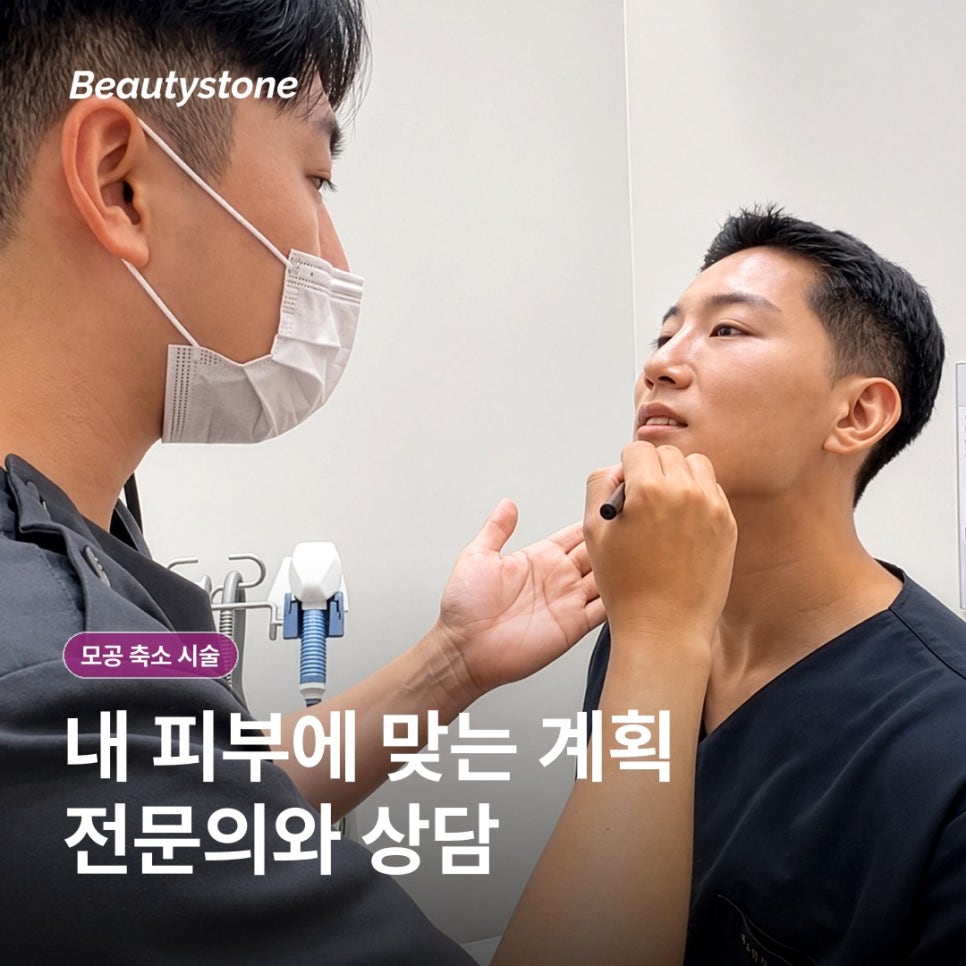
Q. Do pores disappear completely after pore-reducing treatment?
Pores are a normal part of the skin's structure,
so the concept is not to eliminate them completely.
The approach is to refine the surrounding skin and texture
so that the pores look less prominent.
Q. How many sessions are usually needed?
The number of sessions and the intervals between them
may vary depending on the condition of sebum production and skin elasticity.
After checking the response to one session,
the plan for the next session may be adjusted.
Q. Can home care alone also help?
Sun protection and moisturizing,
along with reducing excessive cleansing and friction, are important.
However, pores that already appear enlarged
may not improve sufficiently with home care alone,
so it is better to assess your current skin condition
before deciding on a care plan.
Thank you for reading today.
This has been Hawon Kim from 뷰티스닥터.