Hello.
I’m Kim Ga-eul from 뷰티스닥터.
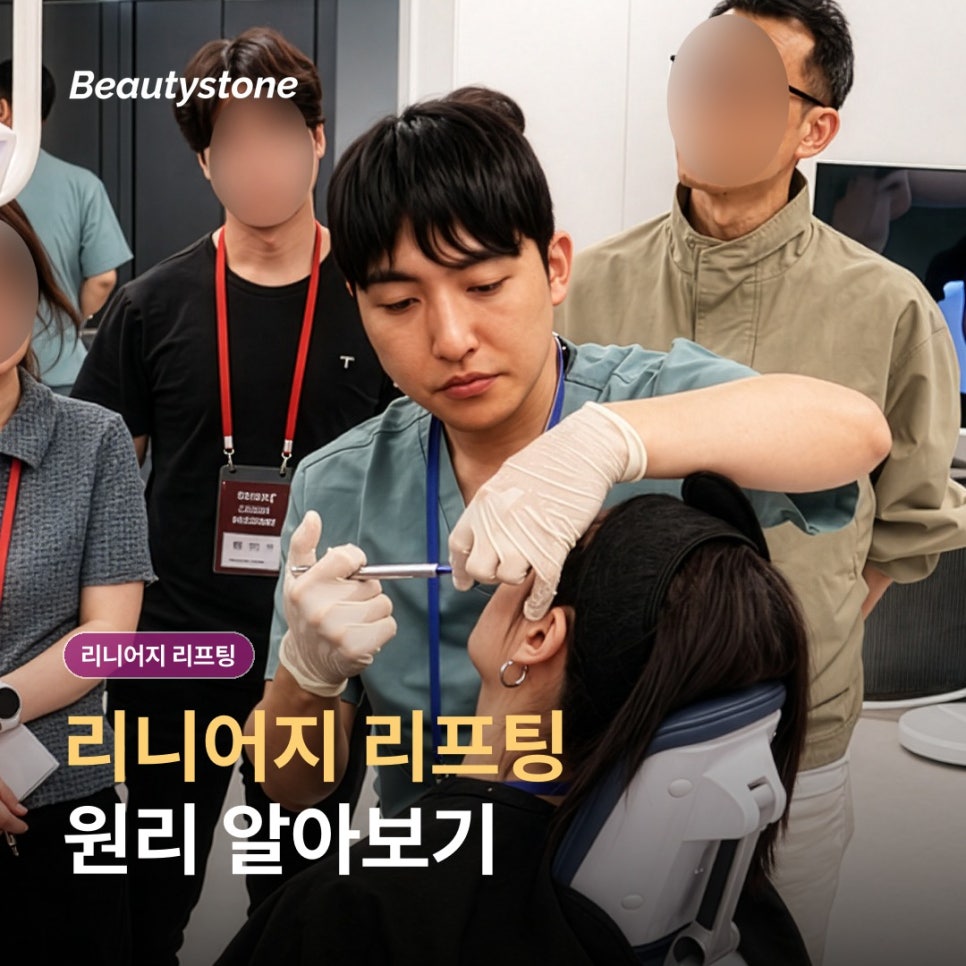
When you first hear the name Linearage lifting,
you may wonder
how it differs from conventional ultrasound procedures
and how much time
is needed for recovery.
However, the approach may vary depending on skin thickness,
fat volume,
and the location of reduced elasticity.
Today, I’ll calmly review everything from the principles
to the points to check before the procedure,
the recovery process, and aftercare methods.
3-Line Summary

- Linearage lifting uses focused ultrasound energy
to form thermal coagulation points in the tissue
by delivering energy to a predetermined depth.
- Sensations during the procedure
and recovery speed may vary from person to person
depending on skin condition, the treatment area,
and energy settings.
- Since this procedure is not necessary for everyone,
its suitability should be determined through a consultation
after reviewing your recent procedure history
and current skin condition.
- How Is Ultrasound Energy Delivered?
Linearage lifting uses focused ultrasound
and is designed to deliver energy
to a predetermined skin depth
by selecting either linear mode or dot mode.
Imagine drawing dots or lines on a sheet of paper.
This can make it easier to understand
the difference between the two delivery methods.
When concentrated energy is delivered
to the target area within the skin,
localized thermal coagulation is created,
after which the tissue’s response is observed.
However, the depth and mode to be used
depend on the treatment area, skin thickness,
and the distribution of subcutaneous fat.
This is precisely why it is difficult
to create a uniform treatment plan
based on the device name alone.
- Settings Matter More Than Sensations During the Procedure
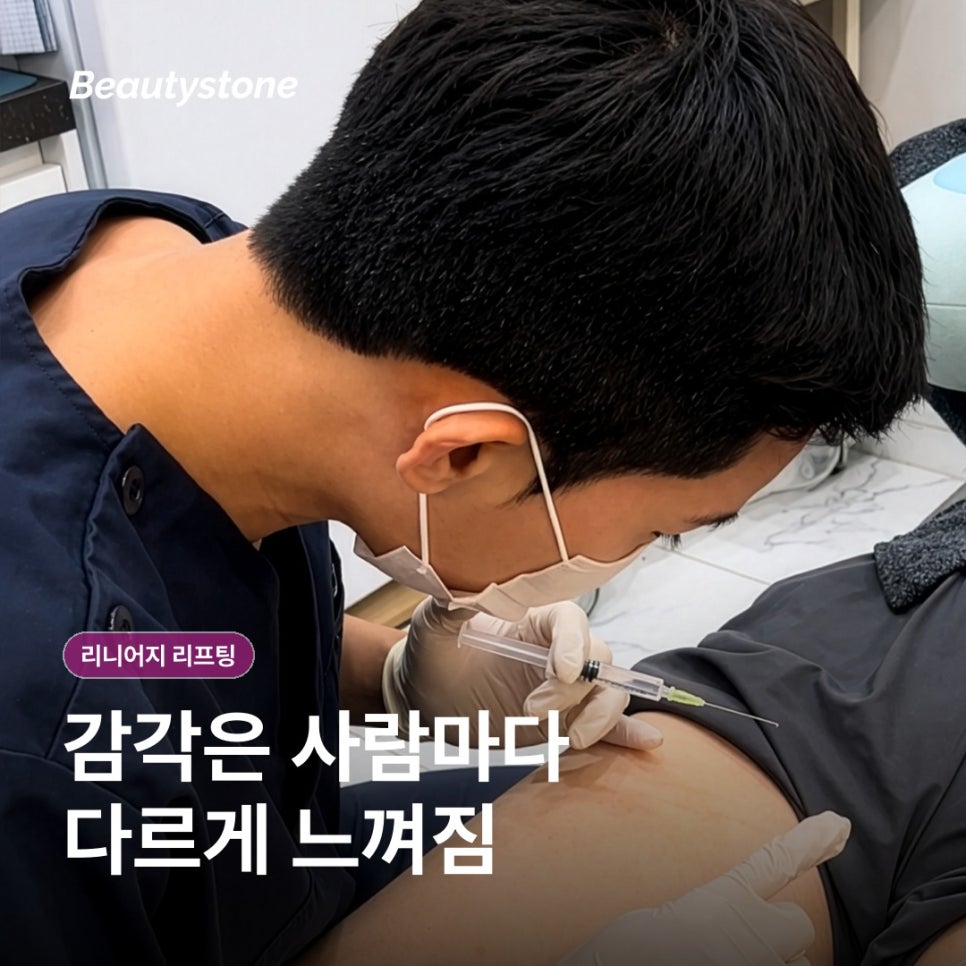
During Linearage lifting,
you may feel prickling, warmth,
or a sensation of pressure from within.
Descriptions of pain vary from person to person,
and even for the same person,
the perceived intensity may differ
depending on the treatment area.
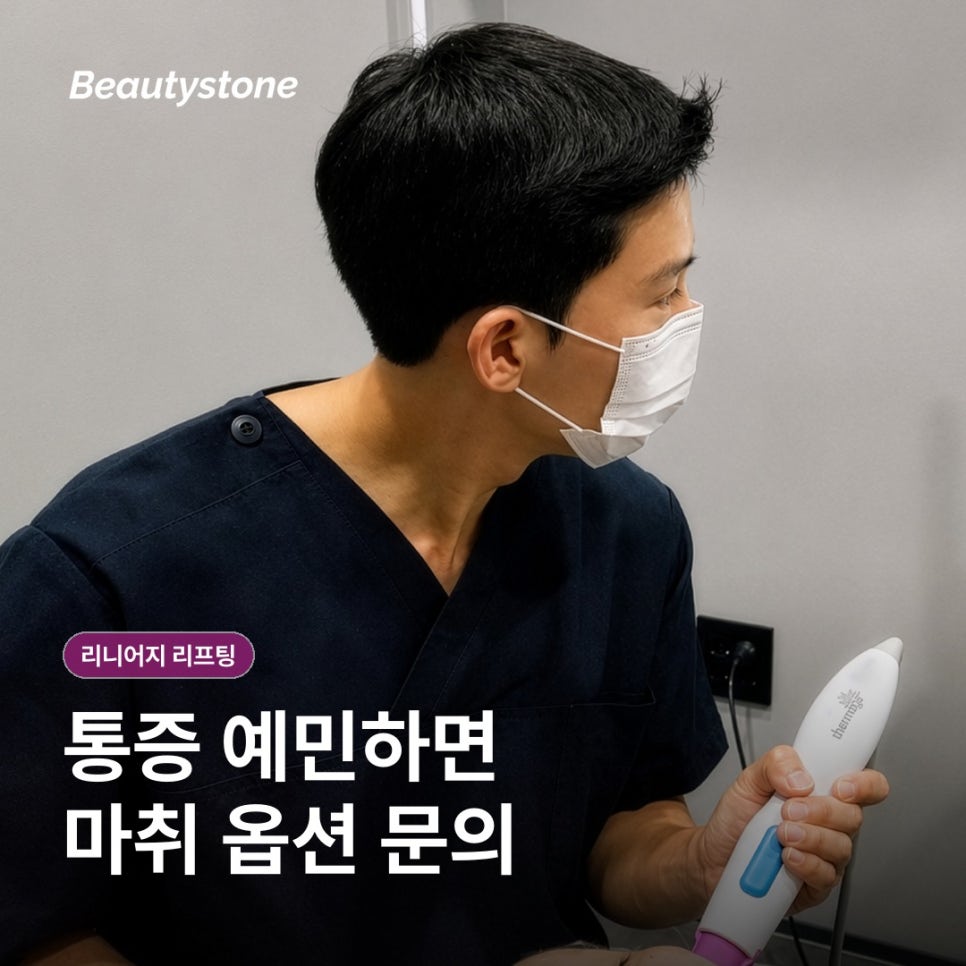
It is easy to assume that a higher intensity
will produce greater changes.
However,
what matters most is setting the energy
within the range the skin can tolerate
and matching it to the target layer.
During your consultation, be sure to provide complete information
about any medications you are taking and any skin conditions,
as well as the timing and areas
of any recent laser treatments, fillers, or thread-lifting procedures.
If you have red inflammation or an open wound,
it is better to examine the skin first
rather than proceed immediately,
and discuss the appropriate timing
with the medical professional.
- What Reactions Should You Watch for During Recovery?
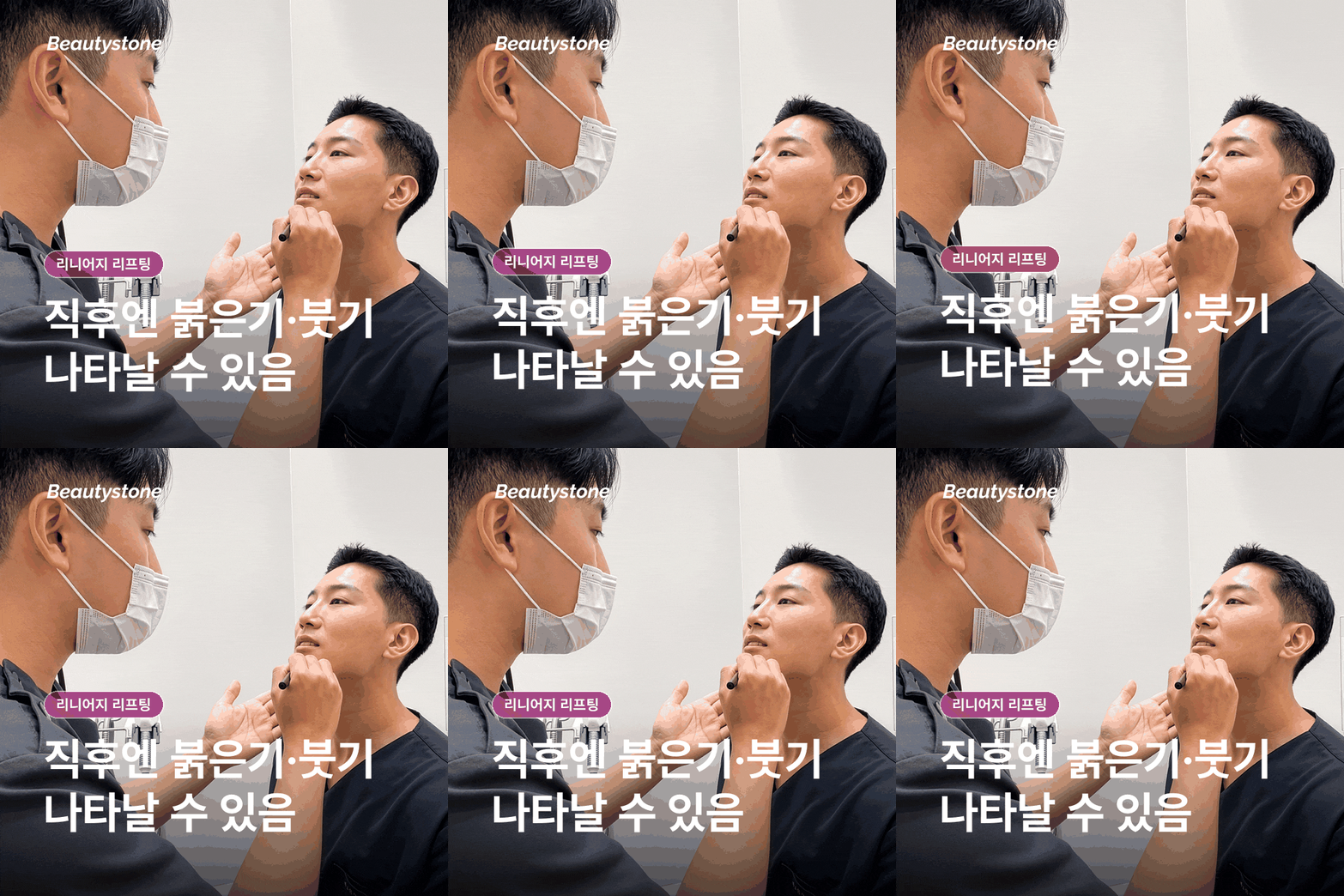
After Linearage lifting,
temporary redness and swelling,
along with discomfort or changes in sensation
that may be felt when the area is pressed,
can occur.
These reactions are generally reported
to be mild and temporary,
but their severity and duration may vary from person to person.
Most importantly, do not overlook
severe pain, blisters,
changes that look like a burn,
or prolonged loss of sensation.
If symptoms that differ from your normal condition persist or worsen,
do not massage the area on your own
or repeatedly apply cold or warm compresses.
Notify the medical institution where you received the procedure
of your current condition and obtain any necessary evaluation;
this is the more cautious approach.
- Keep Post-Procedure Care Simple and Consistent
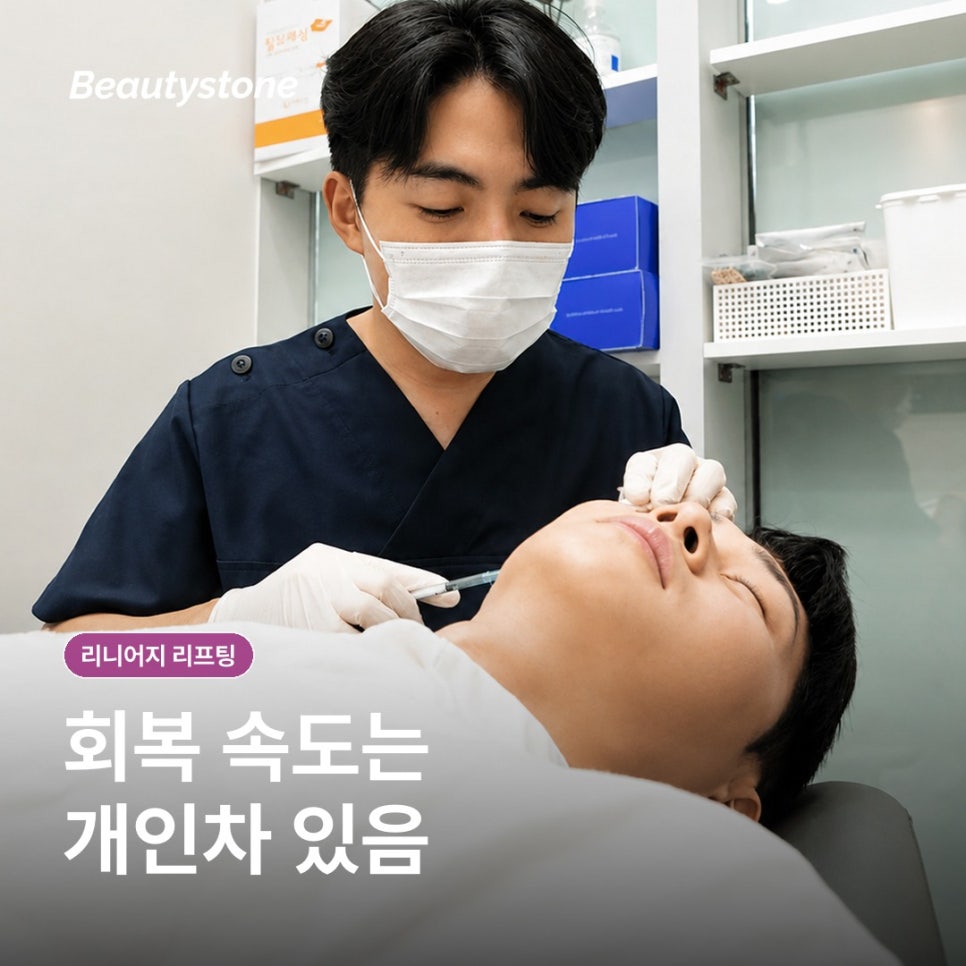
When washing your face,
use lukewarm water gently
without rubbing the skin harshly.
It is also advisable to be more diligent than usual
with moisturizer and sun protection.
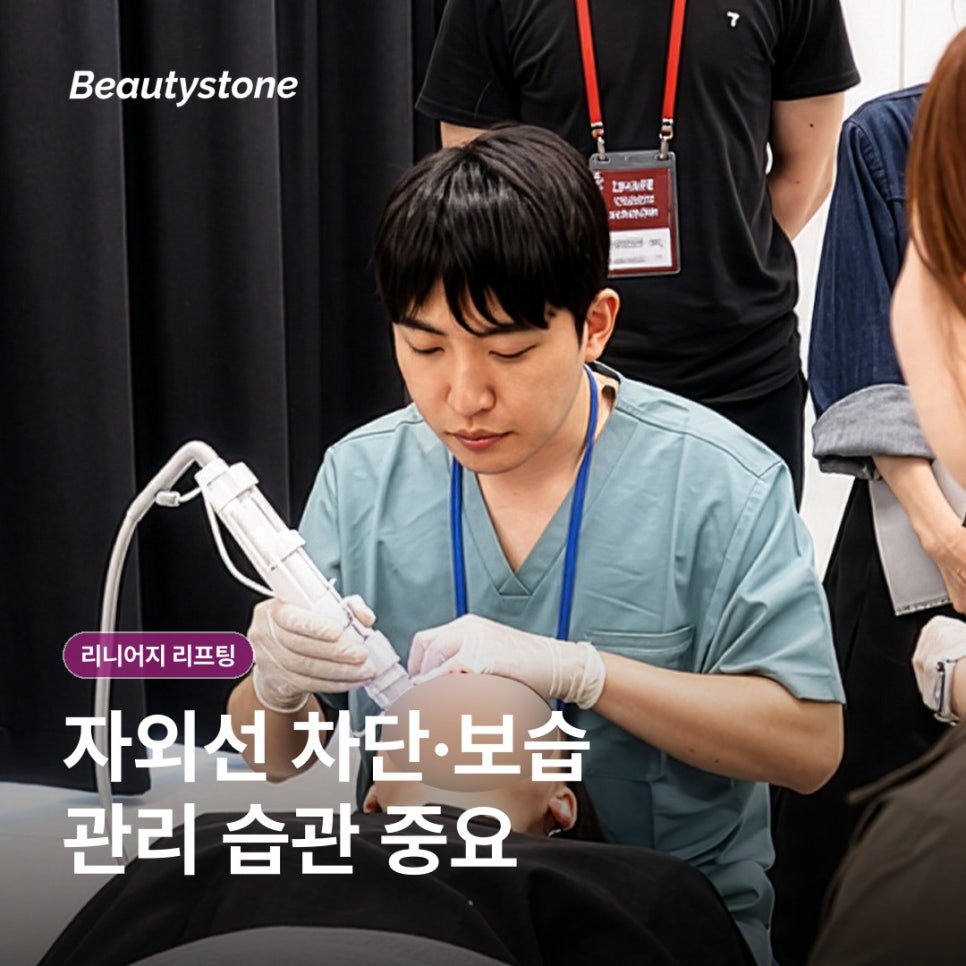
If warmth or sensitivity remains in the skin,
postpone saunas, jjimjilbang visits,
strenuous exercise, and alcohol for a while,
and take a break from scrubs and exfoliating ingredients.
There is no single correct answer for everyone
regarding when to assess changes
or when to schedule the next treatment.
When considering other procedures as well,
rather than undergoing several at once,
first coordinate the order and intervals.
In other words, simply paying attention to the skin condition,
appropriate energy settings,
and monitoring for unusual reactions
will establish the important foundation
for care before and after the procedure.
In Closing
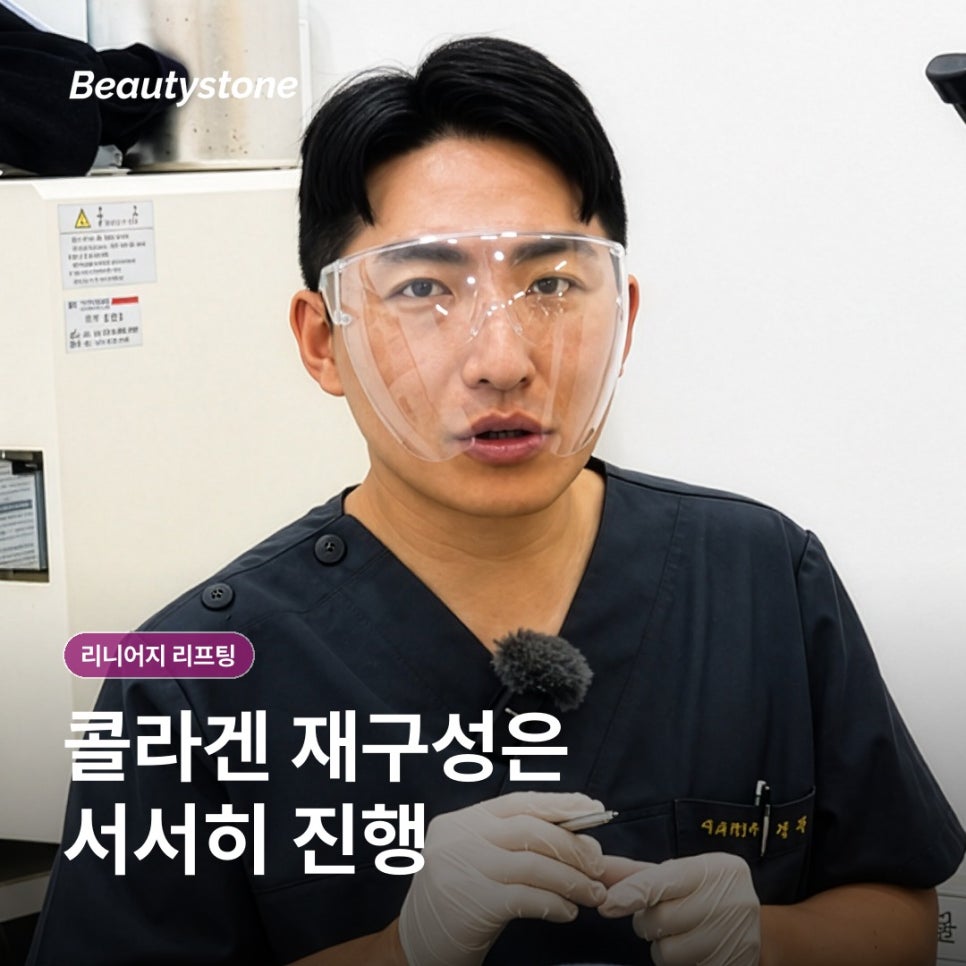
With Linearage lifting, what matters is not how well-known the device is,
but rather which depth and method are used
in accordance with your skin structure and areas of concern.
Do not determine the result in advance
based solely on photos or reviews.
The experience and recovery process may vary
depending on each person’s skin condition,
and the procedure is not necessary for everyone.
After a thorough consultation,
confirm whether it is needed and review the precautions,
and after the procedure,
calmly follow the recommended care instructions.
Frequently Asked Questions
Q1. Can I notice a change after just one treatment?
The timing and degree of perceived changes
depend on your skin condition and goals.
The number of treatments and intervals
are best determined after monitoring your progress.
Q2. Can I return to my daily activities immediately after the procedure?
In many cases, you can continue your daily activities,
but it is advisable to avoid scheduling the procedure
immediately before an important event,
taking into account the possibility of redness or swelling.
Q3. Can I receive it together with other lifting procedures?
Whether procedures can be combined
depends on your recent treatment history
and the areas being treated.
Rather than undergoing them all at once,
consult with a medical professional about the order and intervals.
Q4. What symptoms mean I should contact the clinic?
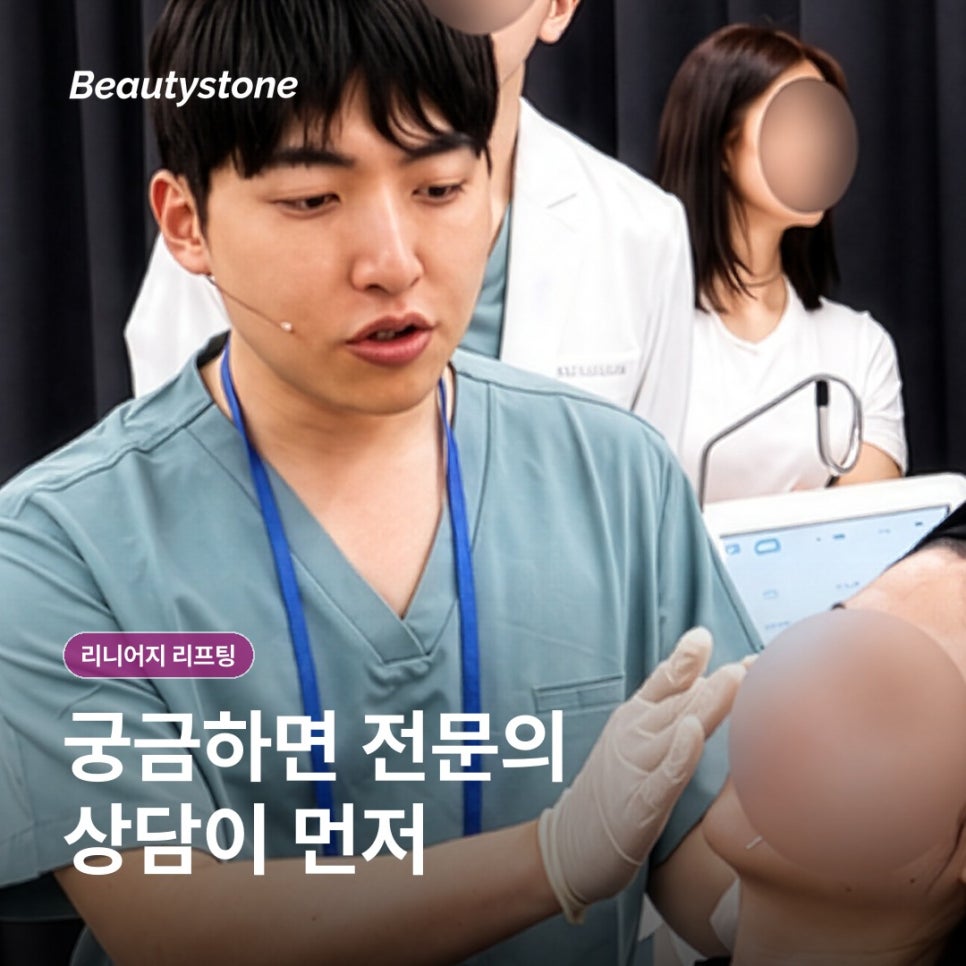
If pain worsens, blisters develop,
or loss of sensation persists,
or if clear asymmetry appears,
please contact the medical institution where you received the procedure immediately.
Thank you for reading this long post.
This has been Kim Ga-eul from 뷰티스닥터.