Hello.
I’m Kim Ga-eul from Beauty Doctor.
Many people consider radiofrequency treatments when they feel that their skin elasticity has changed compared with the past.
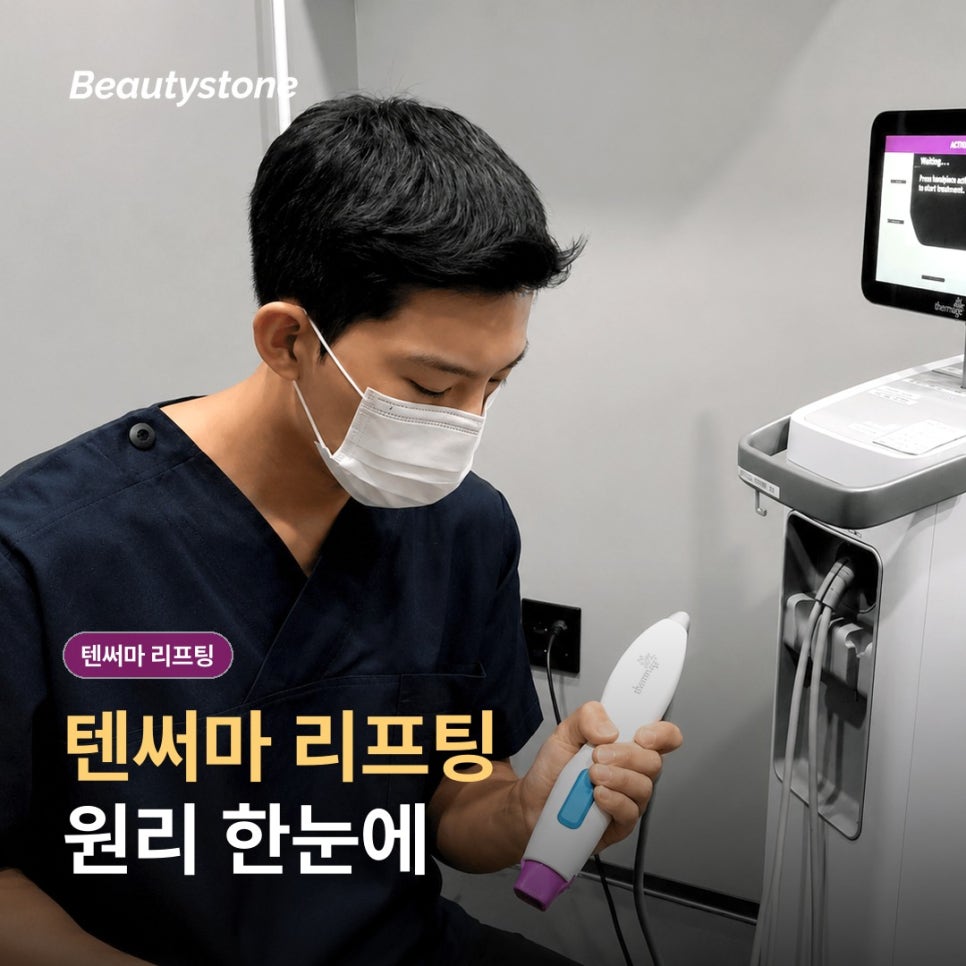
Among them, TensTherma lifting works by delivering thermal energy to the skin.
It is important to understand the care required both before and after the treatment.
Some people assume that increasing the intensity or receiving the treatment more frequently will enhance the results.
However, allowing the skin time to recover and reducing unnecessary irritation should be considered first.
Rather than comparing only the device name or number of treatments, have your skin thickness, fat volume, and areas of concern regarding elasticity examined specifically during your consultation.
Three-line summary
-
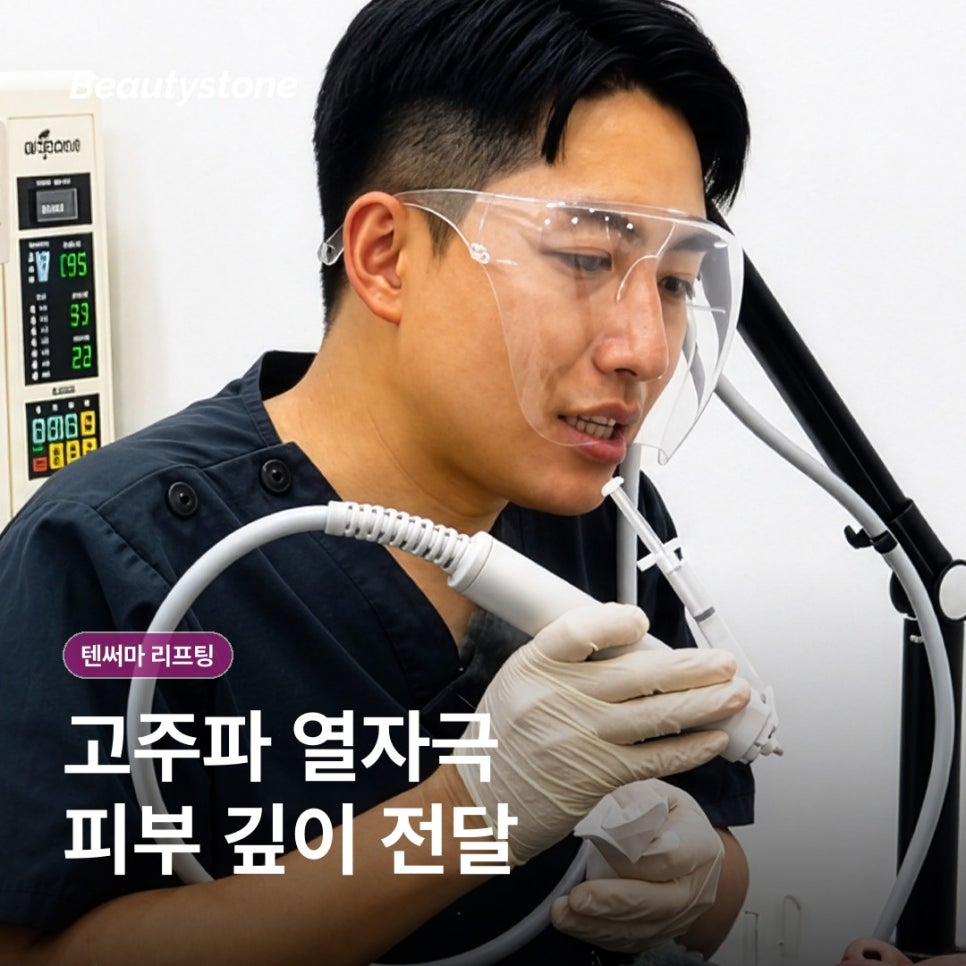
TensTherma lifting delivers thermal stimulation to skin tissue using monopolar radiofrequency energy.
-
After treatment, pay attention to moisturizing and sun protection, and avoid intense heat and friction for a while.
-
Individual experiences and recovery rates vary, so a plan should be made after assessing the condition of your skin.
1. How is radiofrequency heat delivered?
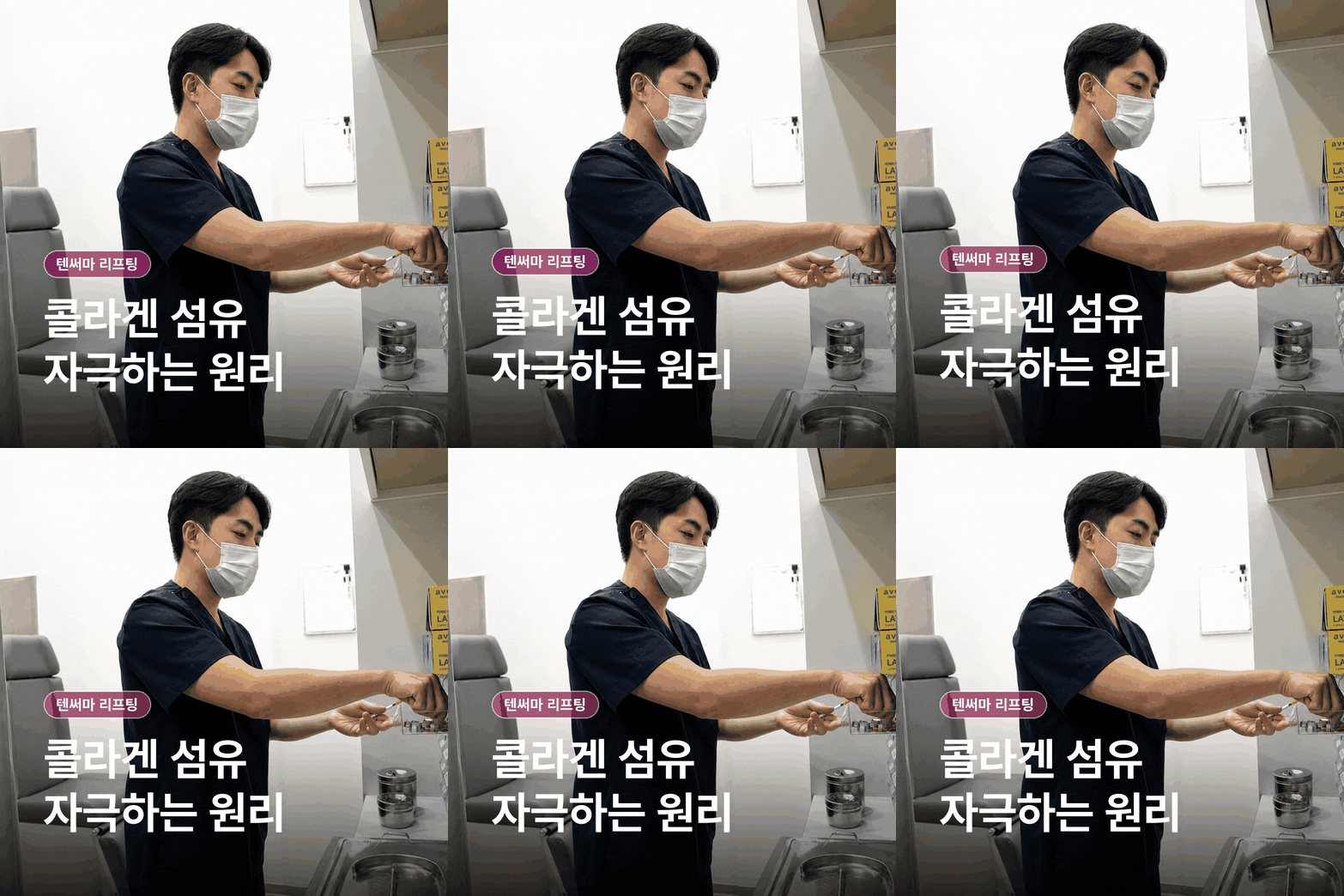
TensTherma lifting is introduced as a monopolar radiofrequency device.
Radiofrequency energy passes through the skin tissue and generates heat.
This thermal stimulation is intended to prompt the collagen structures within the skin to respond.
Rather than being like straightening fabric all at once with a hot iron,
it is closer to creating an environment that gradually organizes the weave of loosened fabric.
However, skin thickness, fat volume, and the areas where elasticity has declined vary from person to person, so the same settings are not suitable for everyone.
Rather than quickly judging the overall progress based only on how you feel immediately after treatment, it is better to calmly observe your condition until the time recommended by your provider.
2. Skin condition comes before intensity
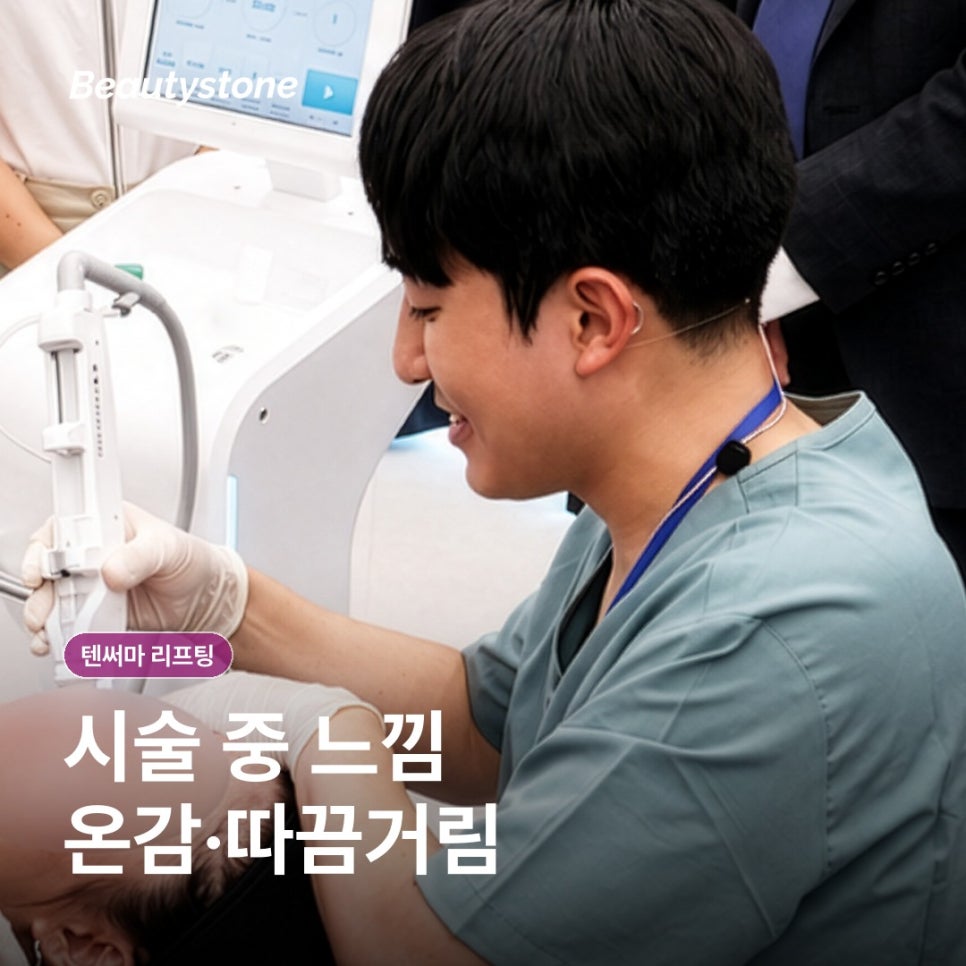
During TensTherma lifting, you may feel warmth, tingling, or a sensation of heat building up from within.
The degree of discomfort may vary depending on the treatment area, skin sensitivity, and energy settings.
Above all, the most important point to keep in mind is not to assume that higher intensity is always better.
The settings should be adjusted within a tolerable range after considering your current skin condition, facial structure, and desired treatment area.
During your consultation, be sure to disclose any recent laser treatments or fillers, medications you are taking, and any skin conditions.
If you have an important event that day or your skin is more sensitive than usual, ask in advance about the expected reactions and recovery process.
3. Reduce irritation during the recovery period
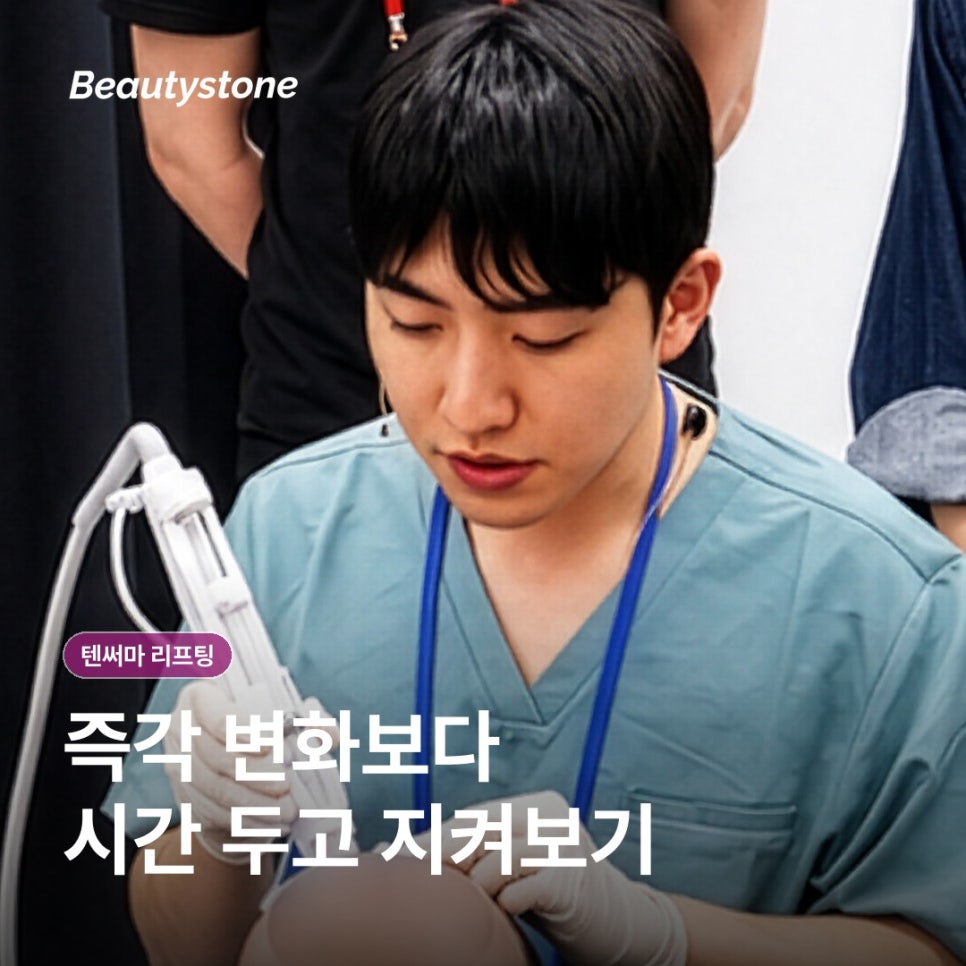
Temporary redness, swelling, warmth, and sensitivity may occur after TensTherma lifting.
In general, these reactions may subside over time, but recovery speed varies depending on your condition on the day of treatment and the state of your skin.
Wash your face gently with lukewarm water.
Use moisturizer and sunscreen more carefully than usual.
Until your skin feels comfortable again,
it is better to take a short break from saunas, heated rooms, strenuous exercise, scrubs, and peeling products.
Rather than adding several new functional cosmetics, keep your routine simple and focus on gentle products that have worked well for you in the past.
4. Do not ignore unusual signs—have them checked
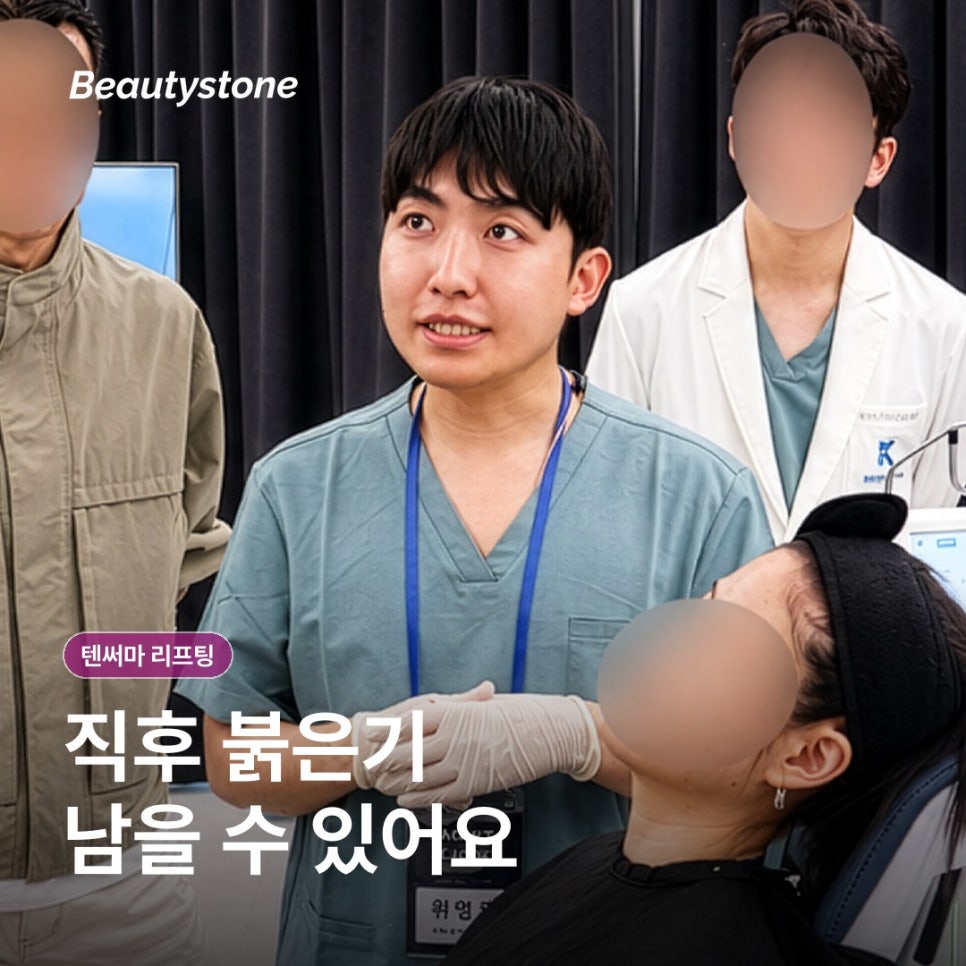
It is not advisable to judge reactions after TensTherma lifting based only on reviews found online.
If pain or burning becomes progressively worse, or if you notice blisters, oozing, prolonged swelling, or redness, contact the medical institution where you received the treatment.
In radiofrequency treatments, skin damage caused by excessive heat can rarely occur, so it is important not to overlook reactions that differ from your usual experience.
Rather than repeatedly performing self-massage or applying hot or cold compresses,
first accurately inform your medical provider of your current condition and receive the necessary guidance.
Record when the symptoms began and how they have changed.
If possible, taking photos under the same lighting may help you explain your condition.
5. For maintenance care, assessment comes before repetition
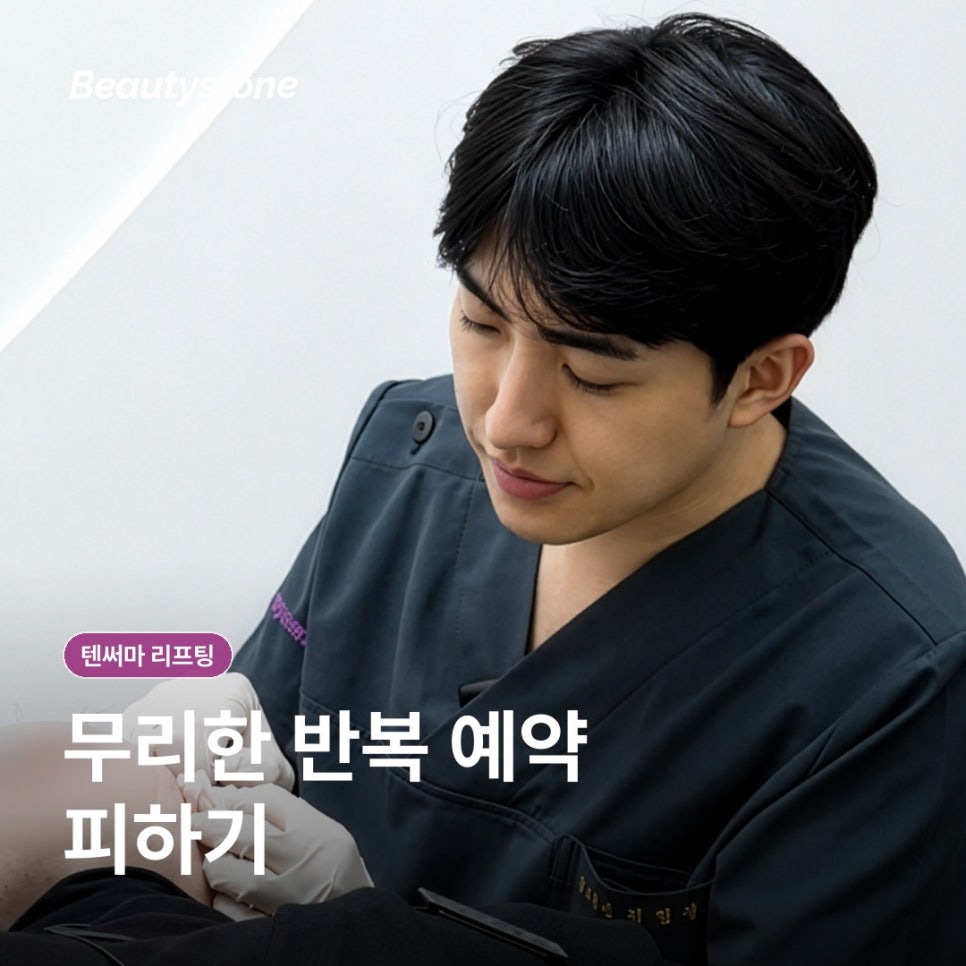
Rather than rushing to schedule your next treatment,
first check your skin’s current recovery status and how it progressed after the previous treatment.
If you are also considering another lifting treatment or laser treatment,
it is better to coordinate the treatment areas, order, and intervals rather than adding everything at once without consideration.
In other words, appropriate intensity settings and recovery time,

along with consistent moisturizing and sun protection, form the important foundation of post-treatment care.
In closing
Enhancing the effects of TensTherma lifting does not mean adding unconditionally stronger stimulation.
It requires creating a plan suited to your skin,
reducing irritation during the recovery period,
and checking for unusual reactions in a timely manner.
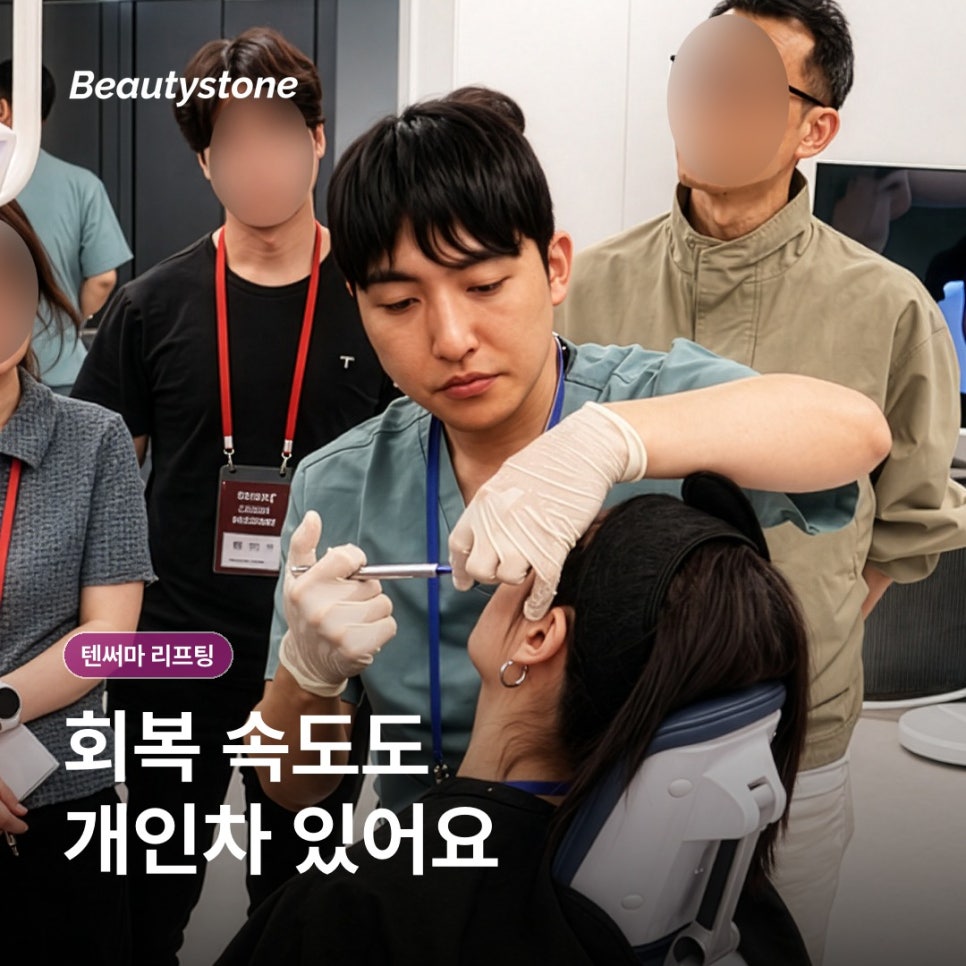
Not everyone needs this treatment,
and the time when results are felt and how long they last may also vary depending on the individual’s skin condition.
Rather than deciding based only on reviews,
please consult a medical professional to fully confirm whether the treatment is necessary and what precautions apply.
Frequently asked questions
Q1. Can I put on makeup immediately after the treatment?
If there is not much redness or warmth in the skin, light makeup may be possible in some cases.
However, prioritize your condition on the day of treatment and the guidance provided by your medical professional.
Q2. How long does swelling last?
The degree of swelling and redness and how quickly they subside vary from person to person.
If they persist for a long time or worsen, it is best to contact the clinic.
Q3. When should I receive my next treatment?
Rather than applying a fixed interval uniformly,
make a plan with your medical professional after checking your skin’s recovery status and the progress following the previous treatment.
Q4. Is home care really important?
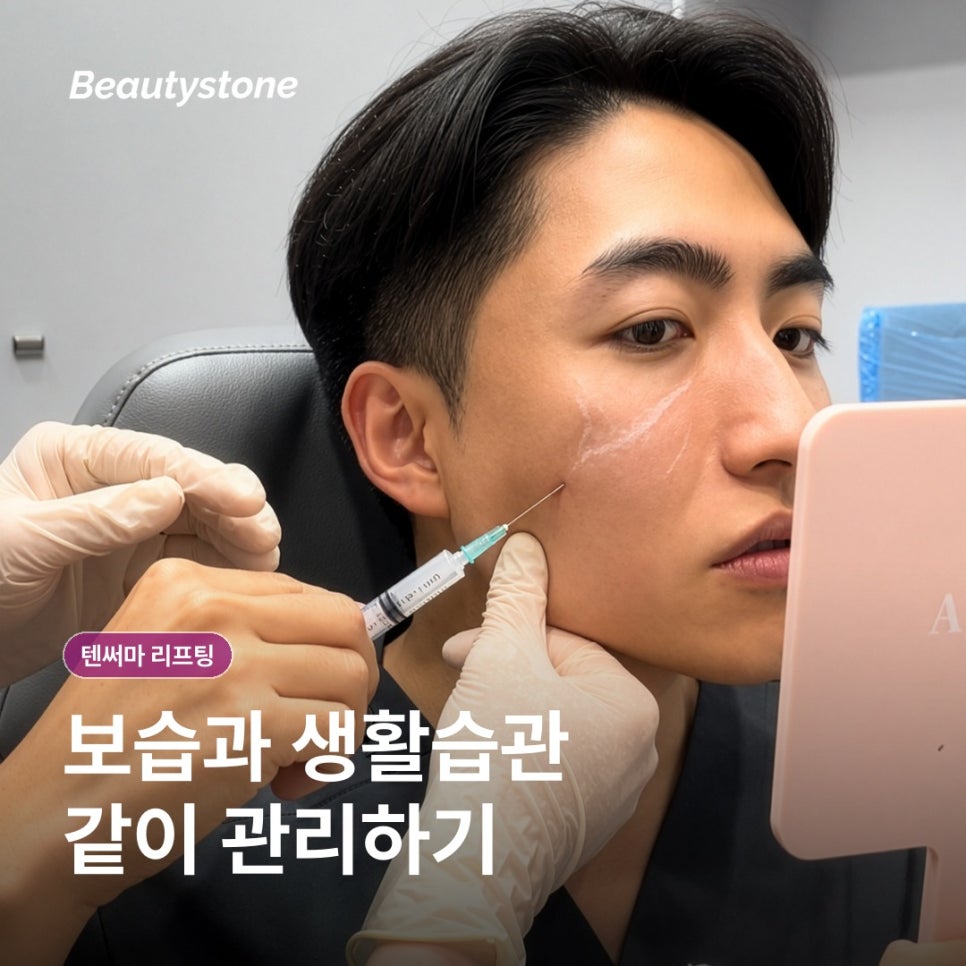
Home care alone cannot determine the outcome of a treatment,
but moisturizing and sun protection are basic forms of care that help protect the skin during recovery.
Thank you for reading this long post.
This has been Kim Ga-eul from Beauty Doctor.