Hello.
This is Wi Young-jin from Beauty's Doctor.
Three-line summary

-
Chin filler uses hyaluronic acid to supplement the chin tip line and volume of a receding chin, adding dimension.
-
Reactions such as swelling and bruising after the procedure vary from person to person, and recovery care is necessary.
-
If you notice any abnormal signs related to blood vessels, it is important to contact the hospital without delay.
Why should you learn about the principles and recovery process in advance?

More people are looking into chin filler because their jawline does not continue in a slim, smooth line, or because they feel they lack volume at the chin tip, as with a receding chin.
This procedure involves injecting hyaluronic acid into the chin area to supplement the line and volume, and many people feel it is less burdensome than surgical procedures requiring incisions.
However, filler is also clearly a medical procedure, so it is helpful to understand its principles and points of caution in advance.
We have organized, in order, how chin filler is performed to add dimension by supplementing a receding chin, common reactions, and the signs that require contacting a hospital.
Checking the principles and recovery process in advance can help you ask much more specific questions during your consultation.
- How does chin filler refine the line?

The basic material is hyaluronic acid.
It is a substance naturally present in the skin and tissues, purified into a gel and injected into the chin tip or along the jawline.
As volume is added, the jawline appears to continue smoothly when viewed from the side, creating an impression of greater dimension.
Chin filler is used to supplement areas with insufficient projection at the chin tip, such as a receding chin, or to refine a jawline that appears angular.
The doctor examines facial proportions, bone structure, and skin thickness before deciding where and how much to inject, so the approach may vary from person to person.
During the consultation, the desired direction of the line, daily habits, and history of previous procedures are also checked.
This is because the procedure does not simply add volume; it also considers the balance and dimensionality of the entire face.
- What is the procedure like, and what reactions may occur afterward?

After disinfecting the area, a numbing cream or injectable anesthesia is applied, and the product is injected in small amounts using a fine needle or cannula.
Although the procedure itself is relatively short, it generally proceeds without rushing because it includes fine adjustments while the doctor checks the alignment.
You may feel pressure or a prickling sensation during the procedure, but many people say they do not feel much pain itself because of the anesthesia.
If you are sensitive to pain, it is a good idea to mention this during the consultation in advance.
Immediately after chin filler, swelling, bruising, or a slight pressed sensation may occur at the injection site. These often subside over time, but the severity and duration vary considerably from person to person, so they are difficult to predict definitively.

What should be avoided is massaging forcefully to make swelling or bruising go down quickly, taking large amounts of pain medication arbitrarily because of pain, or ignoring abnormal signs in the hope that they will improve with time.
Instead, it is recommended to manage swelling and bruising with measures such as compresses according to the instructions of your medical provider, take pain medication only within the prescribed limits, and immediately contact and consult the hospital where the procedure was performed if you notice any abnormal signs.
- What should you know about vascular precautions and maintenance care?
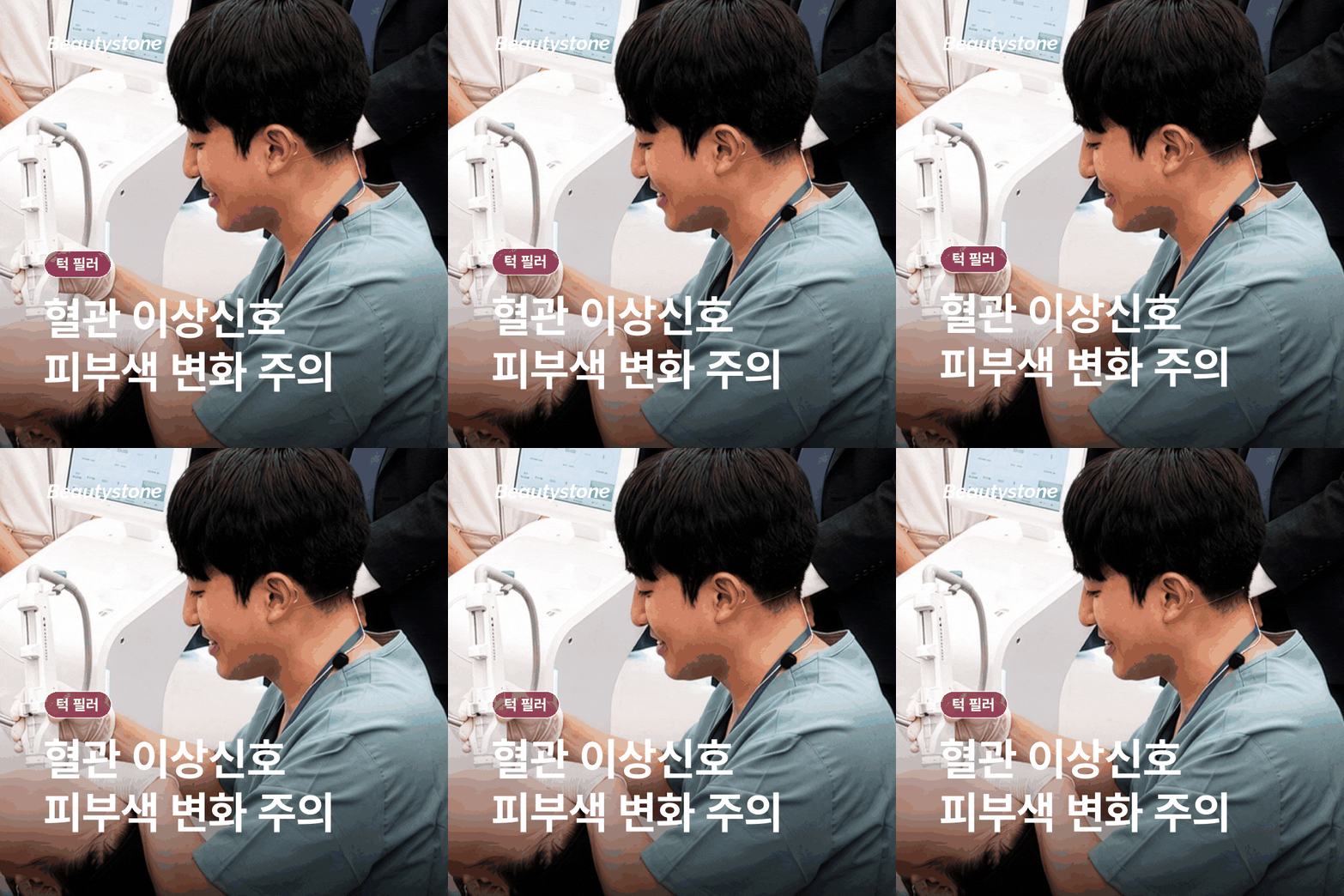
In filler procedures, one area requiring particular attention is abnormal signs related to blood vessels.
If the skin at the injection site turns white or purple, or if unusually severe pain persists, these may be signs related to blood flow, so they should not be overlooked.
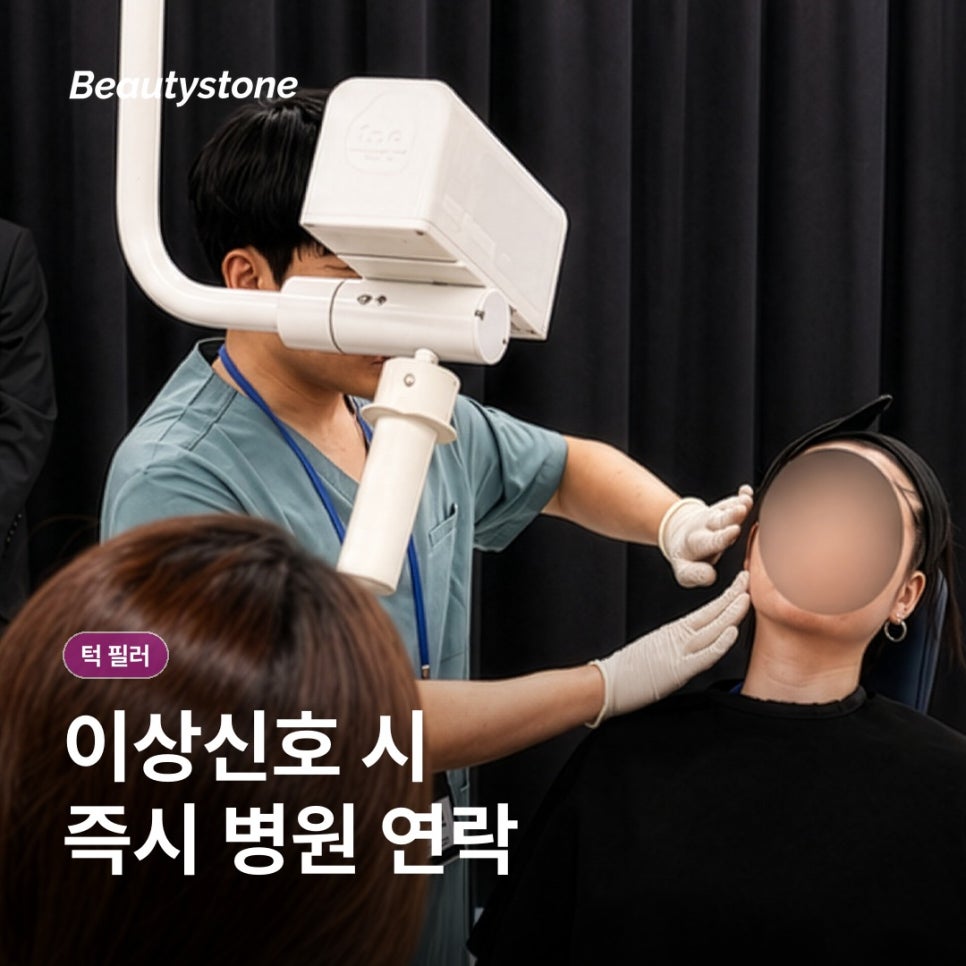
If these signs appear, you should contact the hospital where the procedure was performed or an emergency room without delay.
The duration of chin filler is known to vary depending on the type of product, the injection site, and an individual's metabolic rate.

Because it is gradually absorbed, it is generally considered a natural course for the volume and dimensionality you initially noticed to decrease.
During the recovery period, avoid excessive massage or pressure, and it is advisable to avoid high-temperature environments such as saunas and heated bathhouses for several days.

Sun protection and adequate fluid intake may also help with recovery.
Wrapping up
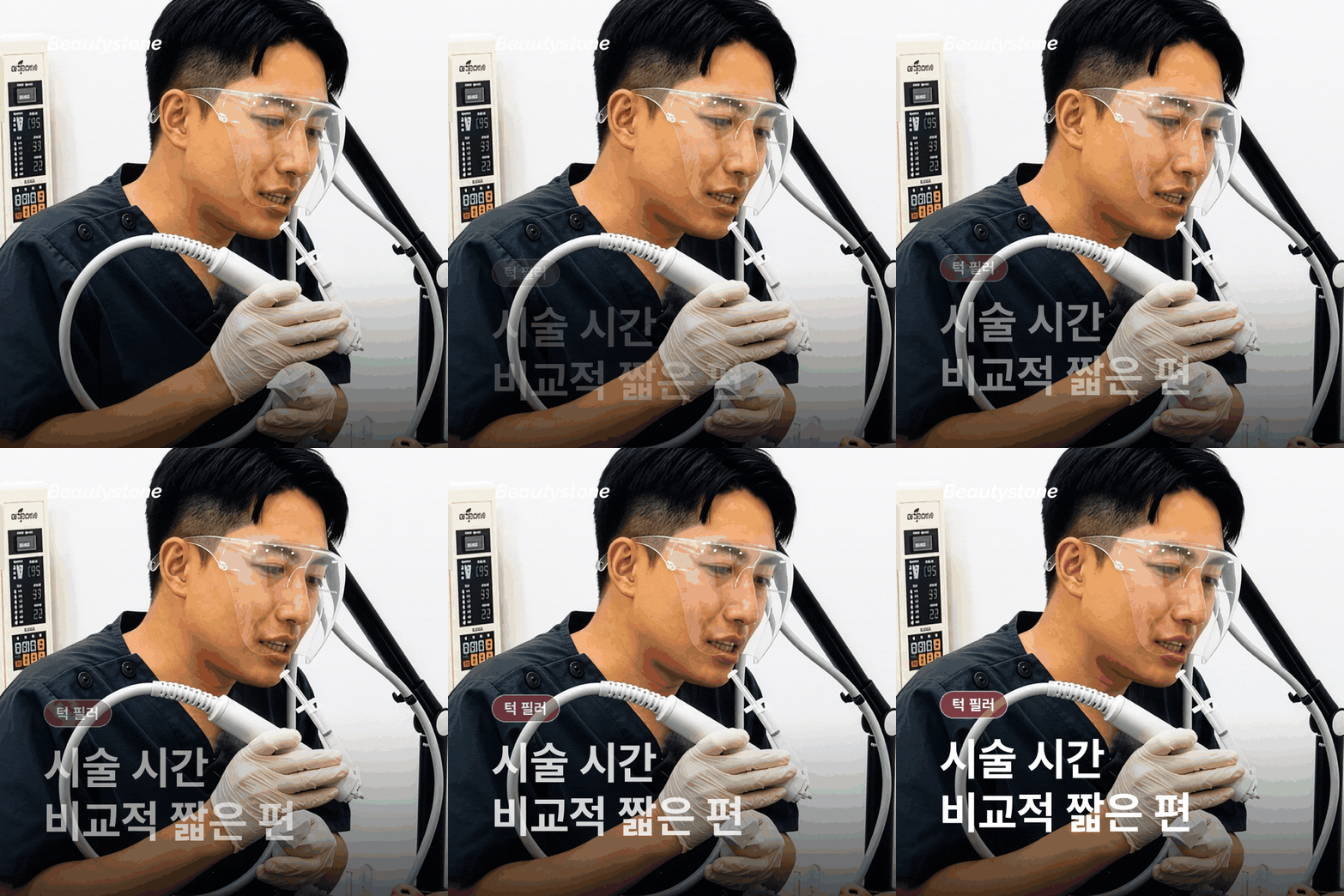
Chin filler is one option for supplementing an insufficient chin tip line and volume, as with a receding chin, and adding dimension, but it is important to understand first that results and recovery patterns vary from person to person.
Even when the same amount is injected, the result may differ depending on bone structure and skin condition. Rather than determining the outcome based only on other people's experiences, it is helpful to confirm the approach suited to you through a consultation.
In particular, issues requiring an immediate response, such as abnormal signs related to blood vessels, can be difficult to assess on your own. If you have any concerns, it is advisable to confirm them through a consultation with a specialist.
After examining your facial bone structure and skin condition, we will explain whether to proceed and how the procedure would be performed, so we recommend contacting us comfortably before making a decision.
Frequently Asked Questions
Q1. How long does a chin filler procedure take?
It varies depending on the area and injection volume, but it is generally relatively short even including the numbing time.
The exact duration is best confirmed with the doctor during your consultation.
Q2. How many days does swelling last after the procedure?
It varies from person to person, so it is difficult to give a uniform answer.
It often gradually subsides, but if it feels different from usual, it is advisable to contact the hospital where the procedure was performed.
Q3. How long does chin filler last?
It is known to vary depending on the type of product and an individual's metabolic rate.
Because it is gradually absorbed, please keep in mind that the dimensionality you experienced from supplementing a receding chin may also gradually fade over time.
Q4. What signs mean I should go to the hospital immediately?
If the skin turns white or purple, or if unusually severe pain continues, these may be signs related to blood vessels, so it is important to contact the hospital without delay.
Even if you are unsure, it is safer to confirm the situation through a consultation with a specialist.
Thank you for reading today.
This has been Wi Young-jin from Beauty's Doctor.