Hello.
I’m Kim Ga-eul from Beauty’s Doctor.
As people become concerned about a loss of facial firmness, more are looking into non-surgical
lifting treatments.
Among them,
Ulthera lifting is known as a treatment that stimulates the deeper layers of the skin
with ultrasound energy without using a blade,
which has attracted the interest of many people.
However,
it is common for people to have only a vague understanding
of the exact principles and treatment areas.
In this post,
I’ve summarized how ultrasound lifting works,
precautions before and after treatment,
and how long the effects may last.
If you are considering the treatment, I hope you find this helpful.
3-Line Summary
-
Ulthera lifting is a lifting treatment that applies thermal stimulation to the dermal layer and SMAS layer of the skin using high-intensity focused ultrasound (HIFU).
-
Rather than appearing immediately after treatment, changes often develop gradually over several weeks to several months as collagen regeneration progresses.
-
There are significant individual differences, and results vary depending on skin condition. Therefore, it is important to determine the treatment area and intensity through a consultation with a specialist.
Now,
let’s first look at how
Ulthera lifting tightens the skin.
- How does Ulthera lifting tighten the skin?

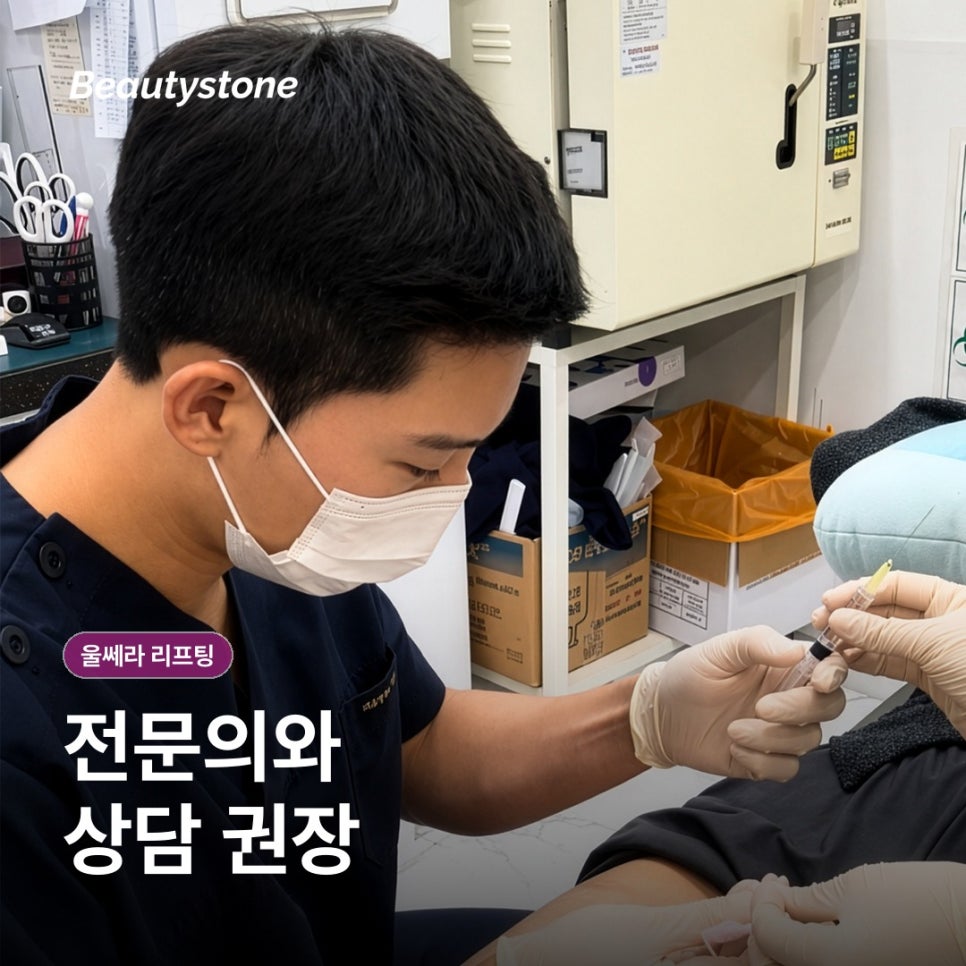
Ulthera lifting
uses HIFU (high-intensity focused ultrasound) energy
not on the skin’s surface, but precisely concentrates and delivers it to the dermal layer
and even the SMAS (fascial layer),
which is associated with facial sagging.
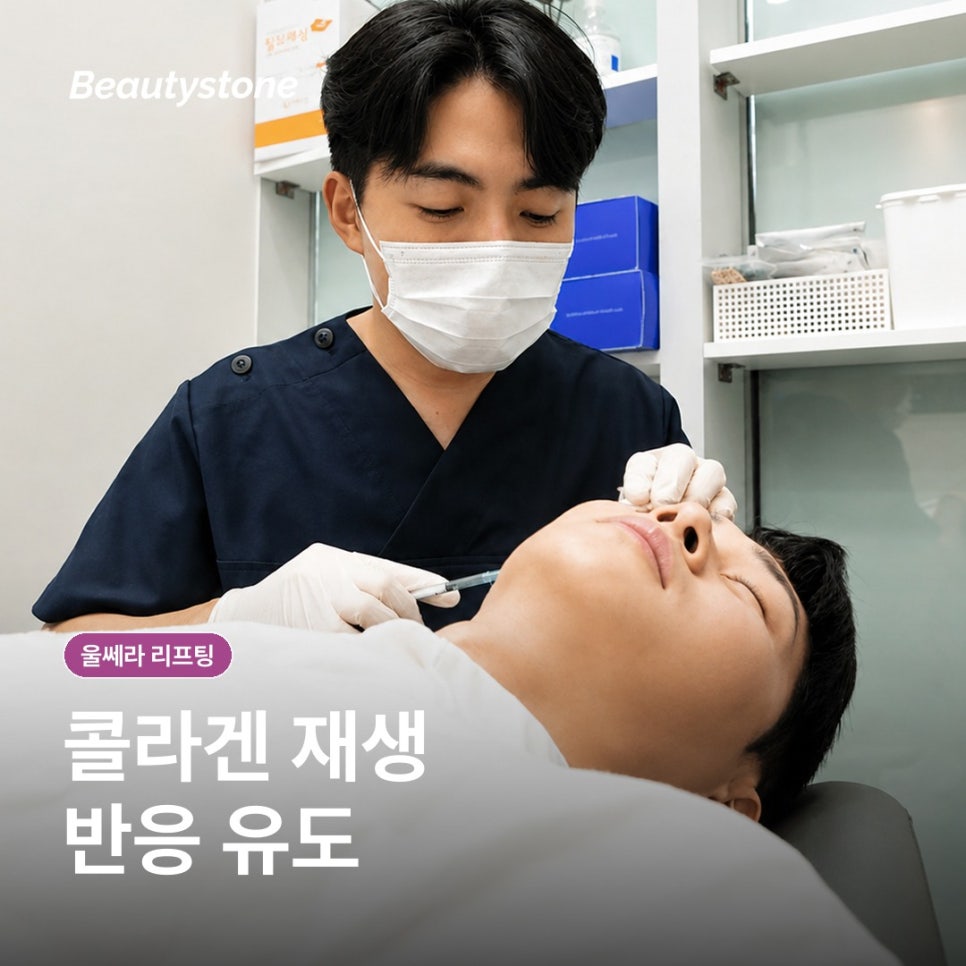
As the ultrasound is focused on a single point,
high heat is generated momentarily,
and this thermal stimulation
leaves microscopic damage in the tissue,
which is explained as a process that induces
the subsequent production of new collagen.

In this process,
the skin’s surface is relatively protected,
while the treatment is designed to deliver energy mainly to the deeper layers.
However, the depth and intensity of the energy
may vary depending on the device settings and treatment area,
so even with the same Ulthera lifting treatment,
the stimulation experienced may differ.
Another feature often highlighted is that the procedure is performed
while monitoring the moment the ultrasound reaches the tissue on a screen.
However, the approach may vary depending on the device and the practitioner’s level of experience,
so it may be helpful to confirm these details during the consultation.
- What should you prepare for and be aware of before and after Ulthera lifting?
If you are considering Ulthera lifting,
first check whether the skin has any wounds or inflammation,

or whether there is an infection.
In addition, if you are pregnant,
have a specific medical condition,
or have recently undergone another treatment,
it is safer to decide whether to proceed after consulting a specialist.

Immediately after treatment,
temporary redness or a sensation of swelling,
as well as mild pain, may occur.
Reactions vary from person to person:
some people’s symptoms settle quickly,
while others may experience them for several days.
It is recommended to avoid vigorous massage
and exposure to hot environments.

Approaches to avoid include
deciding to proceed based on your own assessment of your skin,
massaging on your own to reduce swelling,
or deciding on the intensity based only on
someone else’s review.
By contrast,
recommended approaches include first checking with a specialist
whether there is inflammation or a wound,
minimizing irritation,
monitoring the course, and seeking advice,
and adjusting the intensity after consultation
to suit your own skin condition.
- How long do the effects of Ulthera lifting last?

This treatment is known to often produce changes
gradually over several weeks to several months as collagen is produced,
rather than immediately after treatment.
Instead of expecting major changes on the day of treatment,
it is necessary to allow time
and monitor the course.

The duration of the effects
varies considerably from person to person
depending on skin age, firmness,
and lifestyle habits.

Some say that lifestyle care,
such as using sunscreen and drinking enough water,
may help you experience the changes for longer,
but it is difficult to conclude that these measures alone
substantially change the duration of the effects,
so it is better to regard them as supportive measures.
However,
if you do not experience as much change as you hoped for
after a single Ulthera lifting treatment,
it may be necessary to consult a specialist again
about the interval before additional treatment
or other care methods.
In Closing

Ulthera lifting
is known as a treatment that stimulates the deeper layers of the skin
using ultrasound energy,
but it is best to approach it with the understanding
that the degree of response and duration of the effects
vary from person to person.
It is recommended to consult a specialist
to first assess your skin condition
and determine the intensity and treatment areas that suit you.
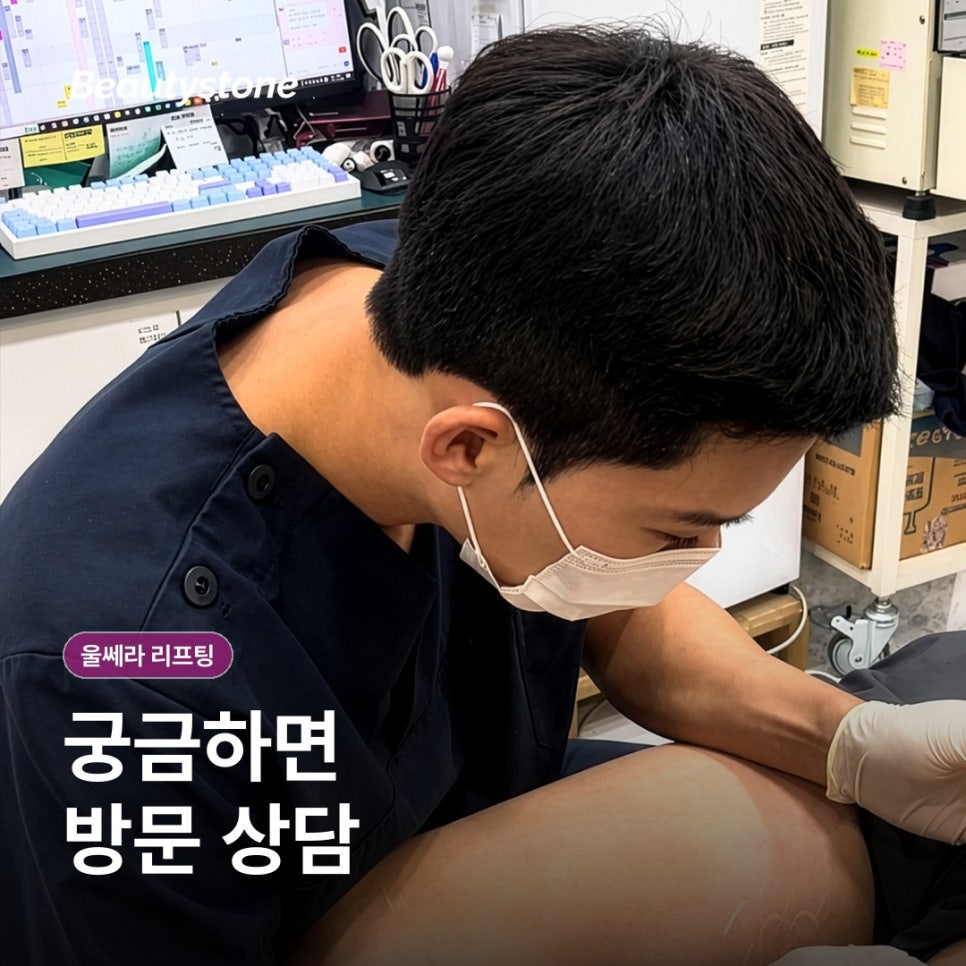
After checking your skin condition,
a specialist will explain whether this treatment is appropriate
and how it should be performed.
If you have any questions,
please confirm the details through an in-person consultation.
Frequently Asked Questions
Q1. Is Ulthera lifting very painful?
You may experience momentary warmth or a feeling of pressure,
and the degree varies considerably from person to person.
If you are sensitive to pain,
it may be helpful to consult a specialist before treatment
and confirm in advance
whether the intensity can be adjusted.
Q2. Can I return to my daily activities immediately after treatment?
Temporary redness or swelling may occur,
but most people return to their daily activities
without major restrictions.
However, if your skin is sensitive to stimulation,
the recovery rate may differ,
so it is best to monitor the course.
Q3. Do I need only one Ulthera lifting treatment?
The number of treatments needed
may vary depending on your skin condition
and the degree of sagging.
It is common to review the course after the first treatment
and consult a specialist about whether to proceed further.
Q4. Can I receive it together with another lifting treatment?
Whether treatments can be combined
may vary depending on your skin condition
and the interval between treatments,
so rather than deciding on your own,
it is safer to determine the order and intervals
through consultation with a specialist.
Thank you for reading this long post today.
This has been Kim Ga-eul from Beauty’s Doctor.