Hello.
I’m Wi Young-jin from Beauty’s Doctor.
When considering V-line thread lifting,
one of the things many people wonder about
is how much pain they will actually feel.
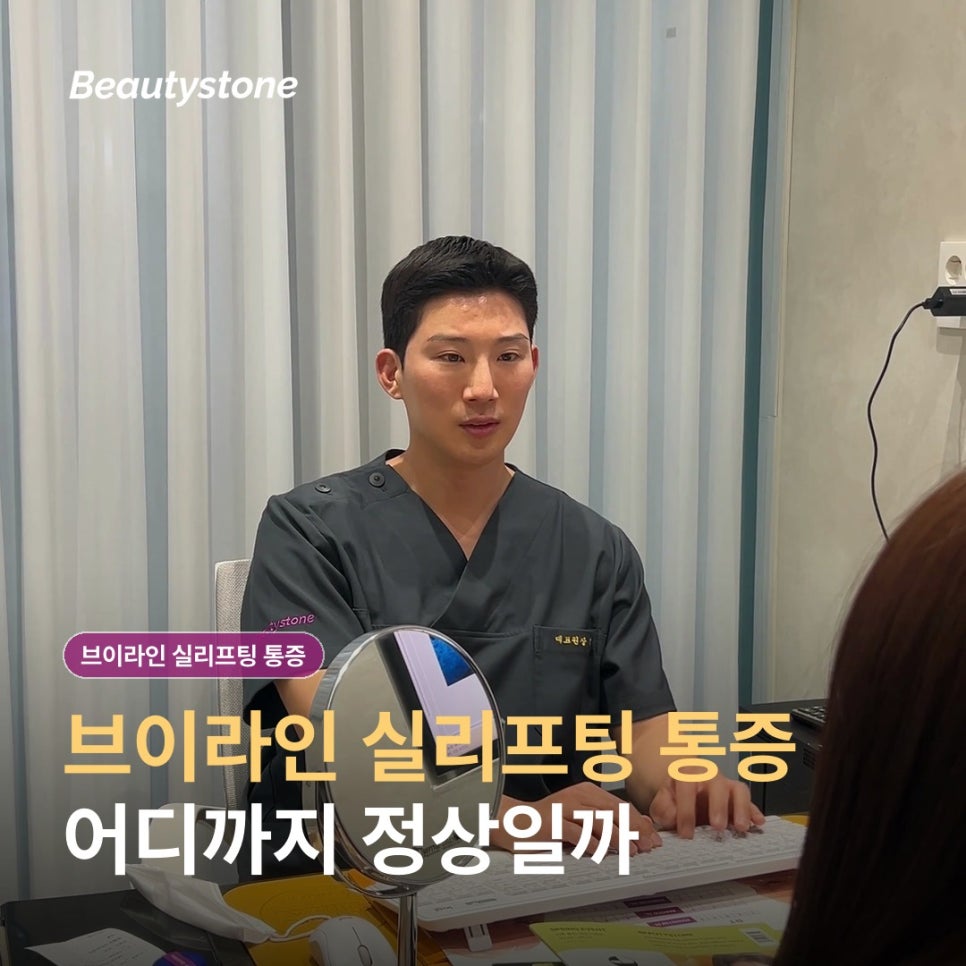
V-line thread-lifting pain
is described differently in every online review,
which can make things even more confusing.
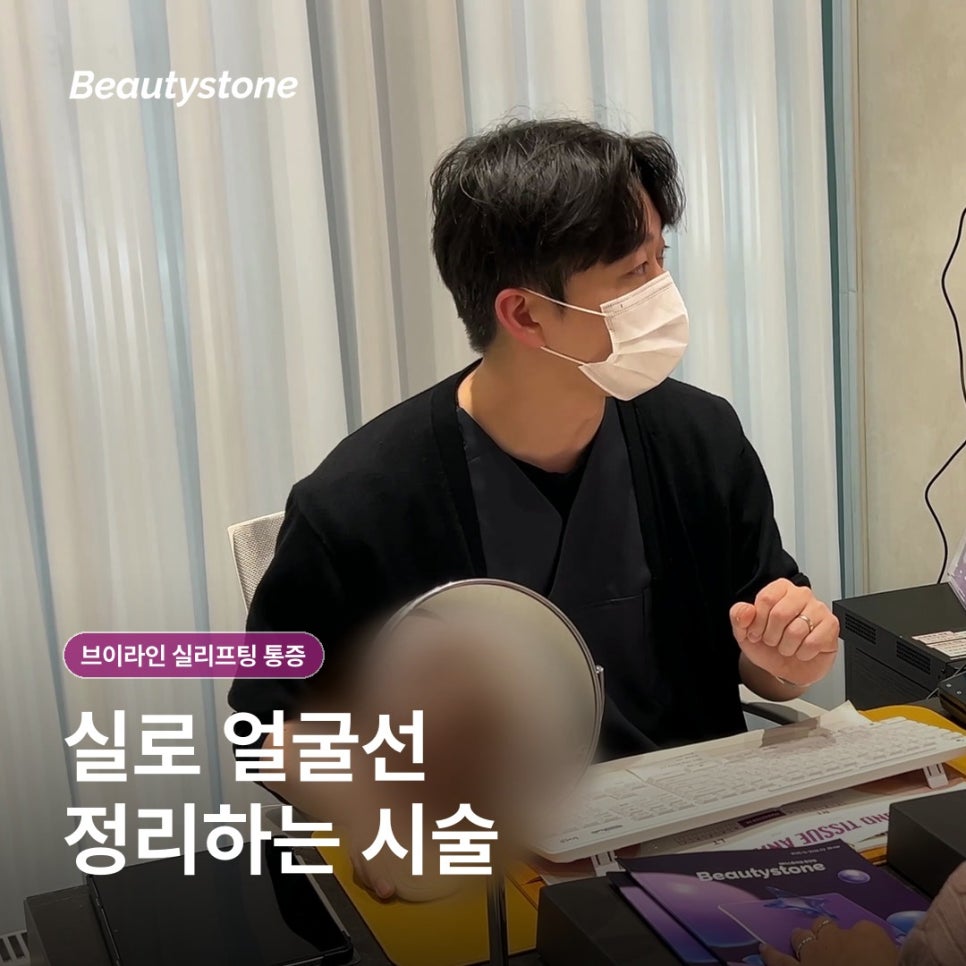
Because this procedure uses threads
to refine the contours of the face,
some degree of stimulation may occur
as the needle or cannula passes through,
and each person may experience it differently.
In this post,
I’ll go through step by step
why pain occurs with V-line thread lifting,
when it may feel more intense,
and how to manage it
after the procedure.
With the understanding that
there can be significant individual differences,
I’ve organized this based on
general information that is commonly known.
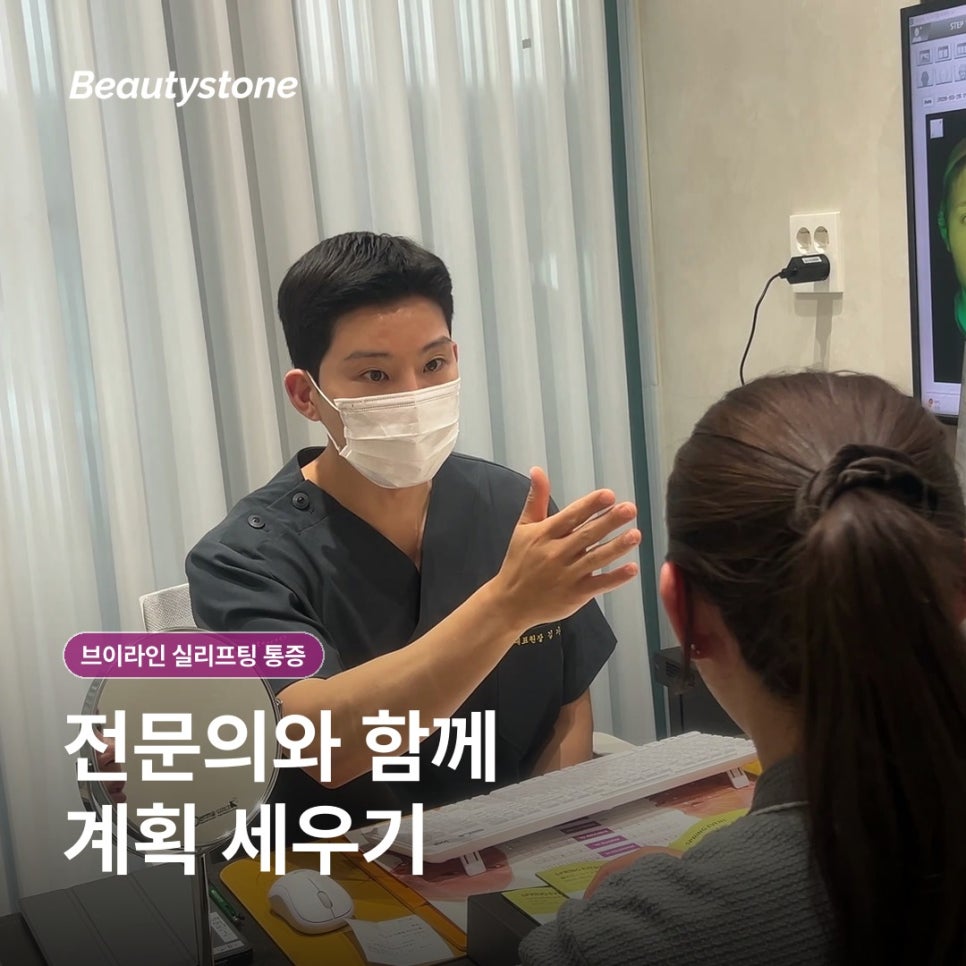
3-Line Summary
-
Pain from V-line thread lifting can vary significantly depending on the treatment area and individual pain sensitivity.
-
The type of pain experienced during the first few days immediately after the procedure may differ from person to person.
-
If the pain lasts longer than expected or is accompanied by other signs, it is best to consult a specialist.
Let’s first look at how painful
the procedure may be while it is being performed.
1) How painful is V-line thread lifting during the procedure?
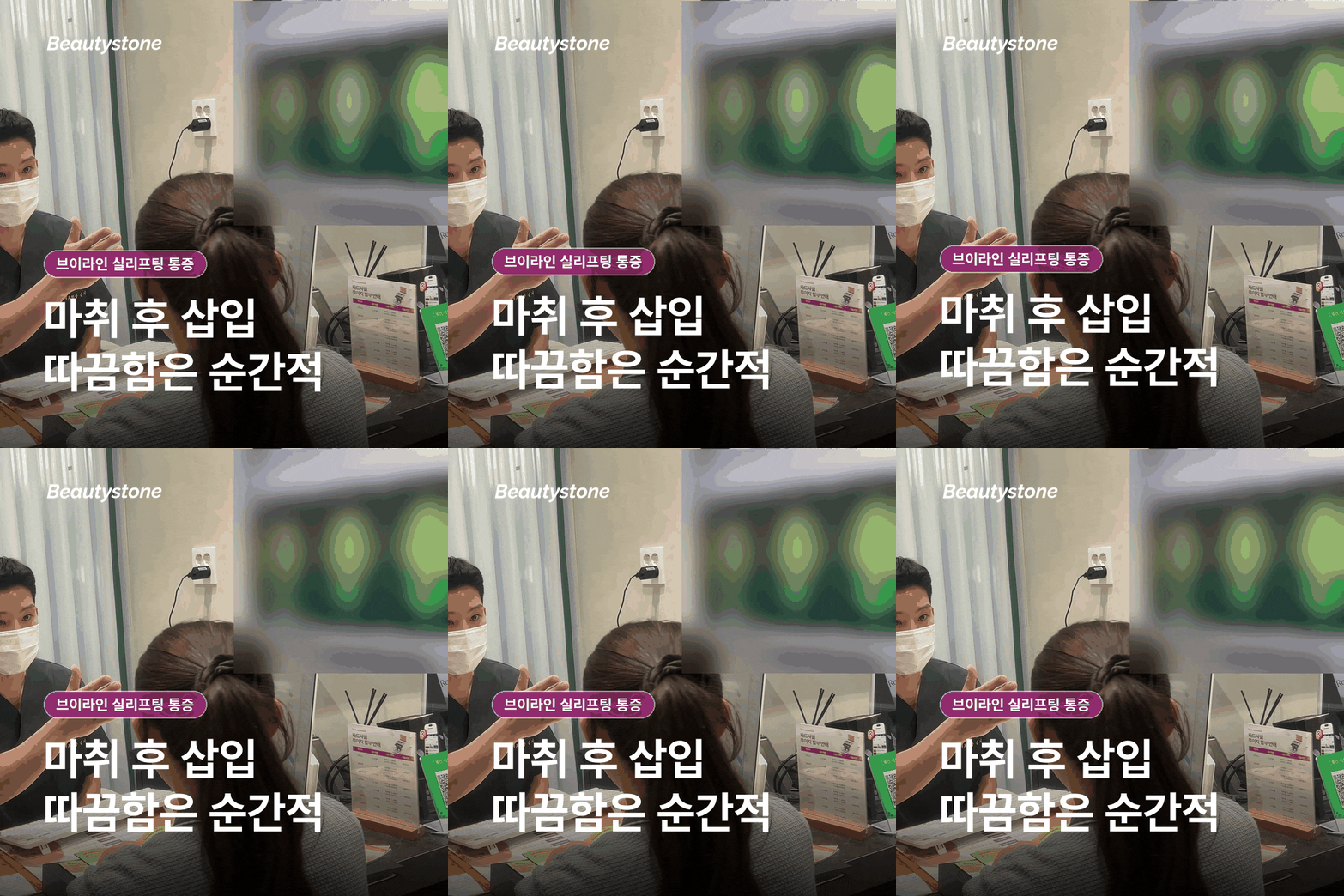
Pain during the procedure
can feel different depending on the type of anesthesia
and the area where the threads are inserted.
Since local anesthesia or
numbing cream is usually applied first
before the threads are inserted,
it is common to feel a brief stinging sensation
when the anesthetic is injected,
rather than during the procedure itself.
Afterward, some people report
a pulling sensation or pressure
as the threads pass through.
When discussing V-line thread-lifting pain,
one point that is often confused
is treating the sensation of “pain”
and the sensation of “a foreign-body feeling”
as if they were the same.
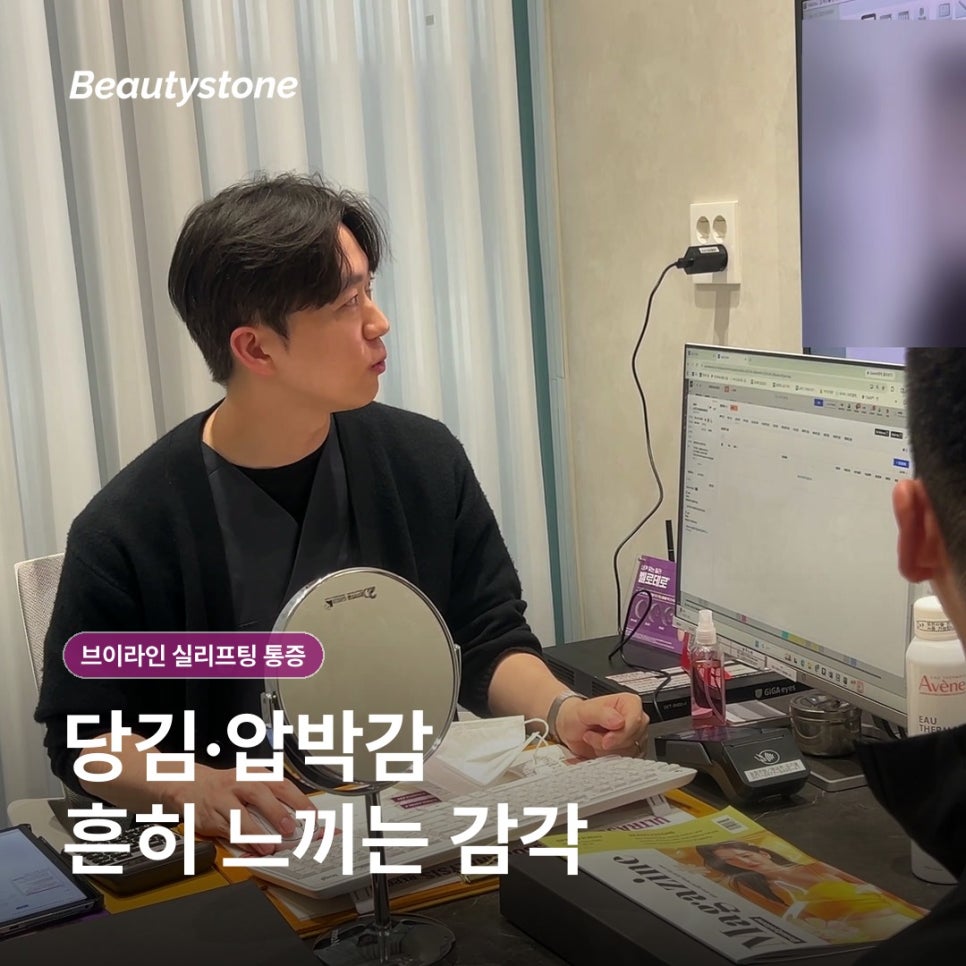
In reality,
stinging, pulling, and pressure
often occur together,
and because this combination
feels different for each person,
online reviews can vary widely.
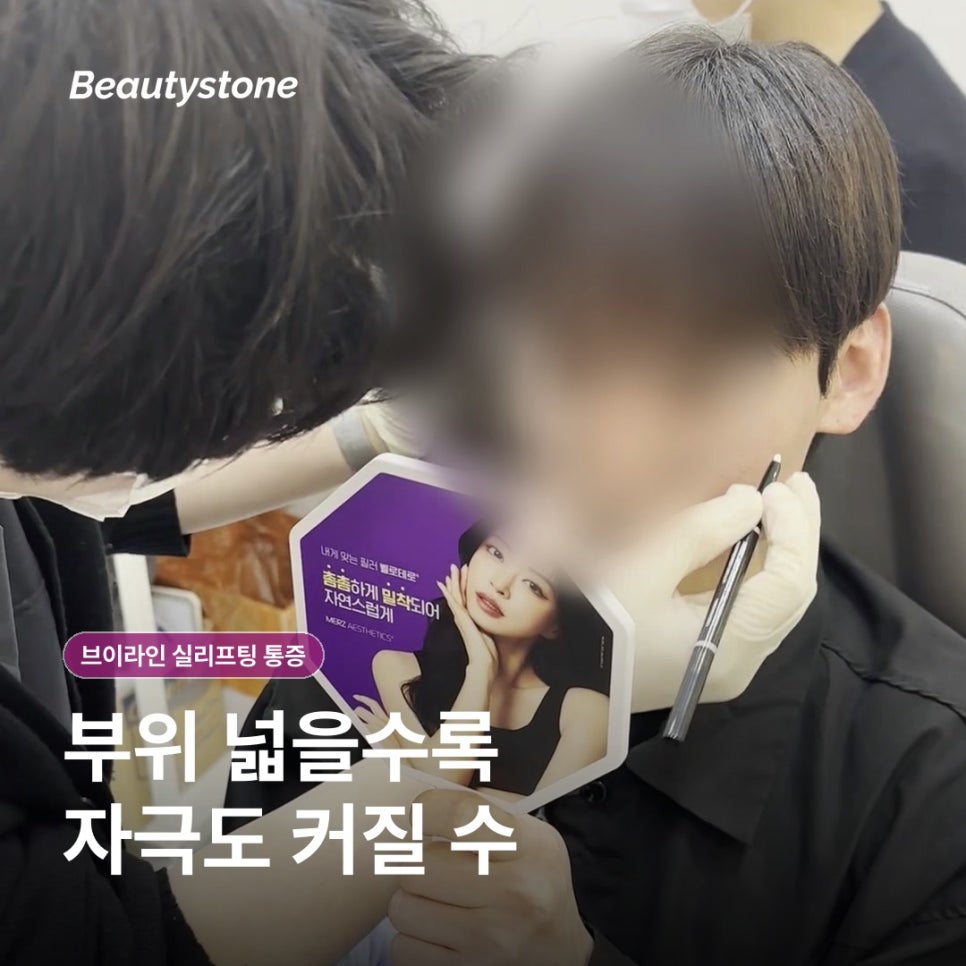
The stimulation you feel may also increase
as the treatment area becomes larger
or more threads are used.
2) How can V-line thread-lifting pain vary depending on aftercare?
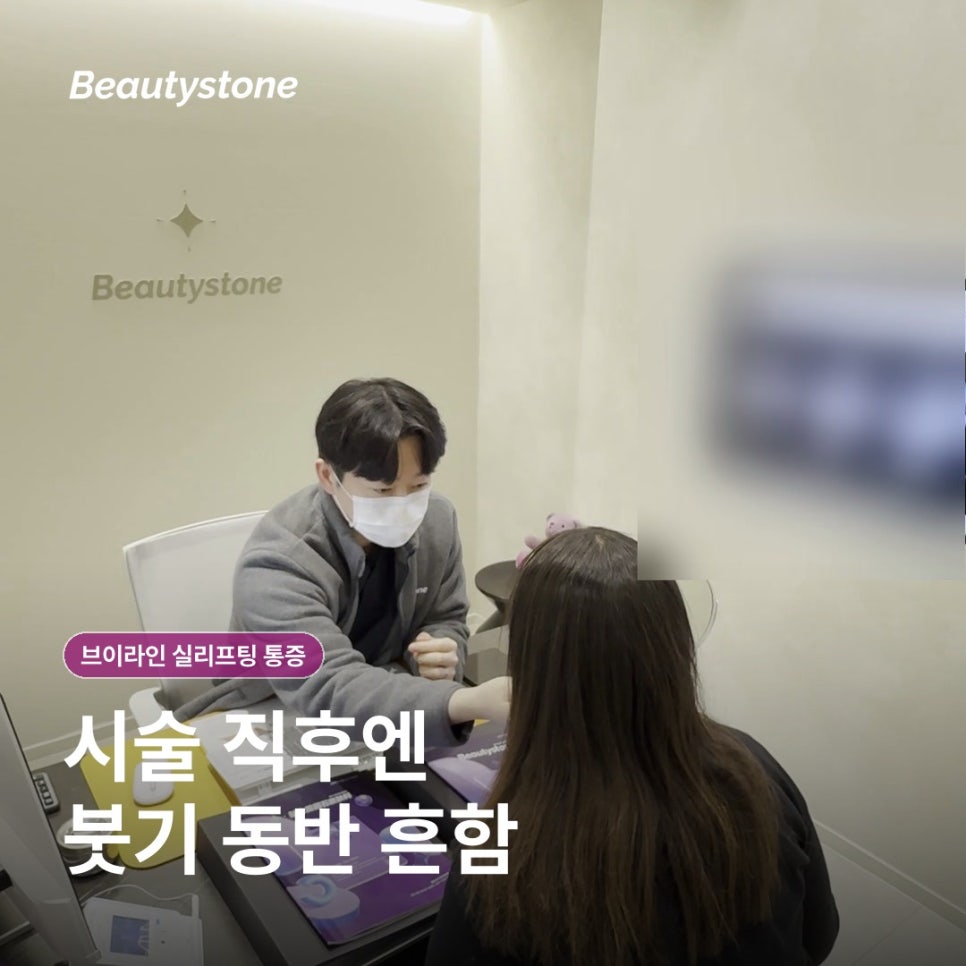
Pain that appears
within the first day or two after the procedure
is often accompanied by swelling
or a feeling of pressure.
Since how you manage this period
may affect how your recovery feels,
it can be helpful to divide the approaches into categories.
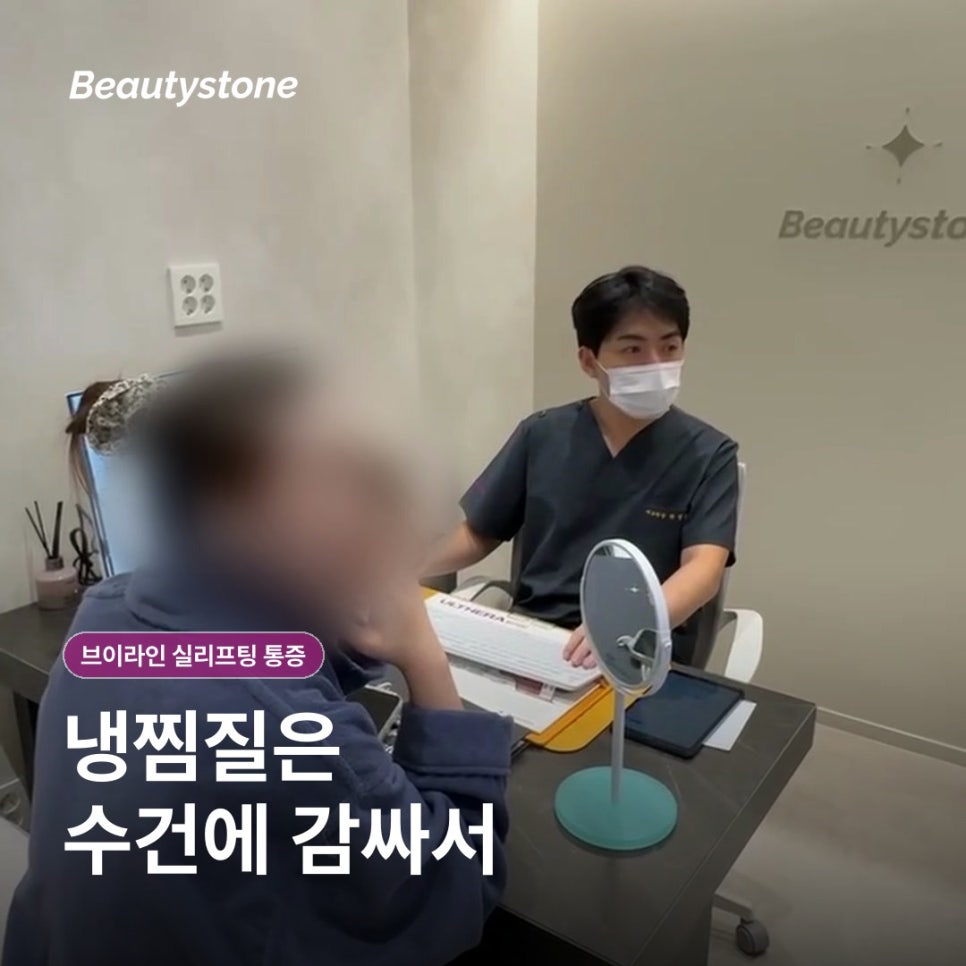
Approaches to avoid include
holding ice directly against the skin for too long,
chewing hard foods immediately after the procedure,
or simply enduring the pain on your own.
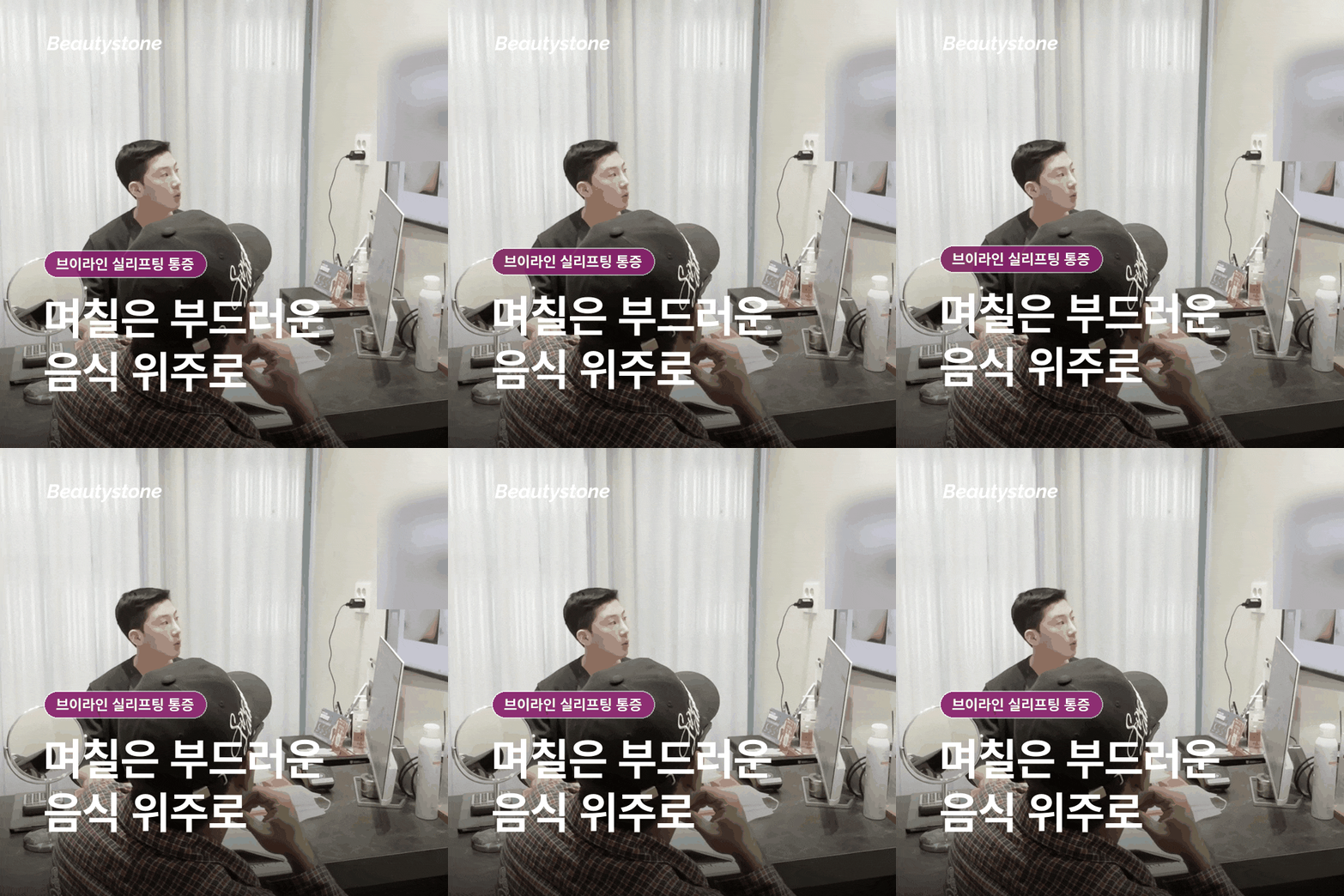
By contrast,
recommended approaches include
using a cold compress wrapped in a towel
for short periods several times,
and eating mostly soft foods for a few days.
If you notice any changes,
contact the clinic promptly.
If V-line thread-lifting pain
does not subside after several days
or feels as though it is getting worse instead,
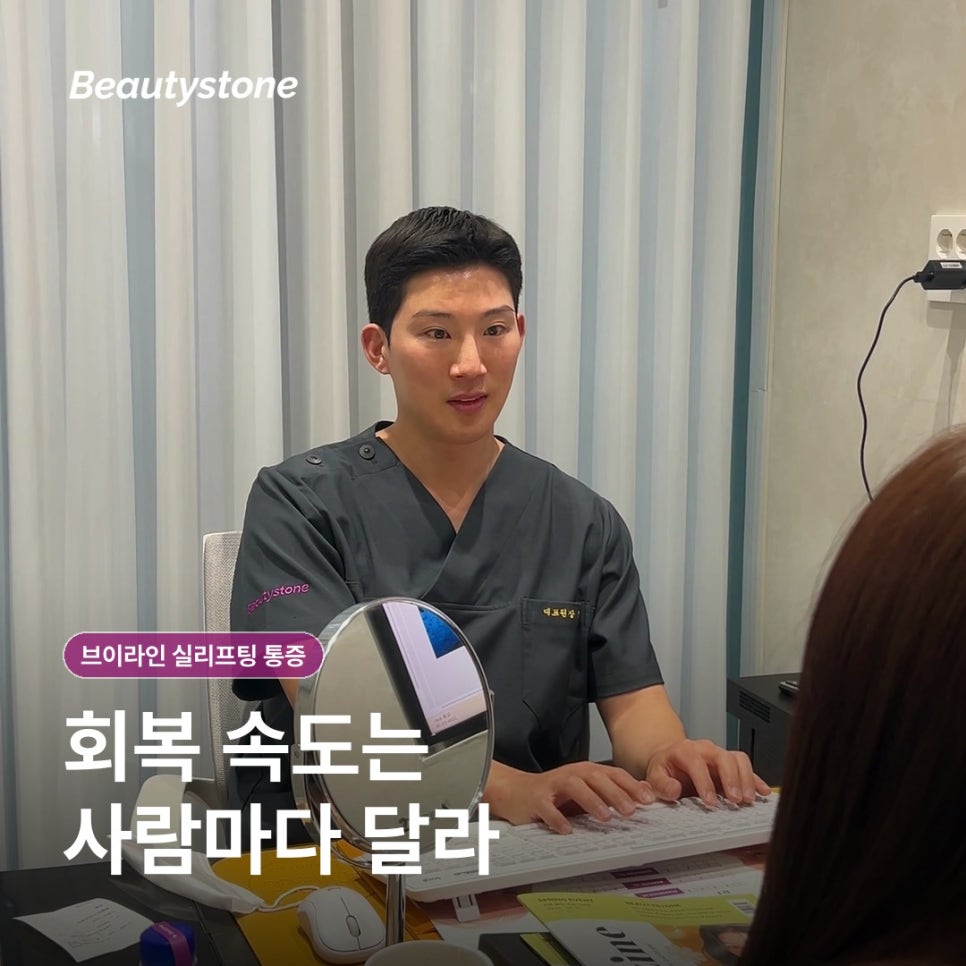
do not simply dismiss it
as part of the recovery process.
It is better to contact the clinic where you received the procedure.
Even paying a little attention
to compresses and posture habits
can make the discomfort feel different in many cases.
3) What signs should you look for besides pain?

After thread lifting,
symptoms such as swelling, bruising,
and a feeling of pressure
may occur along with pain.
These symptoms often naturally fade
as time passes,
but if one side becomes unusually swollen
or feels warm,
it should be viewed differently.
The degree to which pain is perceived
may also vary depending on skin thickness
and whether you have had previous procedures,
so even with the same procedure,
people may experience it differently.
However, because procedures using threads
must be performed while avoiding the paths of blood vessels,
if sudden pain
or a change in skin color
occurs around the treatment area,
do not take it lightly.
It is safer to contact the clinic
and have it checked.
When other symptoms occur together
with V-line thread-lifting pain,
contacting the clinic should take priority
over making your own judgment.
In Closing
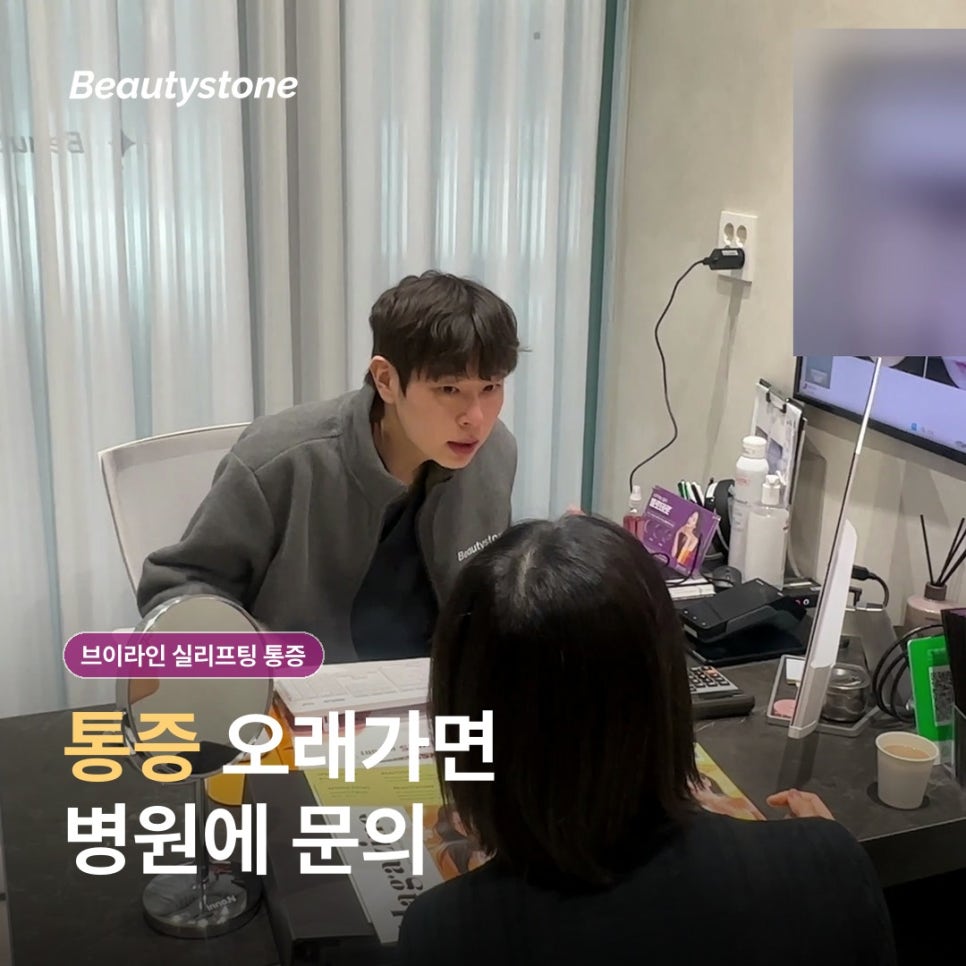
Ultimately,
how pain is experienced
depends greatly on individual differences,
so it is difficult to predict your own case
based only on other people’s reviews.
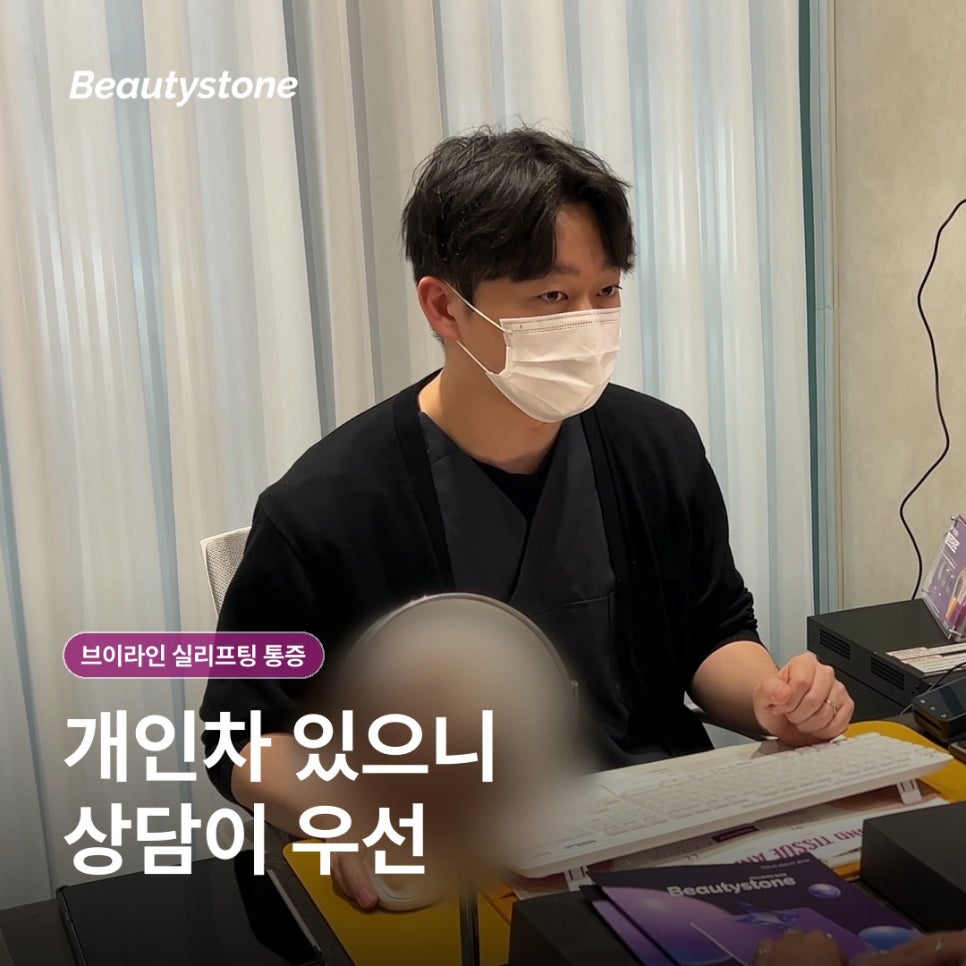
Having a thorough consultation with a specialist before the procedure
and discussing your pain sensitivity
and previous procedure experience in advance
can help with planning the procedure.
Especially if you are usually sensitive to pain,
it can be helpful to mention this beforehand.
Even if V-line thread-lifting pain
feels as though it is outside the expected range,
it is recommended that you confirm this through a consultation
rather than making your own judgment.
Frequently Asked Questions
Q1. How many days does V-line thread-lifting pain usually last?
It varies from person to person,
but it is common to experience pressure
or a throbbing sensation during the first few days,
which gradually fades.
Recovery speed varies by individual,
so it is best to receive information about the expected duration
through a consultation.
Q2. Can I take pain medication if the pain is severe?
Rather than taking medication based on your own judgment,
it is safer to contact the clinic where you received the procedure first
and follow its instructions.
Q3. If V-line thread-lifting pain feels unusually severe, do I need to undergo the procedure again?
Rather than deciding whether another procedure is needed
based on pain alone,
first check whether any other abnormal signs are present,
then make a decision after consulting a specialist.
Q4. If I receive anesthesia, will I feel almost no pain?
Even with anesthesia,
sensations such as pressure or pulling
may remain,
so the procedure is often not completely painless.
Because individual experiences vary,
it is best to discuss any questions
in advance before the procedure.
Thank you for reading this lengthy post today.
This has been Wi Young-jin from Beauty’s Doctor.