Hello.
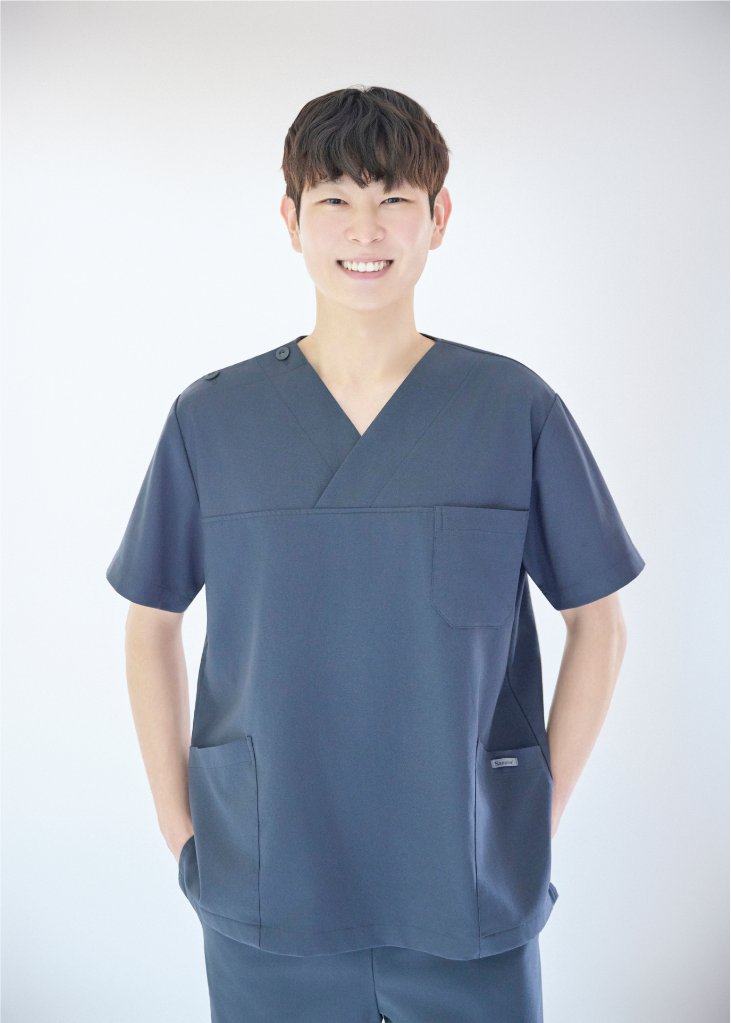
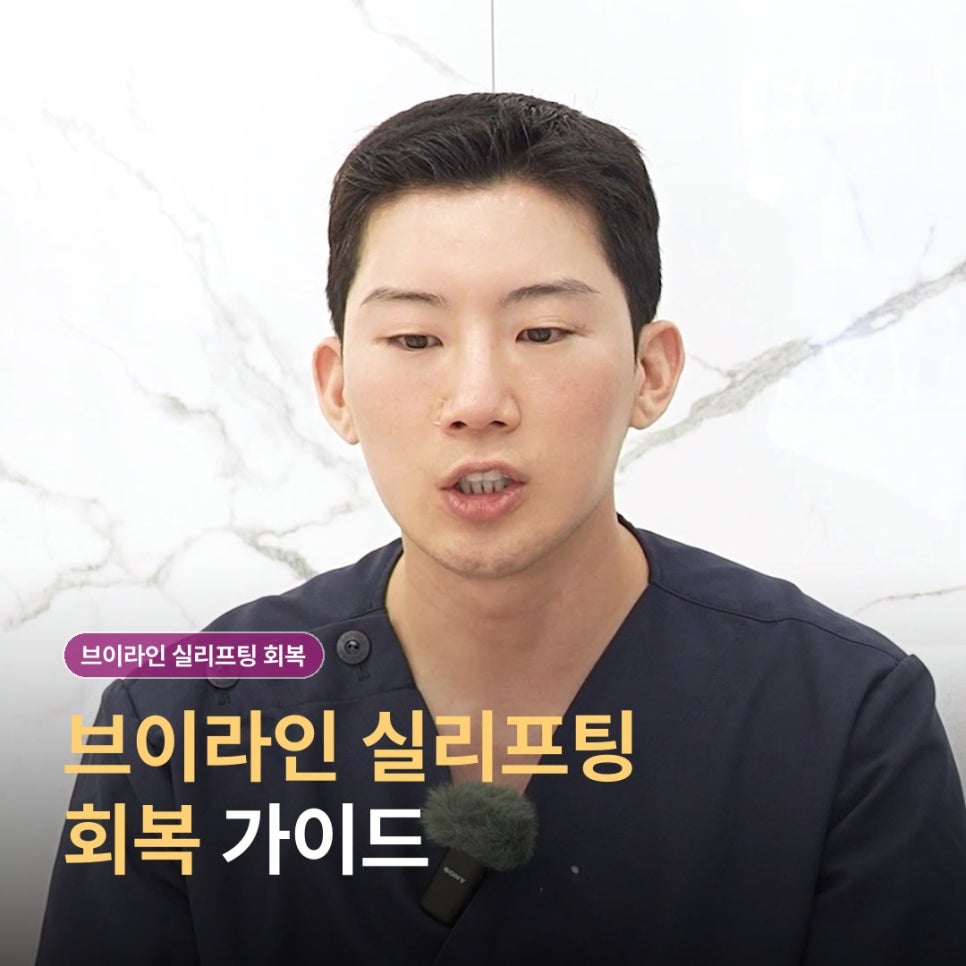
I’m Kim Ha-won from Beauty’s Doctor.
For those considering V-line thread lifting,
one aspect they are just as curious about as the procedure itself
is the recovery process.
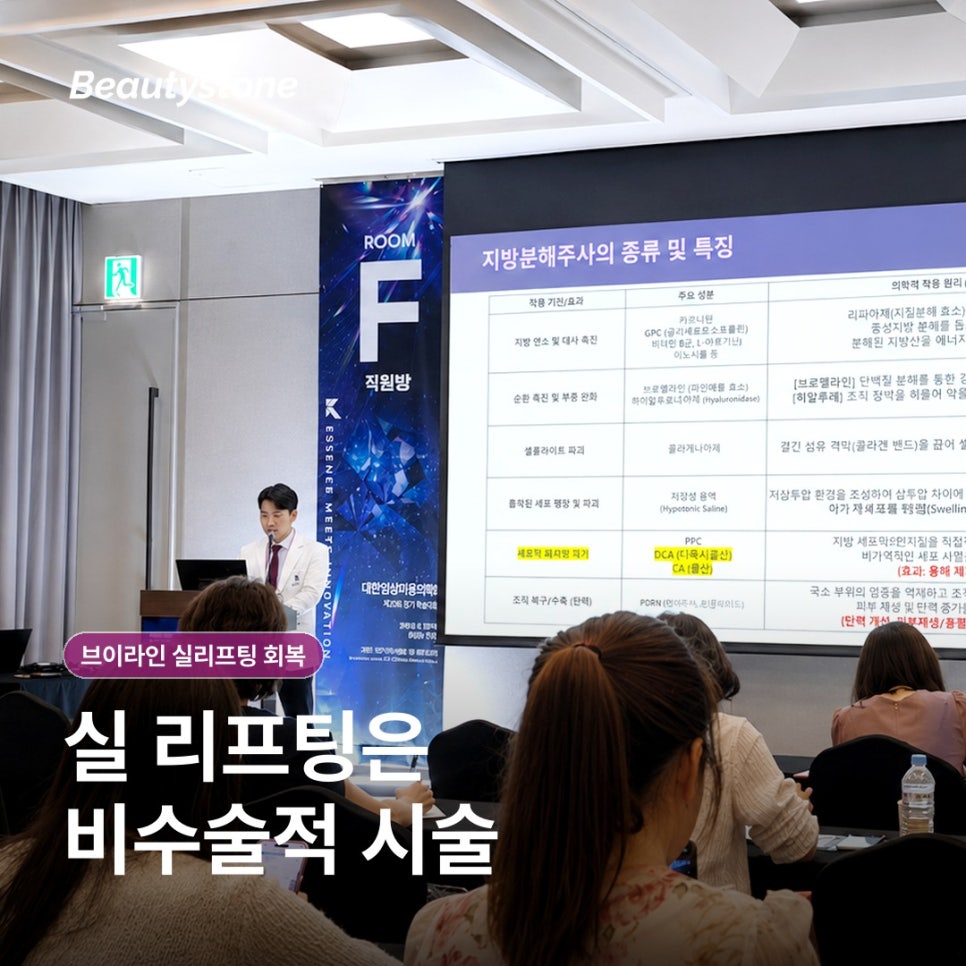
Thread lifting is known as a method that
involves inserting threads beneath the skin
without making an incision
to refine sagging contours.
Compared with other surgical procedures,
it generally allows a relatively quick return to daily activities,
but that does not mean
there is no recovery period at all.
Knowing about the V-line thread lifting recovery process in advance
can help you manage the post-procedure period calmly
without feeling caught off guard.
Facial contours in particular
make swelling or pressure marks easy to notice,
so many people wonder what changes may appear
during the recovery period.
Today, I’ll calmly organize
the changes that may occur at each stage
during V-line thread lifting recovery
and the general care guidelines.
Three-line summary
- The V-line thread lifting recovery process
may vary somewhat depending on the treatment area
and each person’s condition.
- Swelling and a feeling of pressure
may occur during the first few days,
but they often gradually subside over time.
- If you notice anything different from usual
during the recovery period,
it is safer to contact a medical institution
without putting it off and have it checked.
- What changes may occur immediately after the procedure?
Immediately after the procedure,
swelling, tightness,
and a foreign-body sensation as if the area were being pressed
may occur around the sites where the threads were inserted.
These are known to be reactions
that may accompany the process
as the threads support the skin tissue
and settle into position.
However, individual differences exist.
Some people see the swelling subside within a day or two,
while in others
it may remain a little longer.
During the early stages of V-line thread lifting recovery,
washing your face or making facial expressions
may feel somewhat difficult.
During this period, avoid touching your face excessively
or applying strong pressure through massage,
and follow the cleansing method
and sleeping position recommended by your medical team.
If swelling is severe or pain
continues longer than expected,
contact a medical institution
rather than simply dismissing it on your own.
- What should you be careful about during the recovery period?
During the V-line thread lifting recovery period,
it may be helpful to temporarily adjust habits
that place pressure on your face.
Sleeping face down or resting your chin on your hand,
as well as activities that increase blood flow,
such as strenuous exercise and saunas,
may prolong swelling
or affect the position of the threads,
according to the guidance provided.
When sleeping, rather than sleeping with your face pressed against a surface,
it is better to maintain a supine position
so that there is less pressure on your face.
Rather than applying facial treatments that cause irritation,
such as vigorous massage or scrubs,
wash your face gently and moisturize
according to the method recommended by your medical team.
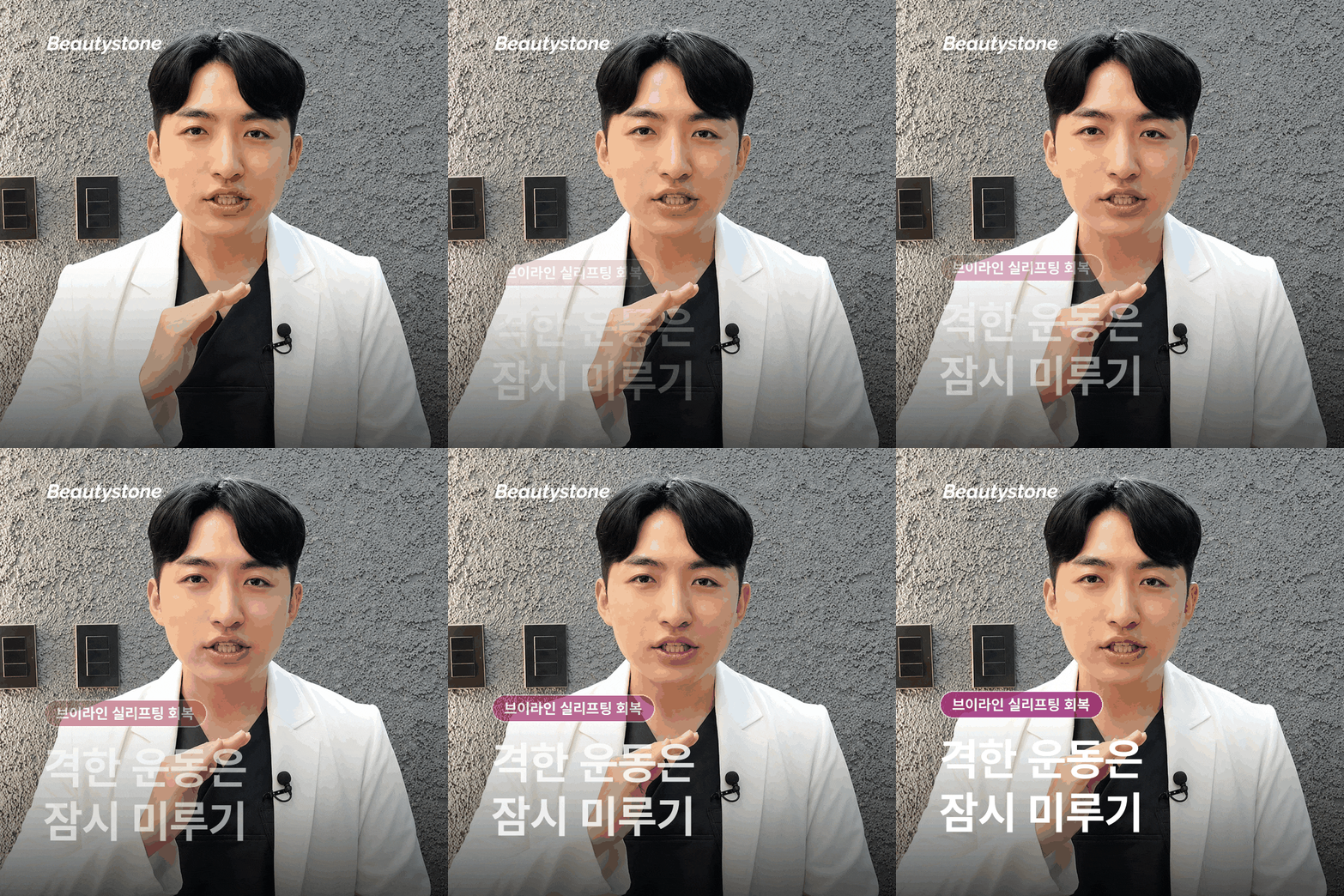
Avoid strenuous exercise and saunas,
and start with light daily activities,
such as walking without overexertion.
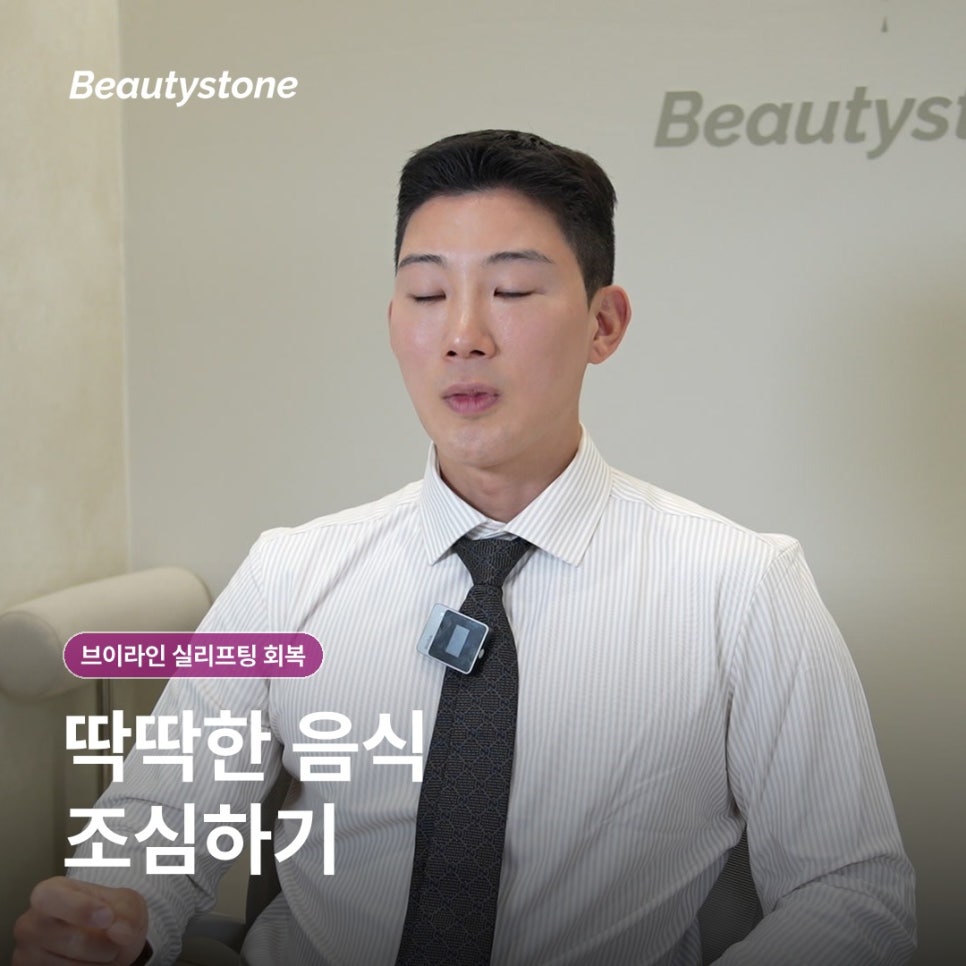
You should also pay attention
to your diet and facial expressions.
Hard or chewy foods
can require greater movement of the jaw muscles,
so choosing soft foods
during the early stages may be a reasonable option.
- When can you return to your daily routine?
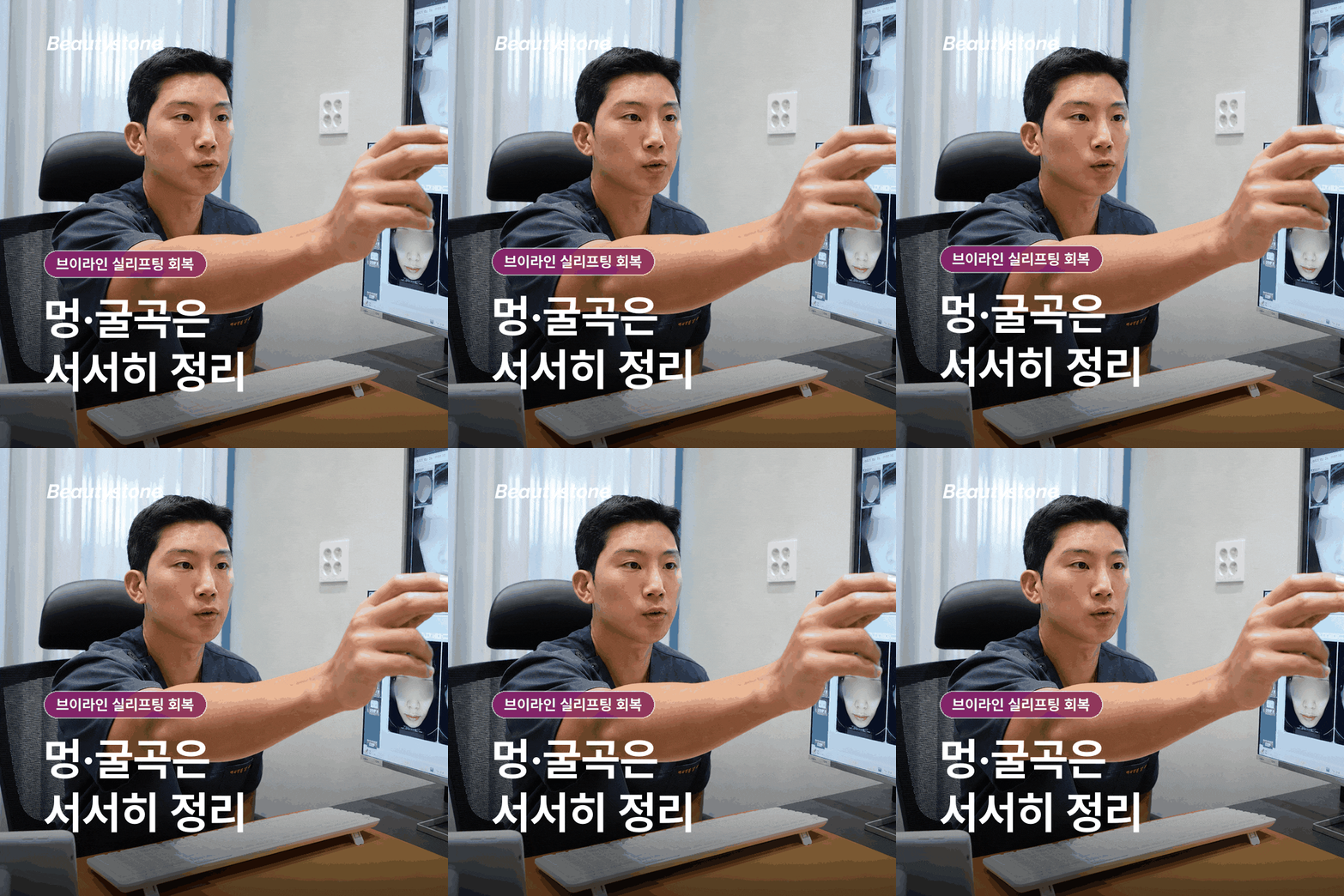
The speed of V-line thread lifting recovery
may vary depending on the type and number of threads used
and the condition of each person’s skin and tissue.
Therefore, it is difficult to specify a particular date
by which recovery will be complete.
However, as swelling and the feeling of pressure
gradually become less noticeable,
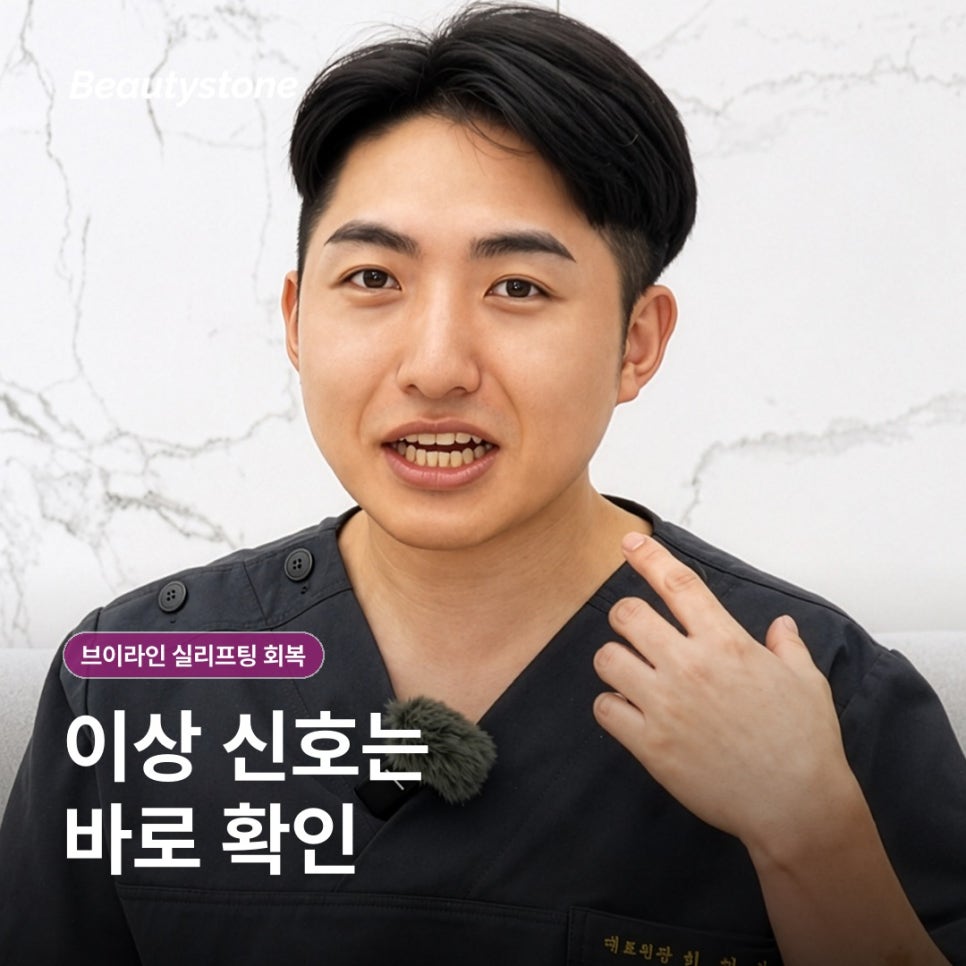
many people are able to have everyday conversations
and make facial expressions within a few days.
It may take a little longer than the point when the swelling subsides
for the threads to settle
and the facial contours to stabilize.
Even if bruising or slight unevenness remains,
it often improves over time.
However, if you are concerned about your condition,
rather than simply ignoring it,
it is advisable to contact the medical institution
where you received the procedure
to have your progress checked.
In closing
V-line thread lifting recovery
may progress at different speeds
and in different ways for each person.
Rather than setting your recovery schedule
based only on other people’s experiences,
it is better to approach the process with sufficient time
based on your own physical condition.
Reactions that may accompany the procedure,
such as swelling, bruising, and a foreign-body sensation,
often subside over time.
However, if you notice anything different from usual,
such as worsening pain
or a feeling of heat and suspected inflammation,
you should not put it off and should consult a medical professional.
Frequently asked questions
Q1. How long does swelling last during V-line thread lifting recovery?
Although individual differences exist,
swelling is often most noticeable during the first few days
and then gradually subsides.
If the swelling lasts longer than expected
or worsens significantly along with pain,
it is advisable to have your condition checked
through a consultation.
Q2. Can I wash my face immediately after thread lifting?
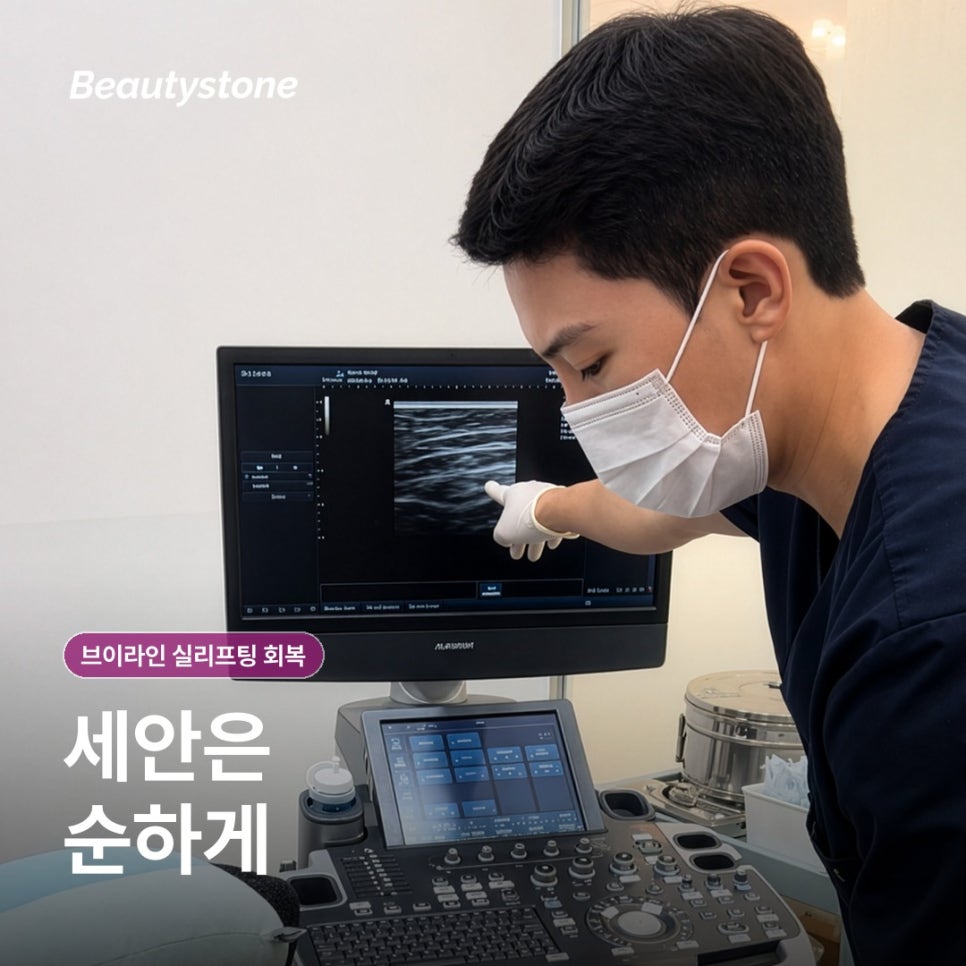
To reduce irritation to the treatment area,
the method and timing of cleansing on the day of the procedure
should follow the guidance
provided by your medical team.
It is best to avoid rubbing vigorously
or using scrubs during the early stages of recovery.
Q3. When can I exercise during the recovery period?
Strenuous exercise can increase blood flow to the face
and may cause swelling to last longer.
During the early stages, focus on light activities,
and gradually increase the intensity of exercise
while monitoring your V-line
thread lifting recovery.
Q4. What should I do if I notice unusual symptoms during recovery?
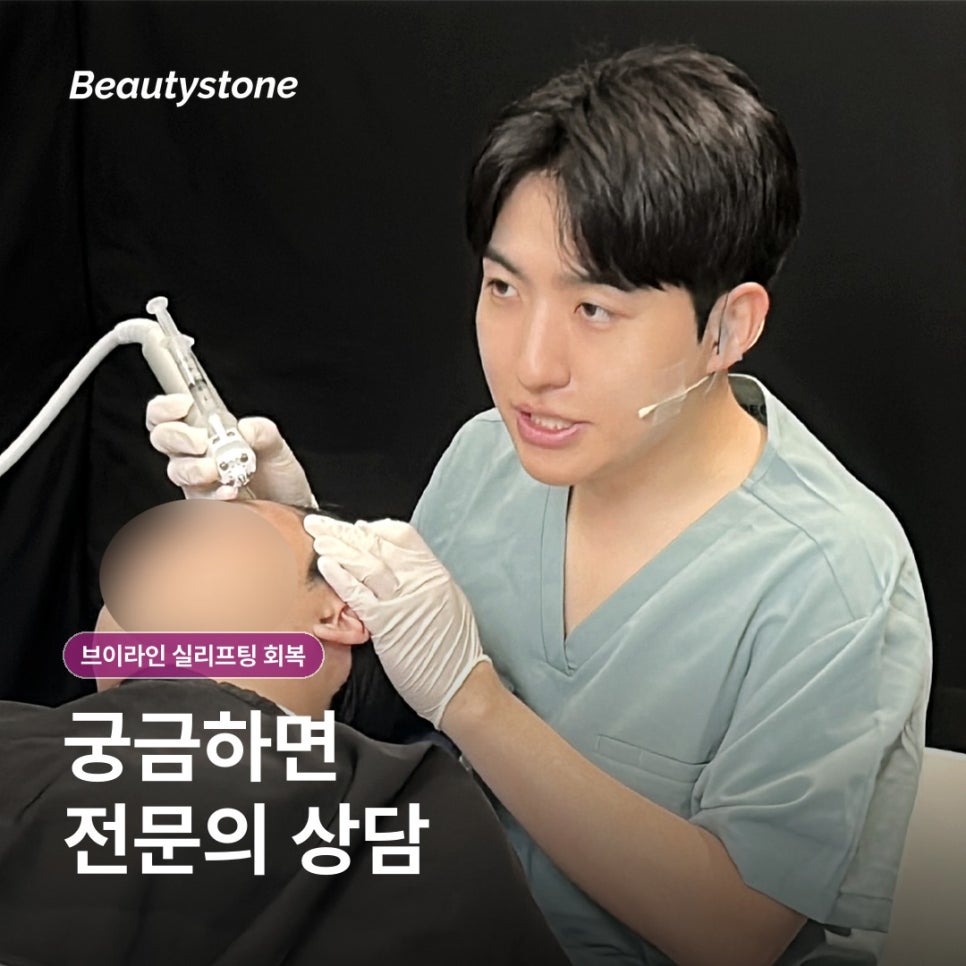
If you notice signs different from usual,
such as a feeling of heat, severe swelling,
or purulent discharge,
it is best not to rely solely on self-care.
Contact the medical institution where you received the procedure
or a nearby medical institution
and have your condition checked
and consult a medical professional.
Thank you for staying with me through this long post today.
This was Kim Ha-won from Beauty’s Doctor.