Hello.
I’m Kim Gaeul from Beauty’s Doctor.
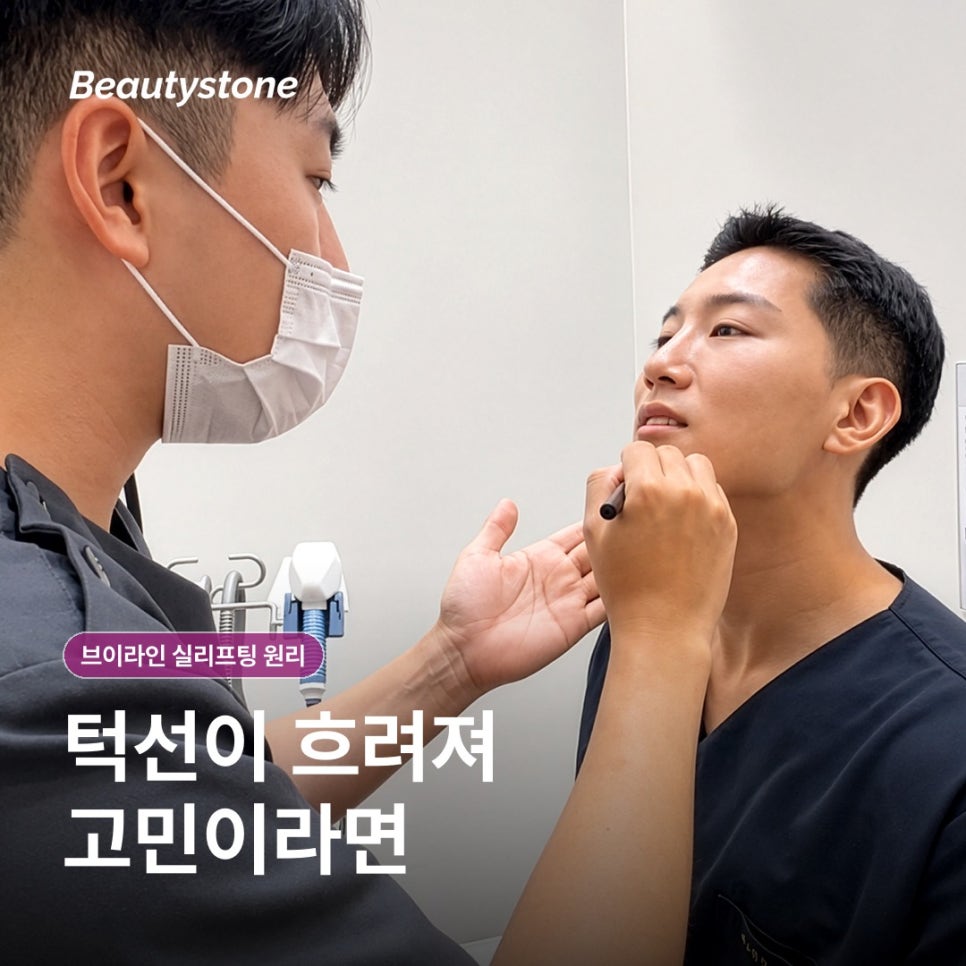
When the jawline becomes less defined
or the lower part of the face looks wider,
many people look into
how V-line thread lifting works.
It is easy to think of it
simply as a procedure that pulls the skin
with threads,
but the shape and direction of the threads,
as well as the condition of the tissue,
must be considered together.
Knowing the basic principles
and the recovery process before your consultation
can help you organize
the questions that apply to your condition.
3-Line Summary
- V-line thread lifting works by inserting threads beneath the skin
and using both the physical response
and the tissue response.
- Depending on the thread material and shape,
as well as the insertion range,
individual differences may occur
in the noticeable changes
and the recovery process.
- Before the procedure,
inform the medical staff about any medications you take
and previous procedures,
and make sure you receive an explanation
of aftercare methods
and warning signs.
1. How does V-line thread lifting work?
The key principle of V-line thread lifting
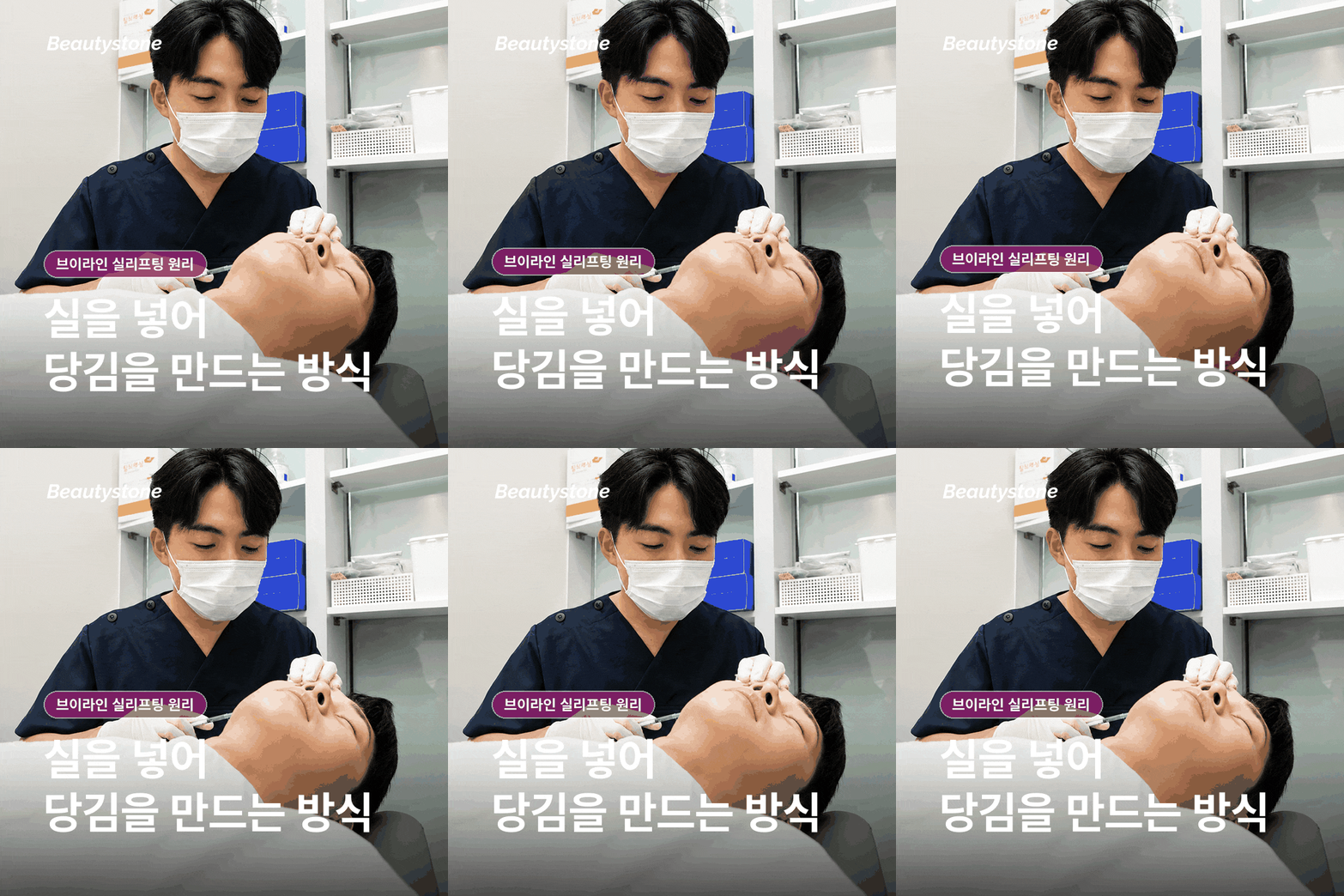
is inserting fine threads
beneath the skin, near the fat layer,
using a dedicated cannula or needle.
Products with tiny projections, called cogs,
on the surface of the thread
provide additional tissue-gripping force,
while smooth threads
are used more like supports.

Immediately after insertion,
the physical pulling force created by the threads themselves
may make the facial contour appear somewhat more defined.
Over the following several weeks,
nearby tissue responds
and collagen gradually forms.
These two stages overlap,
which is how the principle of V-line thread lifting
can be understood.
However,
skin thickness, fat distribution,
and the degree of sagging
vary from person to person,
so even with the same procedure,
there can be individual differences
in the extent and speed of noticeable changes.
Because this is difficult to determine in advance
from photographs or measurements alone,
it is important to have a consultation
in which your facial structure is examined directly.
2. What should you be careful about before and after the procedure?
Even if you understand
how V-line thread lifting works,
there is no need to decide
on the type or number of threads first.
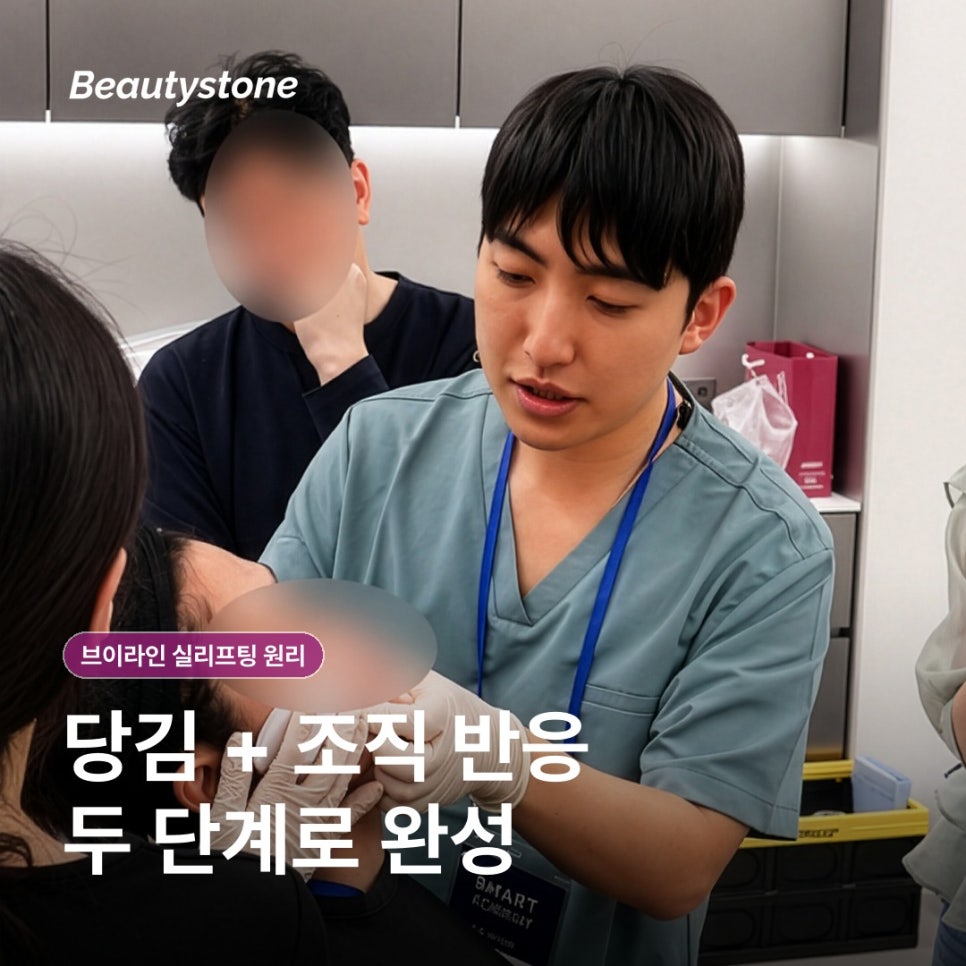
The treatment plan should be established
after examining your skin thickness,
fat distribution,
the direction of sagging,
and facial expression habits during the consultation.
Please also inform the medical staff
about any recent procedures or surgeries,
allergy history,
as well as medications
and health supplements you are taking.
If you are taking medication
that may affect bleeding,
do not stop taking it on your own;
consult the healthcare professional who prescribed it.
You should also check in advance
the thread material and insertion areas,
the anesthesia method,
the expected recovery process,
and the estimated cost range.
3. What are the sensations during the procedure and the recovery process like?
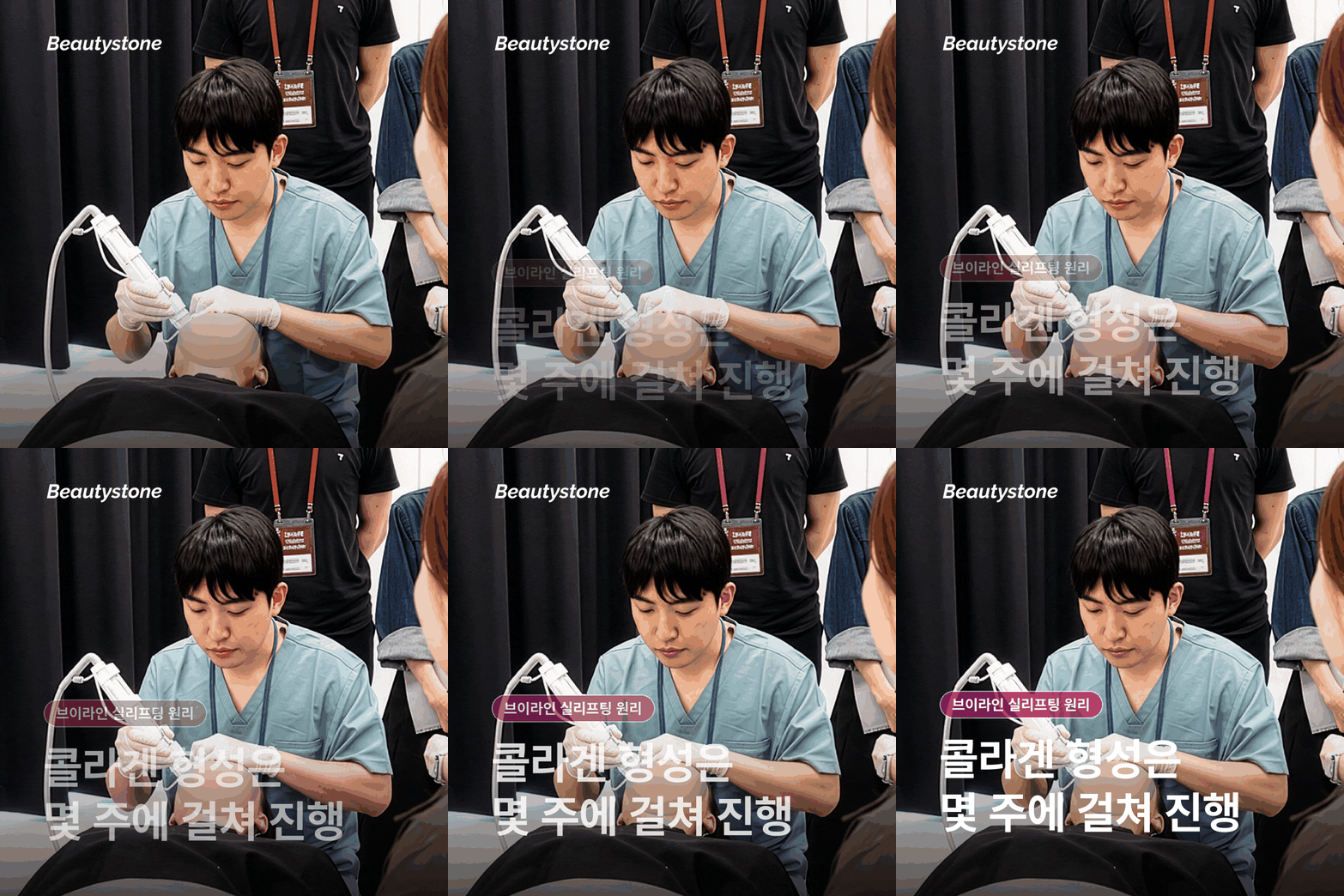
During the procedure,
along with the slight stinging from the anesthesia,
you may feel pressure,
a pulling sensation,
or soreness.
The sensation varies depending on
your pain sensitivity
and the extent of the procedure,
and swelling, bruising,
or discomfort when pressed
may occur afterward.
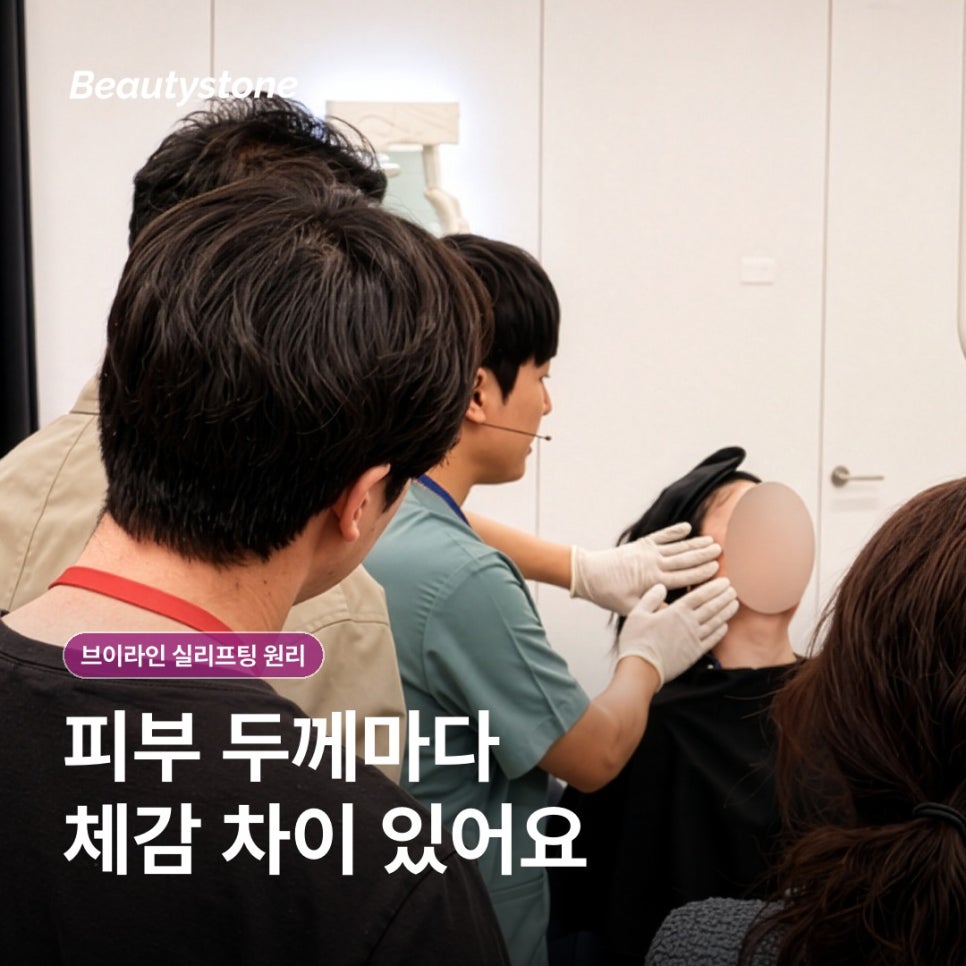
At first, you may feel pulling
when opening your mouth wide
or making facial expressions.
The recovery speed may vary
depending on your skin condition
and the insertion range,
so it is difficult to set
a uniform timeline for returning to daily activities.
4. How should you care for the treated area afterward?
Even if you understand
how V-line thread lifting works,
you should follow the instructions
from the medical institution where you received the procedure
as your first priority during recovery.
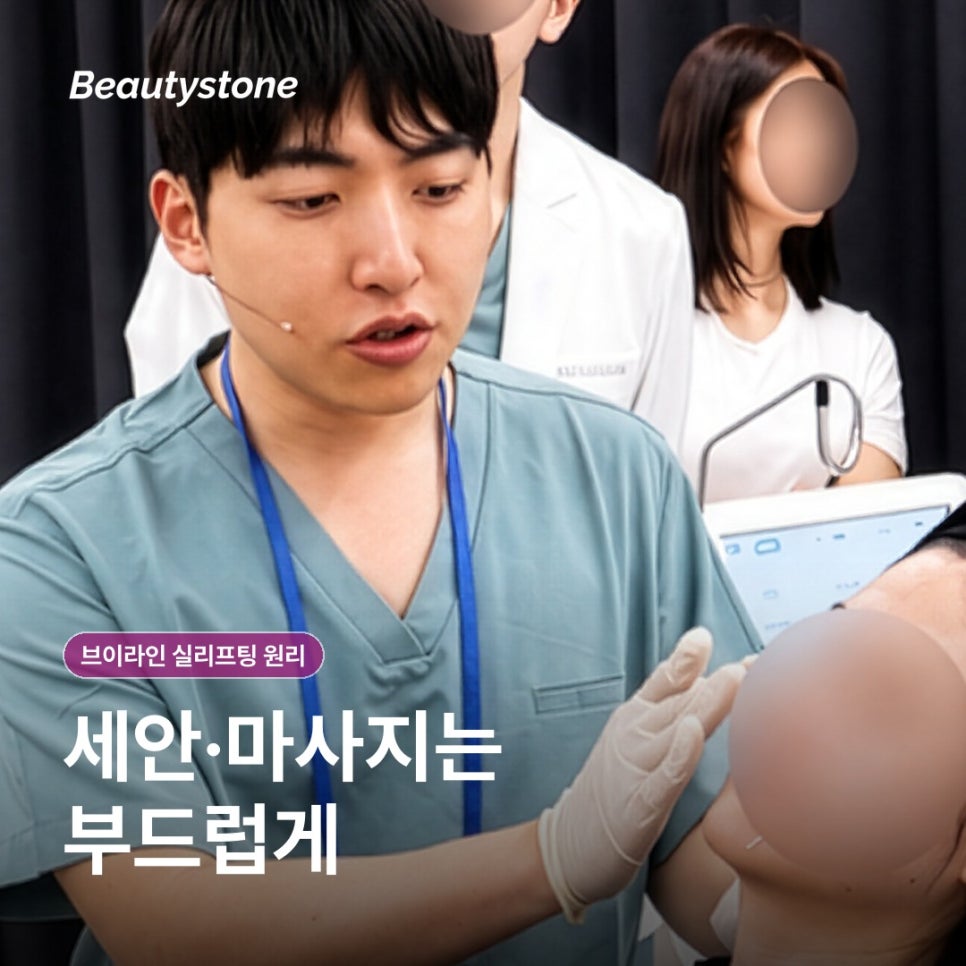
When washing your face,
do not rub the treated area vigorously,
and avoid massages or strong pressure
for the period specified in your instructions.
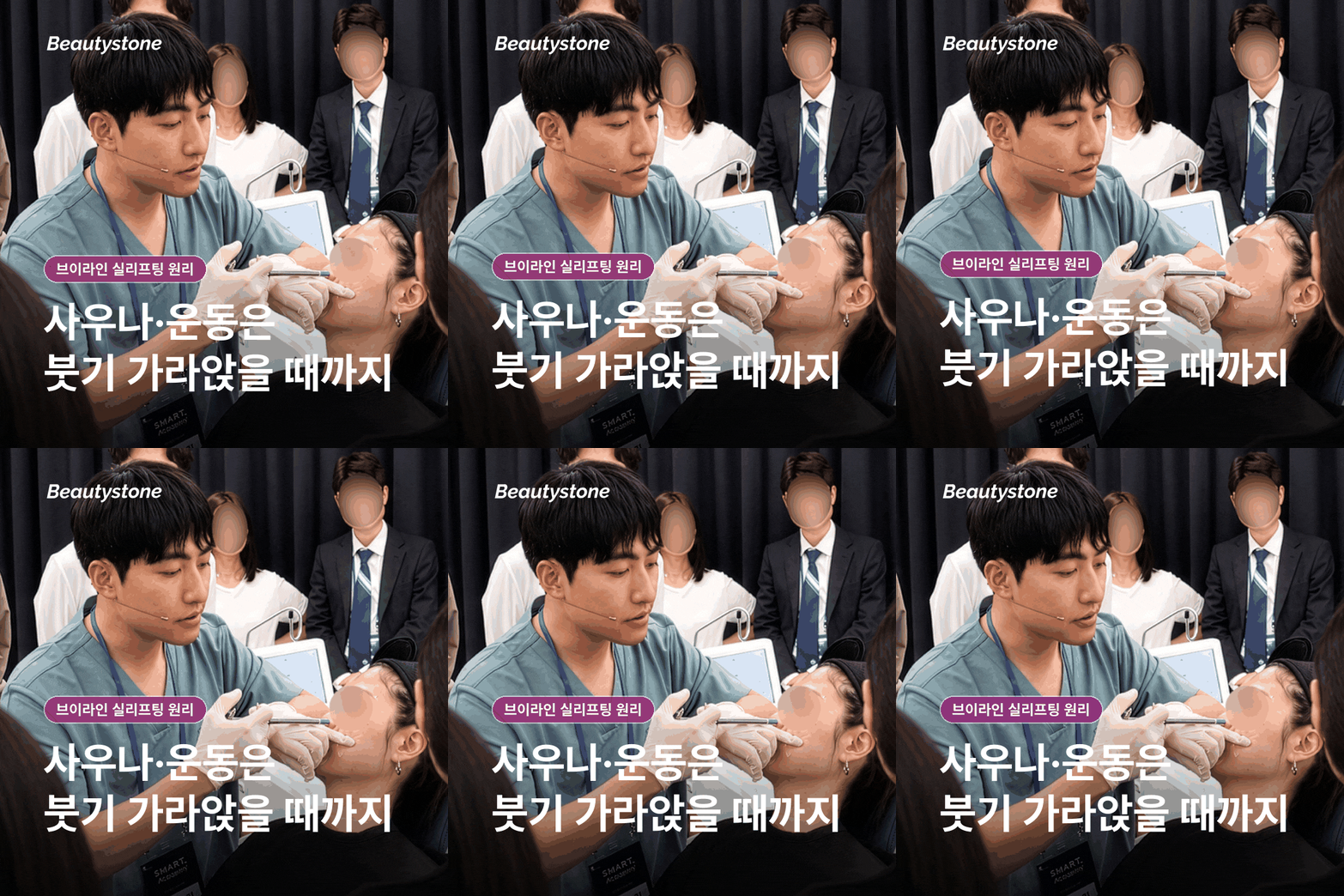
For activities that may cause a feeling of heat,
such as saunas, strenuous exercise,
and drinking alcohol,
it is better to resume them gradually
while monitoring your recovery.
Use moisturizer within the limits
that do not irritate the insertion areas,
and remember to apply sunscreen
when going outdoors.
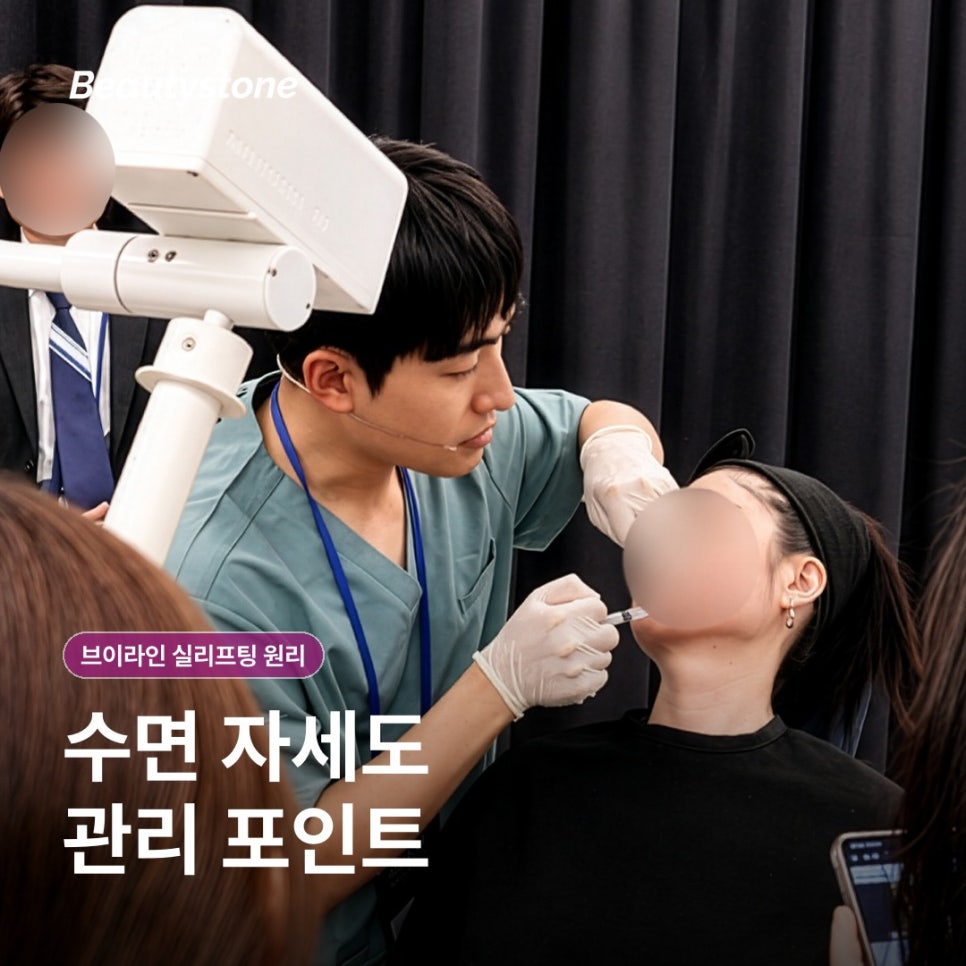
Self-care
is primarily intended to support recovery.
Whether threads are needed
and the direction in which they should be inserted
must be determined through a medical consultation.
5. How should you determine the number of procedures, intervals, and warning signs?
Thread lifting is not a procedure
that everyone needs.
There is also no fixed answer
for the number of threads needed at one time
or the interval before another procedure.
Depending on the thread material and insertion method,
as well as the rate of changes in your skin,
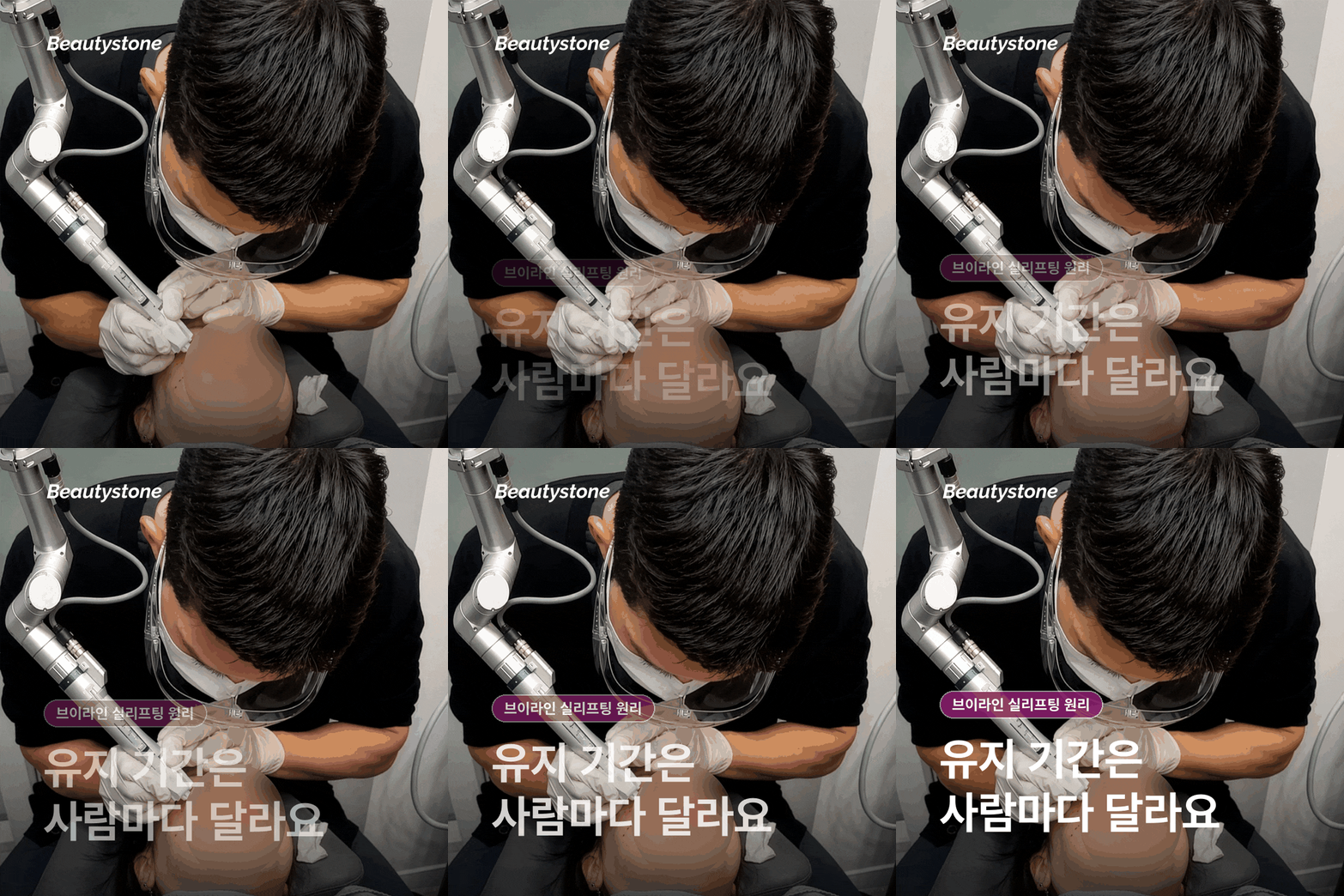
there may be individual differences
in how long the effects last
and how noticeable they feel.
Swelling or bruising may occur,
but if pain gradually worsens
or warmth and redness increase,
it should be monitored carefully.
You should also contact the medical institution where you received the procedure
rather than waiting and judging on your own
if discharge or thread exposure occurs,
or if noticeable asymmetry persists.
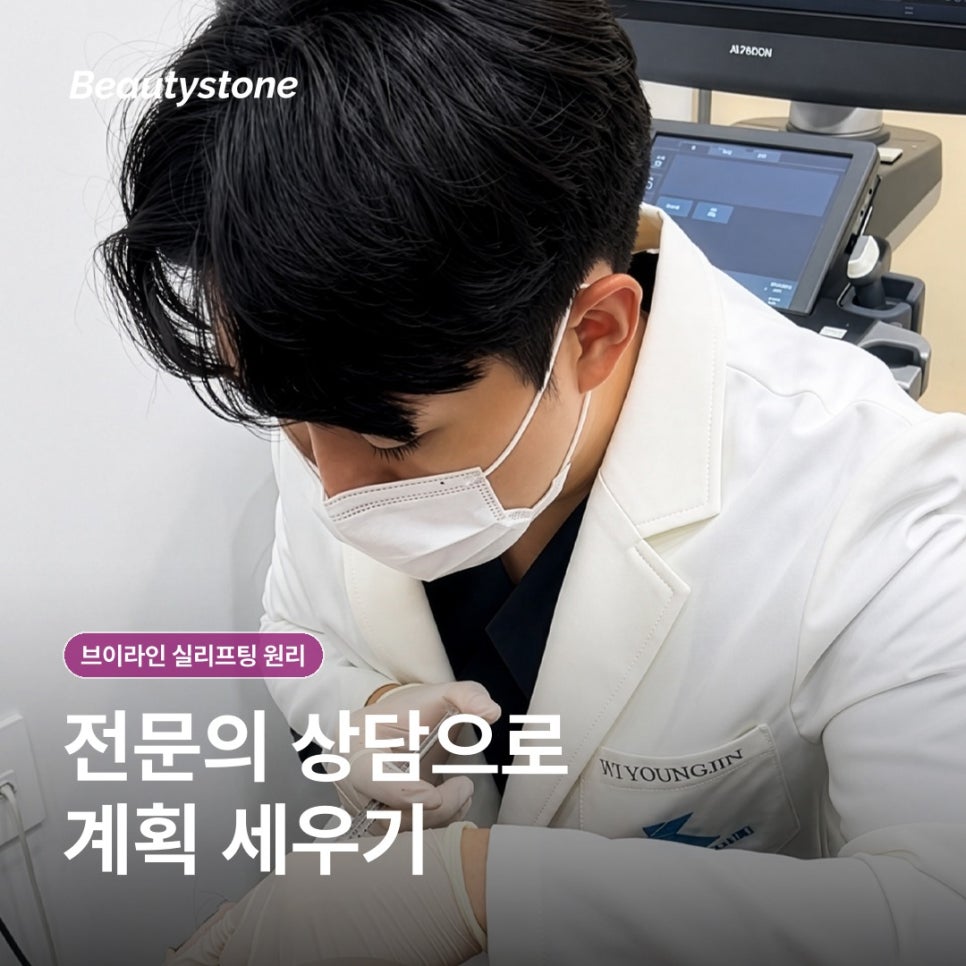
After thread lifting,
skin indentation, asymmetry, and pain,
as well as irregular contours
or thread exposure,
have been reported.
In closing
Understanding
how V-line thread lifting works
in advance
allows you to ask more specific questions during your consultation
about why a particular thread is selected
and what the recovery process will be like.
However, rather than determining the treatment area needed
based only on photographs or reviews,
the first step is to directly examine
your current facial structure and skin condition.
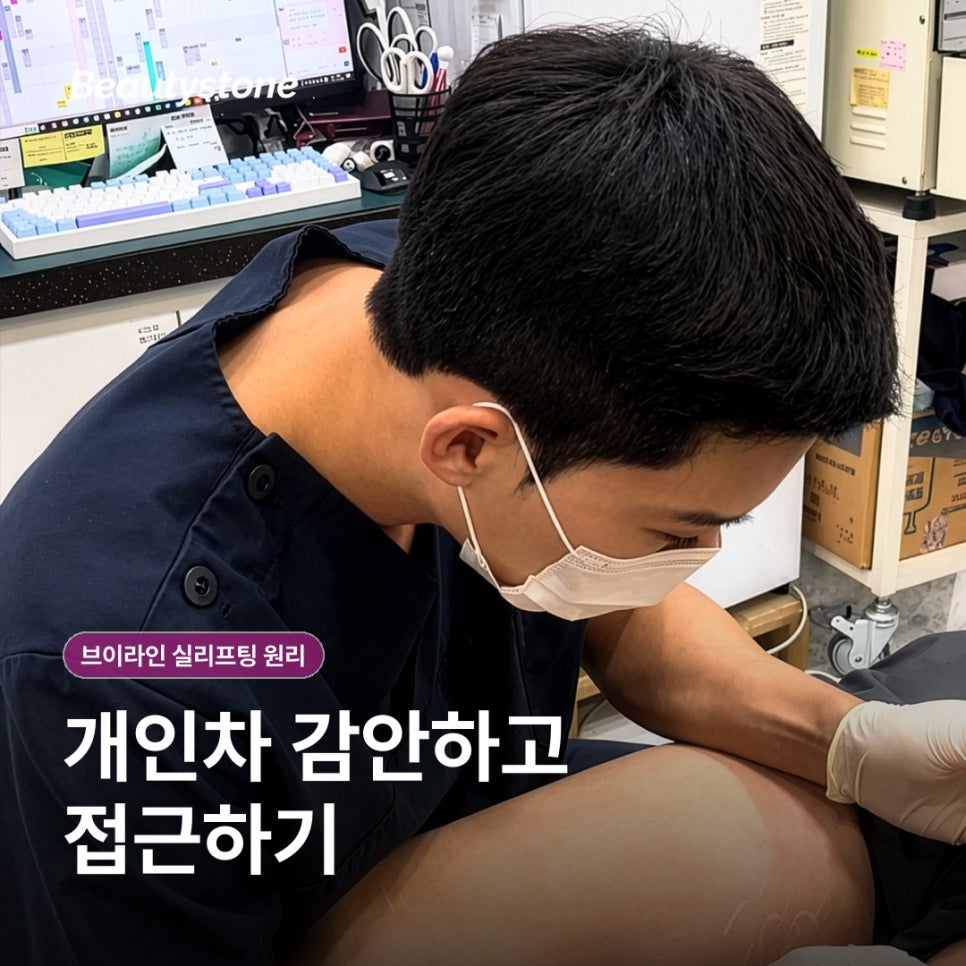
The timing and extent of noticeable changes
vary from person to person,
and the number of procedures and intervals
cannot be determined uniformly.
Please listen to a sufficient explanation
before deciding whether to undergo the procedure.
Frequently Asked Questions
Q. Can changes in the jawline be seen immediately after the procedure?
The jawline may look different
because of the physical pulling force,
but swelling may also occur,
so it is difficult to judge based only on the initial appearance.
It is better to monitor the progress
while observing the recovery process
and the condition of the tissue.
Q. How many times do I need to receive the procedure?
The number of procedures and intervals needed
may vary depending on the degree of sagging,
the type of thread,
and your history of previous procedures.
Rather than applying a fixed number of procedures as-is,
the plan should be tailored to your current condition
after a medical consultation.
Q. What should I do if I notice an abnormal reaction?
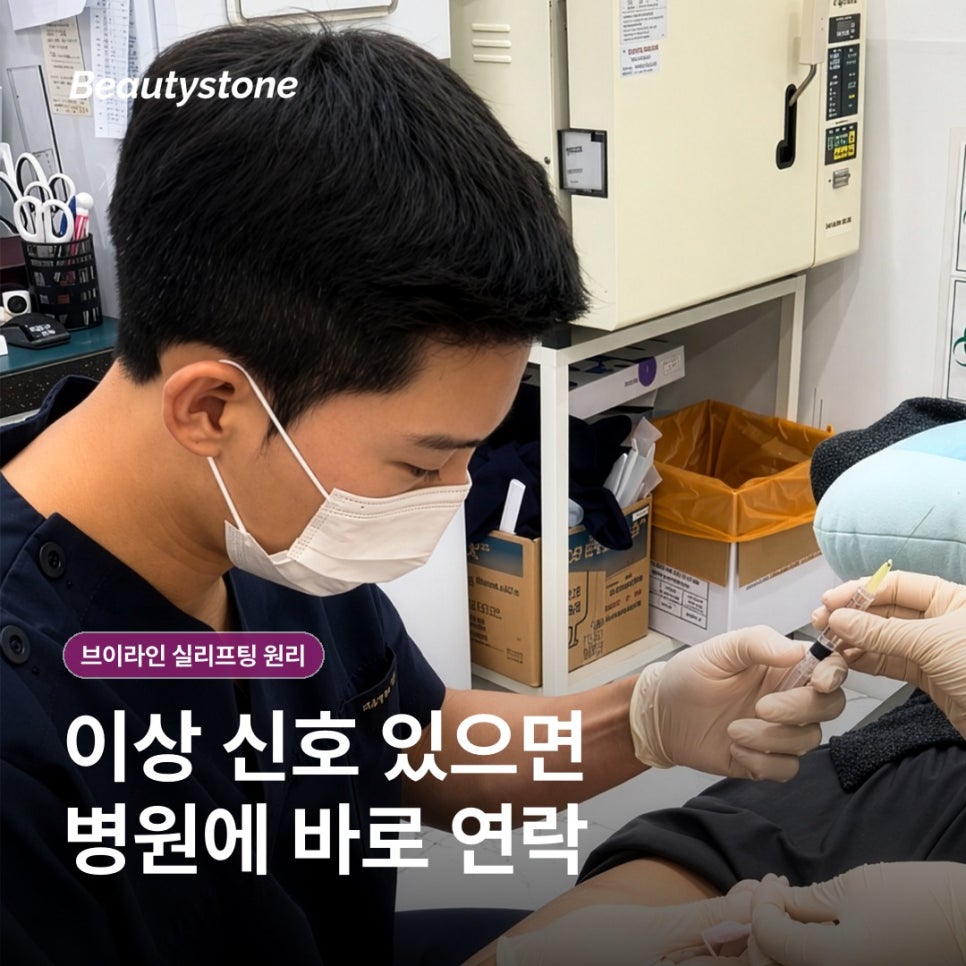
If pain or swelling worsens,
or warmth, discharge,
thread exposure, or asymmetry persists,
you should contact a medical institution.
If unusual symptoms persist or become more severe,
please contact the medical institution
where you received the procedure
for evaluation.
Thank you for reading this lengthy post today.
This has been Kim Gaeul.