Hello.
I’m Wi Young-jin from Beauty's Doctor.
When you are concerned about visible discoloration, such as melasma or blemishes, it is common to start by searching for the name of a device.
However, even pigmentation that looks similar may require a different approach depending on whether it is located in the epidermis or dermis,
or whether it is a mark left behind after inflammation.
When looking into pico lasers as well, you should first distinguish the type of pigmentation and your skin’s reaction rather than focusing on whether the device is well known.
3-Line Summary
-
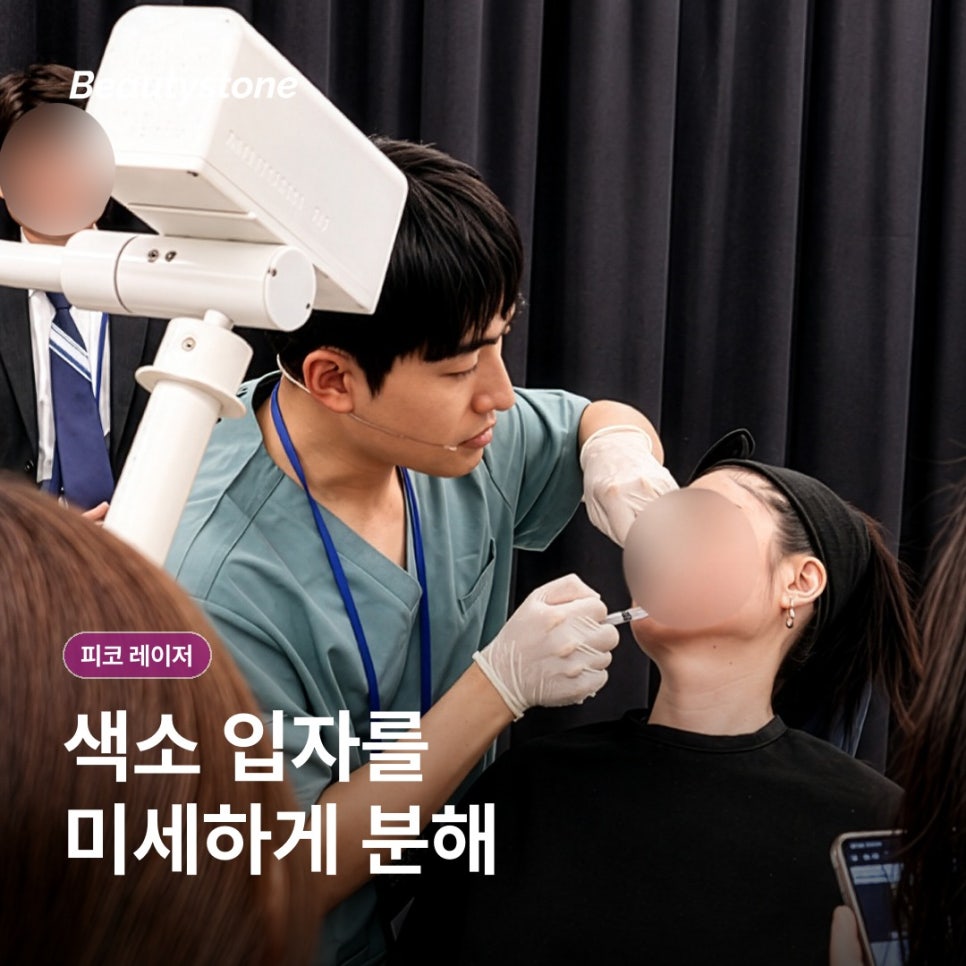
A pico laser delivers energy in an extremely short period of time, causing a photomechanical reaction in the pigment particles.
-
The scope of application varies depending on the wavelength and delivery mode, so procedures with the same name may be performed differently.
-
After the procedure, maintain moisturization and sun protection, and contact a medical institution if an unusual reaction continues.
1. What Is the Principle Behind a Pico Laser?

A picosecond is one-trillionth of a second.
Energy is delivered over a short period of time and used to break pigment particles into smaller pieces.
Depending on the device’s wavelength, lens, and delivery method,
it may primarily target melanin pigmentation,
or use divided energy to address skin texture.
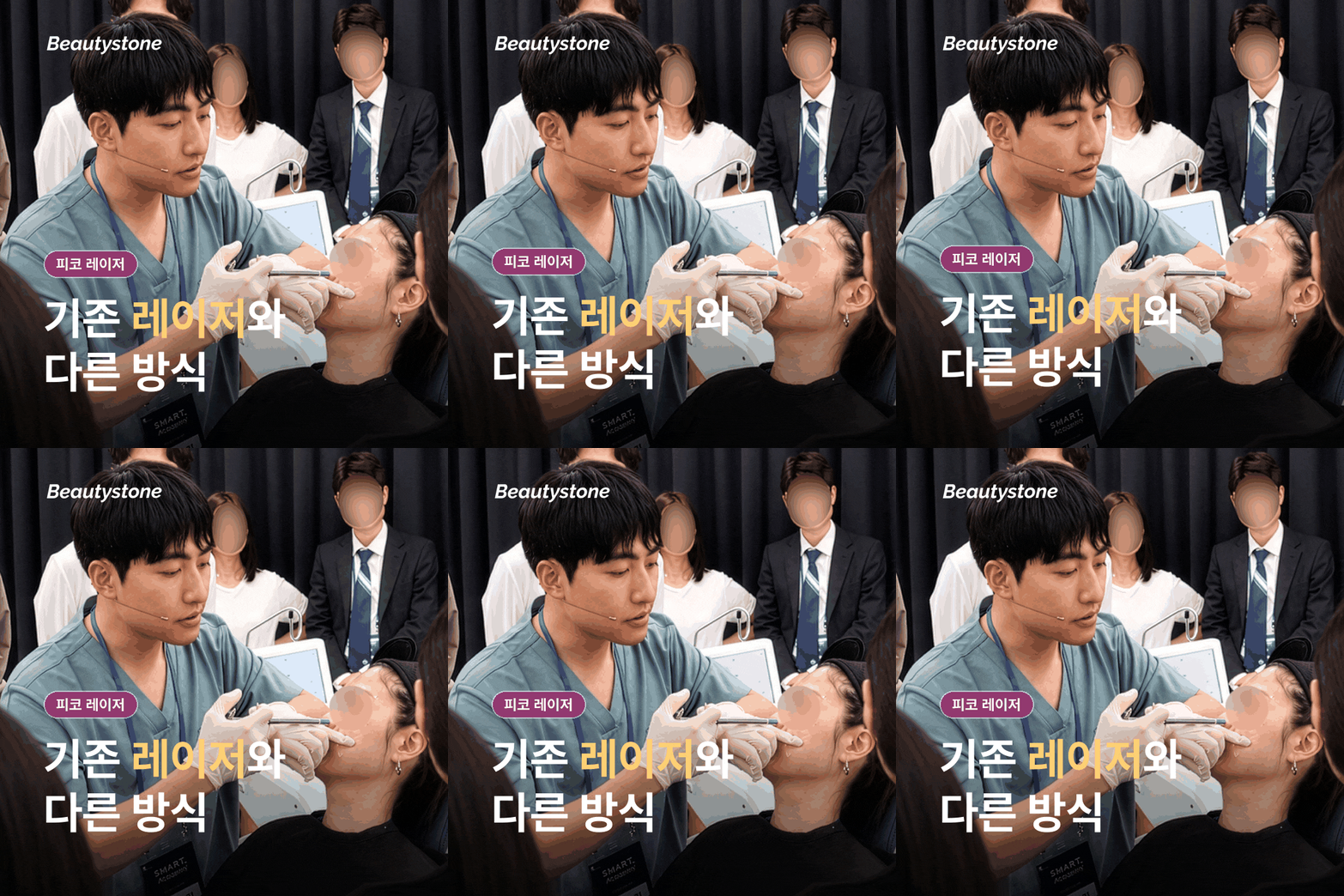
In other words, it is difficult to conclude that the same approach can be applied to all pigmentation or scars simply because the treatment uses picosecond pulses.
Melasma, blemishes,
freckles, and tattoo pigment
may look similar on the surface, but their location and reactions can differ, so they are distinguished and assessed during the consultation and examination process.
2. What Should Be Checked Before the Procedure?
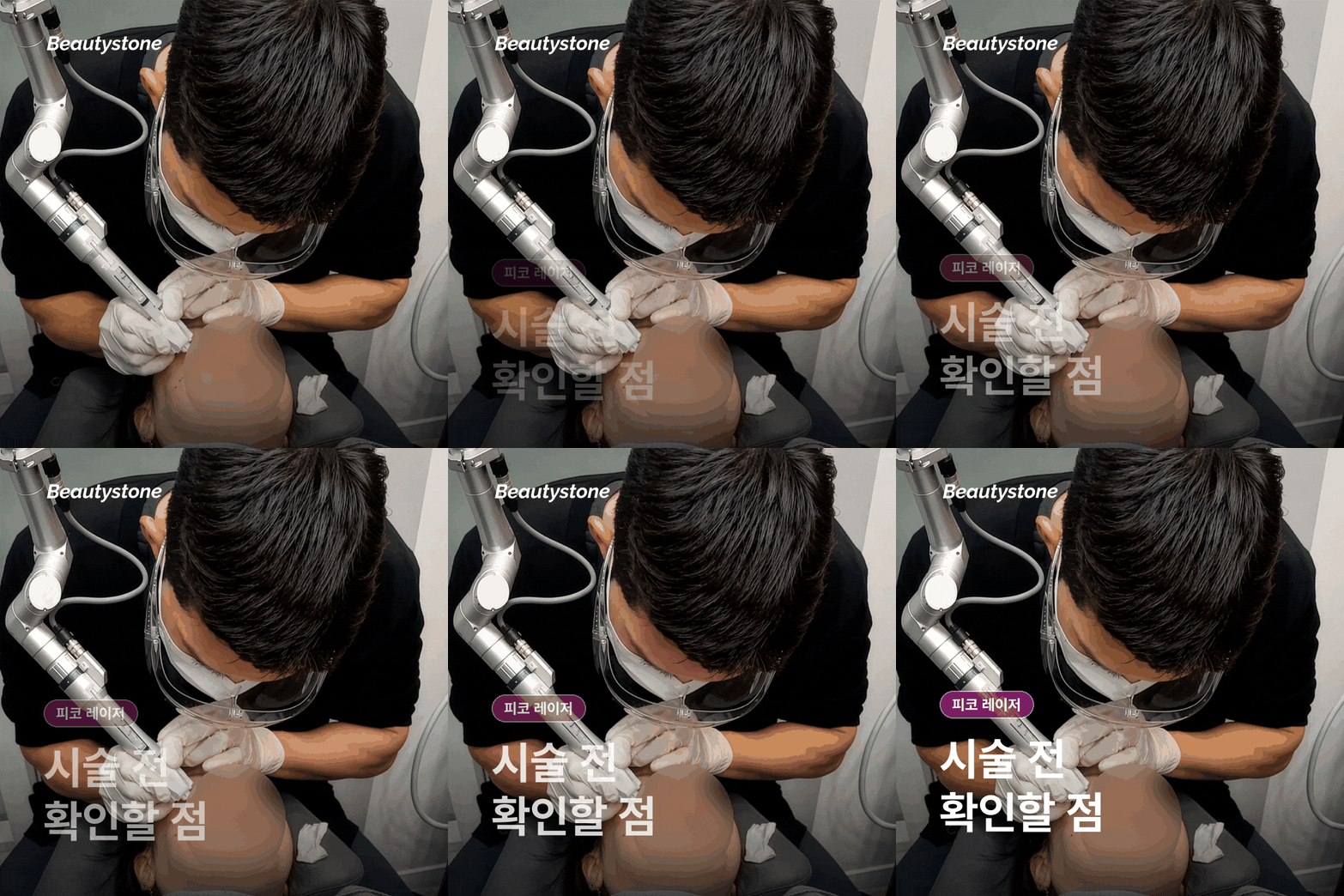
Before a pico laser procedure, it is important to first check whether you have recently tanned or been exposed to strong sunlight.
If your skin is red or stinging, or if you have wounds or inflammation, it may be appropriate to postpone the procedure.
Please also inform the medical staff during your consultation about any medications you are taking, topical ointments you are using,
any history of photosensitivity reactions,
and other procedures you have recently received.
If you have previously experienced pigmentation that remained easily or have a history of keloid scars, you should mention that as well.
This procedure is not necessary for everyone,
so you should confirm whether it is needed and which mode is appropriate through a medical consultation.
3. What Sensations Might You Feel During the Procedure?
Depending on the treatment area, output level, and delivery mode, you may feel a mild prickling sensation, as if something is lightly snapping against the skin, or a feeling of warmth.
In areas with darker pigmentation,
the momentary stimulation may feel somewhat more pronounced, and whether anesthesia is used also varies depending on how the procedure is performed.
Rather than pushing through significant discomfort,
it is better to immediately report what you are feeling
so that the settings can be adjusted according to your skin’s reaction.
The intensity of the sensation varies from person to person,
and even the same person may experience it differently depending on the area and treatment session.
4. How Should You Care for Your Skin After the Procedure?
After a pico laser procedure, redness and a burning sensation,
as well as mild swelling or tiny scabs, may temporarily appear.
Things to avoid include removing scabs with your hands, using scrubs or peels,
or applying irritating functional products immediately afterward.

Instead, gently cleanse your skin, maintain moisturization,
and apply sunscreen thoroughly before going outdoors.
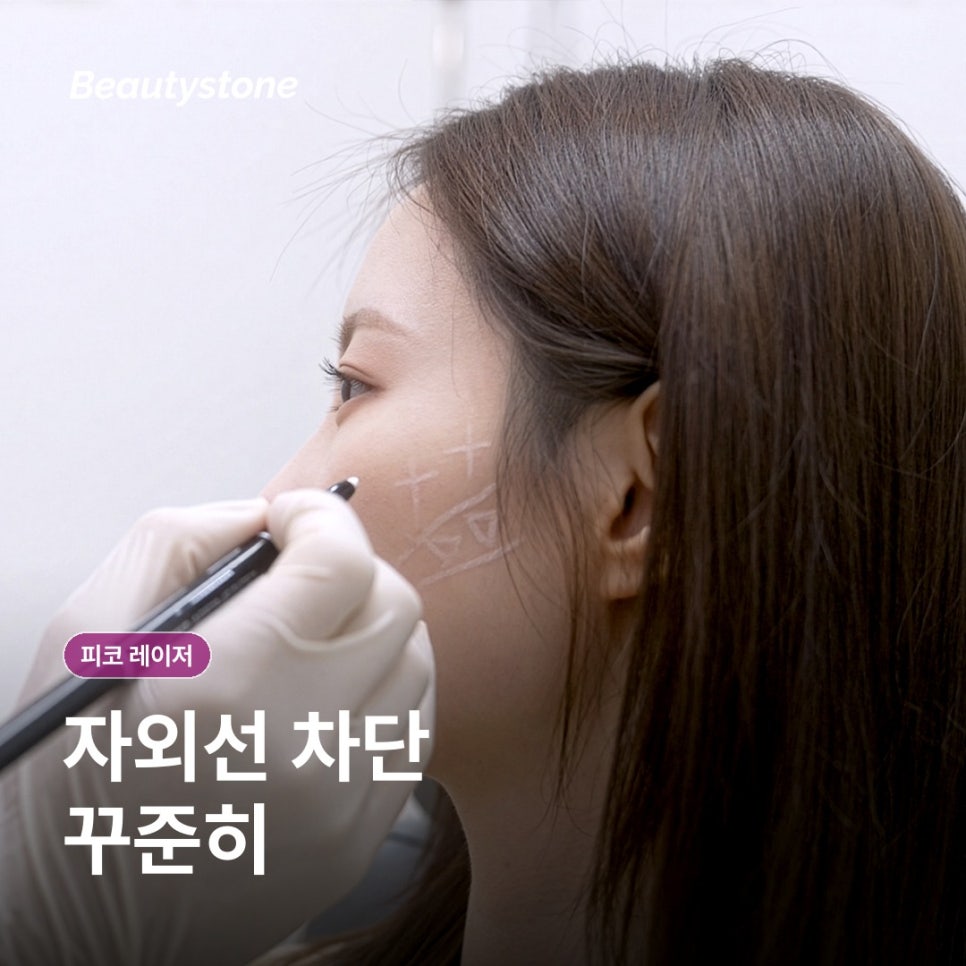
Please also avoid activities that increase warmth, such as saunas, heated bathhouses, excessive drinking, and strenuous exercise, during the period recommended by your provider.
If scabs form,
wait until they fall off naturally,
and start wearing makeup only after checking your skin’s reaction and within a range that does not cause irritation.
5. How Are the Number and Interval of Treatments Determined?
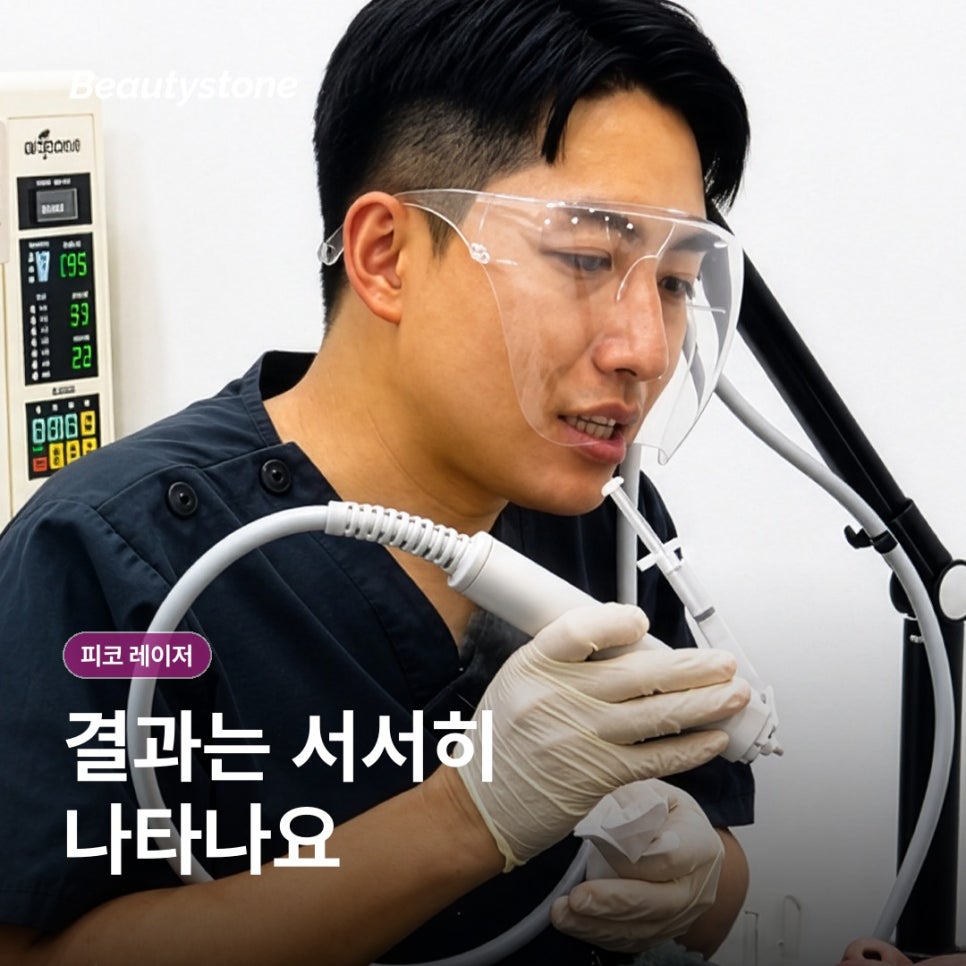
The number of treatments cannot be uniformly determined because the type and depth of the pigmentation, skin tone,
and the wavelength and delivery mode used may all differ.
Rather than trying to finish quickly with one intense treatment,
it is necessary to adjust the intervals and intensity while checking your skin’s response after each session.
Self-care helps reduce exposure to sunlight and friction
and protect the skin barrier.
In contrast, a medical consultation involves distinguishing the cause of the pigmentation
and determining whether a laser is necessary
or whether another form of care would be more appropriate.
In Closing
A pico laser is one of the methods used for pigmentation concerns,
but the treatment approach cannot be determined based on the device name alone.
Pigmentation that appears similar may have different causes and depths,
and the recovery process and the time at which results are noticeable may also vary depending on each person’s skin condition.
If blisters, severe pain, oozing,
or swelling and redness that gradually worsen occur after the procedure, please do not apply additional products on your own.
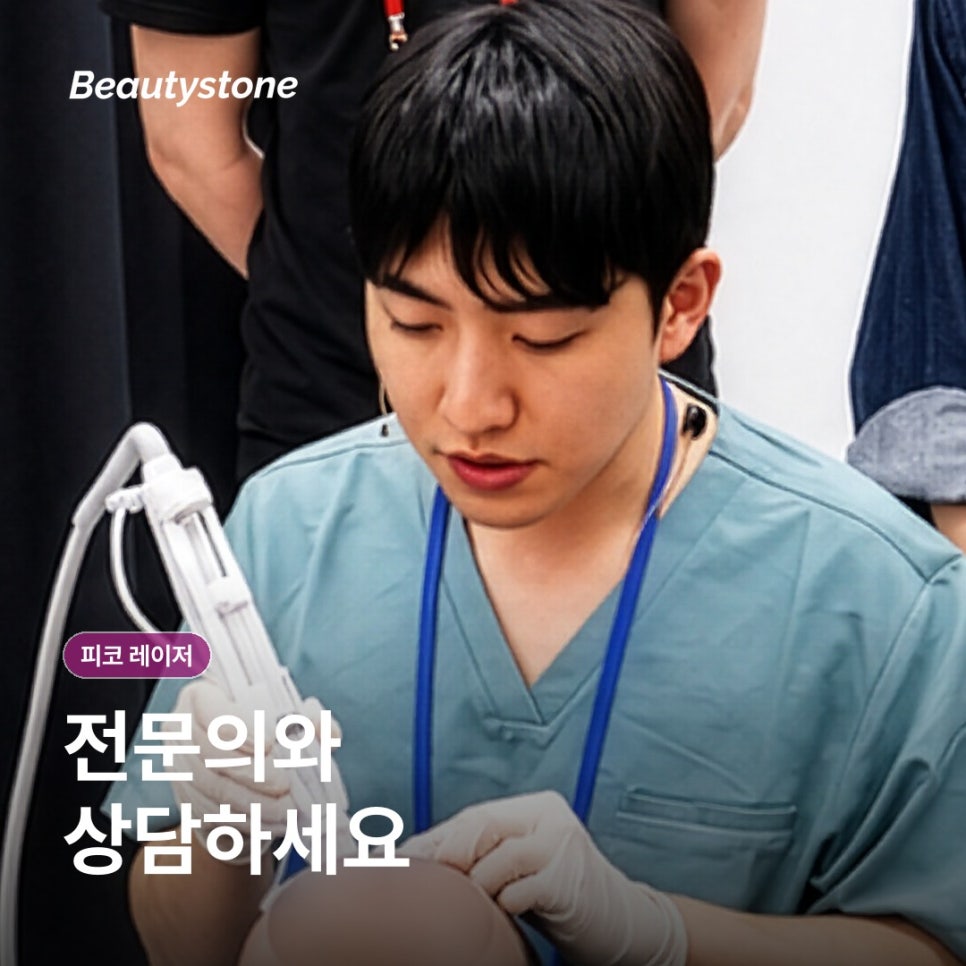
If unusual symptoms persist or worsen,
contact the medical institution where you received the procedure to have your current condition assessed.
Frequently Asked Questions
Q. How many treatments will I need?
The number varies depending on the type and depth of the pigmentation
and your skin’s reaction, so it is difficult to provide a fixed number of sessions.
It is appropriate to adjust the intervals and intensity while observing your response after each session.
Q. Is it okay if scabs form after the procedure?
Tiny scabs may form depending on the mode used and the condition of the pigmentation.
Do not remove them forcibly. Maintain moisturization and sun protection,
and contact the medical institution if the affected area widens or begins to ooze.
Q. How is it different from regular laser toning?
There may be differences in pulse duration, wavelength, and the method of energy delivery.
Rather than deciding that one method is better, you should confirm whether the approach is suitable for your current pigmentation.
Q. Can I wear makeup immediately after the procedure?
It may be possible if the skin reaction is mild,
but if redness and stinging remain,
it is better to reduce irritation
and wait for the skin to recover.
Thank you for reading this lengthy post today.
This has been Wi Young-jin from Beauty's Doctor.