Hello.
This is Wi Young-jin from Beauty Doctor.
After undergoing a skin treatment such as laser treatment, peeling, or lifting,
many people wonder how they should care for their skin afterward.
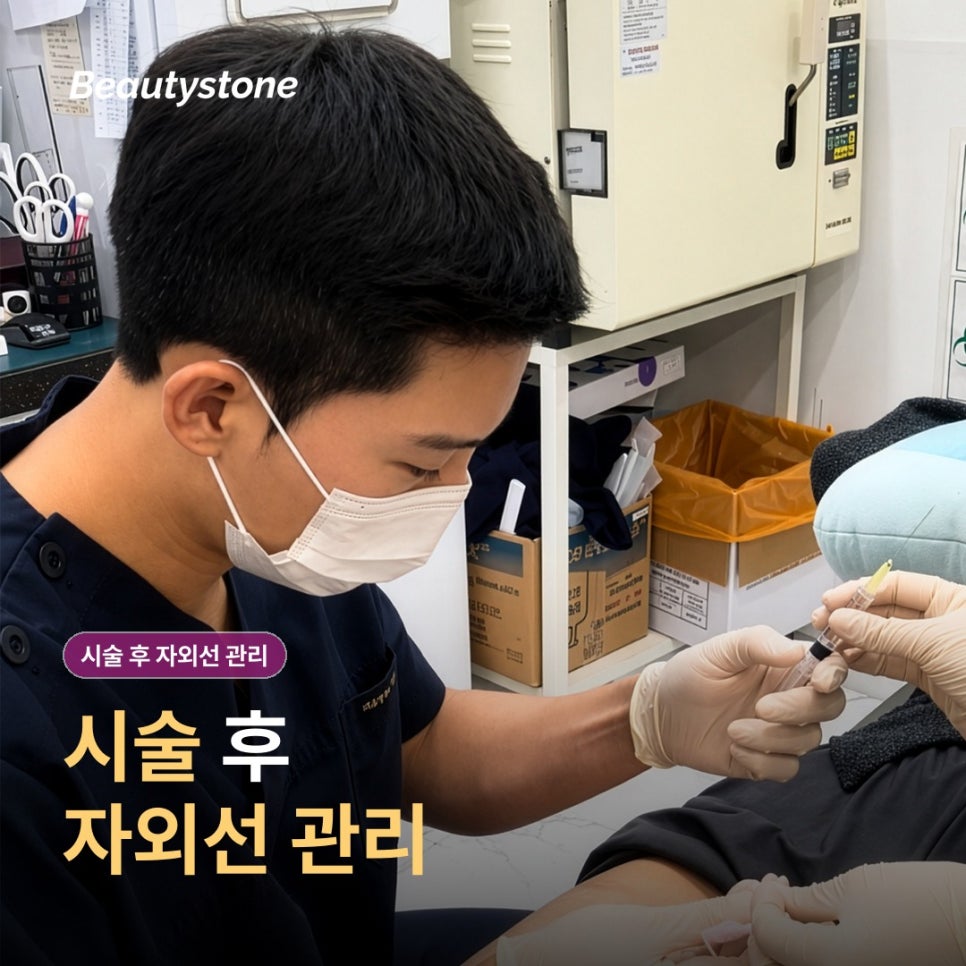
Among these concerns, UV care after laser treatment
is something that requires particular attention
during the recovery period.
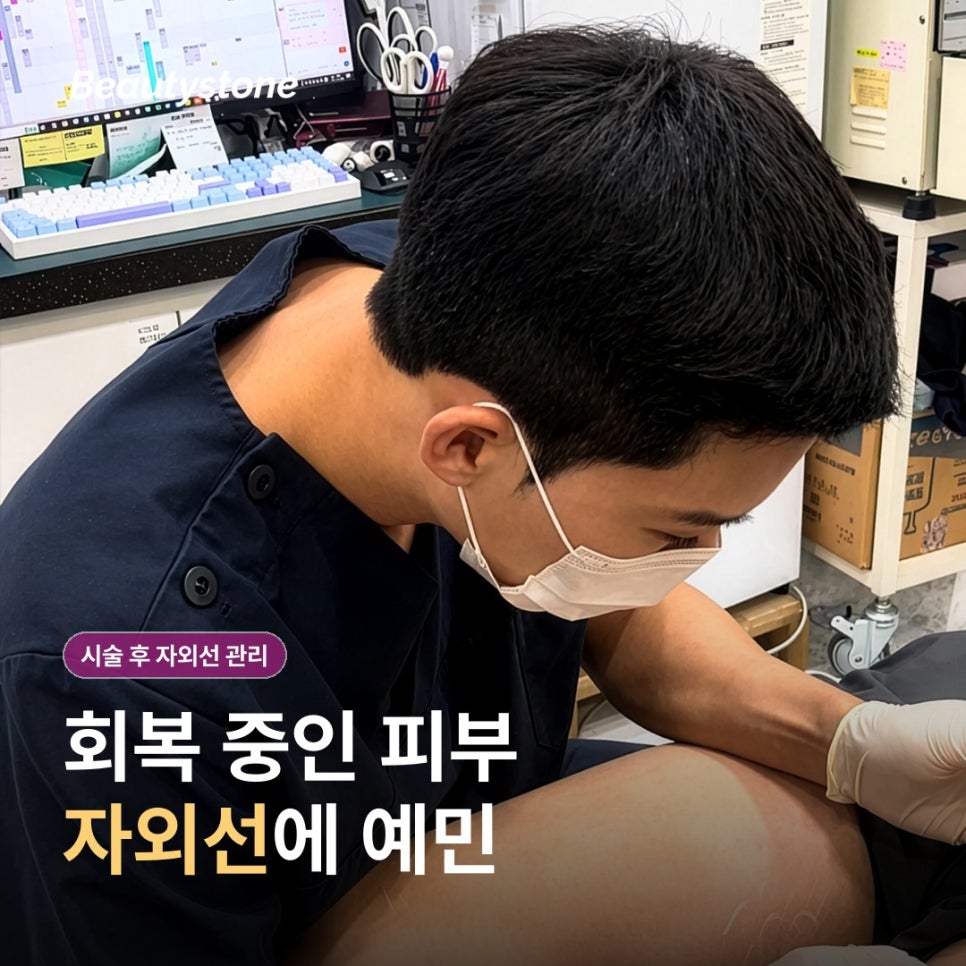
When skin is sensitive after laser treatment,
exposure to UV rays may lead to hyperpigmentation
or irritation.
In this post, we will take a step-by-step look at
why UV care is necessary
and which methods can be helpful.
3-Line Summary
-
After laser skin treatment,
the skin may react more sensitively
than usual to UV rays,
so careful care is necessary.
-
Along with sunscreen,
it is helpful to also use physical
protection methods such as
hats or parasols.
-
The care period may vary
depending on the type of laser treatment
and the condition of your skin,
so check the guidelines you were given.
1) Why should you pay more attention to UV care after laser treatment?
Immediately after laser skin treatment,
the outermost layer of the skin may become thinner,
or minor irritation may remain
on the skin’s surface.
If the skin is exposed to UV rays in this condition,
redness or hyperpigmentation
may persist for a longer time.
Therefore, it is appropriate to regard UV care after treatment
as part of the recovery process.
This is especially true
after treatments such as
laser treatment or peeling that irritate the skin’s surface.
However, the level and duration of care needed
may vary depending on the type of treatment
and the condition of your skin.
2) What are some good ways to care for your skin?
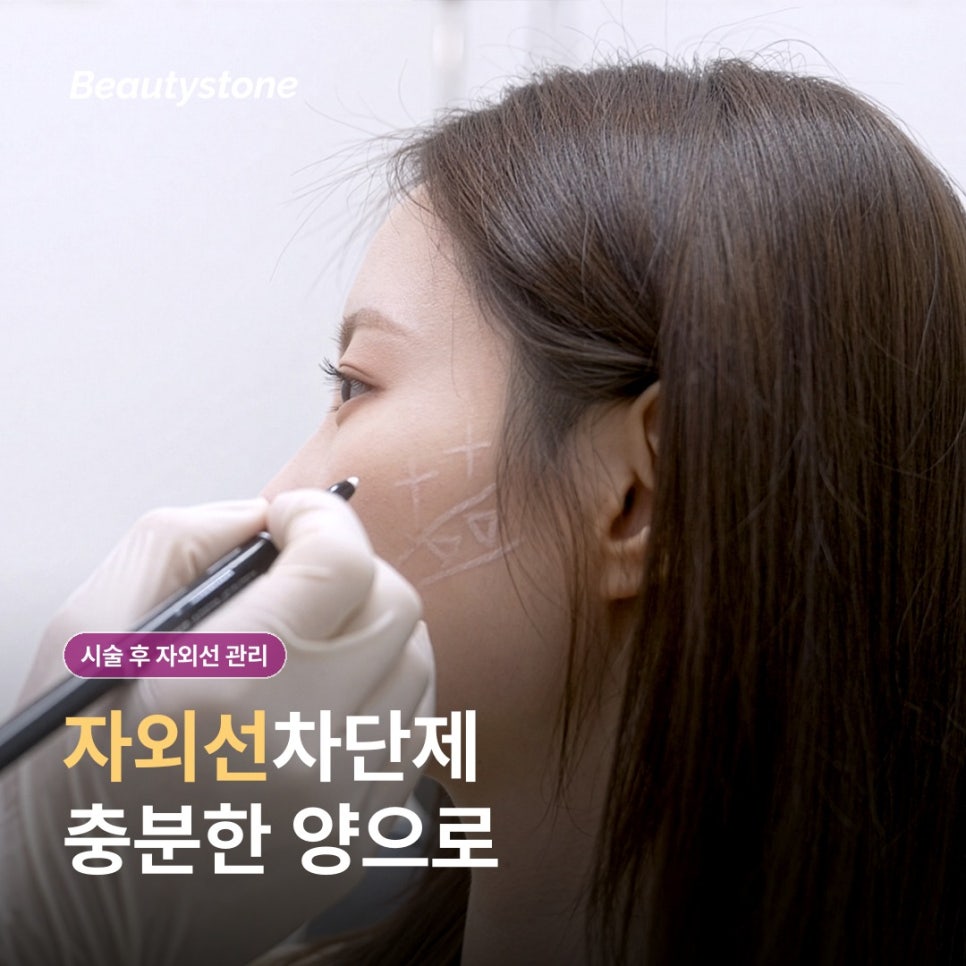
The basics of UV care after laser treatment
are to apply sunscreen consistently
and in an appropriate amount.
When the skin is sensitive immediately after treatment,
you should also examine the ingredients and texture
more carefully than usual.
After applying it,
rather than using a product that stings or feels hot,
check that it has a low-irritation texture,
and apply it before going outside.
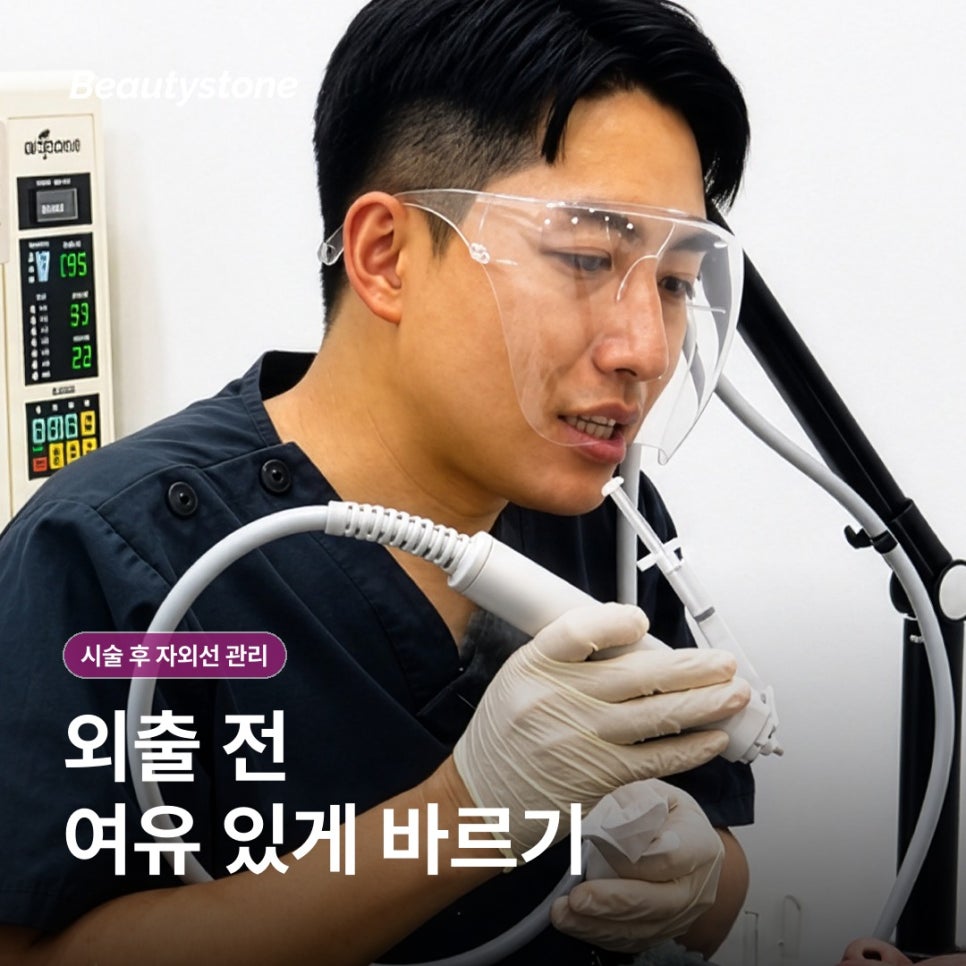
One approach to avoid is continuing to use an existing product
without checking whether it causes irritation.
A recommended approach is
to first apply it to a small area and observe the reaction
before applying it more broadly.
Rather than relying only on sunscreen,
use hats, parasols, and shade,
and avoid times when the sunlight is strong.
3) What is easy to overlook during the recovery period?
Some people think it is fine on cloudy days
and skip sunscreen.
However,
UV rays still reach the skin on cloudy days,
so during recovery, it is better to maintain your care
regardless of the weather.
If you spend a long time outdoors
or the product has been removed by sweat and friction,
reapply it as appropriate for the situation.
Even indoors, it can be difficult to completely avoid exposure
if you stay near a window for a long time
or are in an environment where sunlight enters directly.
In such cases, use curtains or blinds,
and keeping some distance from the window
is another option.
Masks or
scarves can also be used as supplementary protection,
but choose soft materials
to prevent friction.
3) How should sunscreen be used?
Immediately after laser treatment,
rather than looking only at the protection rating,
you should check whether it can be used
without irritating your current skin condition.
Even a product you normally use
may feel stinging after treatment.
Rather than continuing to use it despite the discomfort,
it is appropriate to stop using it and
contact the medical institution where you received treatment.
Do not rub the product firmly into the skin.
Apply it by gently pressing and spreading it
to reduce friction.
If you continue rubbing the skin while reapplying,
redness or stinging
may become more pronounced.
4) What symptoms should prompt you to contact a medical institution?
Temporary redness or warmth after laser treatment,
as well as mild dryness,
may occur during the recovery process.
However,
if redness worsens after UV exposure
or is accompanied by pain, swelling, oozing, or blisters,
your condition should be checked.
The same applies if your skin suddenly becomes darker
or continues to change in a patchy pattern.
If unusual symptoms persist or worsen,
contact the medical institution where you received treatment
rather than applying additional products.
In Conclusion
UV care after laser treatment
is a basic part of protecting recovering skin
from irritation.
Along with sunscreen,
it is helpful to use hats and parasols
and adjust the time you spend outdoors.
However, there are individual differences in
the type of laser treatment, skin type,
and recovery rate.
The same product and duration are not
necessary for everyone,
so check the guidelines you were given first.
If discomfort continues during care,
it is advisable to have your current condition
examined through a medical consultation.
Frequently Asked Questions
Q. How long should I continue UV care after laser treatment?
The necessary period may vary
depending on the type of treatment and the recovery rate.
First follow the period recommended after treatment,
and adjust it according to your skin’s condition.
Q. What criteria should I use to choose sunscreen?
In addition to the protection rating,
it is important to check whether it stings
or feels hot after application.
It may also be helpful to ask a medical professional
whether the product is suitable for your current skin condition.
Q. Should I apply sunscreen indoors as well?
If you stay for a long time in a place where sunlight enters directly,
such as near a window,
care is also necessary indoors.
Please also use physical protection methods
such as curtains or blinds.
Q. What reactions may occur if I neglect my care?
Redness or stinging may persist for a long time,
or your skin may appear to change color.
If unusual symptoms persist or worsen,
contact the medical institution where you received treatment
to have your current condition checked.
Thank you for reading this long post today.
This has been Wi Young-jin from Beauty Doctor.