Hello.
I’m Wi Young-jin from Beauty’s Doctor.
Some people have subtle blue-gray or brownish spots
around the eyes or temples
that have remained there
for a long time.
They may look noticeable even when covered with makeup,
or seem to darken over time,
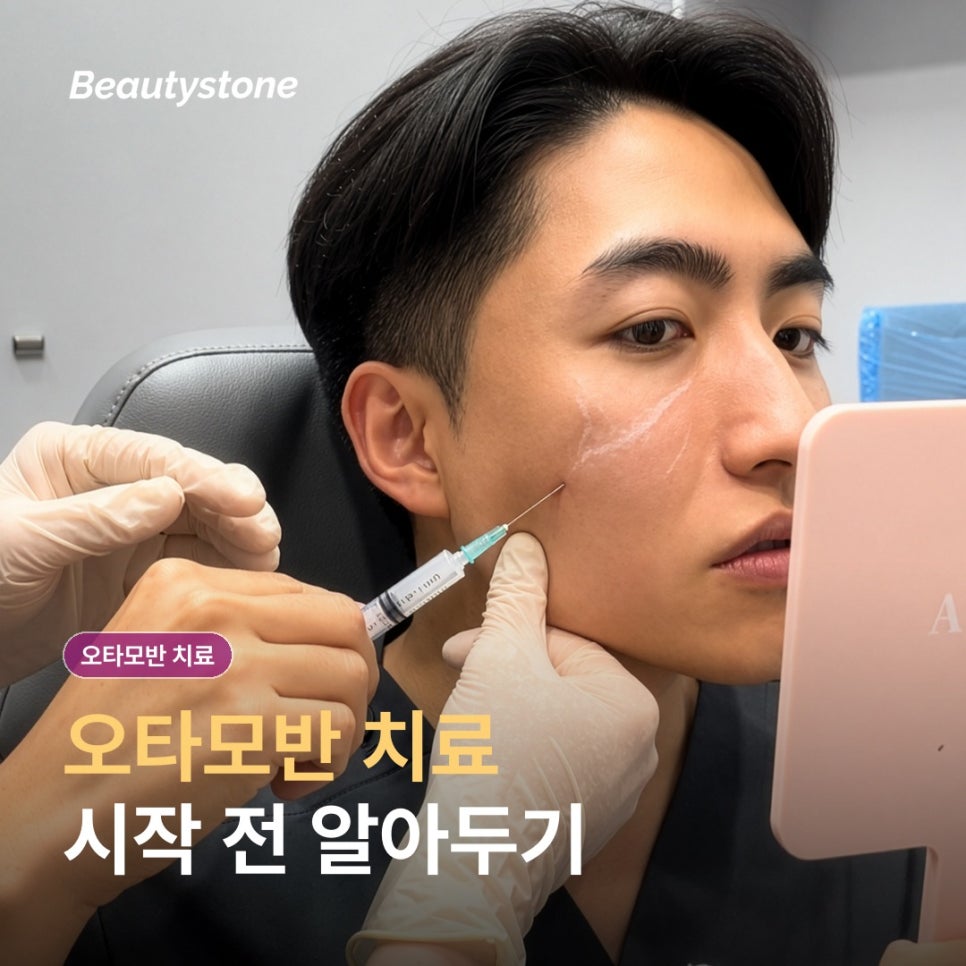
which may lead them to look into treatment for nevus of Ota.
However,
nevus of Ota is known to be associated
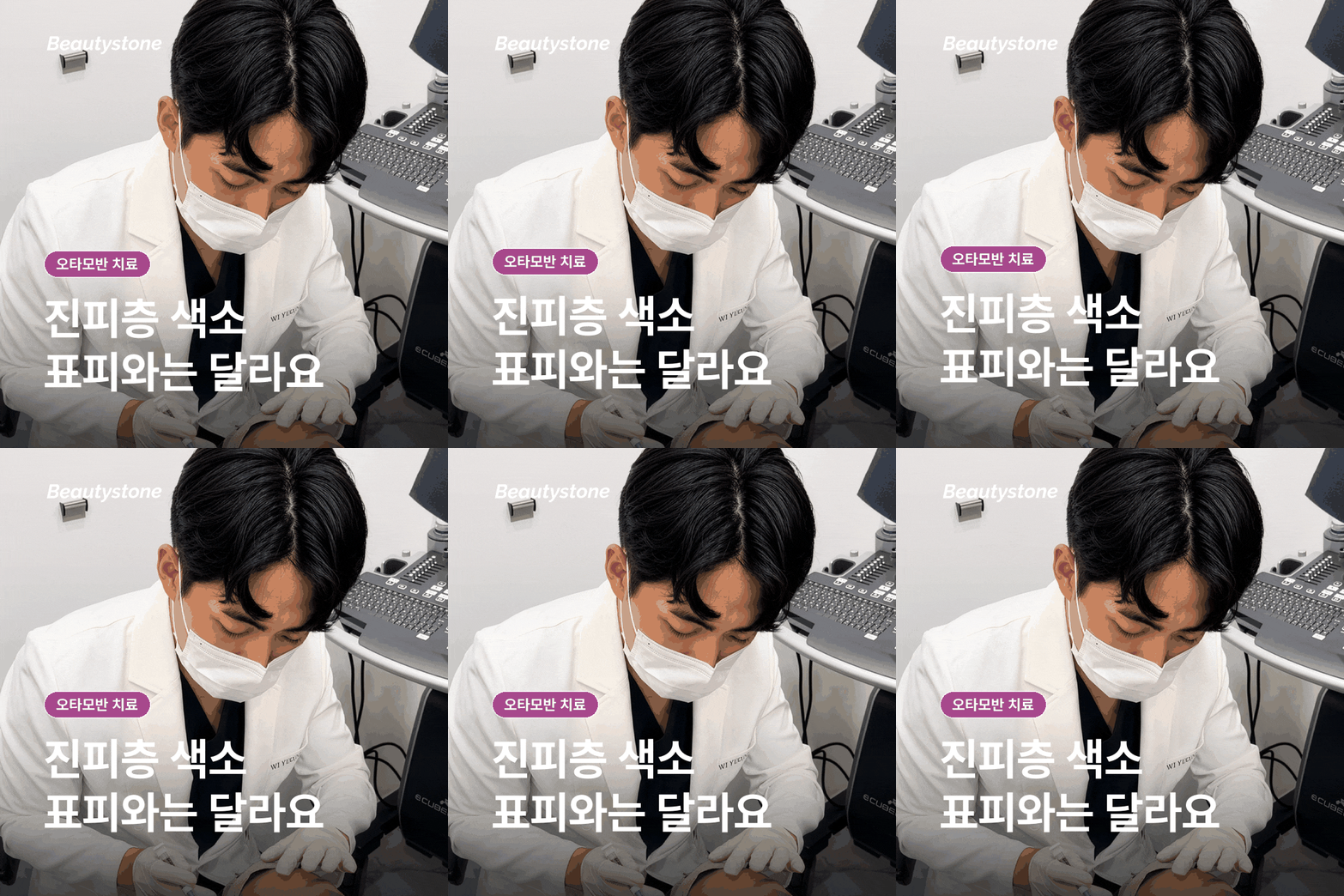
with pigment cells deep in the dermis,
rather than in the epidermis.
It is helpful to understand first
that the approach may differ
from that used for ordinary melasma
or blemish care.
Today, I’ll calmly organize
the background behind the development of nevus of Ota,
how treatment for nevus of Ota
is generally carried out,
and how to care for the skin afterward.
The course of treatment and the time required
may vary depending on skin type
and the depth and extent of the spot,
so please consider the information below
for reference only.
3-Line Summary
- Nevus of Ota is a blue-gray spot
that appears around the eyes and temples
and is known to be associated
with pigment cells in the dermis.
- Treatment for nevus of Ota generally uses lasers
to break down the pigment,
and is often carried out
over multiple sessions.
- Individual differences may occur
in the course and time required
before and after treatment,
so it is necessary to have the condition
assessed during a medical consultation.
- Why does nevus of Ota develop, and why might treatment be needed?
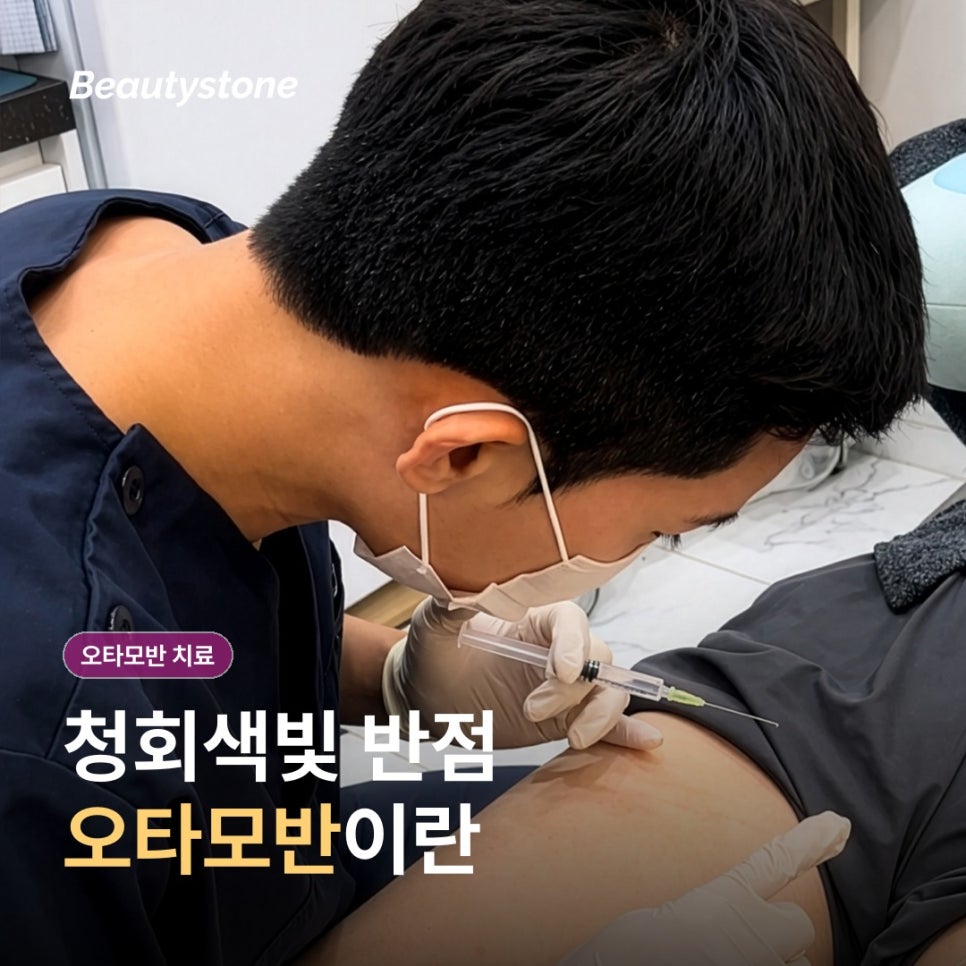
Nevus of Ota is a blue-gray or brownish spot
that appears around the eyes, temples,
and the sides of the forehead.
It may be visible from birth,
or may gradually appear
around puberty,
according to reports.
Its association with the proliferation
of melanocytes located in the dermis
is a characteristic that distinguishes it
from epidermal pigment disorders.
It is not uncommon for people to seek medical care
because of its location or extent,
rather than solely as a cosmetic concern.
Dermal pigment is deeper
than epidermal pigment,
and is known to fade naturally
more slowly.
Rather than simply observing it,
it may be helpful to first receive
an accurate diagnosis.
- How is treatment for nevus of Ota carried out?
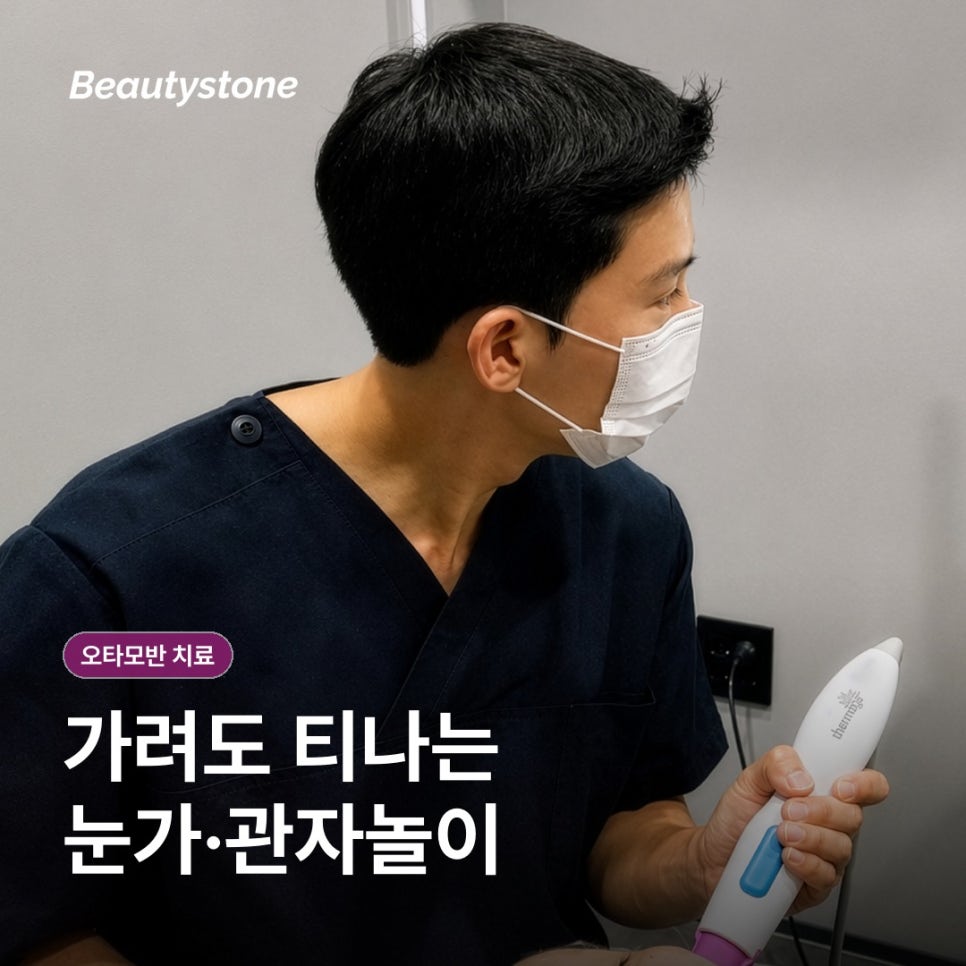
Treatment mainly uses equipment
such as picosecond lasers
or Q-switched lasers,
which selectively break down pigment.
Because the pigment is located deep in the dermis,
it is often treated over multiple sessions
at intervals,
rather than being completed in a single treatment.
The interval and number of sessions
may be determined differently
depending on the depth, extent, and color
of the spot.
Therefore, rather than shortening the intervals excessively
or adjusting the pace
based on personal judgment,
it is preferable to establish a schedule
after a medical consultation.
Even if the pigment seems to fade slowly,
its characteristics in the dermis
may require observing the course
over time.
- What should be checked before proceeding?

Rather than repeating treatments
at short intervals,
it is important to check the skin’s recovery
before adjusting the schedule for the next session.
To avoid starting treatment immediately
while mistaking it for another pigment disorder,
first confirm whether it is nevus of Ota.
It is also important not to overlook
sun protection after treatment.
Use sun protection when going outdoors,
and when the skin is sensitive,
it is better to reduce unnecessary irritation.
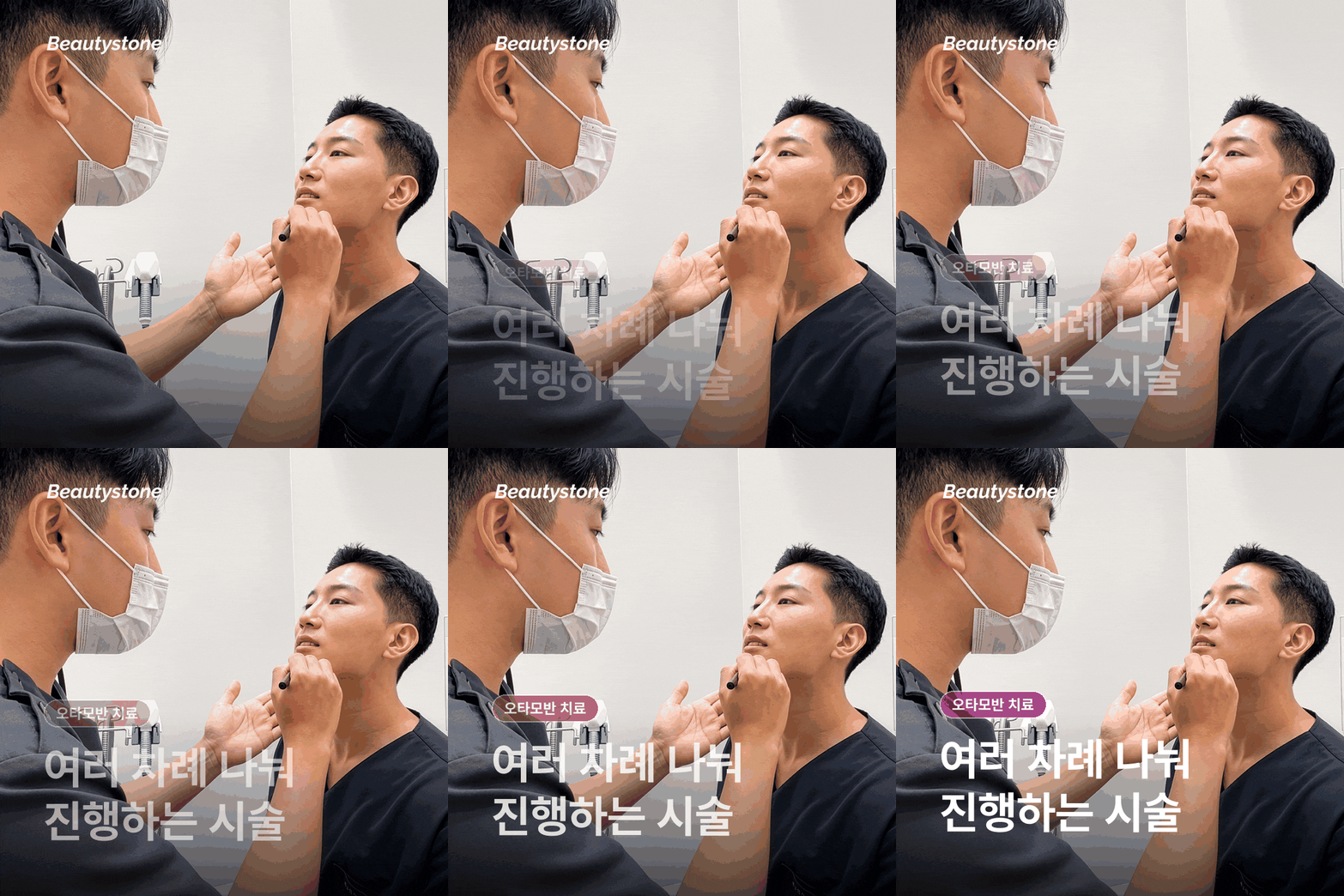
As such, treatment for nevus of Ota
is not a one-time process
that ends after a single session,
but is more like a course that continues
while monitoring the recovery status.
- How should the skin be cared for after treatment?
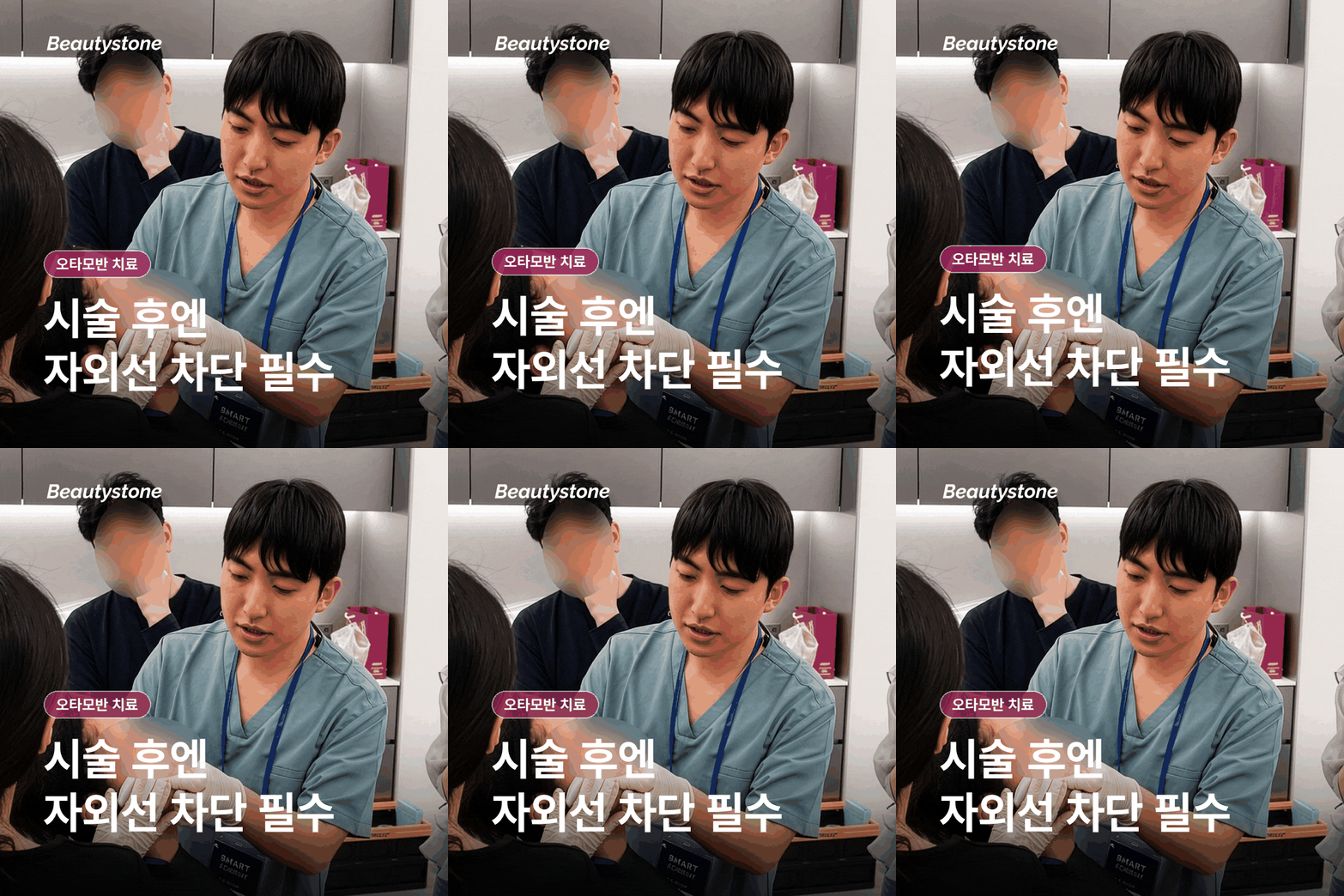
Immediately after treatment, the area may feel
more sensitive than usual,
so you should pay additional attention
to sun protection.
Pigment may appear darker again,
or continued pigmentation may occur,
which is known to be associated
with sun exposure.
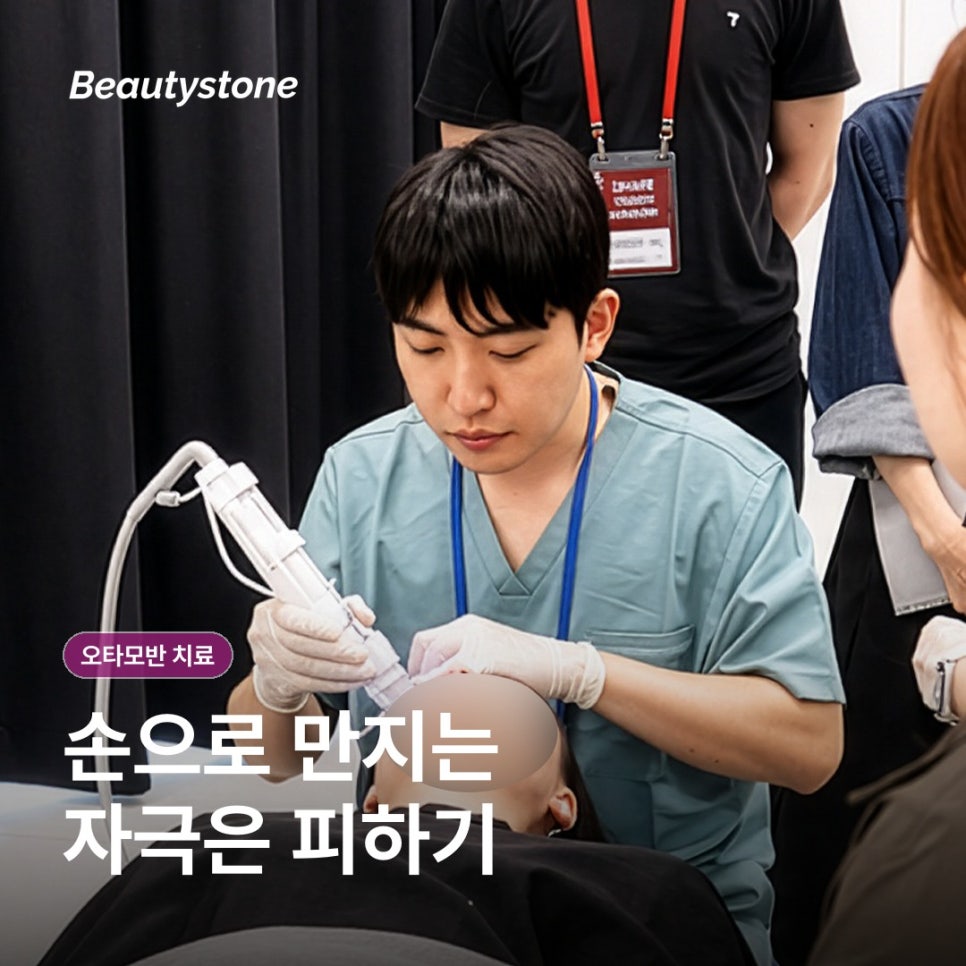
It is better to avoid for a while
frequently touching the treated area
or repeatedly irritating it
with your hands.
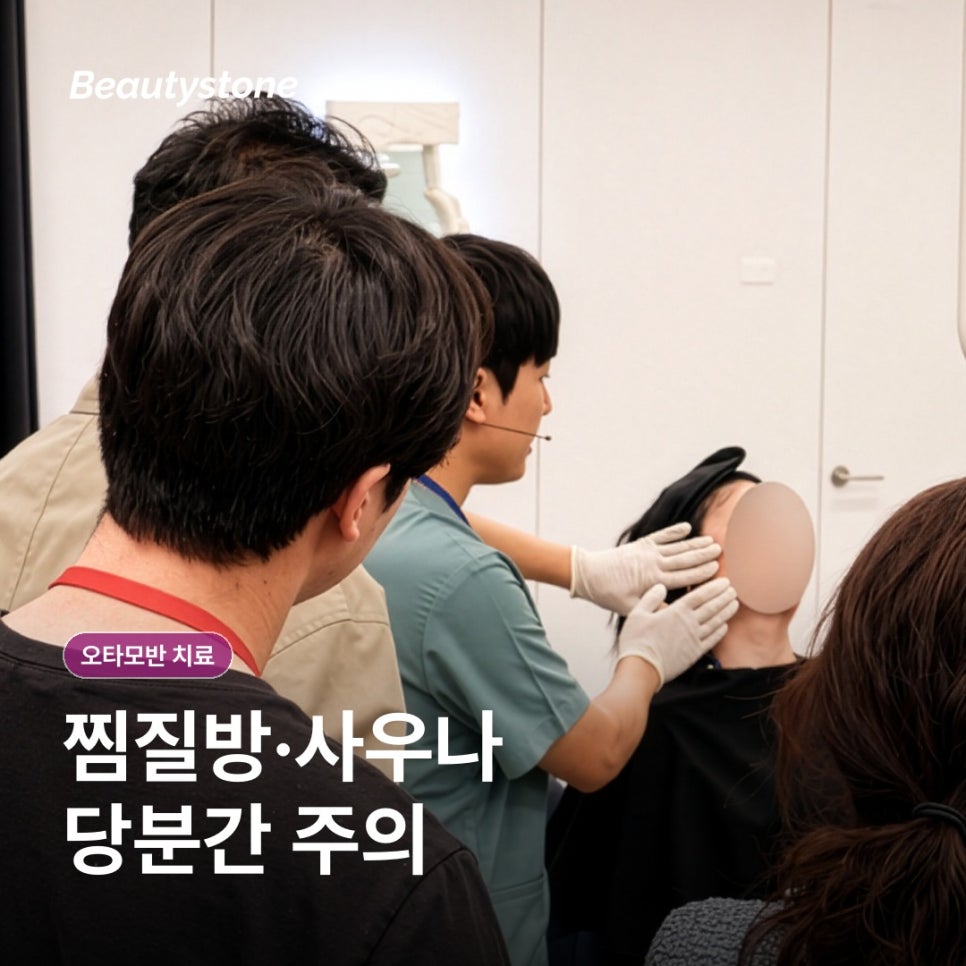
Please also postpone visits to environments
with intense heat, such as hot saunas and bathhouses,
during the period recommended by your provider.
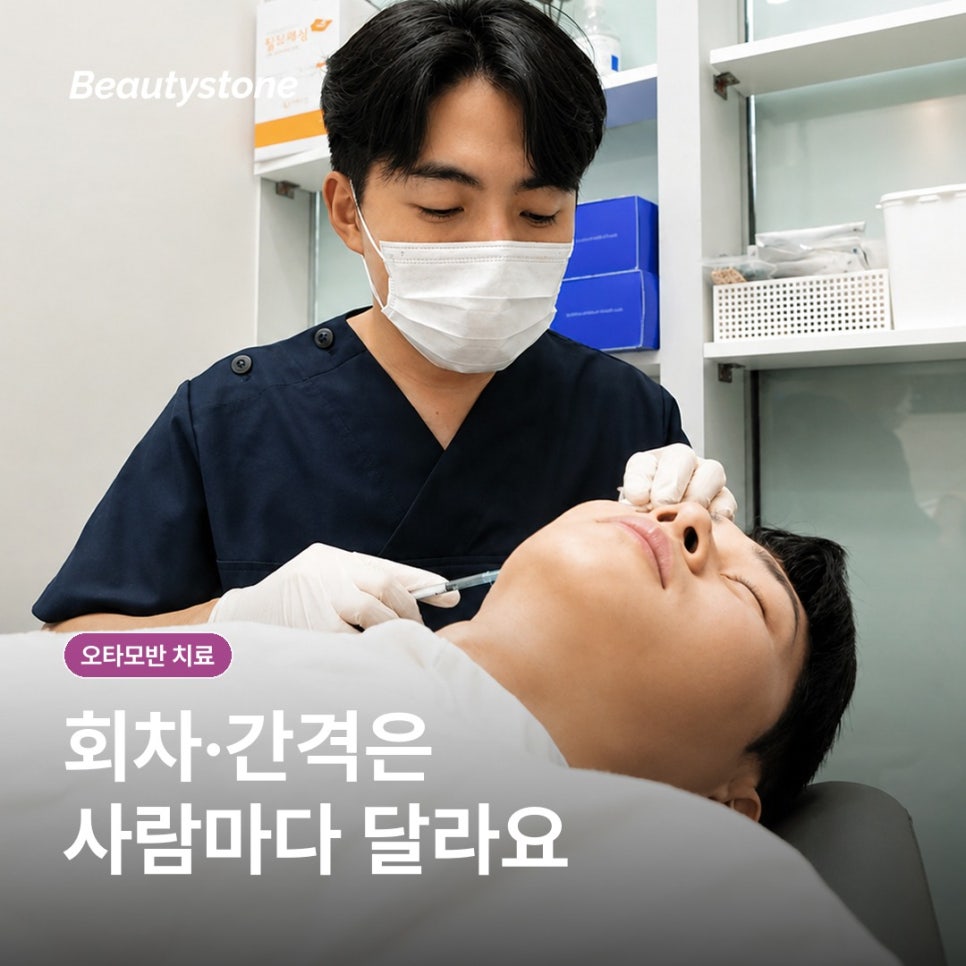
During the recovery period after treatment for nevus of Ota,
make moisturizing and sun protection
your basic routine,
and observe whether there are
any reactions different from usual.
If discomfort gradually worsens
or an unusual reaction continues for a long time,
contact the medical institution
where you received treatment
to have it checked.
Wrapping Up
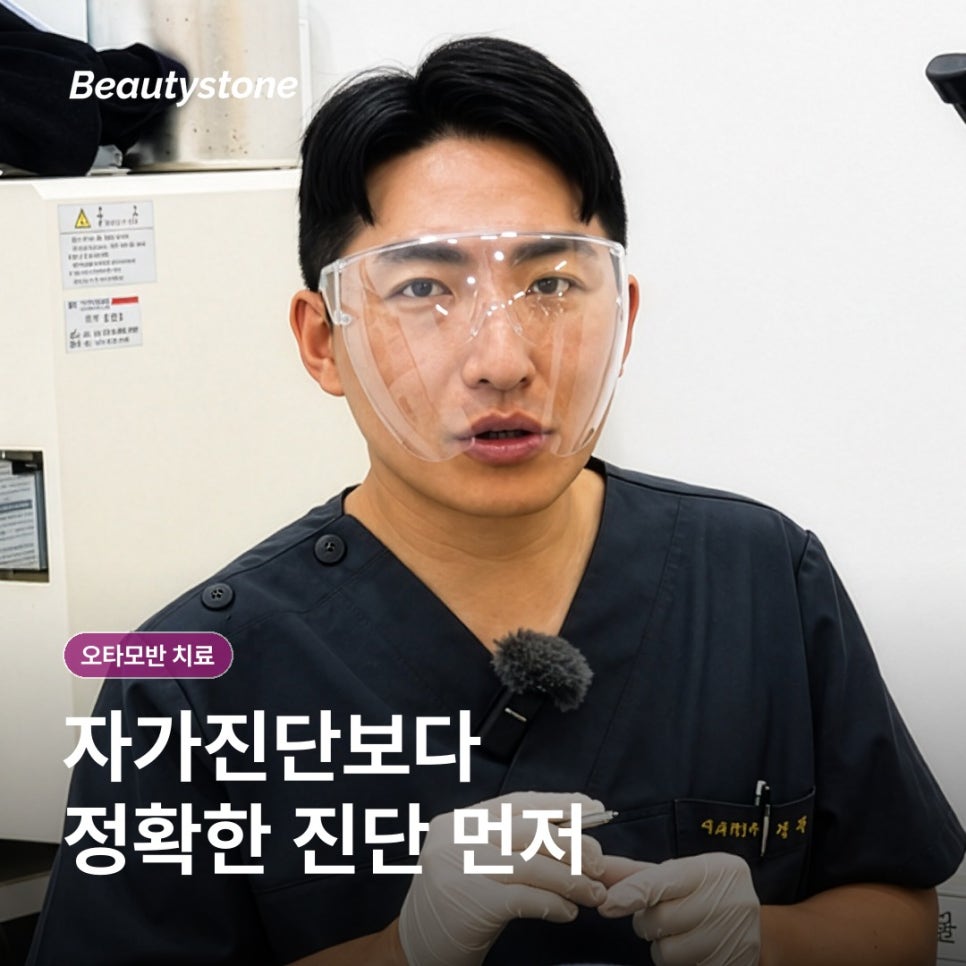
Because nevus of Ota involves
pigment in the dermis,
individual differences may occur
in its course and the time required.
Even when the same treatment method is used,
reactions may differ
depending on the depth and extent of the spot
and the individual’s skin type.
Rather than making a judgment based only on information online,
it is necessary to have your current condition assessed
through a medical consultation
and determine an approach
that suits you.
Reviewing the condition carefully
from the diagnostic stage onward
may help you make a specific plan
rather than remain with vague anxiety.
Frequently Asked Questions
Q1. Does nevus of Ota naturally become lighter with age?
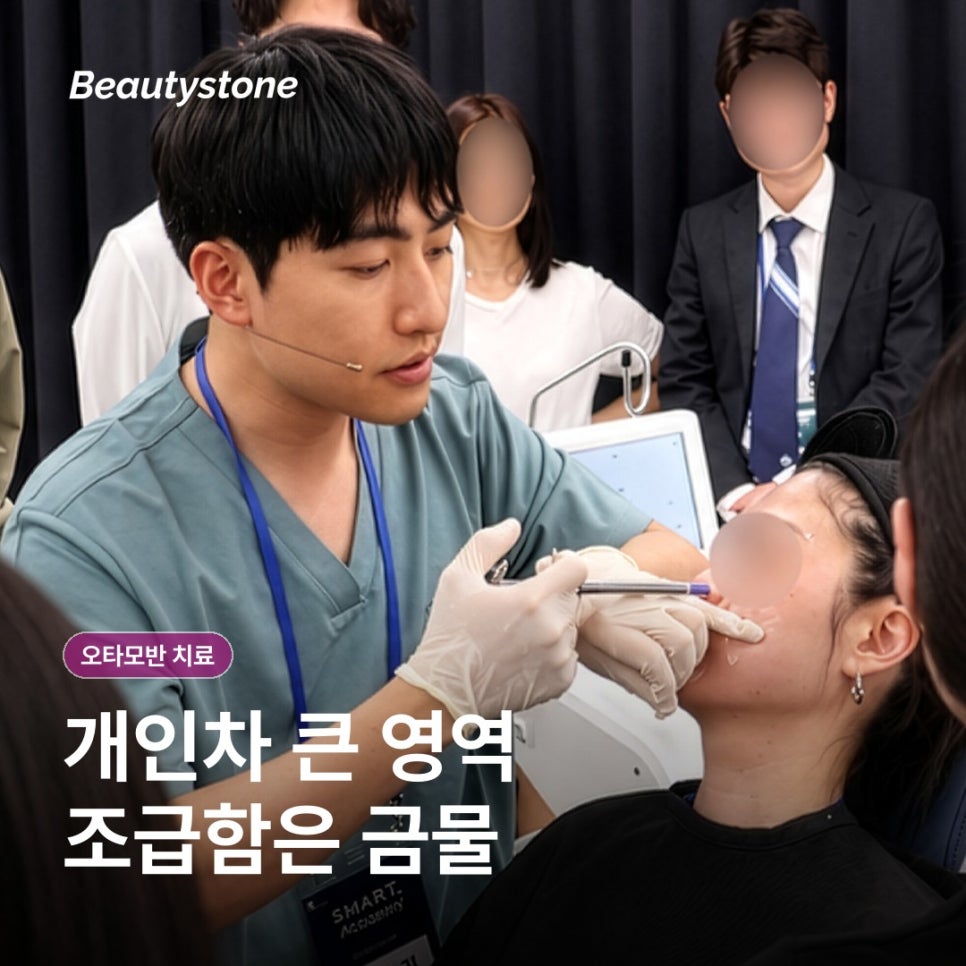
There are differences between individuals,
so it is difficult to give a uniform answer.
Because of the characteristics of dermal pigment,
changes may occur slowly,
so it is better to have the condition
assessed through a medical consultation.
Q2. How many treatment sessions are usually needed?
The required number of sessions may vary
depending on the depth, extent, and color
of the spot,
so individual differences can be significant.
It is common to adjust the treatment interval
and number of sessions
while monitoring the course after diagnosis.
Q3. Can the pigment become darker again after treatment?
Depending on sun exposure
and how irritation is managed,
pigment may appear darker again,
or the pattern of pigmentation may change.
After treatment, it is better to continue
sun protection and care that reduces irritation
consistently.
Q4. How can nevus of Ota be distinguished from ordinary melasma?
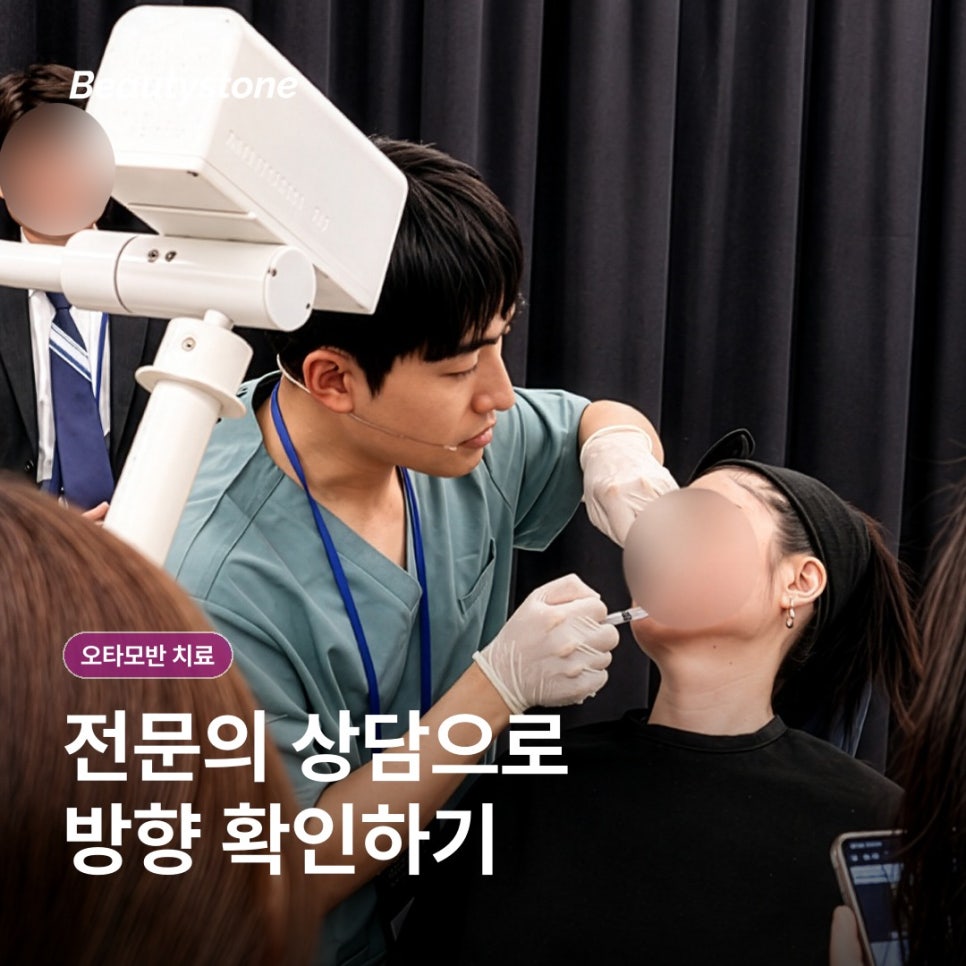
Because it may be difficult to distinguish them
by appearance alone,
rather than relying only on self-diagnosis,
it is better to have it accurately assessed
at a medical institution.
Considering the spot’s location and color,
as well as when it first appeared,
may help distinguish the cause
and determine the appropriate direction
for medical care.
Thank you for reading this long post.
This has been Wi Young-jin from Beauty’s Doctor.