
Hello.
I’m Young-jin Wi from Beauty’s Doctor.
Semi-permanent makeup applied to the eyebrows or eyeliner,
and lips,
is often chosen to reduce the inconvenience of applying makeup every day.
However,
the color may look dull over time,
reddish or bluish tones may remain,
and you may no longer be satisfied with the shape.
One of the methods people often look into at such times
is PicoWay tattoo and semi-permanent makeup removal.
However,
semi-permanent pigments vary in their color and ingredients,
injection depth,
and number of touch-ups,
so it is difficult to make a decision based on the device name alone.
Today,
I will calmly summarize
how PicoWay works on pigments,
what to check before the procedure,
and how to care for the treated area afterward.
3-Line Summary
- PicoWay tattoo and semi-permanent makeup removal
uses extremely short laser pulses
to break pigment particles into smaller pieces.
- The number of sessions and intervals needed
may differ from person to person depending on the pigment’s color, depth, and amount,
as well as the skin’s response.
- Some semi-permanent pigments may show
unexpected color changes during treatment,
so diagnosis and an explanation beforehand are important.
- How does PicoWay work?
PicoWay tattoo and semi-permanent makeup removal
uses
short laser pulses measured in picoseconds
to divide
pigment particles inside the skin into small fragments.
Rather than delivering heat over an extended period,
it creates a photoacoustic effect
in an extremely brief moment,
which can be described as a process that fragments the pigment.
The finely divided pigment fragments
are gradually processed over time
through the body’s immune and metabolic processes.
Therefore, rather than judging the result
by its appearance immediately after the procedure,
it is necessary to observe both recovery
and changes in the pigment over time.
Even if the pigment appears black or brown,
it may contain a mixture of several pigments,
so the wavelength and intensity appropriate for the color
must be selected carefully.
- How is it different from regular tattoo removal?
When planning PicoWay tattoo
and semi-permanent makeup removal,
it is helpful to first understand
the difference between regular tattoos
and semi-permanent makeup.
Semi-permanent eyebrow makeup
may be layered through multiple applications,
causing the pigment to form layers,
and may appear reddish
or orange over time.
If the darker color on the surface fades first,
the yellow or orange tones
mixed underneath
may appear later.
Some light-colored or white ingredients
may temporarily appear darker
as they react to the laser,
so this possibility must also be considered.
Therefore, rather than proceeding based only on the visible color,
it is necessary to consider the type and depth of the pigment,
the number of touch-ups,
and whether previous removal treatments were performed.
Because areas close to the eyes, such as the eyeliner area,
require appropriate eye protection,
the protection method for each area
should also be checked in advance.
- What should be checked before the procedure?
Before PicoWay tattoo
and semi-permanent makeup removal,
check whether the area was recently exposed to strong ultraviolet light
and whether there is any inflammation
or wound in the area.
If it is difficult to identify
the pigment originally used,
or if the current color appears to contain several tones,
it may be possible to first observe the response
in a small area.
The number of previous semi-permanent makeup sessions
and the timing of touch-ups,

as well as any history of other laser
or removal treatments,
should all be fully disclosed during the consultation.
Rather than proceeding too aggressively
when the skin is sensitive,
or deciding on the number of sessions from the outset,
it is preferable to observe the response after one session
and then determine the next interval.
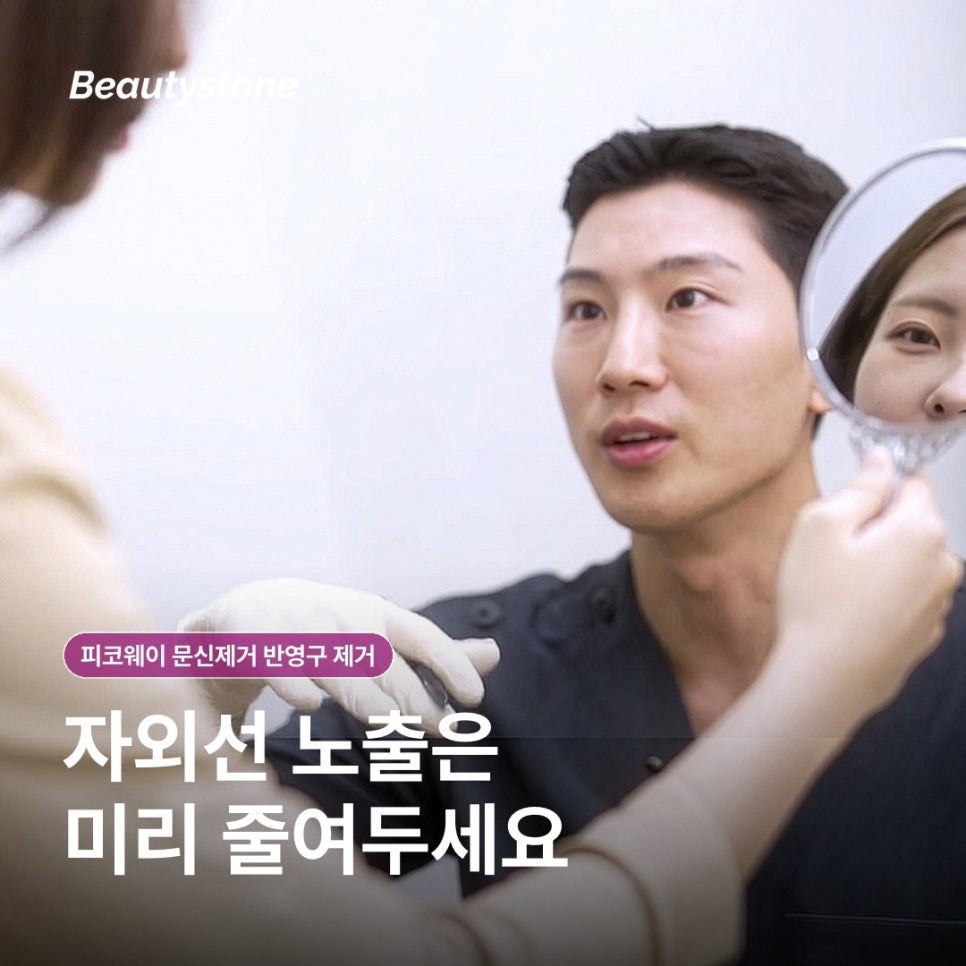
Semi-permanent eyebrow makeup in particular
may leave pigment in multiple layers,
and colors from different families
may be mixed together,
so the treatment plan may be adjusted
according to color changes during the process.
- How should you care for the area after the procedure?

Immediately after the procedure, redness and swelling,
tingling or
small pinpoint bleeding
may occur temporarily.
Even if thin scabs or flakes
form, do not pick them off with your hands
or rub the area repeatedly.
Please care for it according to the instructions provided.

Activities that raise the skin’s temperature,
such as hot saunas, heated rooms,
and strenuous exercise,
should be adjusted according to the recovery status.
Sun protection is important,
but if the surface has peeled or there is oozing,
check with the medical professional first
about when to begin using products.
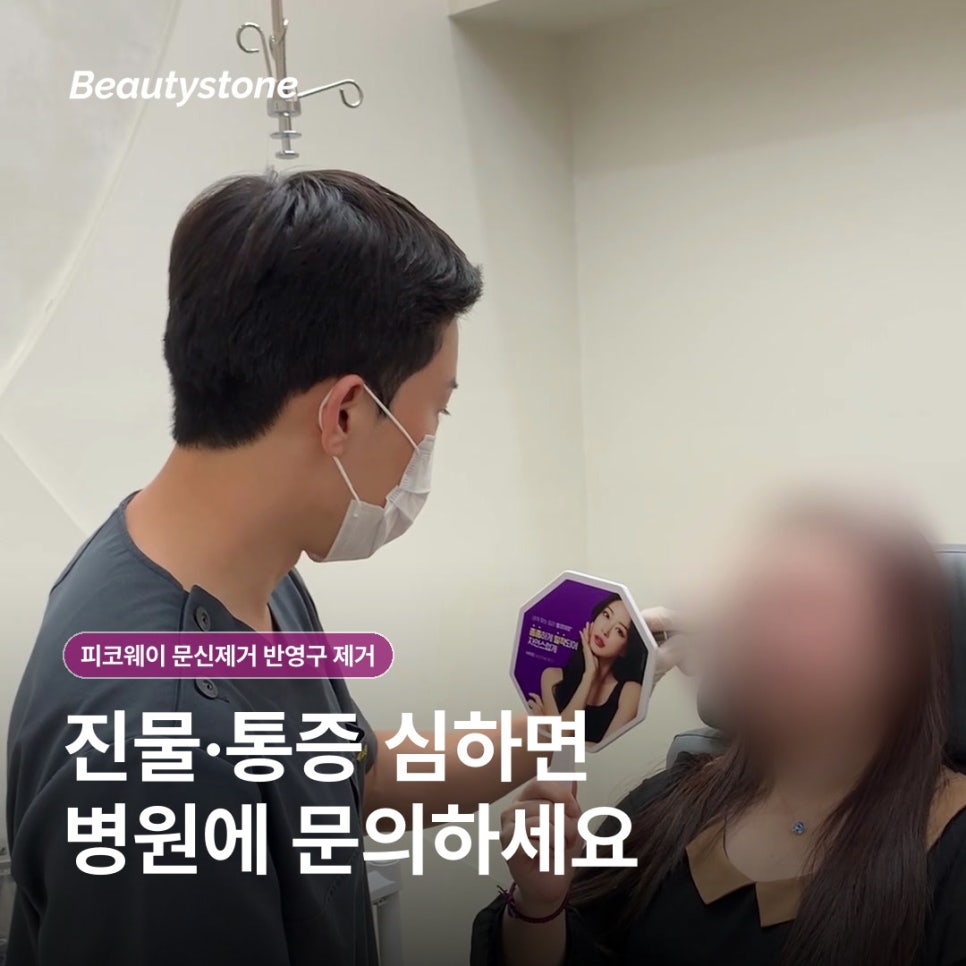
If pain becomes progressively worse,
blisters or oozing continue,
or swelling and warmth become severe,
contact the provider promptly.
If you experience eye pain or changes in vision
after an eyeliner procedure,
seek evaluation from a medical institution
without delay.
In Closing
PicoWay
tattoo and semi-permanent makeup removal
is a process in which the laser breaks the pigment into small particles,
then the progress of fading is observed
over time.
Even with the same semi-permanent eyebrow makeup,
the plan may vary depending on the pigment used,
its depth, the number of touch-ups,
and the skin’s response.

Rather than trying to remove everything
in a single session
or narrowing the intervals too aggressively,
it is important to check the skin’s recovery
and color changes after each session.
Before starting,
make a decision only after receiving a sufficient explanation
of the current pigment condition,
expected changes,
and aftercare instructions.
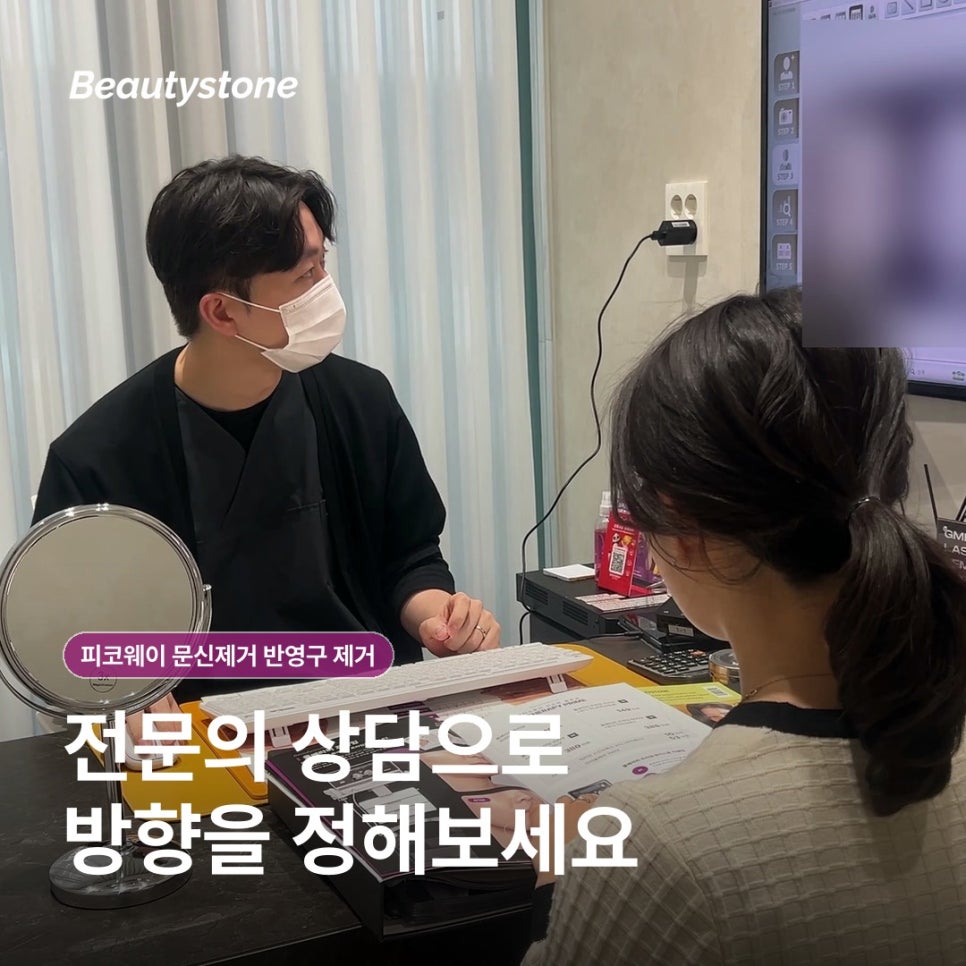
Frequently Asked Questions
Q1. How many sessions will I need?
It is difficult to specify a fixed number
because it varies according to the pigment’s color and depth, amount,
the number of touch-ups, and the skin’s response.
The interval and number of subsequent sessions
are often adjusted while monitoring the progress.
Q2. Is the procedure very painful?
You may feel a stinging or snapping sensation.
The sensation may vary depending on the area,
the pigment depth,
and individual sensitivity,
so check the available pain-management methods in advance.
Q3. Can the color look darker immediately after the procedure?
Some semi-permanent pigments
may reveal other colors
or temporarily appear darker.
It is necessary to check the possibility of color changes
and adjust the next plan according to the progress.
Q4. How should I manage sun exposure?
Reduce exposure to strong sunlight,
and once the skin’s surface has recovered,
make sure to use sun protection
according to the instructions provided.
During the period when scabs or oozing are present,
follow the guidance of the medical institution where you received the procedure
rather than applying products on your own.
Thank you for reading this long post.
This has been Young-jin Wi from Beauty’s Doctor.