Hello.
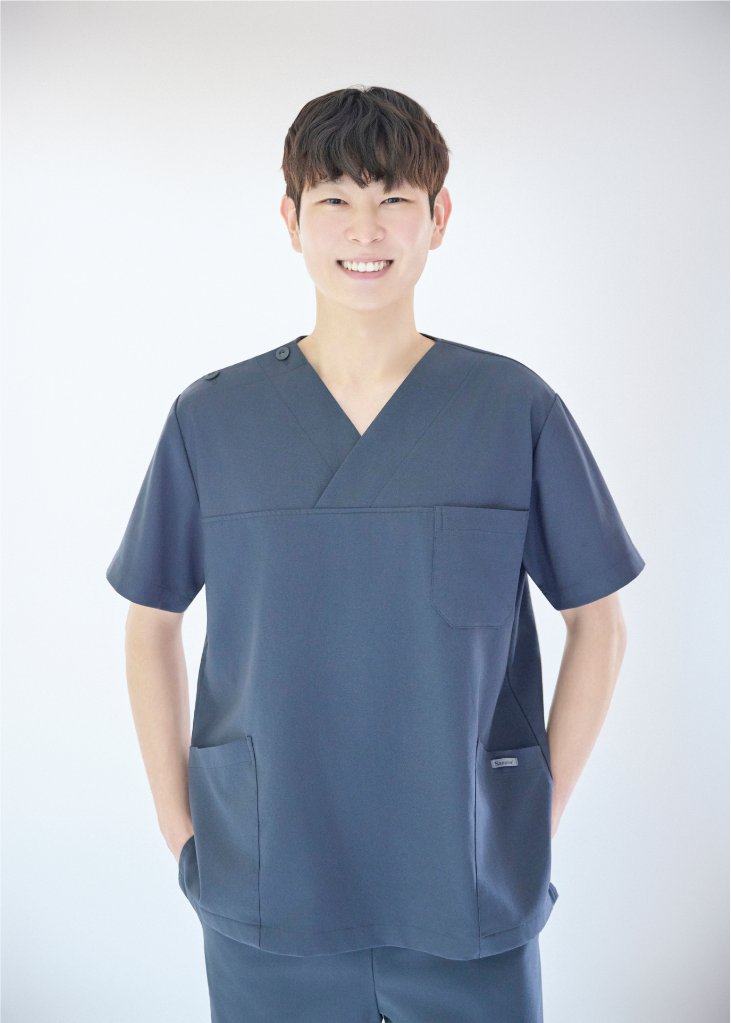
I’m 김하원 from 뷰티스닥터.
Many people are interested in V-line contouring.
A slim, well-defined jawline can
make the overall impression of the face
appear softer,
but the reasons each person’s jawline looks different vary.
Some people have a broad bone structure,
while others have developed masseter muscles
or noticeable fat beneath the chin.
In some cases, reduced skin elasticity
can also make the facial contours look less defined.
Therefore, when looking into V-line contouring at a dermatology clinic near Hapjeong,
rather than deciding on a specific procedure first,
it is necessary to begin by distinguishing the current condition of the face.
Three-line summary
- The impression of a V-line contour is created by the combined effects of the bone structure, muscles, fat,
and skin elasticity.
- Management options range from adjusting lifestyle habits
to procedures addressing the muscles, fat, and skin elasticity.
- It is important to first check the current condition of your face through a consultation
and then create a personalized plan based on what you need.
1) Why does V-line contouring look different from person to person?
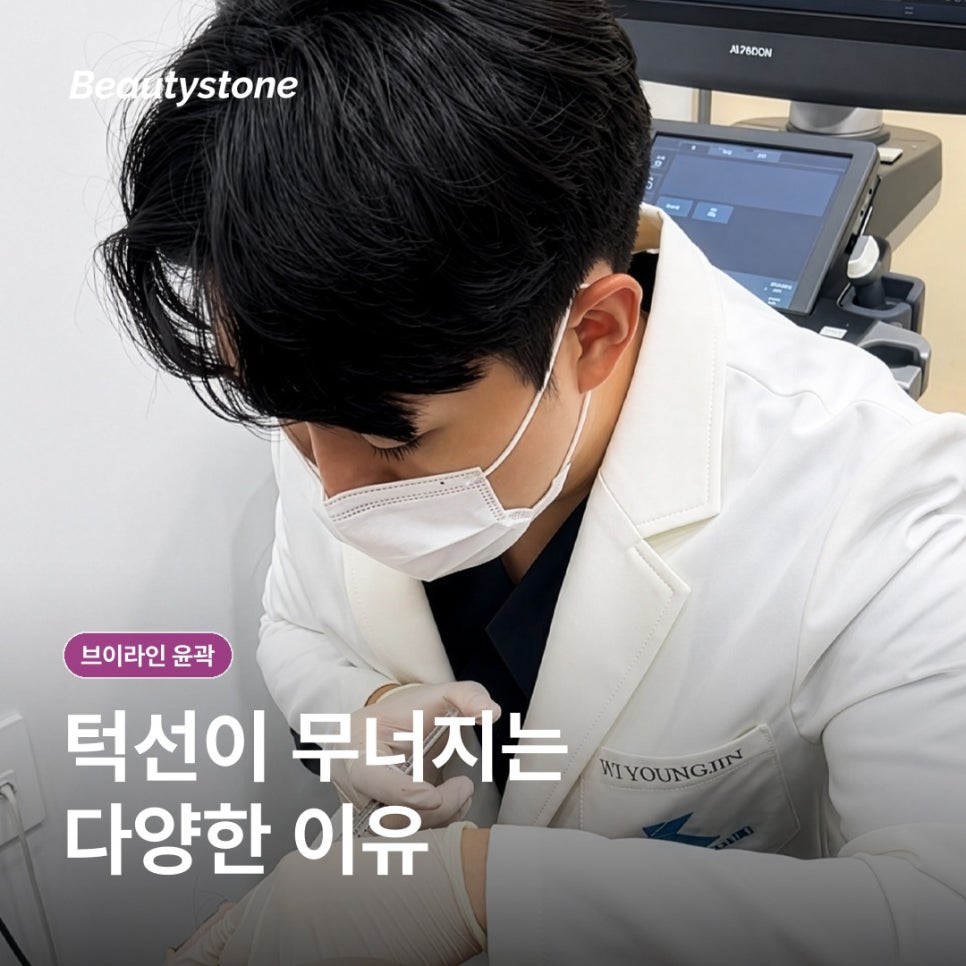
The factors affecting V-line contouring
can be broadly divided into bone structure, muscles, fat, and skin elasticity.
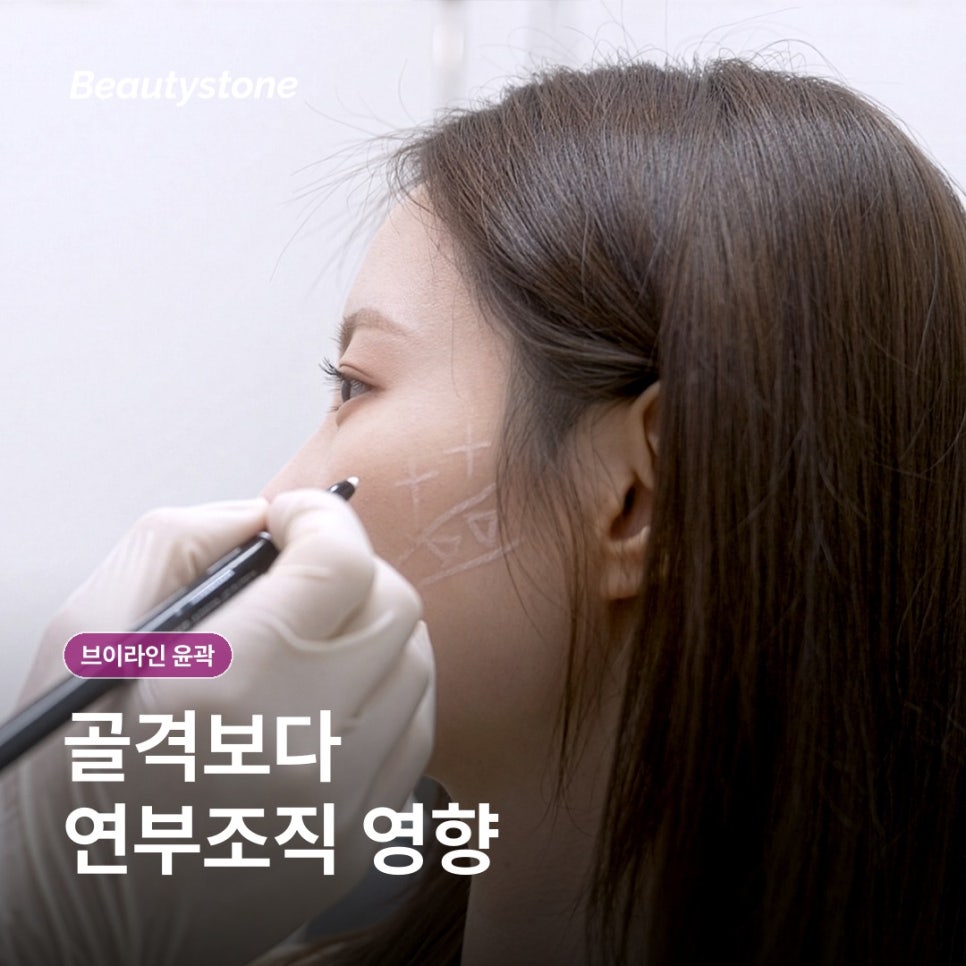
If the lower jawbone is broad
or has a pronounced angle,
there may be limits to how much the visible impression can be changed
even by managing the muscles or fat alone.
On the other hand, if the masseter muscles have developed due to habits such as clenching the teeth
or frequently chewing hard foods,
the sides of the jaw may appear wider.
If fat has accumulated beneath the chin or around the lower cheeks,
or if swelling occurs repeatedly,
the jawline may also feel less defined.
In addition, as people age,
reduced elasticity in the skin and soft tissue
can make the contours appear to sag downward
even when the amount of fat is not substantial.
Therefore, even when the concern is V-line contouring,
the approach should vary depending on which factor has the greatest influence.
2) What methods are available for managing V-line contours?
As part of lifestyle habits,
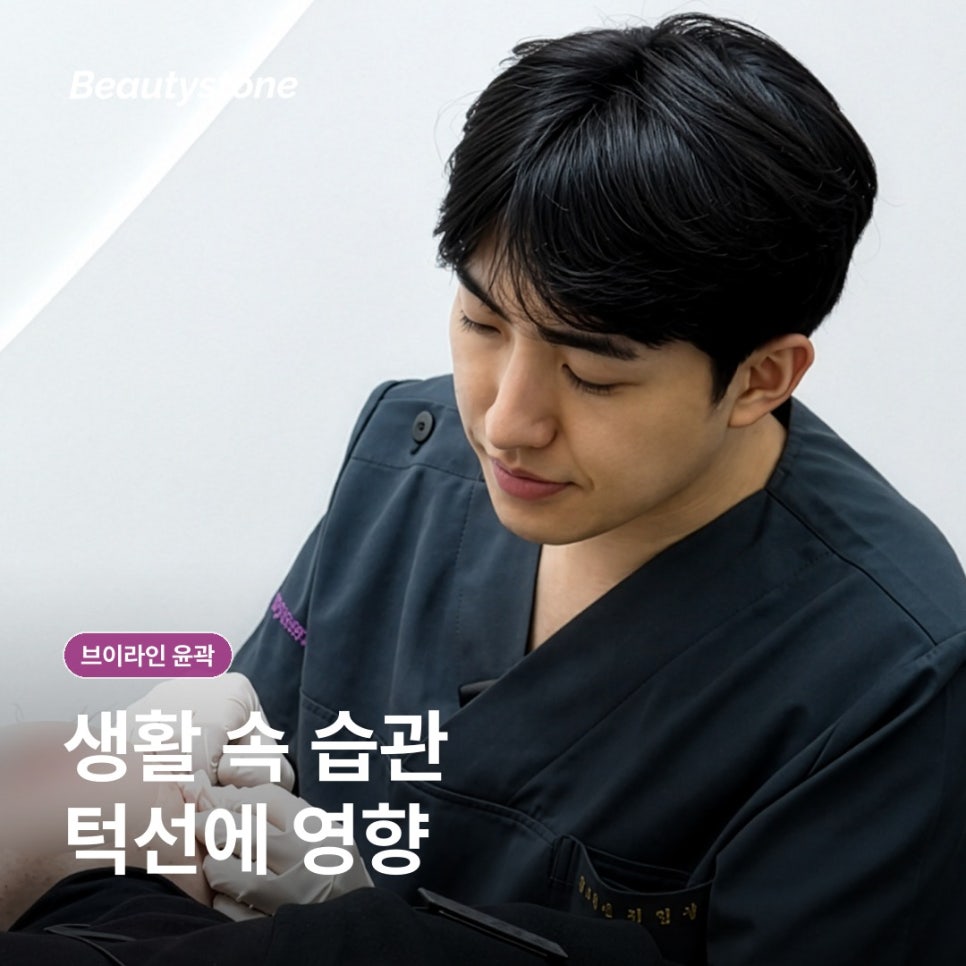
try to reduce chewing only on one side
and resting your chin on your hand.
You can also monitor swelling caused by eating excessively salty foods.
However, it is difficult to directly change the bone structure, developed muscles,
or deeper layers of fat through home care or massage.
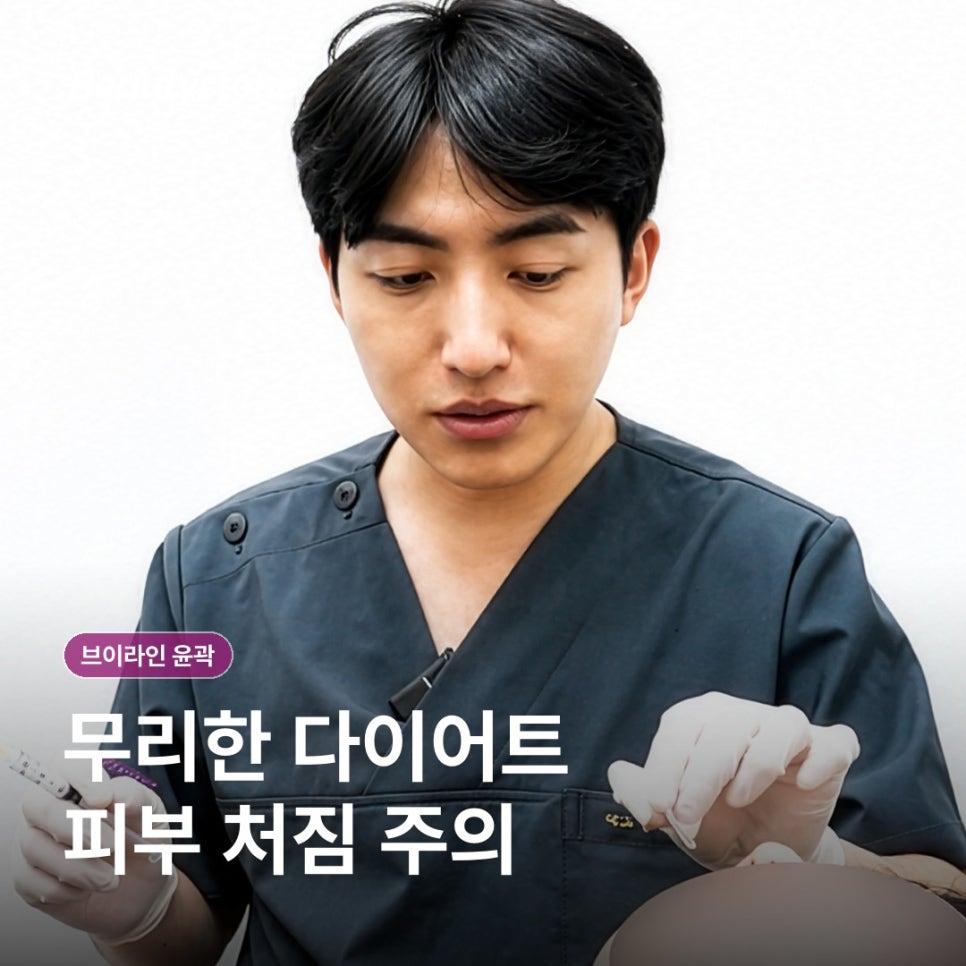
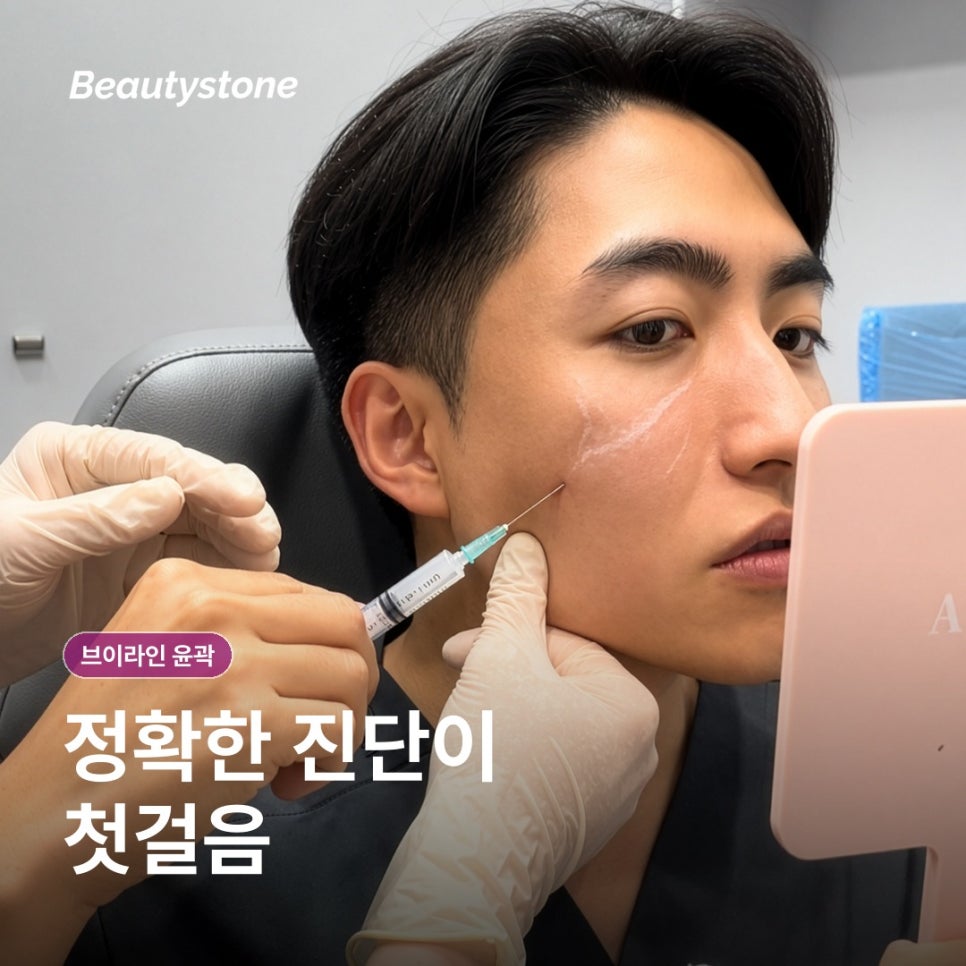
Options that may be considered after a consultation at a dermatology clinic near Hapjeong
include Botox to control masseter muscle activity
and injectable procedures targeting the fat layer.
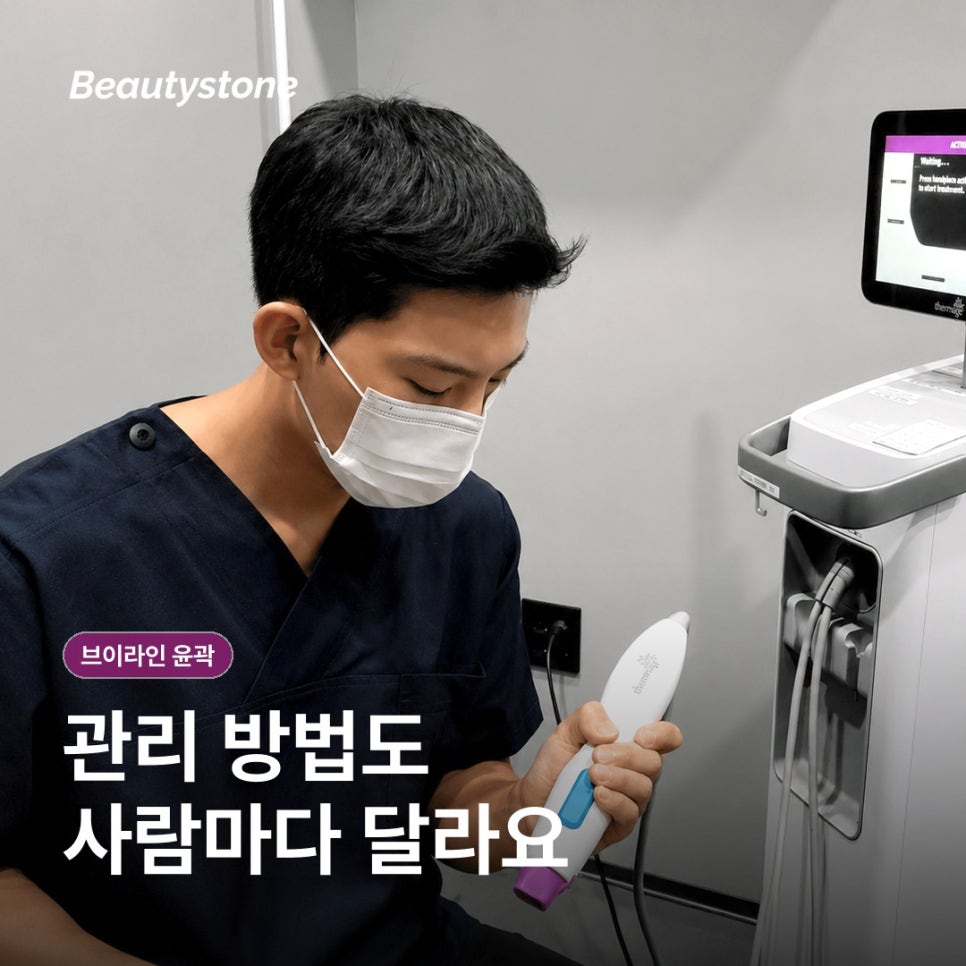
There are also approaches that use radiofrequency or ultrasound energy
to address skin elasticity and sagging,
as well as methods that use threads
to support soft tissue.
Each method works on a different area and according to a different principle,
so one procedure does not apply in the same way
to every V-line contour concern.
One approach to avoid is choosing a method based only on reviews
or the name of a procedure.
Instead, the recommended approach is
to first assess the bone structure, muscles, fat,
and skin elasticity,
then determine the scope of care that is needed.
3) What criteria should be used to select a procedure?
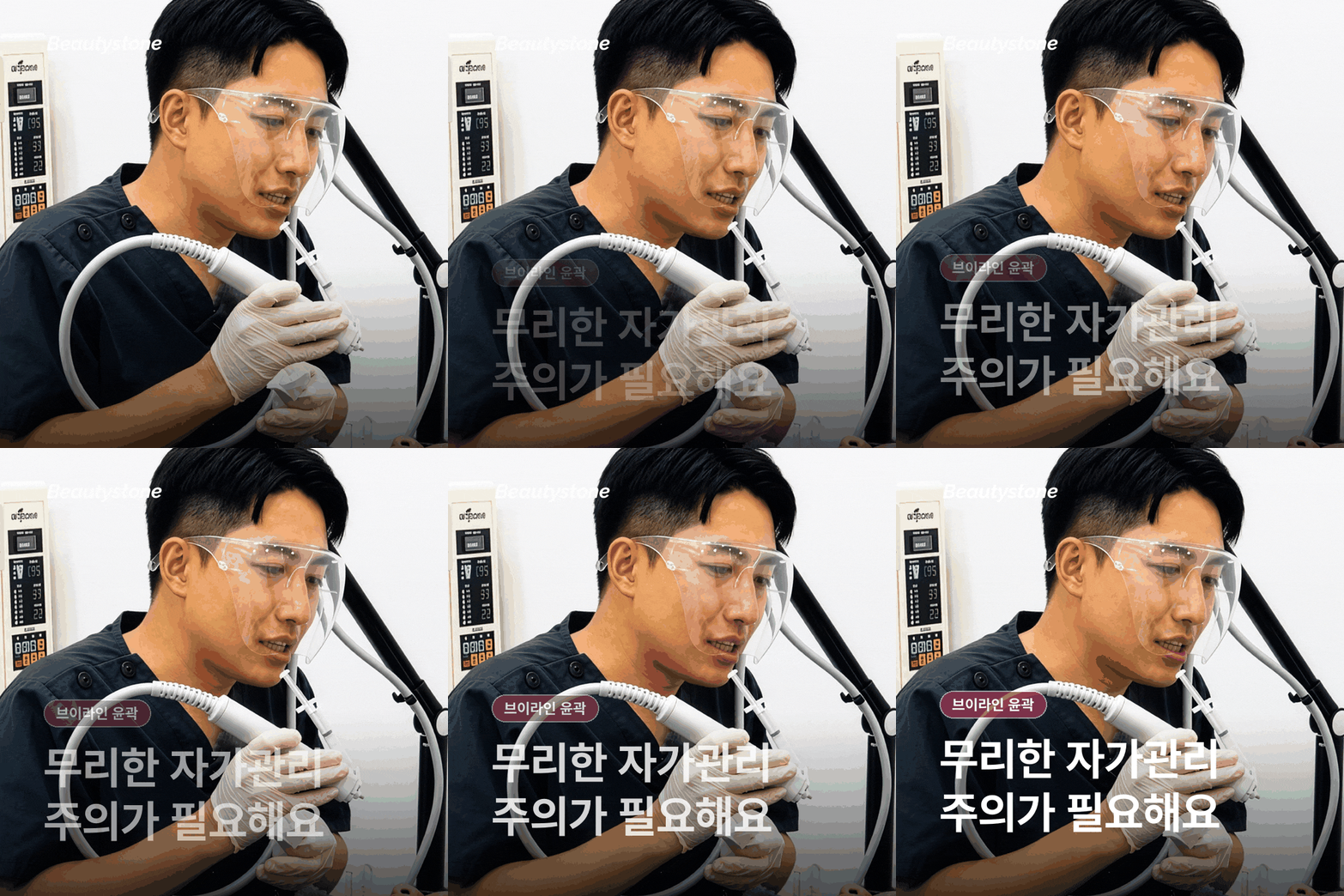
When receiving a consultation at a dermatology clinic near Hapjeong,
rather than discussing only the jawline you want,
also share your usual chewing habits
and any previous procedure experience.
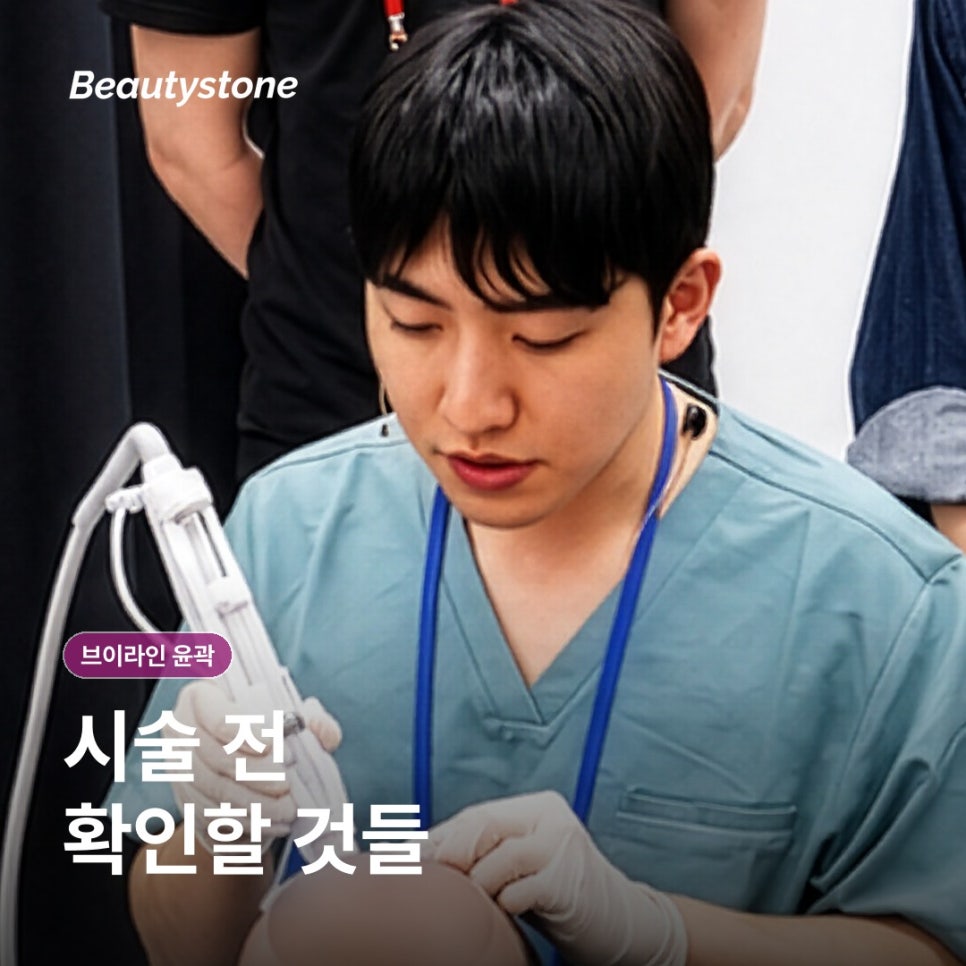
If the masseter muscles are developed,
the clinician will examine whether the muscles beside the jaw
become prominent when you apply force.
On the other hand, if you can feel the thickness of the soft tissue
when you grasp beneath the chin,
the amount and location of fat can also be assessed.
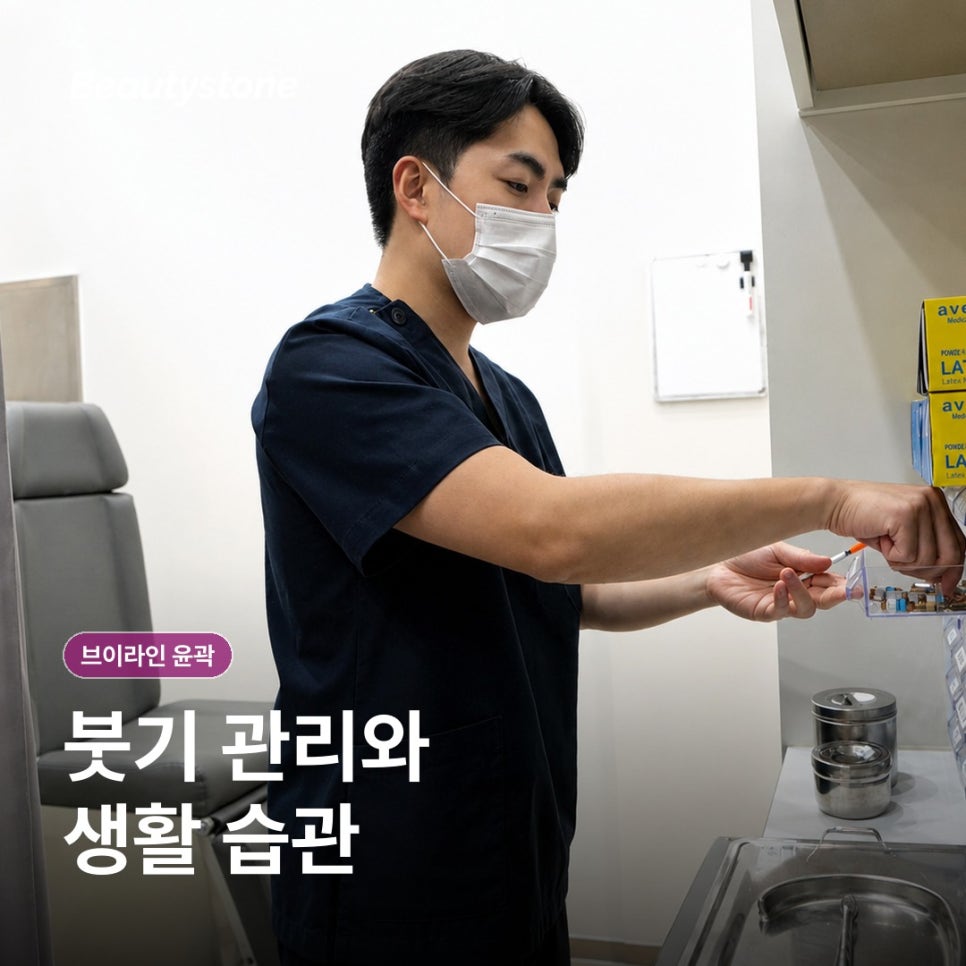
When choosing a dermatology clinic near Hapjeong,
rather than selecting a place that immediately recommends a procedure by name,
check whether it first explains
the factors affecting your current jawline.
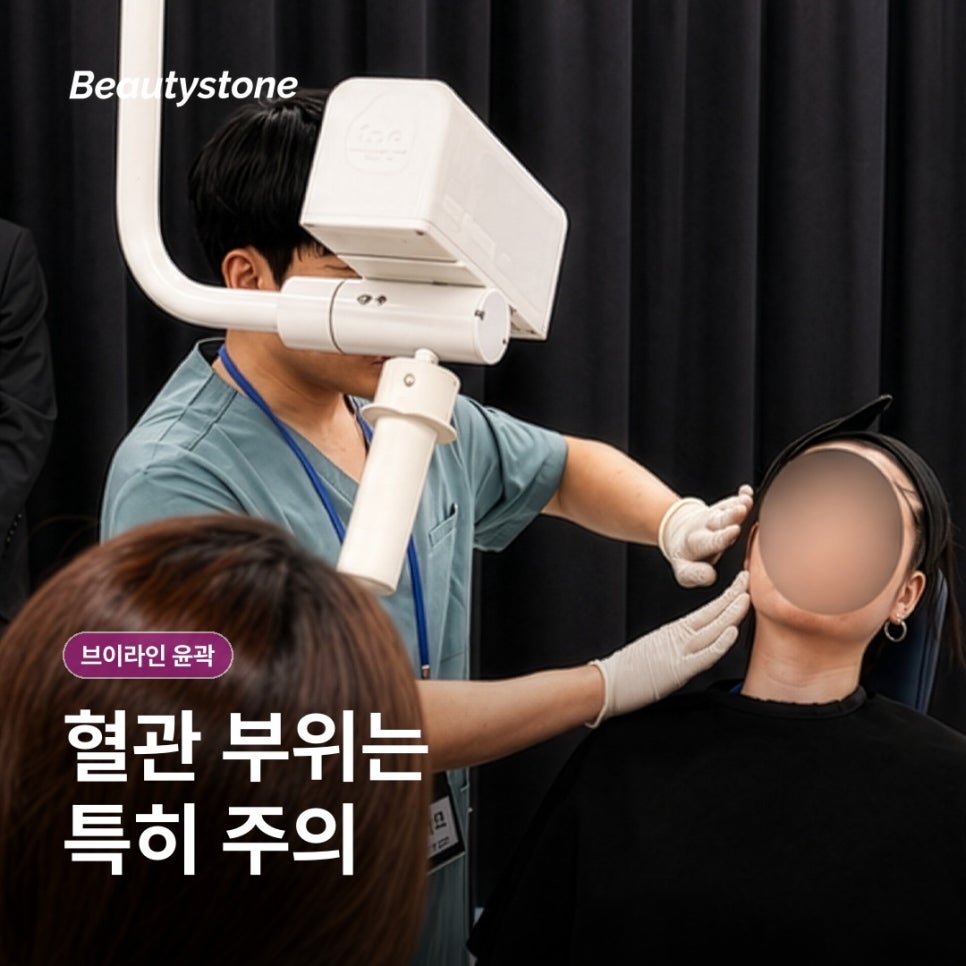
Because blood vessels and nerves pass through the face in a complex network,
an approach that takes anatomical structures into account
is important for procedures involving injections or threads.
Please also tell the clinic during the consultation about any recent procedures,
medications you are currently taking,
any allergies, and whether you tend to bruise easily.
Rather than undergoing several methods all at once from the beginning,
it may be easier to monitor the progress
if you assess the most significant cause first and proceed step by step.
4) What should you be careful about after care?
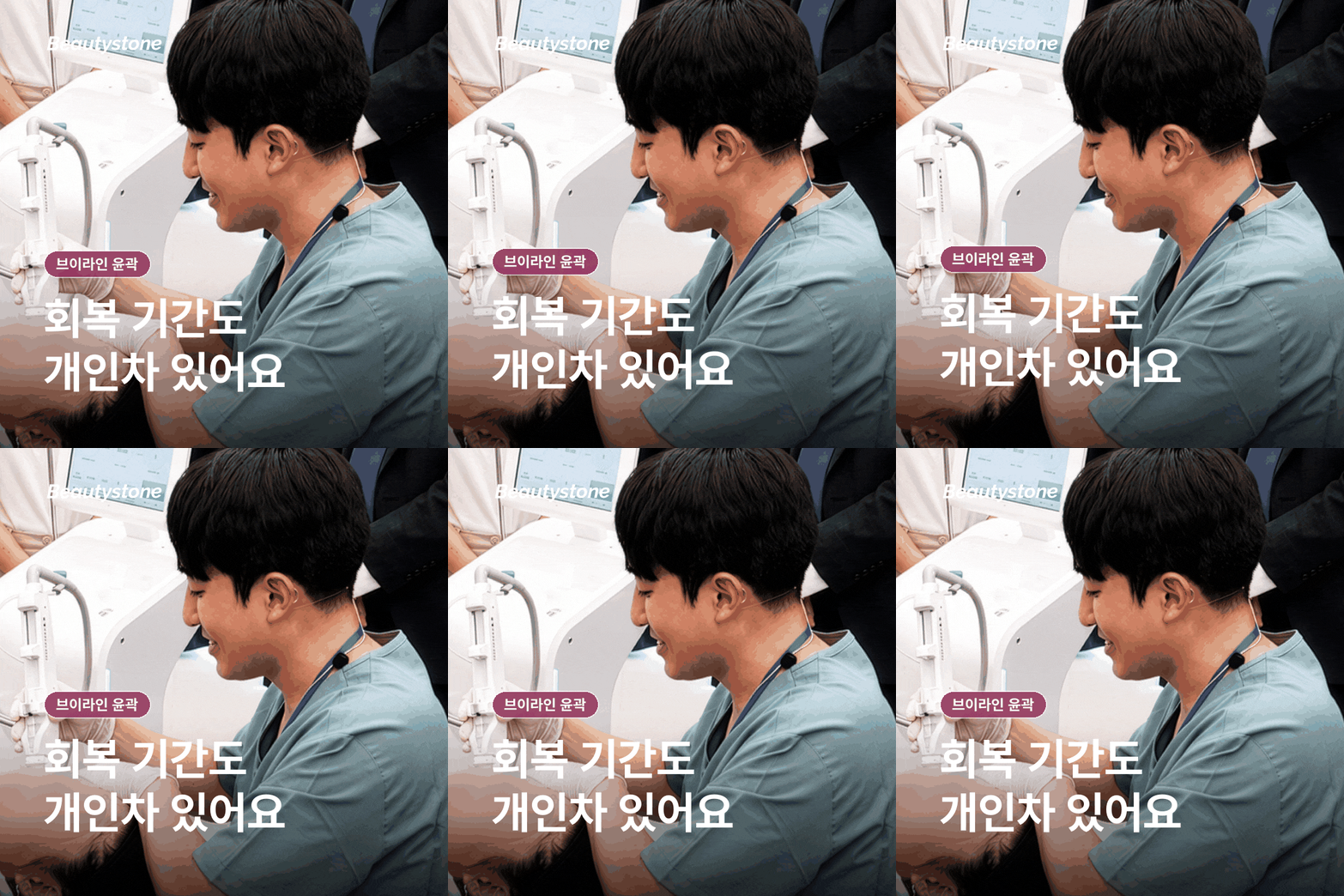
After a procedure, depending on the method,
swelling, bruising, soreness,
or a temporary sensation of pressure
may occur.
Procedures involving the muscles may cause
a feeling that differs from usual when chewing,
and a sensation of warmth or tightness may remain.
If injections or threads were used,
it is best not to press firmly on the treated area
or massage it repeatedly.
During the period advised by the dermatology clinic near Hapjeong,
please also reduce activities that increase body temperature and blood flow,
such as drinking alcohol, using a sauna or jjimjilbang,
and engaging in strenuous exercise.
Rather than deciding on the total number of sessions from the beginning,
it is better to check the swelling and skin response after the initial procedure,
as well as how the jawline appears,
and adjust the plan accordingly.
If pain gradually becomes more severe,
one side becomes significantly swollen and remains warm,
or changes in skin color or abnormal sensations occur,
contact the medical institution where you received the procedure.
In closing
V-line contouring is not determined by a single cause.
Because the bone structure, muscles, fat,
and skin elasticity all work together,
the appropriate approach may differ
even for the same jawline concern.
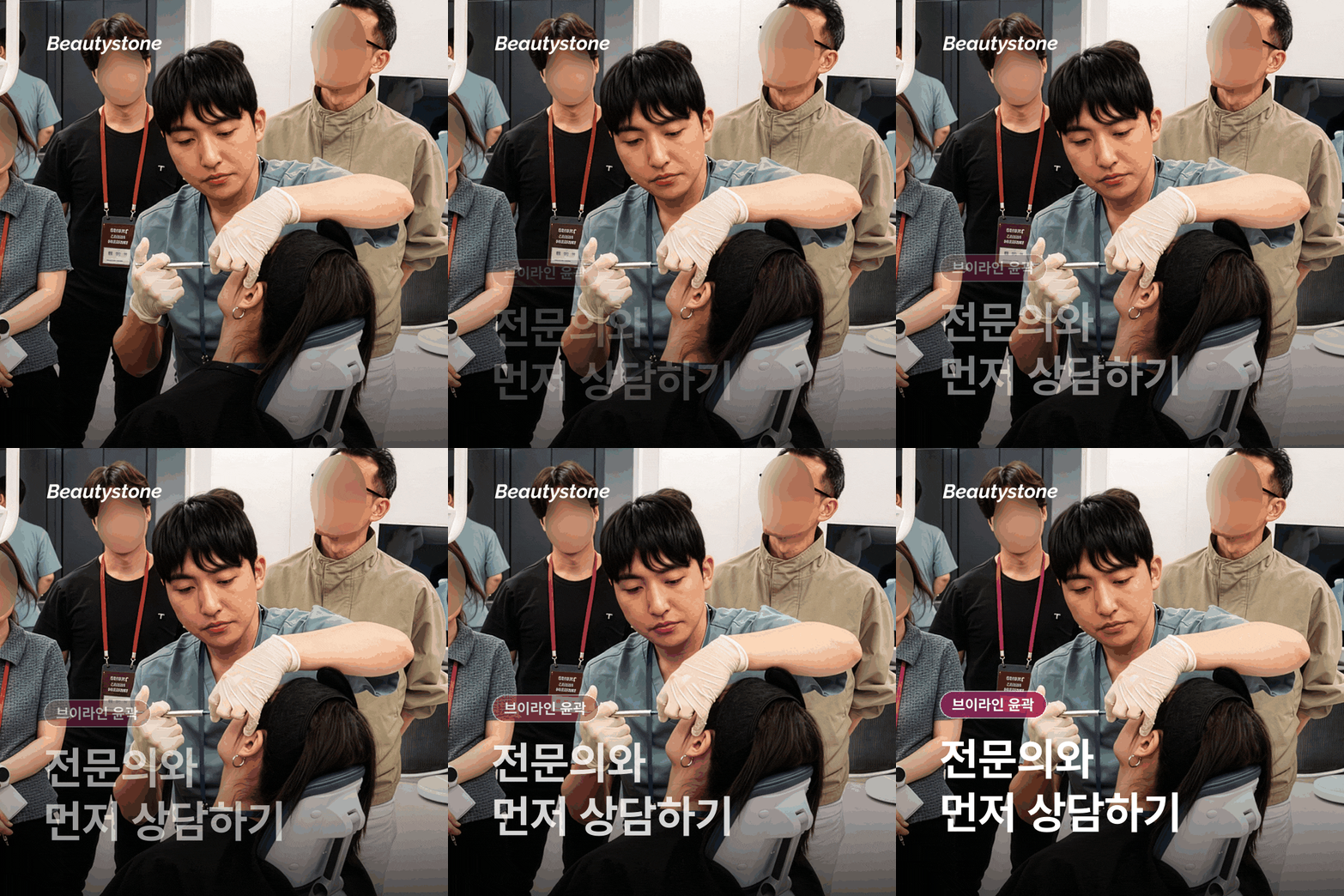
If you would like to find an approach suited to you
at a dermatology clinic near Hapjeong,
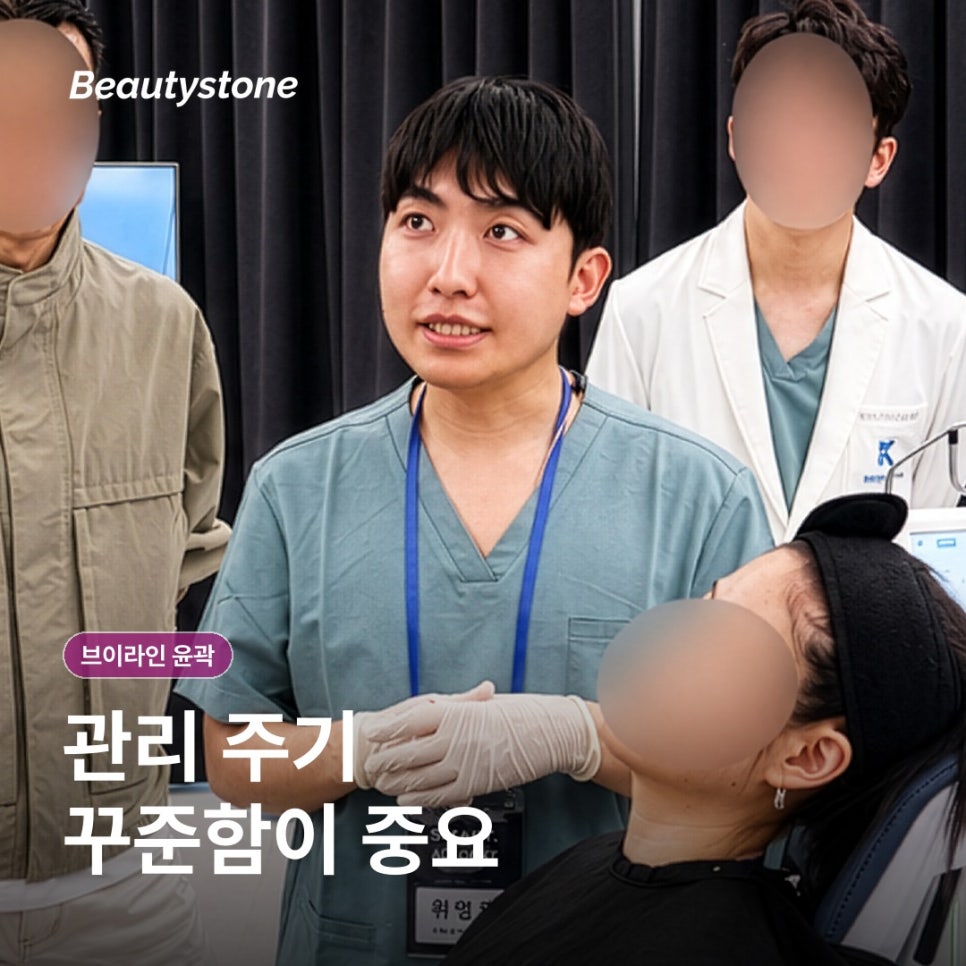
we recommend first checking the condition of your face
through a consultation with a specialist.
Frequently Asked Questions
Q1. Can V-line contouring be achieved with one method?
Because the bone structure, muscles, fat, and skin elasticity
all have an influence,
it is difficult to determine that one method alone will be sufficient.
It is better to identify the most significant cause in your current condition
and then decide which methods are needed.
Q2. Are jawline contouring procedures painful?
Depending on the procedure and treatment area,
you may feel stinging, warmth, or soreness.
The degree of pain experienced varies from person to person.
Q3. How long does swelling last after care?
It can vary depending on the method used, the treatment area,
and the individual’s recovery rate.
If the swelling does not decrease but worsens,
or if it is accompanied by pain, please contact a medical institution.
Q4. What should be checked before a procedure?
It is first necessary to distinguish whether the cause of the less-defined jawline
is muscle, fat, or sagging.
Please also tell the clinician during the consultation about medications you are taking,
recent procedure history,
and any allergies.
Thank you for reading this lengthy post.
This has been 김하원 from 뷰티스닥터.