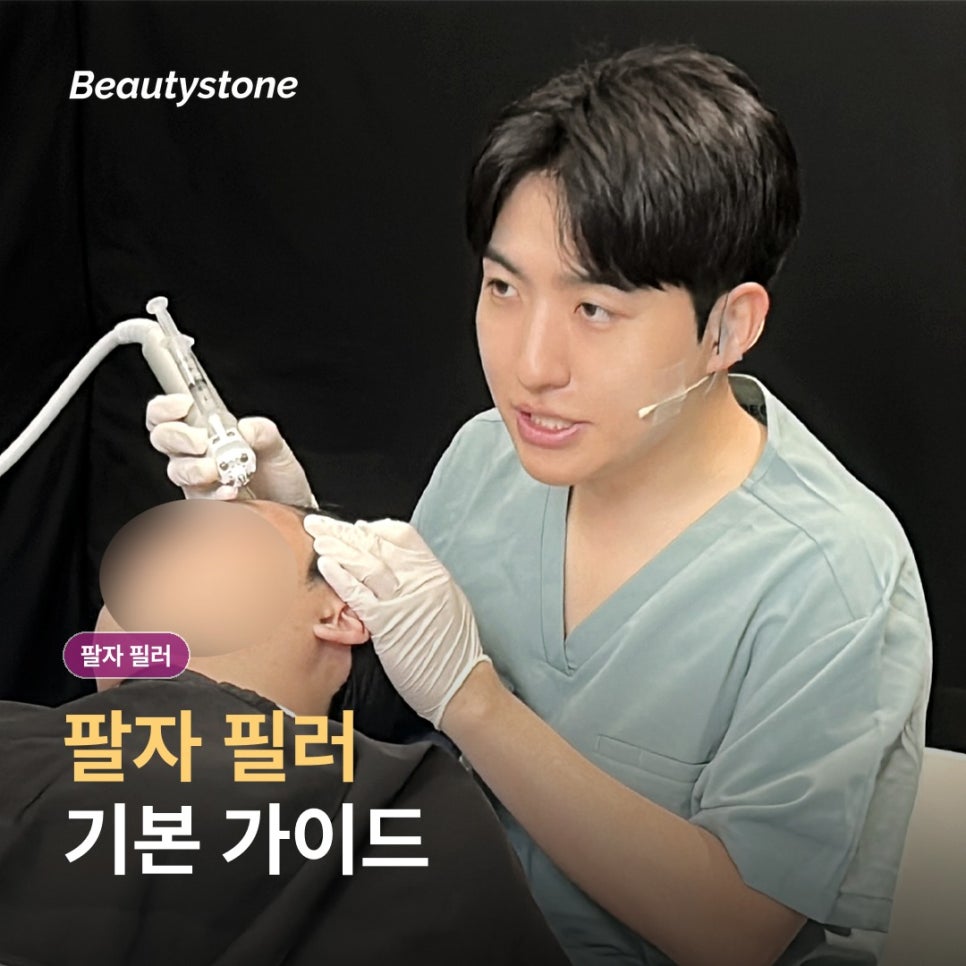
Hello.
I’m Youngjin Wi from Beauty's Doctor.
When nasolabial folds look deep,
it is easy to think that only the lines
running from the sides of the nose to the corners of the mouth need to be filled.
In reality,
not only hollowing in the nasolabial area,
but also the volume of the front cheeks, skin sagging, and bone structure
often affect their appearance together.
Therefore, when considering nasolabial fold filler,
rather than looking only at the depth of the folds,
you should examine the overall flow of facial volume.
If you are considering
nasolabial fold filler at Ewha Womans University Station,
before deciding how much filler to use,
first check the cause of the prominent nasolabial folds.

3-Line Summary
-
Nasolabial fold filler is a procedure that supports hollow areas
so that shadows caused by light
appear less noticeable.
-
Overfilling only the nasolabial groove
can make the area around the mouth look heavy,
so the overall facial structure should also be examined.
-
If pain becomes severe after the procedure
or your skin color or vision changes,
do not wait—contact the medical institution immediately.
1) How does nasolabial fold filler work?

Nasolabial folds
are areas where folds in the skin and facial contours
running from the sides of the nose to the corners of the mouth appear as lines.
If fat in the front cheeks moves downward
or the supporting structure beside the nose is hollowed,
shadows in the nasolabial area may become darker.

Nasolabial fold filler
primarily involves injecting a hyaluronic acid-based substance
into the areas where it is needed,
supporting hollow areas from within.
When the contours become gentler,
shadows created by light are also reduced,
so the nasolabial lines may appear less prominent.
However, this does not erase wrinkles like an eraser.

It is difficult to change both movement that occurs when making expressions
and skin sagging using filler alone.
2) Will filling only the nasolabial groove look natural?

Even if the nasolabial folds look deep,
the cause is not always limited
to the nasolabial groove itself.
The skin may have moved downward
because volume in the front cheekbones and cheeks has decreased,
or the starting point of the nasolabial fold may look deep
because the bone structure beside the nose is recessed.
If a large amount is injected along the line,

the nasolabial area may become thicker,
making the area around the mouth feel heavy.
Therefore, nasolabial fold filler should be planned
by examining the areas beside the nose, the front cheeks, and left-right asymmetry together,
and determining which areas actually need supplementation.
Rather than injecting a large amount at once,
it is better to treat only the necessary areas initially,
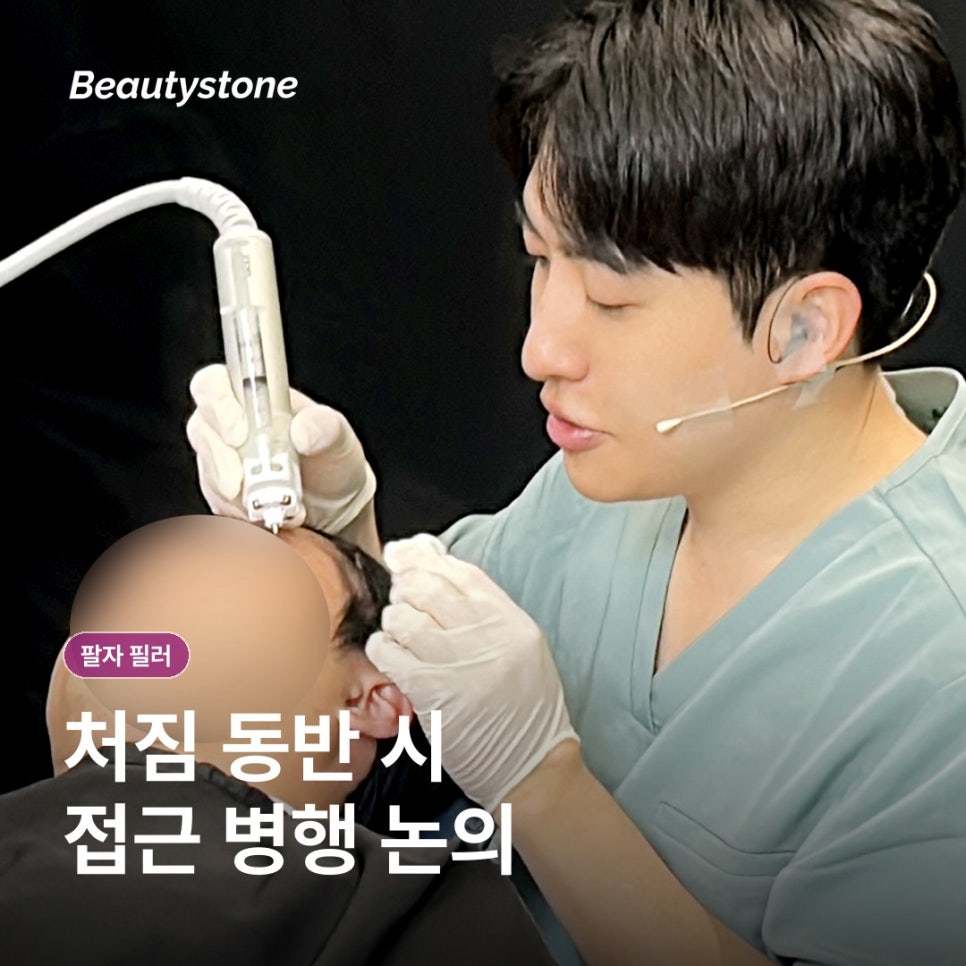
and decide whether additional supplementation is needed
after the swelling has subsided.
During the procedure,
as a needle or cannula is inserted,
you may experience a stinging or dull sensation,
or a feeling of pressure from inside.
The degree of discomfort varies somewhat
depending on the injection site and amount,
as well as individual pain sensitivity.
3) What should be checked before and after the procedure?

Before the procedure, tell your provider about previous filler treatment sites and products,
as well as any recent thread lifting, laser treatments,
or Botox procedures.
The medications you are taking and any allergies,
as well as whether you tend to bleed or bruise easily,
should also be discussed during the consultation.
If there is dermatitis, a wound,
or an inflammatory lesion around the mouth,
the schedule may be adjusted depending on your current condition.
After the procedure, swelling and bruising,

as well as tenderness or a dull aching sensation,
may occur temporarily.
Initially, do not press firmly on the injection site
or try to shape it on your own.
Follow the care instructions you receive.
Postpone strenuous exercise, alcohol, saunas, steam rooms,
hot baths, and vigorous facial massages
until the swelling and warmth have subsided.
Wash your face and apply makeup gently,
without repeatedly rubbing the injection site.
Be sure to moisturize and use sun protection as well.
4) What reactions require immediate contact?

Because the area around the nasolabial folds has a complex vascular structure,
reactions after the procedure
should be monitored carefully.
If pain rapidly becomes more severe over time
or the skin appears unusually pale,
or if purple or
blotchy color changes appear,
do not dismiss them as ordinary bruising.
Contact the medical institution where you received the procedure immediately.
Prompt evaluation is also needed
if the skin feels cold
or blisters develop.
If your vision becomes blurred, your eyes hurt,

or you experience double vision or any change in your eyesight,
seek emergency medical care immediately.
By contrast, mild bruising and swelling
often decrease over time.

However, if they last longer than expected
or a palpable area gradually becomes larger,
do not massage it yourself; have the condition checked.
In conclusion

When considering
nasolabial fold filler at Ewha Womans University Station,
you should not use only the amount of filler placed in the nasolabial lines
as your standard.
The volume of the front cheeks, the structure beside the nose,
skin sagging,
and left-right balance should all be examined
so that the areas and amount that are actually needed can be distinguished.
The duration of results may vary depending on the product used and injection site,
as well as facial movement and individual metabolic rate.
Rather than applying a predetermined amount and number of treatments from the beginning,
wait for the swelling to subside
and observe how the tissue settles
before deciding whether additional treatment is needed.

Frequently Asked Questions
Q1. Will nasolabial fold filler make the nasolabial folds disappear?
It can support hollow areas
so that shadows along the nasolabial lines appear less noticeable.
However, it is difficult to state definitively
that folds caused by skin sagging and facial expressions
will disappear completely.
Q2. How long does nasolabial fold filler last?
The duration varies depending on the characteristics and amount of the product,
movement in the treated area,
and individual metabolic rate.
Rather than using someone else’s duration as a reference,
the timing of a follow-up consultation should be determined
after reviewing your own progress.
Q3. Is it okay to smile or talk after the procedure?
Normal facial expressions and conversation are fine,
but initially, avoid pressing excessively around the mouth
or massaging the area vigorously.
If you have swelling or tenderness,
reduce unnecessary stimulation to the area
and follow the precautions you were given.
Q4. If I am unhappy with the shape after the procedure, can I receive additional filler right away?
Immediately after the procedure, swelling
may make the shape and volume on each side
feel different.
Rather than adding more right away,
it is more appropriate to wait for the swelling to subside
and the filler to settle
before deciding whether supplementation is needed.
Thank you for taking the time to read this long post today.
This has been Youngjin Wi from Beauty's Doctor.