Hello.
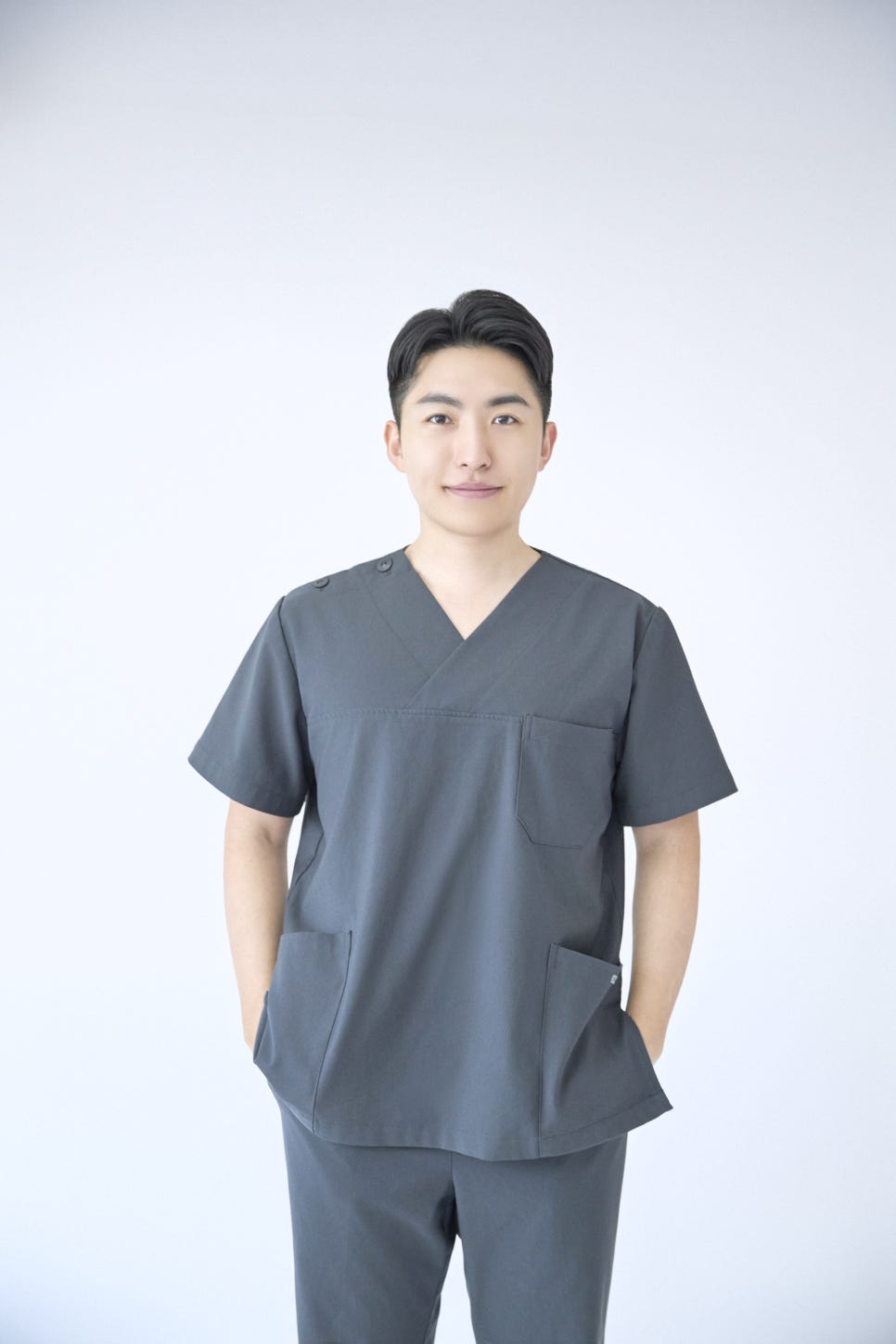
I’m Wi Young-jin from Beauty’s Doctor.
When brown pigmentation spreads faintly around the cheekbones and cheeks, it can be difficult to tell whether it is blemishes or melasma.
Unlike spots with clearly defined borders, melasma spreads broadly and irregularly and may become darker depending on the season or your physical condition.
When looking into melasma laser treatment at Gongdeok Station,
rather than deciding on the type of equipment or number of sessions first, it is important to begin by identifying the current pattern of pigmentation.
This is because melasma is not simply a problem that ends once pigmentation is removed. It is closer to a chronic pigmentary change involving UV exposure, hormones, and skin irritation.
3-Line Summary
-
Melasma can appear as a result of multiple overlapping factors, including UV exposure, hormonal changes, and skin irritation.
-
Rather than trying to erase melasma at once with high energy, laser treatment is performed gradually while monitoring the skin’s response.
-
After treatment, continue moisturizing and protecting the skin from UV rays, while also managing the factors that may cause the pigmentation to darken again.
- Why does melasma develop, and how is it different from blemishes?
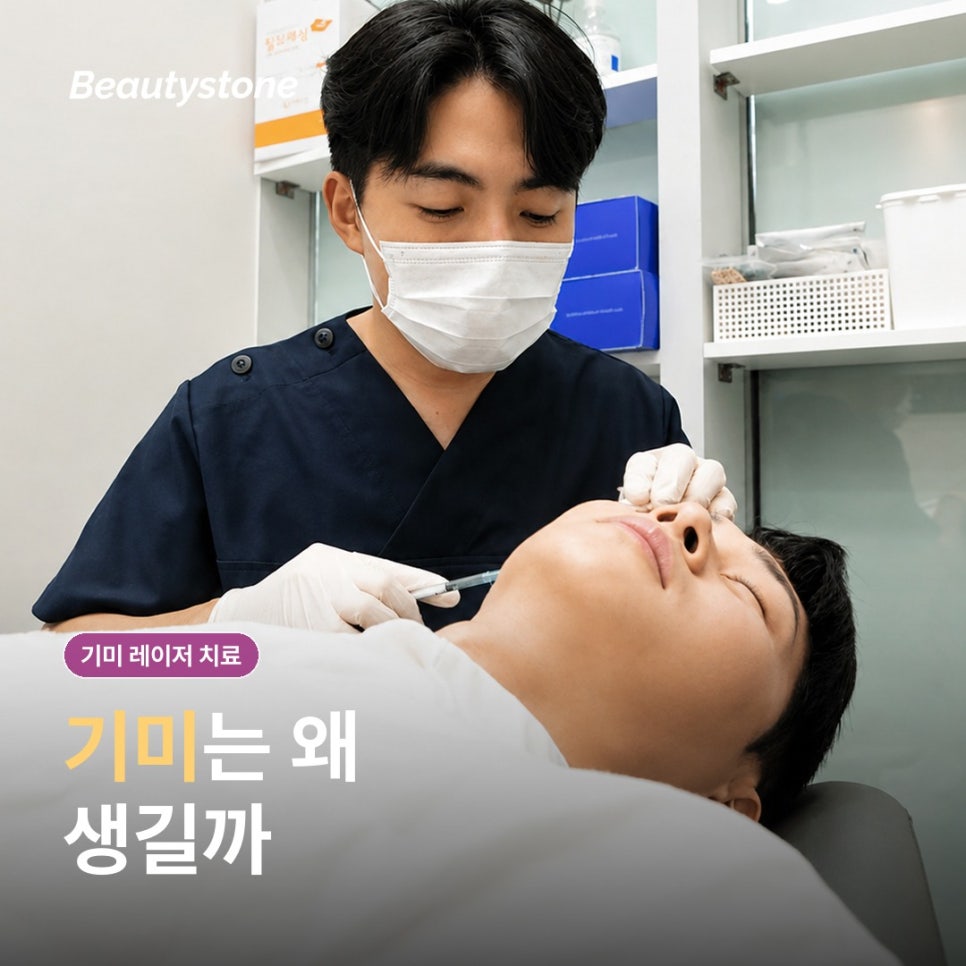
Melasma often appears around the cheekbones, forehead, and cheeks as melanocytes are stimulated and produce more pigment.
UV exposure is a leading cause, but
pregnancy and hormonal changes, genetic tendencies, and repeated heat and friction may also have an effect.
Unlike solar lentigines or freckles, which have distinct borders,
melasma often spreads similarly on both sides of the face or has indistinct color boundaries.
Even on one person’s face, melasma, blemishes, and post-inflammatory hyperpigmentation may be present together.
Therefore, simply because an area looks brown,
it is difficult to apply the same laser and intensity to every area.
After examining the distribution of the pigmentation, skin sensitivity, and whether redness or vascular responses are also present, priorities should be determined.
- How does melasma laser treatment work?
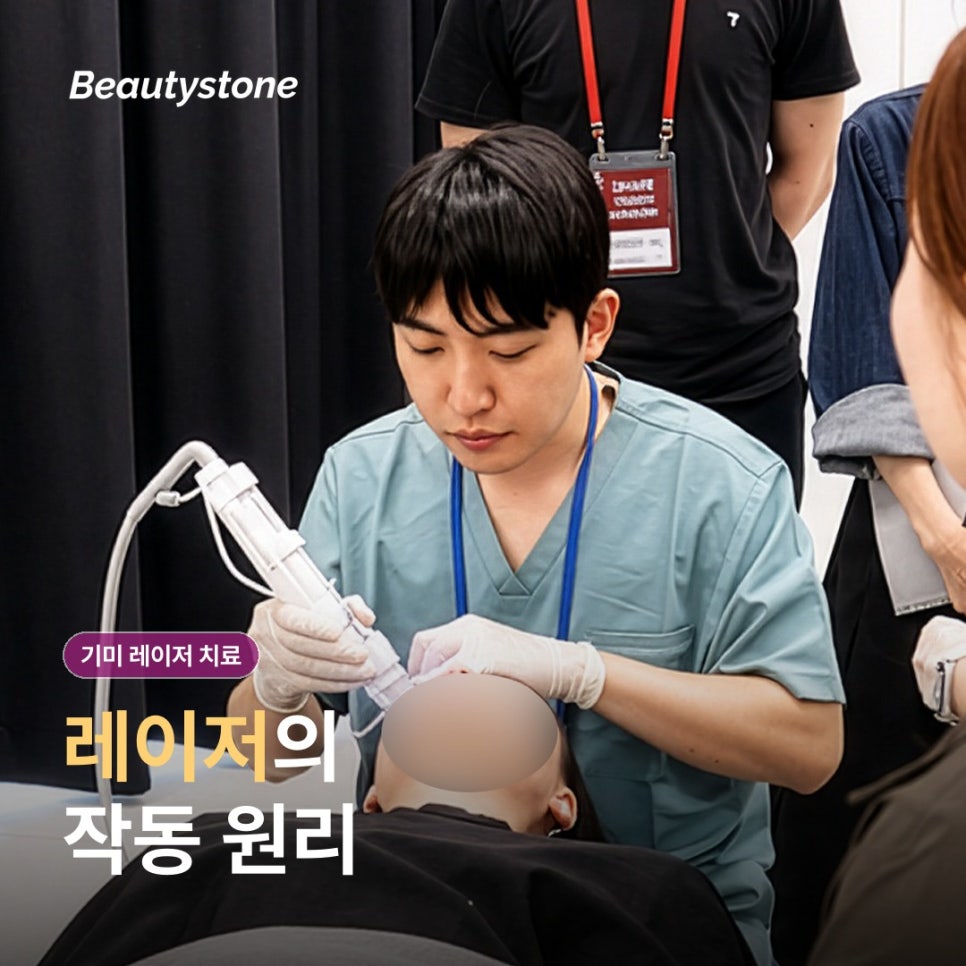
Laser treatment uses the property of specific wavelengths of light being absorbed by melanin to deliver energy to the pigmentation.
However, skin affected by melasma is sensitive to irritation.
If strong energy is delivered all at once, redness and inflammatory reactions may increase.
If the pigment cells are stimulated again during the recovery process, melasma may appear darker or previously lightened pigmentation may return.
For this reason, melasma laser treatment is often performed in several lower-intensity sessions while monitoring the skin’s response, or by adjusting the order of treatment alongside other forms of care.
During the procedure, you may feel a mild stinging sensation, like a rubber band lightly snapping against the skin, or brief warmth.
The degree of pain and redness may vary from person to person depending on the equipment used, the settings, and skin sensitivity.
Rather than deciding on the total number of sessions from the beginning, it is also reasonable to determine the next interval after checking changes in pigmentation and the skin’s recovery rate following the initial sessions.
- What should be checked before treatment?
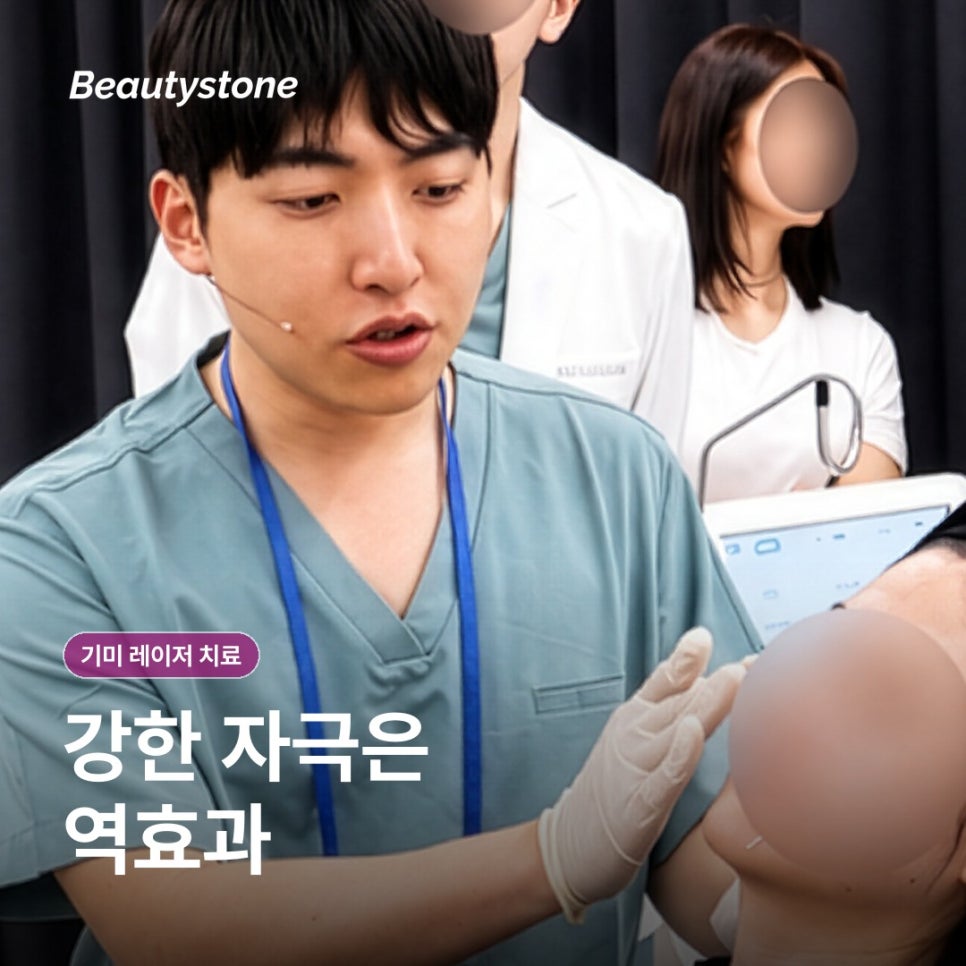
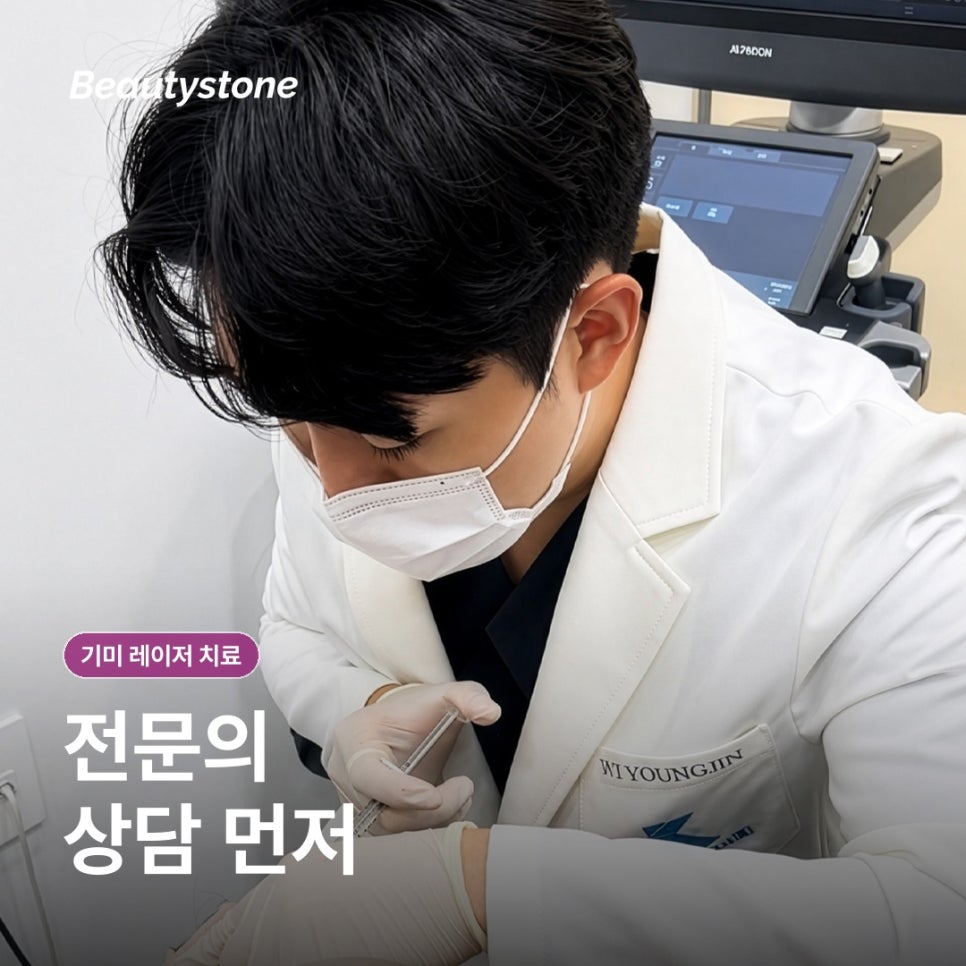
Before a consultation for melasma laser treatment at Gongdeok Station,
try to recall when the pigmentation first appeared and whether it becomes darker depending on the season.
You should also tell the provider during the consultation whether there were any changes after pregnancy or childbirth,
and whether you are taking oral contraceptives or hormone-related medications.
Information about recently received laser treatments and peels, as well as the brightening ingredients and retinol products you are currently using, is also needed to assess skin irritation.
If you have dermatitis, severe dryness, or recurring burning and redness, restoring the skin barrier may need to take priority over treating the pigmentation.
If acne or wounds continue to develop,
any underlying inflammation should also be examined to prevent new post-inflammatory hyperpigmentation from being added.
Rather than following the equipment or number of sessions you saw online, check whether melasma is mixed with other types of pigmentation,
and how much irritation your skin can currently tolerate.
- How should recurrence management continue after treatment?
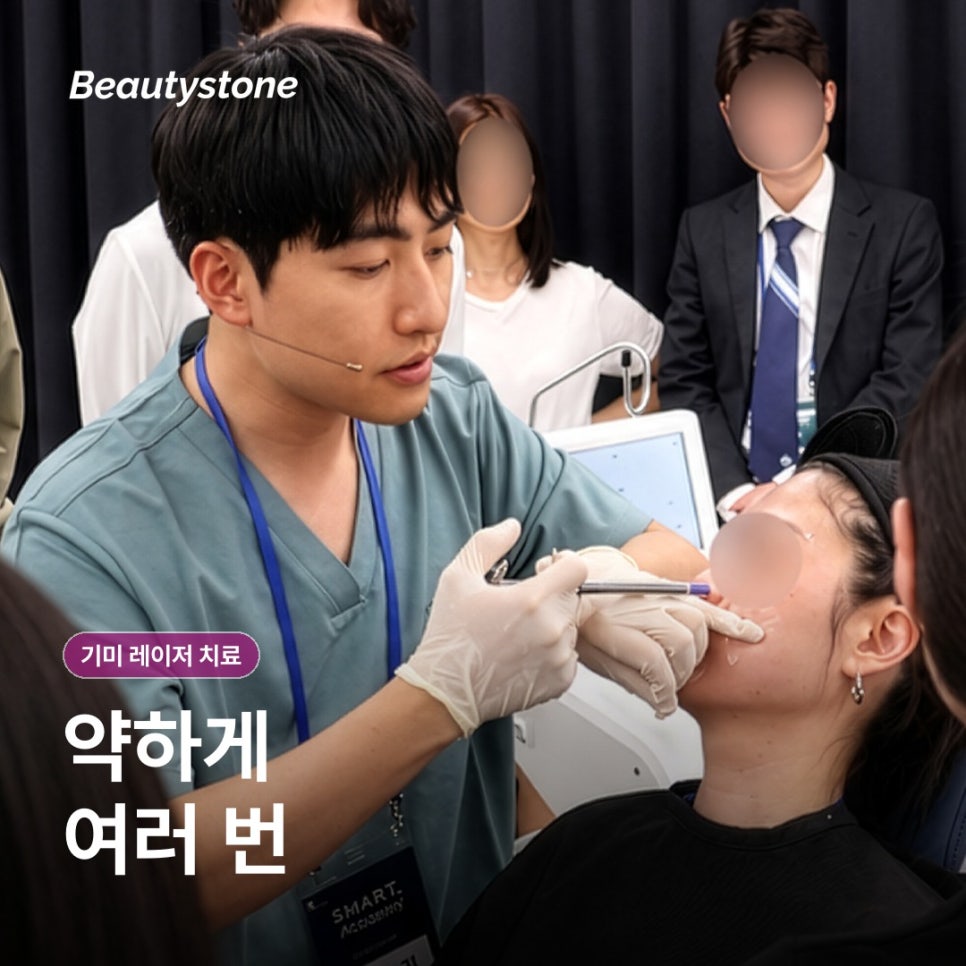
Immediately after the procedure, temporary redness and warmth, mild swelling, or dryness may occur.
During the early recovery period, do not use scrubs and peels,
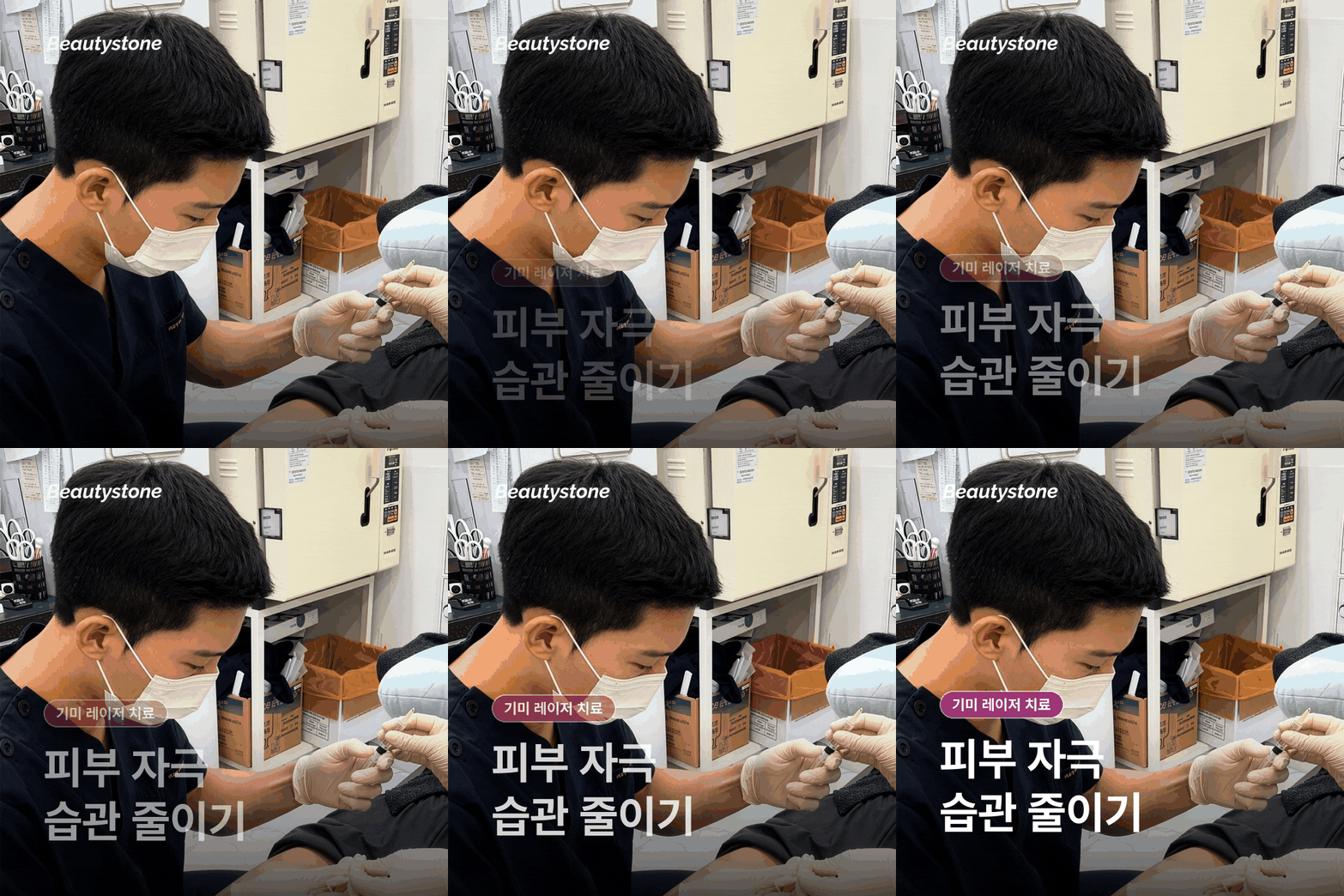
or high-concentration brightening products all at once. Soothe the skin with a low-irritation moisturizer.
Saunas, heated bathhouses, hot baths, strenuous exercise, and alcohol should also be reduced until the redness and warmth have subsided.
Apply sunscreen before going outdoors, and if you will be outside for a long time, use a hat or parasol as well.
Even if you spend a long time by a window or drive for extended periods,
it is important to check whether you are repeatedly exposed to sunlight.
Even after melasma has lightened,
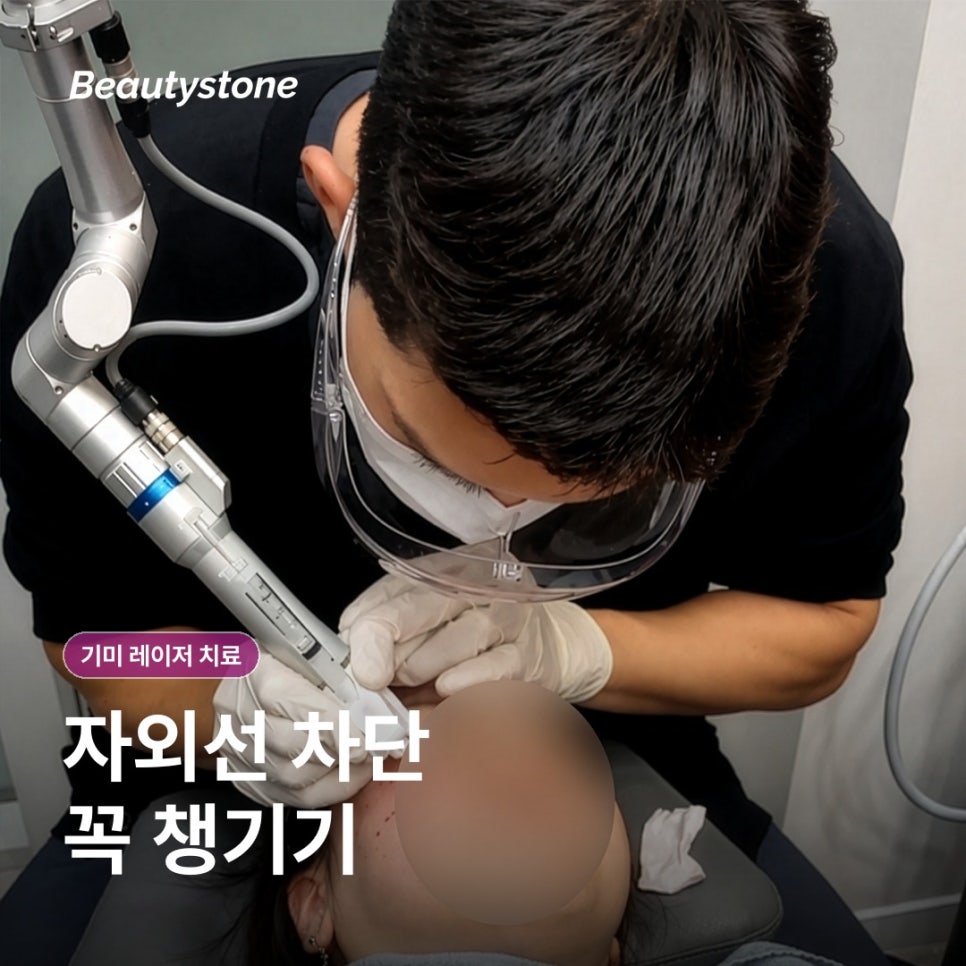
it may become darker again if UV exposure, heat, and friction build up once more.
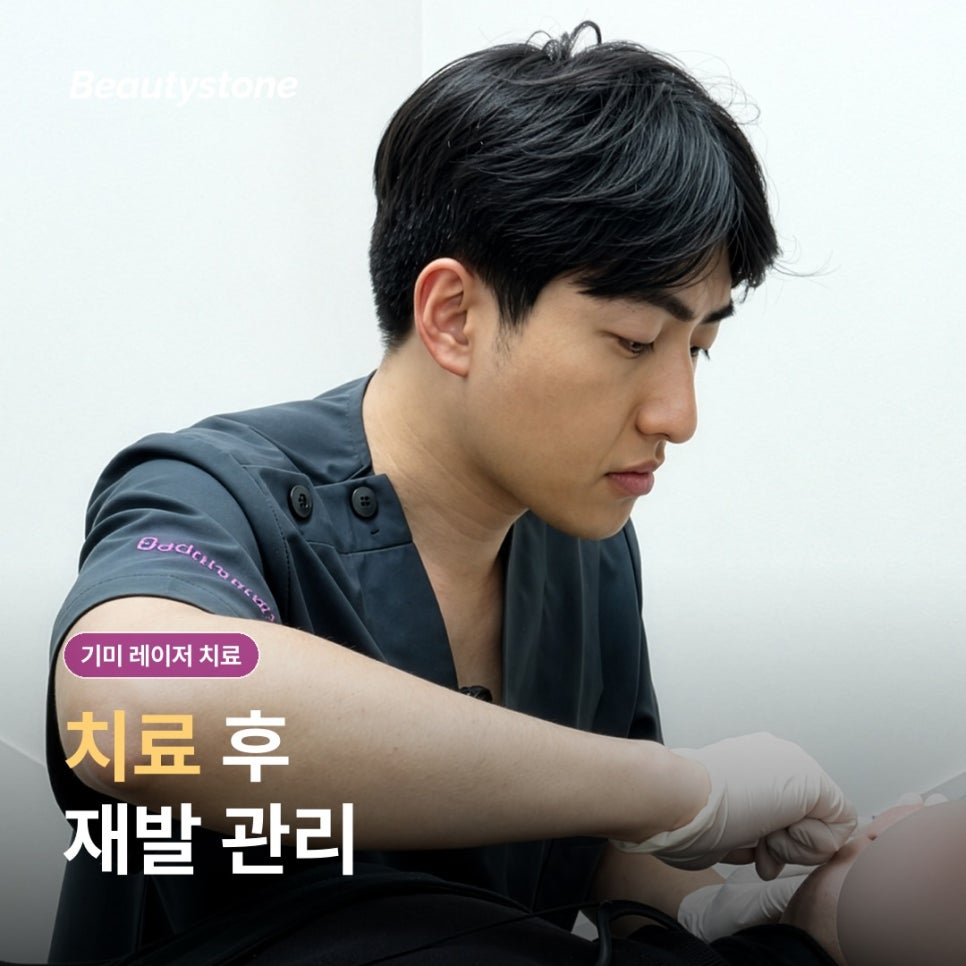
If pain gradually worsens after treatment or you develop large blisters, oozing,
or redness that continues to spread, do not wait on your own; contact a medical institution.
In Closing
When looking into melasma laser treatment at Gongdeok Station,
it is important to identify the factors that have caused the melasma to darken, rather than trying to quickly remove the color with a strong laser.
Determine whether it is melasma or another type of pigmentation, and consider the skin barrier, UV exposure, and recent treatment history together.
Even when the same equipment is used,
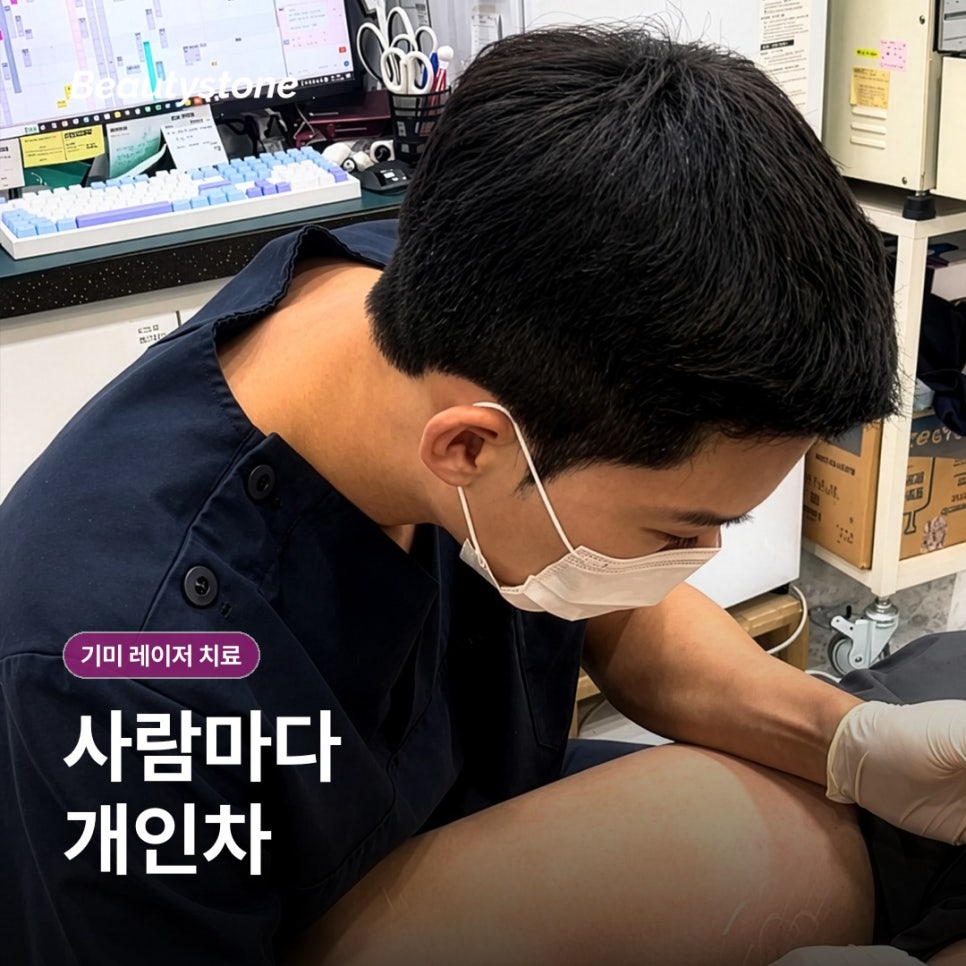
the required intensity and intervals may vary depending on skin sensitivity and the distribution of the pigmentation.
Rather than rushing to finish everything in one session, it is more realistic to determine the direction of subsequent care while observing the initial response and
the recovery process.
Frequently Asked Questions
Q1. Can melasma laser treatment be completed in one session?

Because multiple factors contribute to melasma,
it is often treated over several sessions while monitoring its progress rather than being completed in a single session.
The required number of sessions and intervals vary depending on the pattern of pigmentation and the skin’s response.
Q2. Can melasma become darker after laser treatment?
If skin irritation and inflammatory reactions increase or UV exposure continues, the pigmentation may temporarily appear darker.
If the color change continues longer than expected, inform the medical institution where you received the treatment about your condition.
Q3. Are melasma and blemishes treated with the same laser?
Melasma and blemishes may differ in the distribution of pigmentation and the way they respond to irritation.
If both are present on the same face, the equipment, intensity, and treatment sequence may be adjusted for each lesion.
Q4. Can I use brightening cosmetics together with the treatment?
They may be used alongside treatment depending on the ingredients, but using several products at once immediately after the procedure may worsen stinging and dryness.
After the skin has calmed, restart the products one at a time at the advised point.
Thank you for reading this long post today.
This has been Wi Young-jin from Beauty’s Doctor.