Hello.
I’m Youngjin Wi from Beauty’s Doctor.
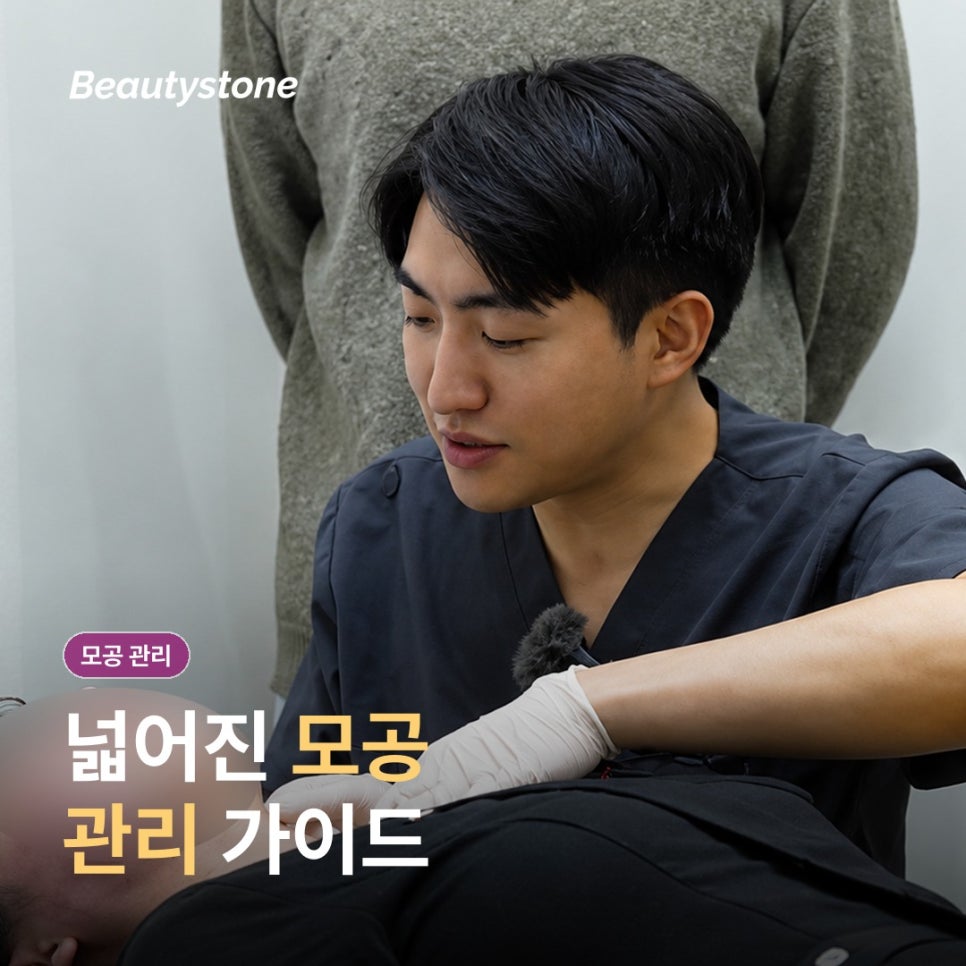
When you look closely in the mirror and notice that
the pores beside your nose or on your cheeks
look especially prominent,
you may wonder whether you have not been cleansing thoroughly enough.
It may seem that
clearing away sebum completely would naturally make pores smaller,
but there is more than one reason they can look enlarged.
In addition to sebum production and dead skin cells,
skin elasticity and exposure to UV rays,
past acne and
lifestyle habits can also have an influence.
When looking into
pore care at Dangsan Station,
rather than choosing a popular product or treatment first,
you should first examine
why your pores currently look prominent.
3-Line Summary
- Pores can look wider
as several factors overlap,
including sebum production, dead skin cells,
and reduced elasticity.
- Pore care
requires distinguishing between sebum-type and elasticity-type pores
and choosing an approach suited to your current skin condition.
- Rather than vigorous cleansing and frequent scrubbing,
it is important to consistently continue
moisturizing and protecting the skin from UV rays.
- Why Do Pores Look Enlarged?
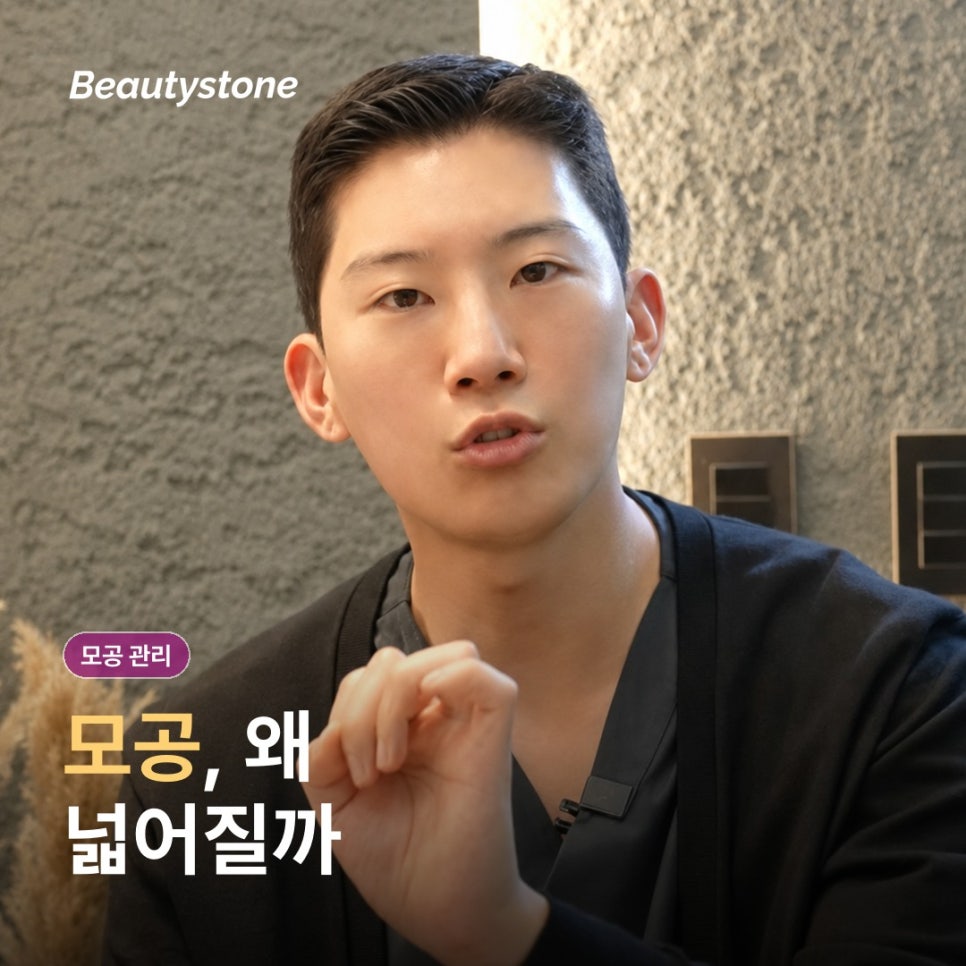
Pores are the openings of
the sebaceous glands and hair follicles,
from which sebum and hair emerge.
They are not structures that
open and close like doors,
but depending on the amount of sebum and the elasticity of the surrounding skin,
they may appear more prominent in size.
On skin that produces a lot of sebum,
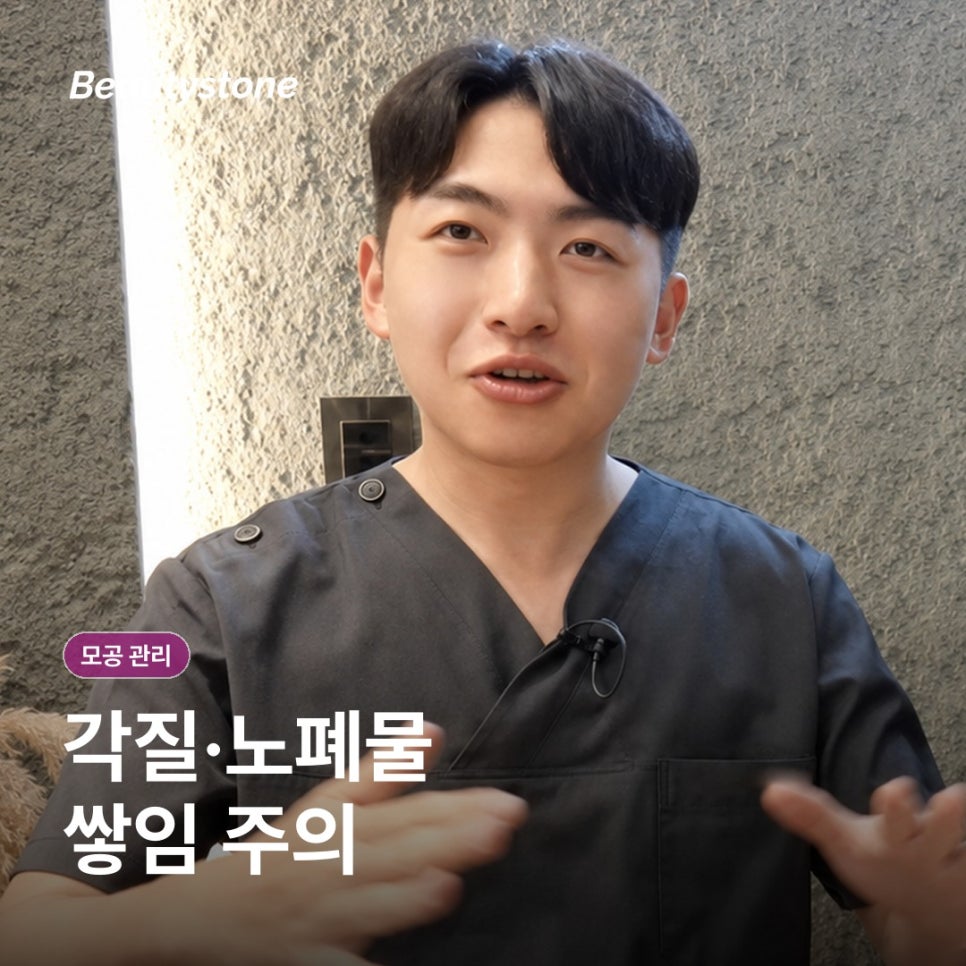
sebum and dead skin cells can remain inside the pores,
making the openings look wider and darker.
When round pores are noticeable
in areas with well-developed sebaceous glands,
such as the nose and the area beside it,
this is a typical example
of what is close to the sebum type.
On the other hand, as people age and dermal elasticity decreases,

the support around the pores weakens,
so they may look elongated vertically,
like teardrops.
Skin affected by UV exposure, repeated inflammation,
or acne scars may also have an uneven surface,
which can make the pores look even more prominent.
- How Can You Distinguish Sebum-Type and Elasticity-Type Pores?
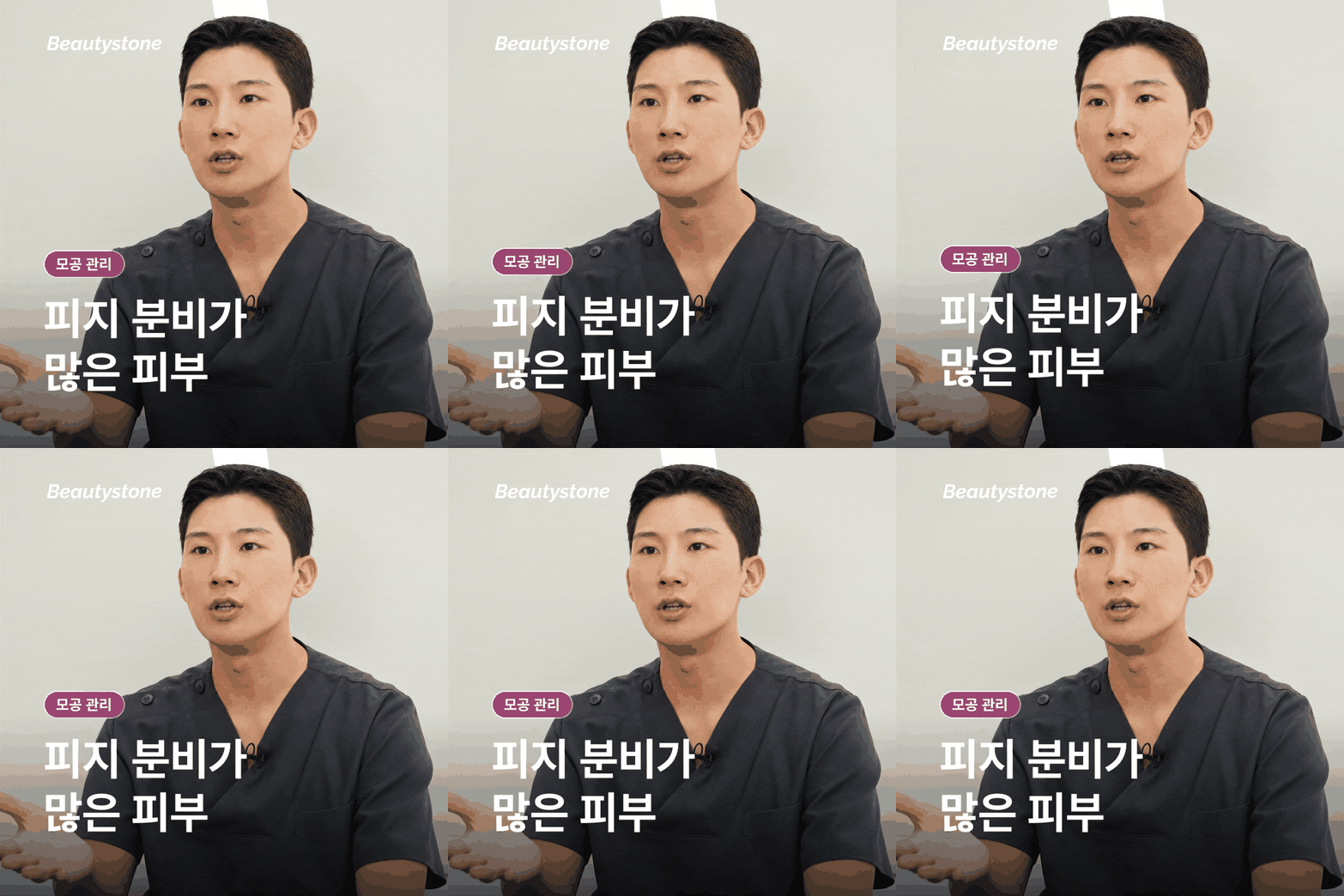
Sebum-type pores
are often found mainly around the nose and forehead,
along with oiliness and blackheads.
They may look less noticeable immediately after cleansing,
but become prominent again as sebum rises to the surface over time.
Elasticity-type pores
are often noticeable on the inner cheeks or below the cheekbones,
where they appear elongated
in a vertical direction.
If the pores look less noticeable
when you gently pull the skin,
this may indicate that reduced elasticity
is having an influence and should also be considered.
In reality, mixed-type pores,
in which sebum, reduced elasticity,
and acne marks overlap, are also common.
Therefore, rather than examining only one area up close,
you should consider sebum production, skin thickness, elasticity,
and the presence of scars together.
- What Roles Do Treatments and Home Care Play?
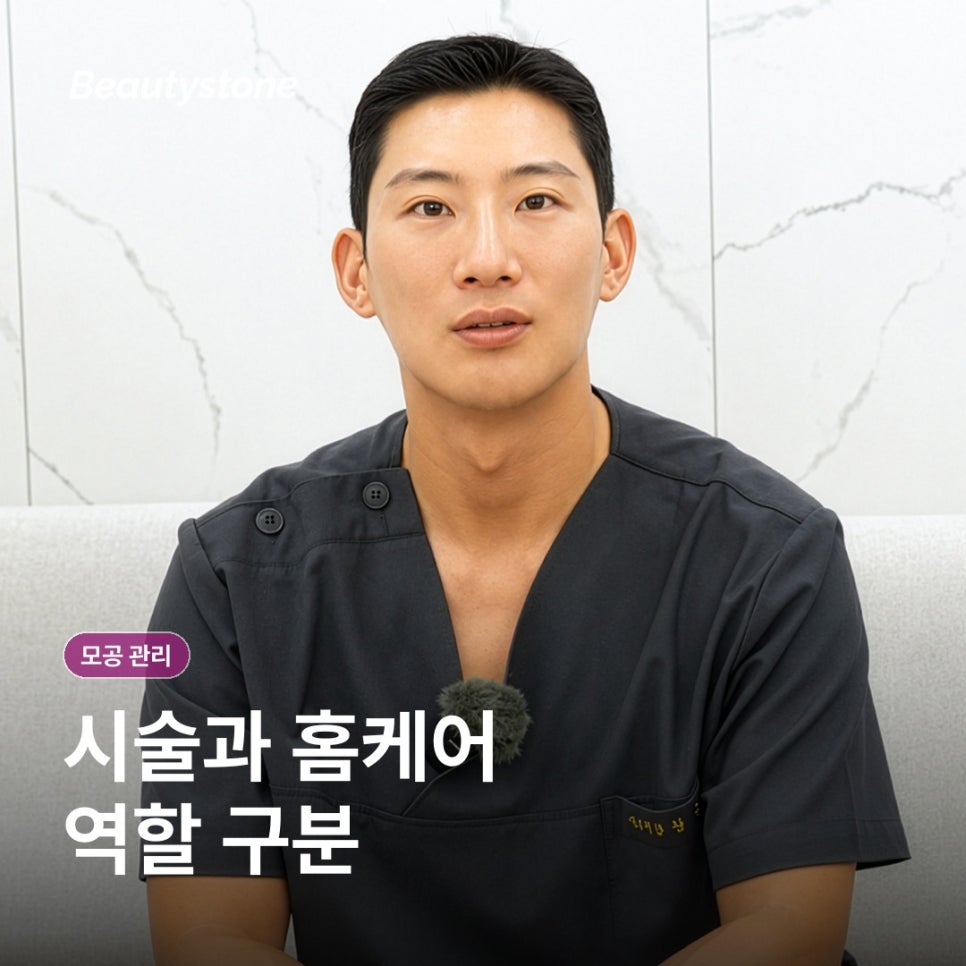
Treatments used for pore care
can be divided into approaches that regulate sebum,
refine the skin’s surface,
or encourage a collagen response.
If sebum and dead skin cells are the main concerns,
extraction, peeling, or sebum-control care
may be considered first.
On the other hand, if reduced elasticity
and scars are also present,
approaches that encourage skin remodeling,
such as fractional lasers or microneedle radiofrequency,
may also be considered.
However, it is difficult to state definitively
that pores will disappear after a single treatment.
Responses and the intervals required
may vary from person to person depending on the rate of skin recovery,
sebum production, and scar depth.
Before a pore-care consultation at Dangsan Station,
please inform the provider about any medications you are taking and allergies,
as well as any laser or peeling treatments you have recently received.
If you have dermatitis
or severe inflammatory acne,
rather than rushing into an irritating treatment,
the treatment sequence can be planned after the skin has calmed down.
- How Should You Continue Your Home Care?

If you are concerned about sebum
and wash repeatedly with highly cleansing products,
your skin barrier may become sensitive.
Gently cleanse with lukewarm water
and use a low-irritation moisturizer
to prevent tightness.
Rather than using scrubs and peeling products aggressively every day,
you should adjust their frequency
while observing your skin’s response.
Repeatedly squeezing blackheads with your hands
or tools
can leave redness, wounds, and hyperpigmentation,
which may actually make the skin texture look rougher.
UV rays can contribute to reduced collagen,
so apply sunscreen before going outside,
and reapply as appropriate if you will be outdoors for a long time.
After receiving a treatment,
it is better to temporarily avoid saunas and jjimjilbangs, strenuous exercise and alcohol,
as well as scrubs and vigorous massages.
If redness and a sensation of heat gradually worsen,
or if large blisters, oozing,
or spreading pain develop,
do not wait on your own; contact a medical institution.
In Closing
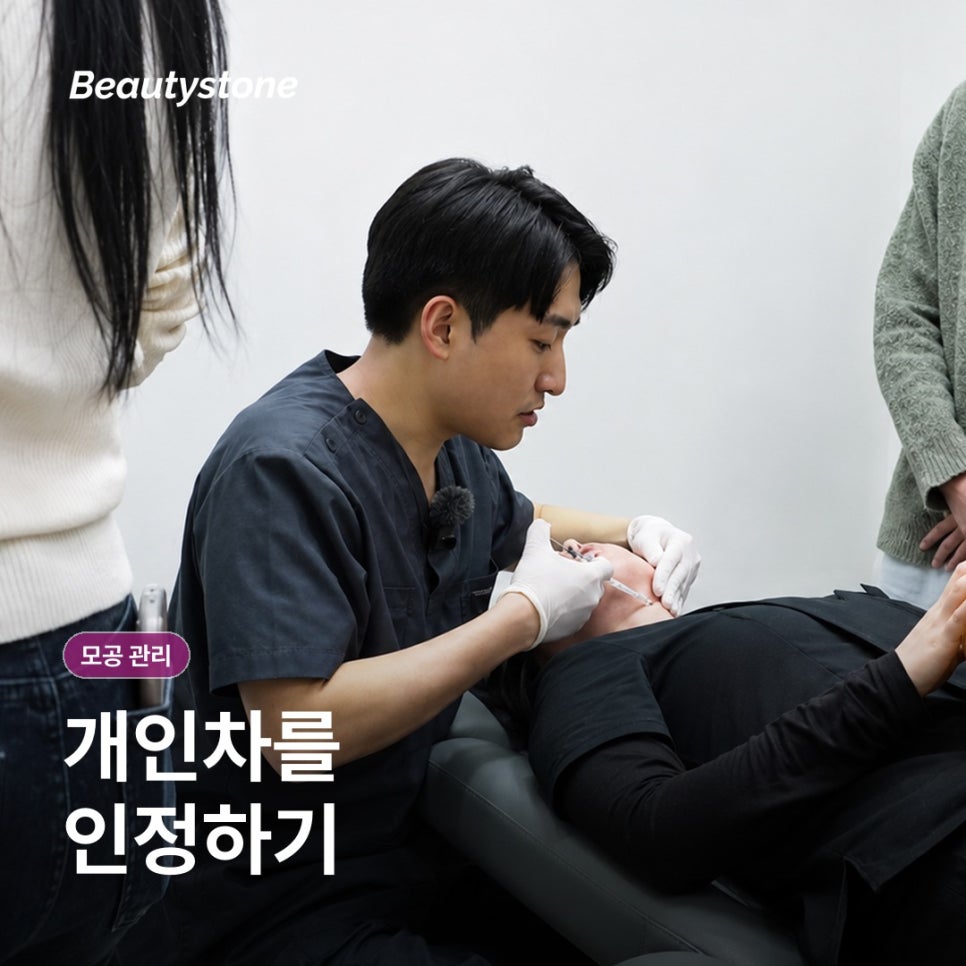
When looking into
pore care at Dangsan Station,
rather than simply looking for a way
to make pores smaller,
you should first distinguish why they look enlarged.
Whether sebum and dead skin cells are the main factors,
or reduced elasticity
and acne scars
are contributing,
the appropriate care approach may differ.
Rather than trying to create rapid changes
through vigorous cleansing
and frequent exfoliation,
it is more realistic to observe your skin’s response,
divide the roles of treatments and home care,
and continue consistently.
Frequently Asked Questions
Q1. Can enlarged pores become smaller again?
It is difficult to eliminate pores themselves,
but you can improve how prominent they look
by managing sebum, dead skin cells, and skin elasticity.
The extent and speed of the response
vary depending on the condition of your skin.
Q2. Is pore care possible with home care alone?
Gentle cleansing, moisturizing, and UV protection
are basic forms of care for maintaining the skin environment.
However, if reduced elasticity or scars are also present,
there may be limits to the changes you can experience
with home care alone.
Q3. Is it okay to squeeze blackheads frequently?
Repeatedly squeezing them with your hands or tools
can cause inflammation and wounds around the pores.
Rather than extracting them forcefully,
examine the causes of sebum and dead skin cell buildup
and manage them according to your current condition.
Q4. How many pore-care treatments are needed?
The number of treatments and intervals required
may vary depending on sebum production, skin elasticity,
and whether acne scars are present.
Rather than deciding on the number of treatments from the outset,
it is necessary to check your recovery and skin response after the initial treatment
and then plan the next steps.
Thank you for reading this long post today.
This has been Youngjin Wi from Beauty’s Doctor.