Hello.
I’m Kim Ga-eul from 뷰티스닥터.
Your skin may look fine in the morning, but by the afternoon, the uneven texture on your nose and cheeks can appear more pronounced.
When foundation settles into your pores or your skin texture looks rough under the lights, you may wonder whether you should start cleansing more vigorously.
“Will my pores close if I remove all the sebum thoroughly?”
“If they look the same even after changing my skincare products, should I consider a treatment?”
These are questions I often hear in the clinic as well.
However, when managing enlarged pores, it is important to first determine why they look enlarged rather than simply trying to remove all the sebum.
Sometimes sebum and dead skin cells have built up, but pores may also look larger because the skin has lost elasticity or acne marks are present.
Today, I’ll go over everything from your daily care routine to when it may be time to consider treatment.
3-Key Summary
-
Rather than trying to eliminate pores completely, the focus should be on managing them so they appear less noticeable by assessing sebum, moisture, and elasticity.
-
Before excessive cleansing and extraction, start with gentle cleansing, light moisturizing, and consistent sun protection.
-
If home care still seems limited, you can discuss treatment and the recovery process after determining the underlying cause of the enlarged pores.
1) Why do pores look enlarged?
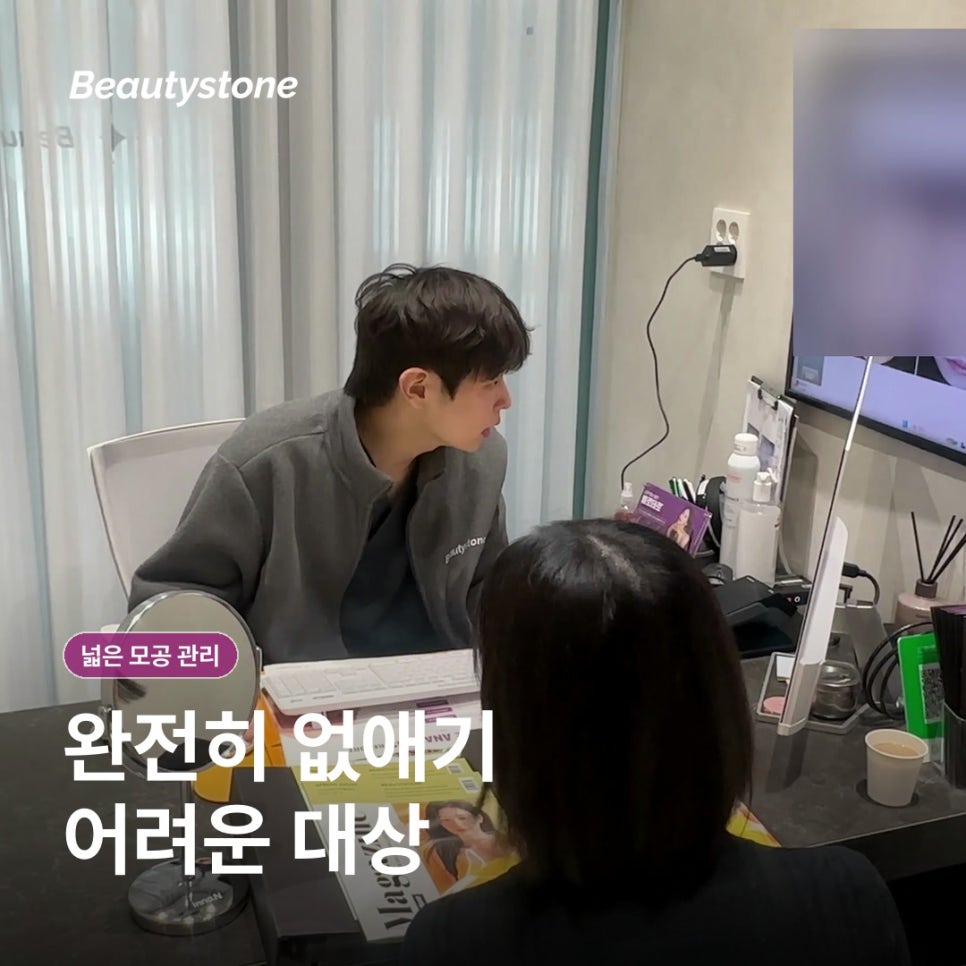
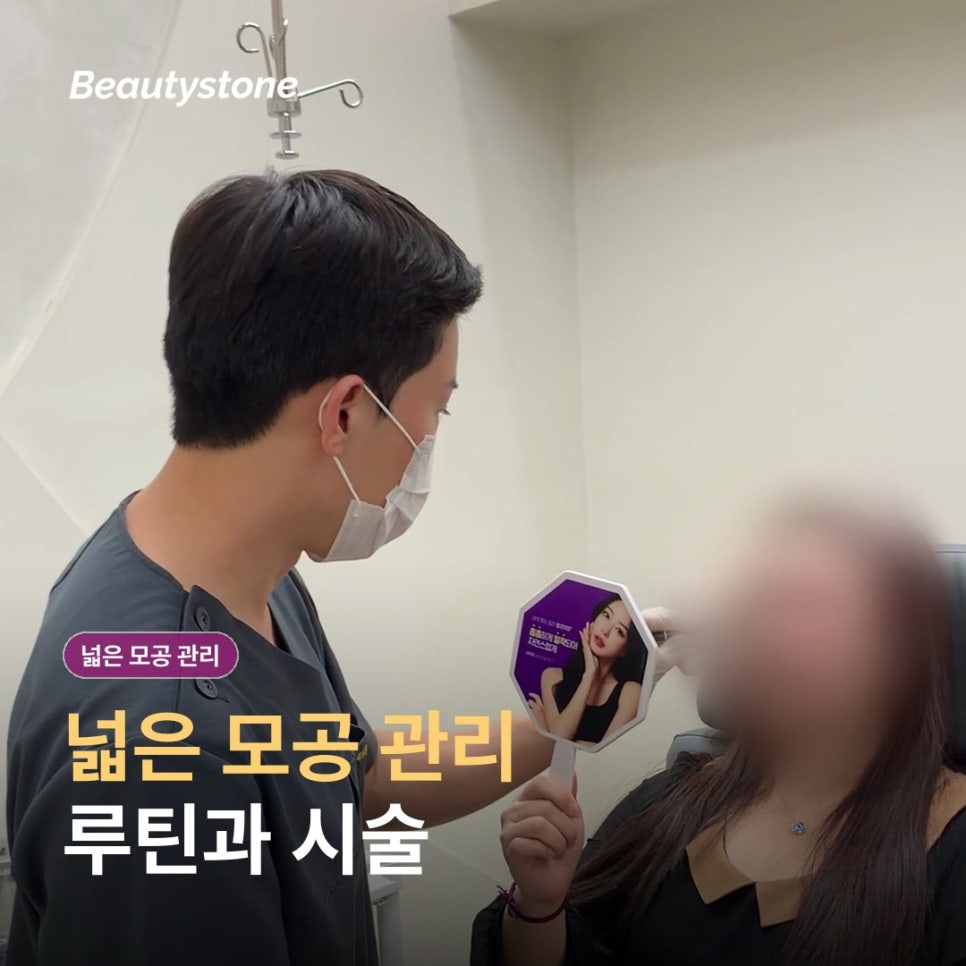
Pores are normal pathways through which sebum reaches the surface of the skin.
That is why they are often more noticeable on the nose and forehead, where sebum production is higher, and on the inner cheeks.
However, not all pores look enlarged for the same reason.
They may look round because they are filled with sebum and dead skin cells,
or they may appear vertically stretched as the skin loses elasticity. They can also look more pronounced where they overlap with acne scars and their borders.
In addition, when dry skin makes the texture rough,
even pores of the same size can cast shadows and appear more prominent.
So when beginning care for enlarged pores, you need to look beyond the sebum on the nose and also assess cheek elasticity, acne marks, and skin irritation.
2) How should you establish a daily care routine?
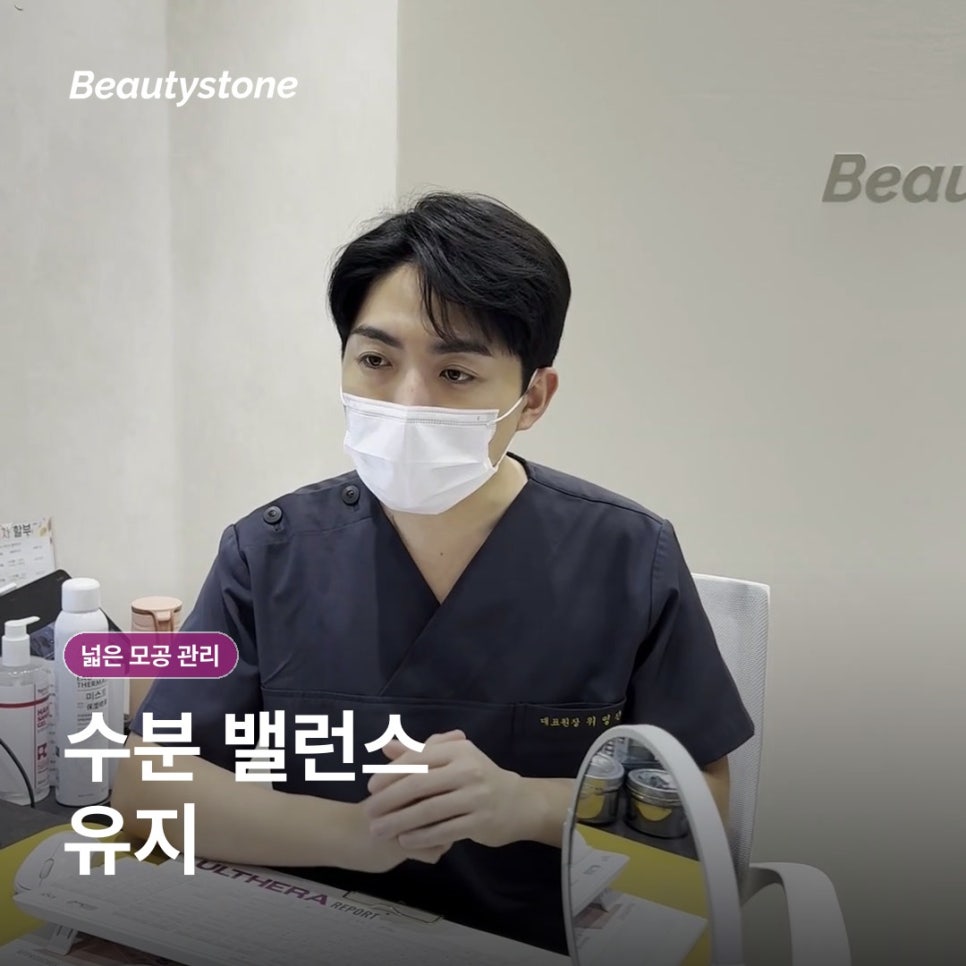
Even if you have a lot of sebum, washing your face frequently or scrubbing until it feels completely squeaky clean can instead irritate the skin barrier.
In the evening, remove sunscreen and makeup thoroughly,
but the basic approach is to wash gently with lukewarm water and a mild cleanser.
Even if you have oily skin, apply a thin layer of a light moisturizer if your skin feels tight after cleansing.

If you keep removing oil when your skin lacks moisture, it can become sensitive,
and the rough texture around the pores may ultimately become more noticeable.
Sun protection is also important.
Cumulative exposure to UV rays can affect the loss of skin elasticity,
so remember to apply sunscreen before going outdoors.
When trying a new exfoliating product or pore-care product,
do not start several products at once. It is better to introduce them one at a time and observe your skin’s reaction.
3) Which habits can actually irritate your pores?
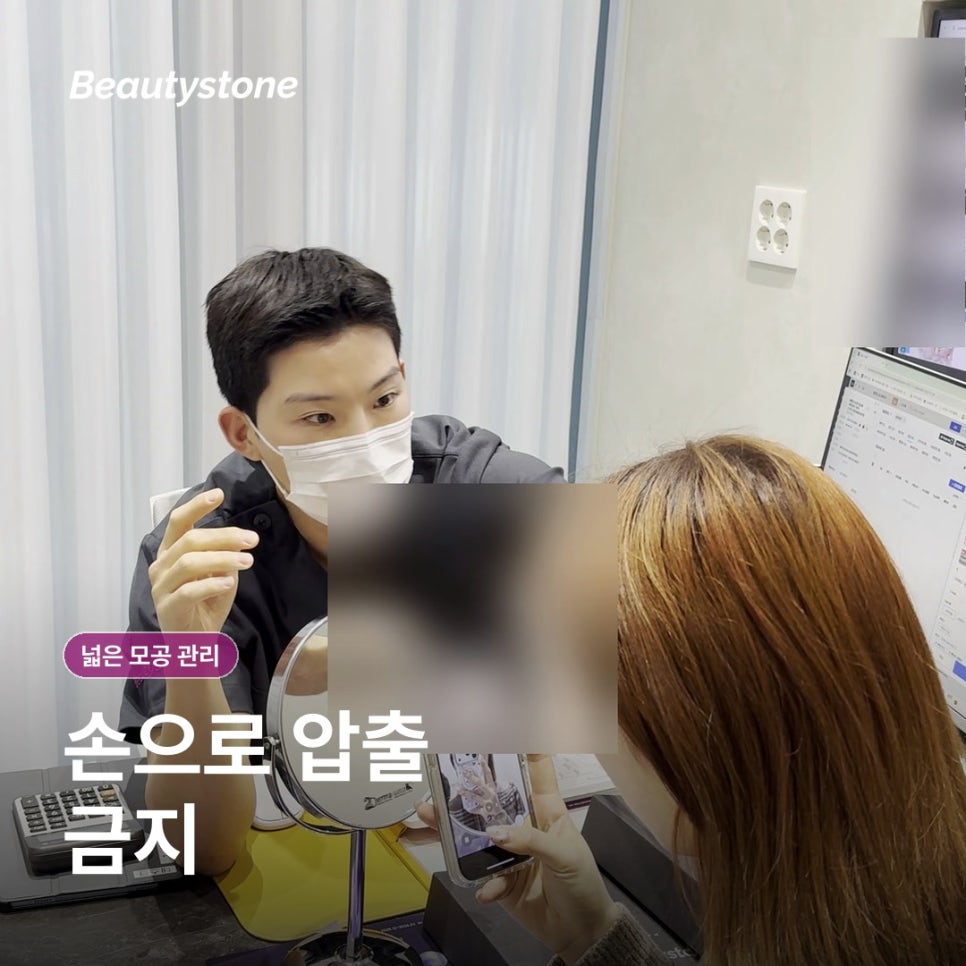
If you squeeze blackheads forcefully with your hands or tools whenever you see them,
they may look clean temporarily, but redness, wounds, or marks following inflammation can remain.
The same applies to nose strips and scrubs. If you use them too often or rub with too much force,
your skin can become sensitive, and sebum may build up again, making the pores look more defined.
Washing your face with hot water, using saunas frequently, and repeatedly touching your face can also increase heat and friction.
Therefore, managing enlarged pores is not about continually stripping things away.
It should instead involve preventing excessive buildup of sebum and dead skin cells while also protecting the skin barrier.
4) When should you consider treatment?
If your pores continue to look prominent even with consistent cleansing, moisturizing, and sun protection,
or if acne scars and loss of elasticity are also visible, you may consider discussing treatment.
During the consultation, the first step is to determine whether sebum control is needed,
whether the focus should be on skin renewal and elasticity,
or whether scar treatment is also necessary.
Depending on these factors, options such as laser treatment, radiofrequency, or microneedling may be discussed differently.
However, treatment is also less about eliminating pores completely and more about helping them appear less noticeable by managing skin texture, elasticity, and sebum levels.
The number and intervals of treatments also vary depending on your skin type, irritation response, and the method selected, so they are difficult to determine uniformly.
Before your consultation, tell the provider about any medications you are taking, allergies, and any recent laser, peeling, or injection treatments.
After treatment, you may experience redness and warmth,
as well as mild swelling or stinging.
Therefore, be sure to moisturize and use sun protection, and avoid strenuous exercise and alcohol,
until your skin has calmed down.
Saunas and facial
massages are also best avoided temporarily.
If pain or swelling progressively worsens,
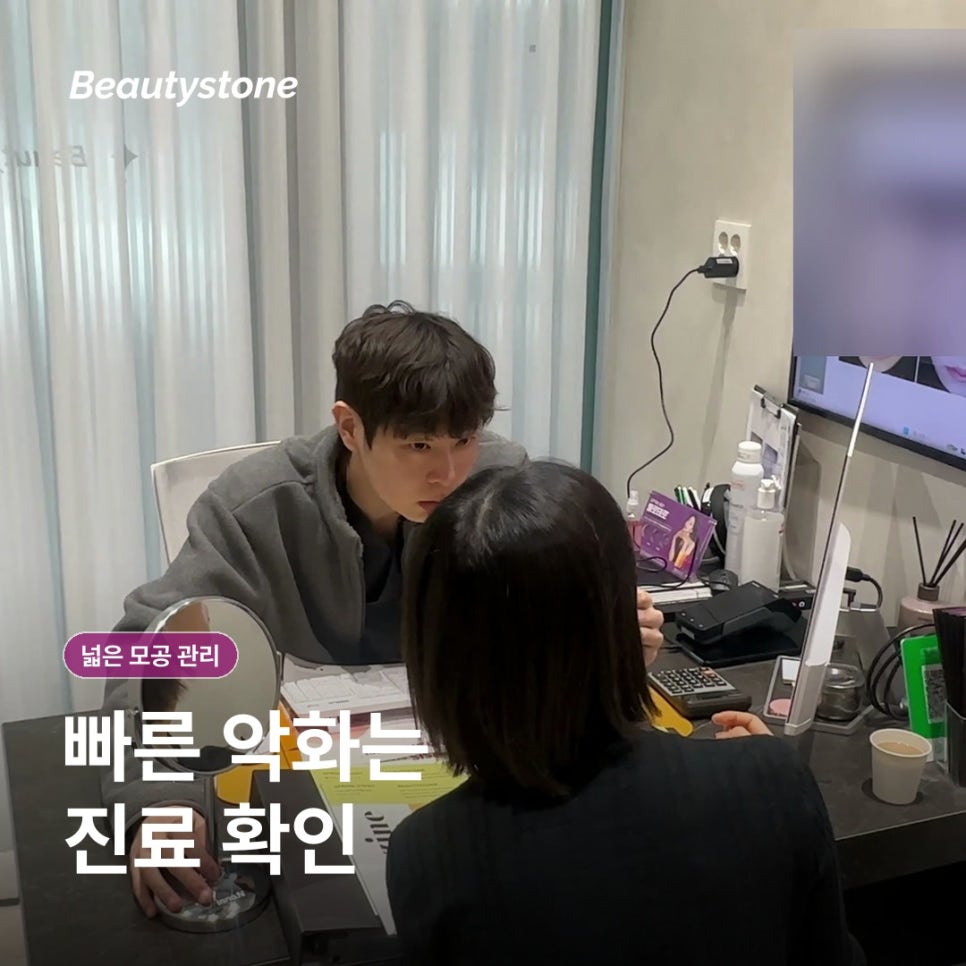
or if you develop large blisters, oozing, or spreading warmth,
do not assume that this is part of a normal recovery. Contact the medical facility where you received the treatment to have your condition checked.
In closing

Managing enlarged pores does not begin by increasing the number of times you wash your face
or squeezing out all the sebum.
First, you need to determine which factors among sebum, dead skin cells, loss of elasticity, and acne marks
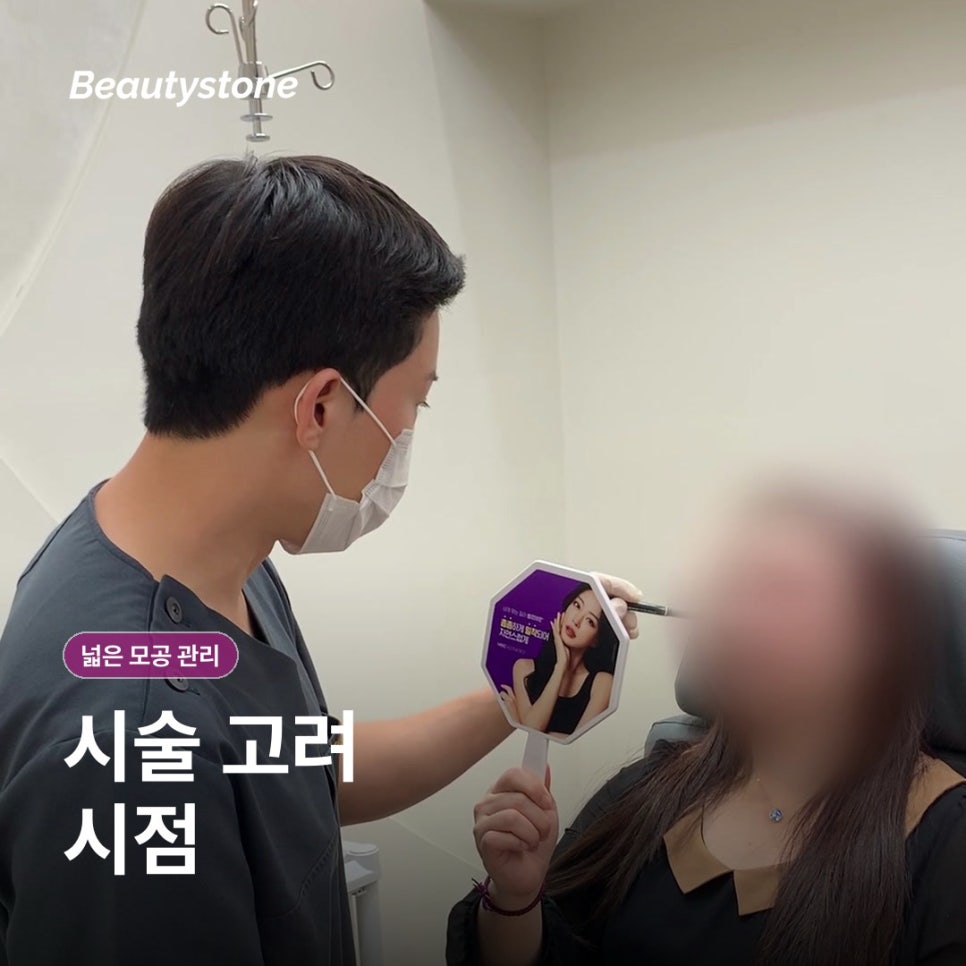
are making your pores look more prominent.
You should then separate the aspects that can be managed through your daily routine from those that may require treatment.
This can help reduce unnecessary irritation and expenses.
During your consultation,
ask specifically not only what the main cause of your enlarged pores is and what approach is needed,
but also what recovery process to expect and when you should contact the provider afterward.
Frequently Asked Questions
Q1. Will washing my face frequently reduce my pores?
Excessive cleansing can irritate the skin.
Wash gently with lukewarm water and a mild cleanser, and lightly moisturize after cleansing.
Q2. Does oily skin also need moisturizer?
It may be necessary to apply a thin layer of a product that does not feel heavy or greasy, helping prevent moisture from evaporating quickly after cleansing.
Q3. Is it okay to squeeze blackheads with my hands?
Forceful extraction can leave redness, inflammation, and marks, so it is better not to do it repeatedly.
Q4. Is one pore treatment session enough?
It depends on your skin condition and the treatment method.
The number and intervals needed are determined after observing your skin’s response.
Thank you for reading this long post today.
This has been Kim Ga-eul from 뷰티스닥터.