Hello.
I’m Kim Ga-eul from Beauty’s Doctor.
When skin concerns arise,
we tend to look first for a nearby location, reviews, and cost.
However, around Gongdeok,
there are clinics covering different areas of care,
from treating conditions such as acne and dermatitis
to cosmetic procedures for pigmentation, scars, and lifting.
Therefore,
when looking into Gongdeok dermatology (dermatology department),
rather than focusing on search rankings or the number of reviews,
you should first check whether the clinic actually addresses your concern.
It is also important to find out who conducts the consultation,
what basis is used to determine the treatment direction,
and how follow-up checks are handled
after the procedure.
Today, rather than introducing a specific medical institution,
I’ll organize the criteria to review before visiting.
3-Line Summary
- First determine whether your concern is closer to
treatment for a medical condition or a cosmetic procedure.
- Check the medical staff’s information and consultation process,
along with what is included in the cost.
- Before deciding, make sure you understand
the expected reactions and warning signs after the procedure,
as well as how to make contact.
- How should you review the scope of care and medical staff information?
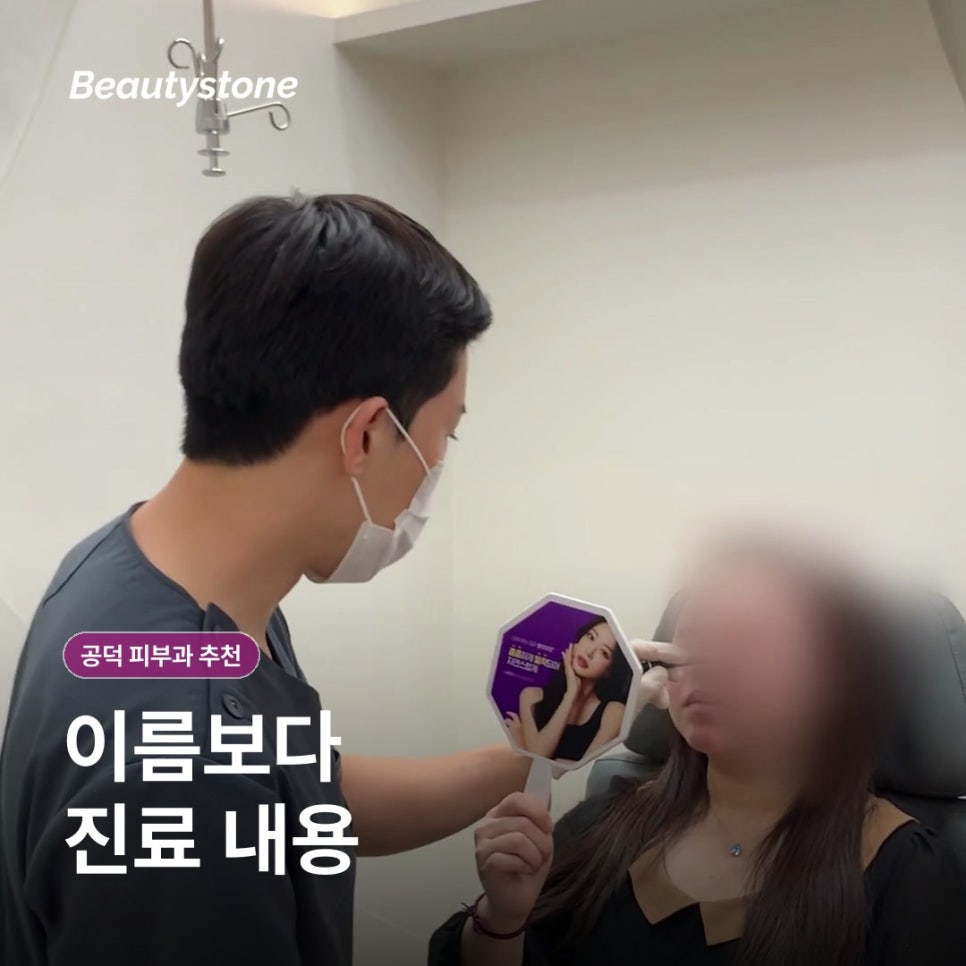
Even when they look like the same red marks,
they may be acne marks,
or they may be caused by dermatitis or an infection.
Therefore, rather than deciding on the name of a procedure first,
it is necessary to begin by checking your current condition.
When comparing Gongdeok dermatology (dermatology department),
look beyond the procedure list on the website
and review the actual treating medical professional’s specialty,
whether they are a board-certified specialist, and their main treatment areas.
You can also ask in advance whether the medical professional who conducts the consultation
is the same person who performs the procedure,
and who is responsible for checking your progress.
- What should you check during the consultation?
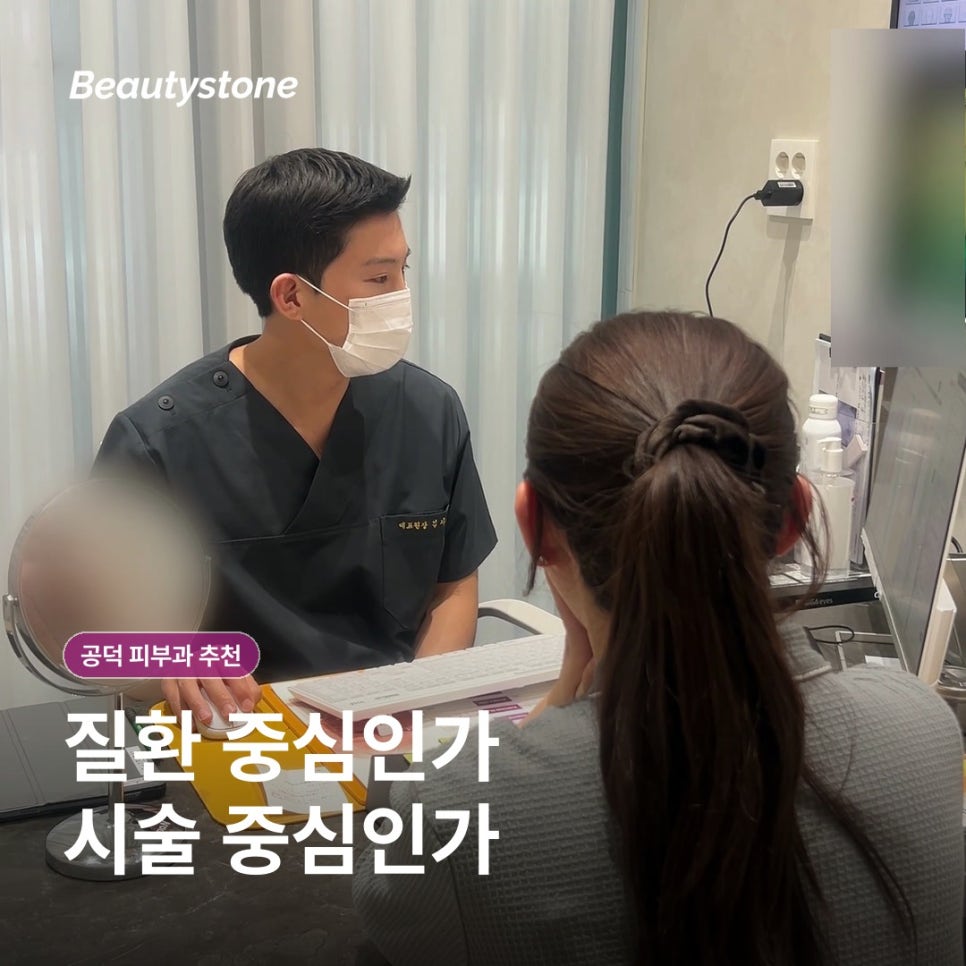
A good consultation
begins by asking about your current concerns and skin condition,
rather than immediately deciding on a specific procedure,
as well as any reactions you have experienced in the past.
Check whether they ask about medications you are taking and allergies,
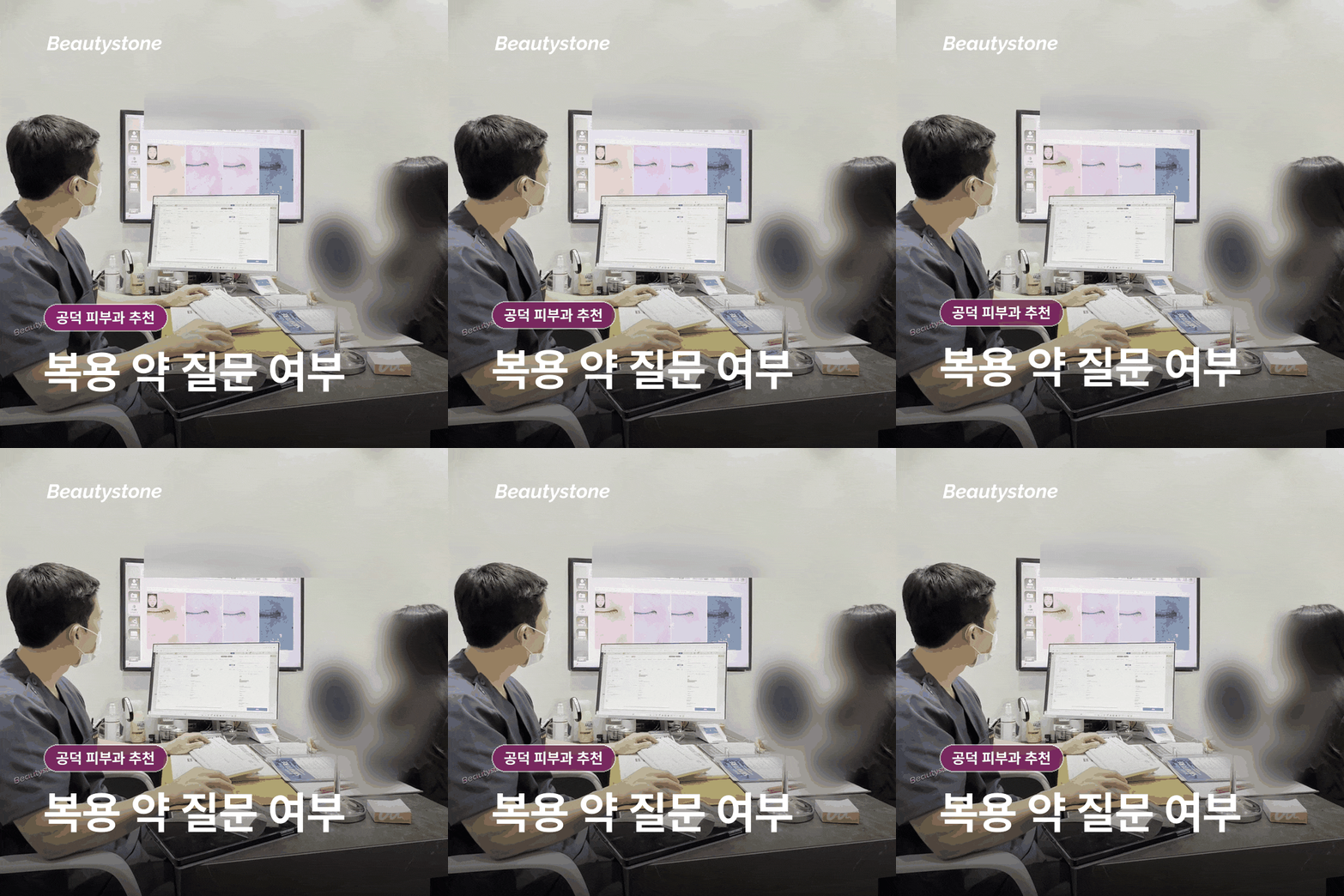
as well as any recent history of
laser treatments, injections, or peels,
and whether they check if you are pregnant or breastfeeding.
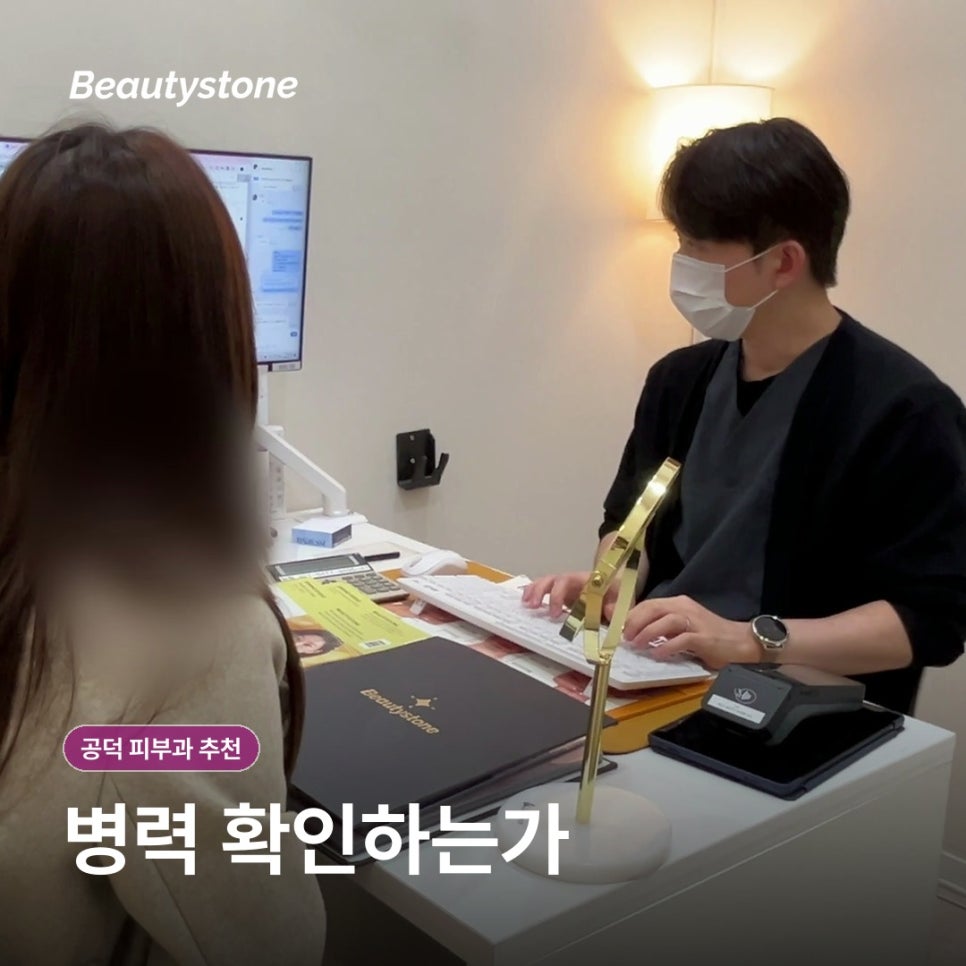
During a consultation at Gongdeok dermatology (dermatology department),
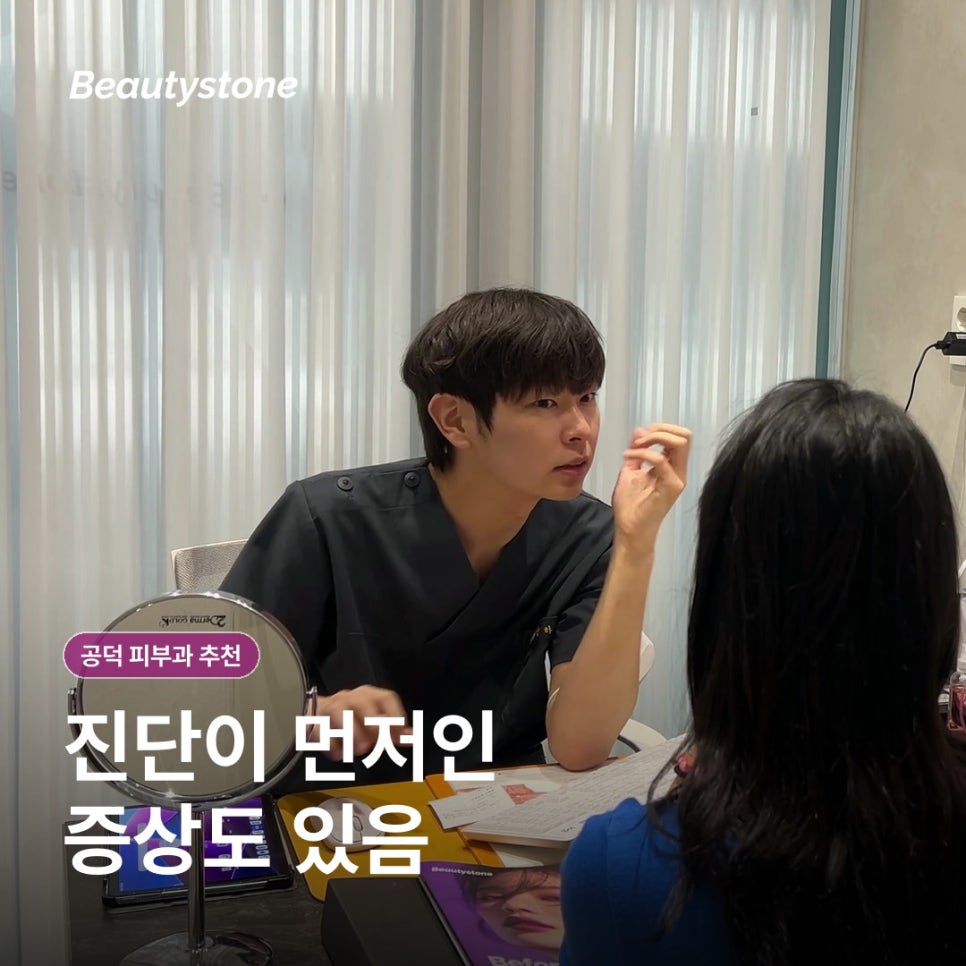
it is important that they explain not only what can be expected,
but also the limitations, individual differences, swelling, bruising, and pain,
as well as the recovery process.
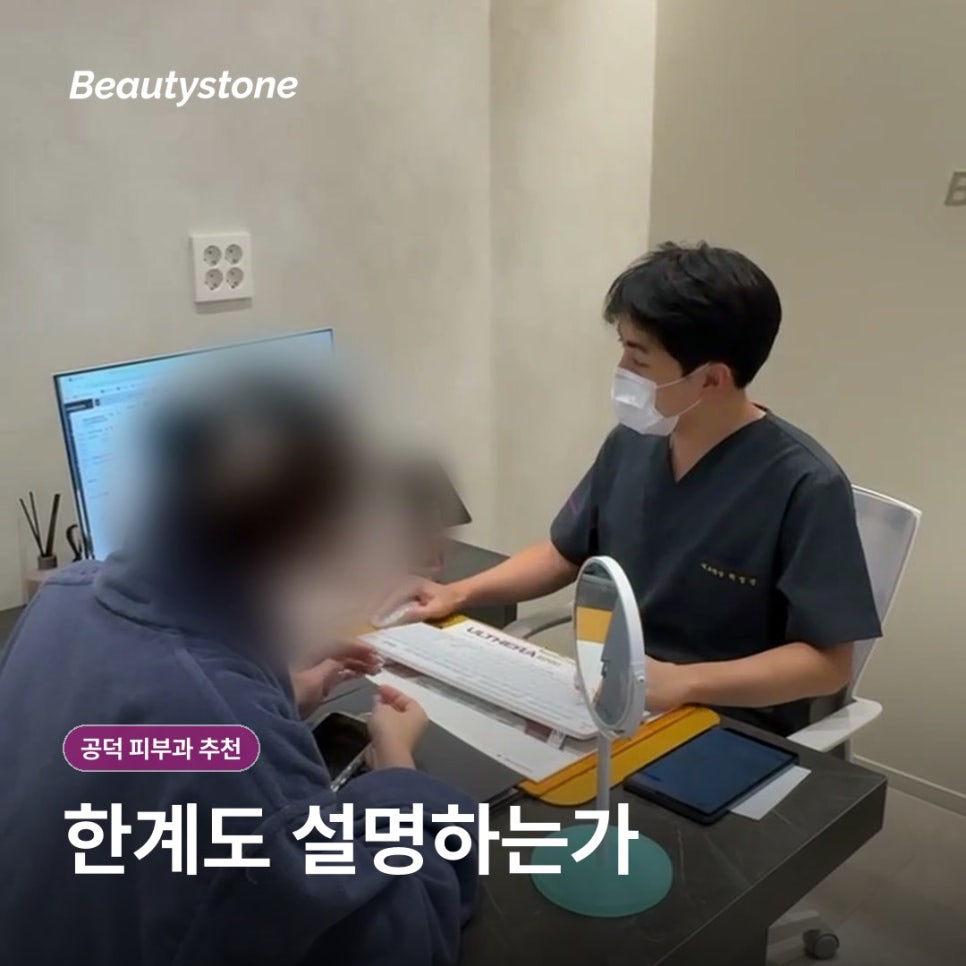
Also ask whether there are other options,
whether it would be acceptable to wait and observe rather than undergo the procedure immediately,
and why the treatment area and intensity
are being determined as they are.
If they rush you into making a same-day payment without an explanation
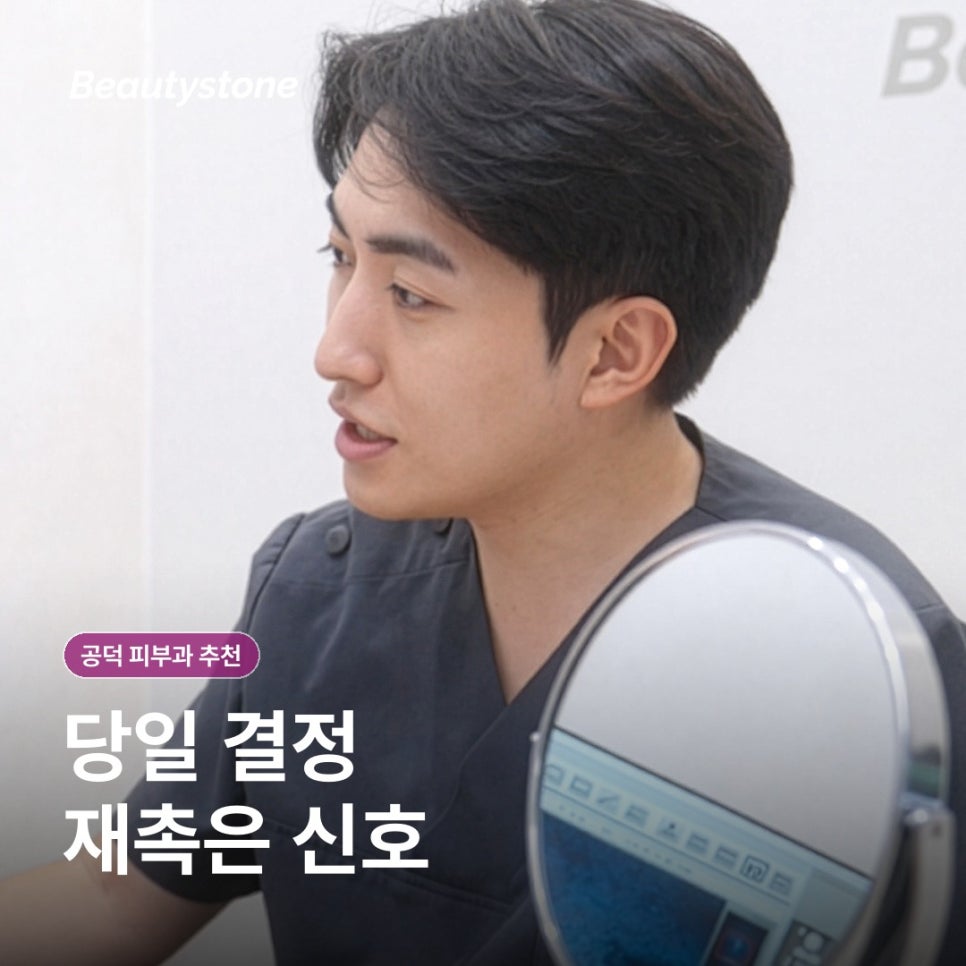
or respond vaguely to your questions,
it is perfectly fine to compare a little more before deciding.
- How should you compare costs and equipment?
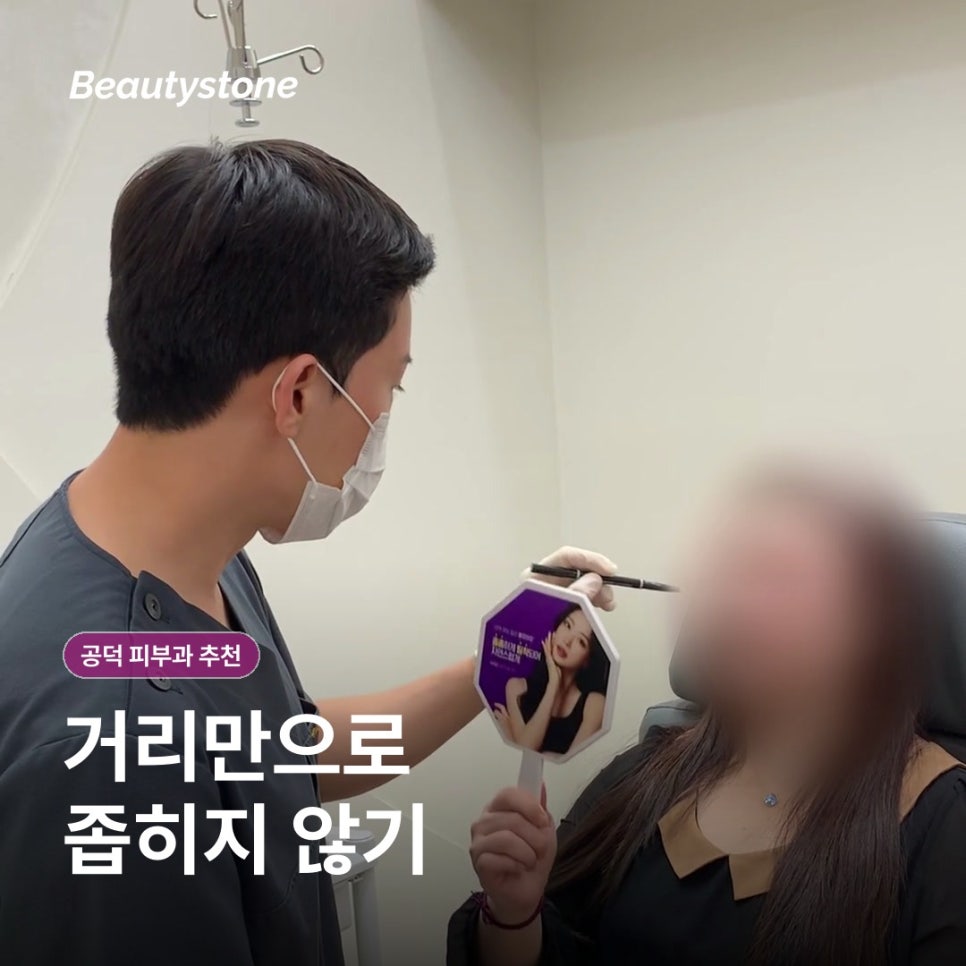
Even procedures with the same name
may differ in their composition depending on the equipment and tips used,
the amount and number of shots,
and the treatment area.
Therefore, if you compare only the listed price,
it is easy to overlook what is actually included.
When comparing costs at Gongdeok dermatology (dermatology department),
check whether the consultation fee, anesthesia fee, VAT,
and follow-up care costs are included.
If the treatment is offered as a package of multiple sessions,
it is better to ask specifically before paying about the total number of sessions,
the validity period,
and the criteria for changes or refunds midway through the package.
Rather than simply focusing on the fact that a clinic has many devices,
it is more important to see whether they explain why a particular device is needed for your current skin condition
and how it differs from other methods.
- What should you look for in aftercare?
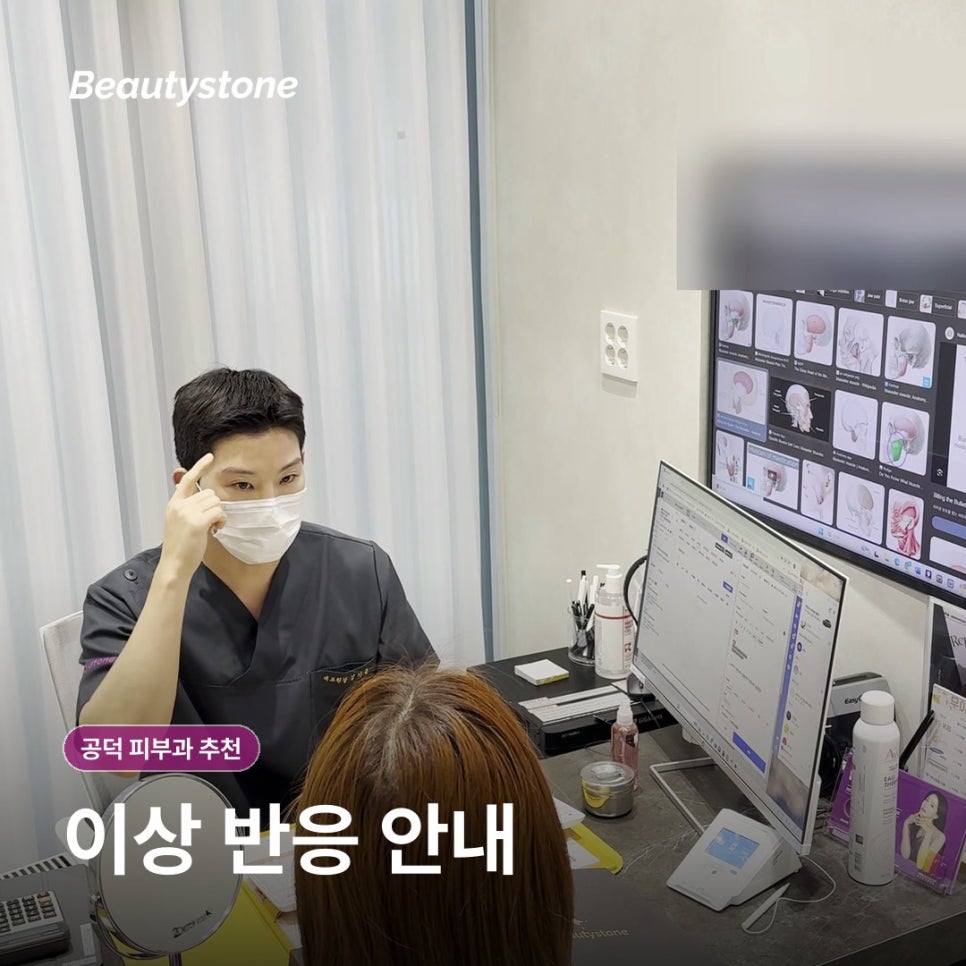
A skin procedure does not end with the treatment on the day.
If you are informed in advance about how common redness and a feeling of heat,
swelling, bruising, and pain are after the procedure,
you may feel less surprised during recovery.
Ask not only about cleansing, moisturizing, and sun protection,
but also how long you should avoid strenuous exercise, alcohol, saunas, hot baths,
massage, and exfoliation.
When choosing Gongdeok dermatology (dermatology department),
find out where to contact if an abnormal reaction occurs,

whether there is a way to make inquiries
after business hours,
and what procedure is followed for a return visit.
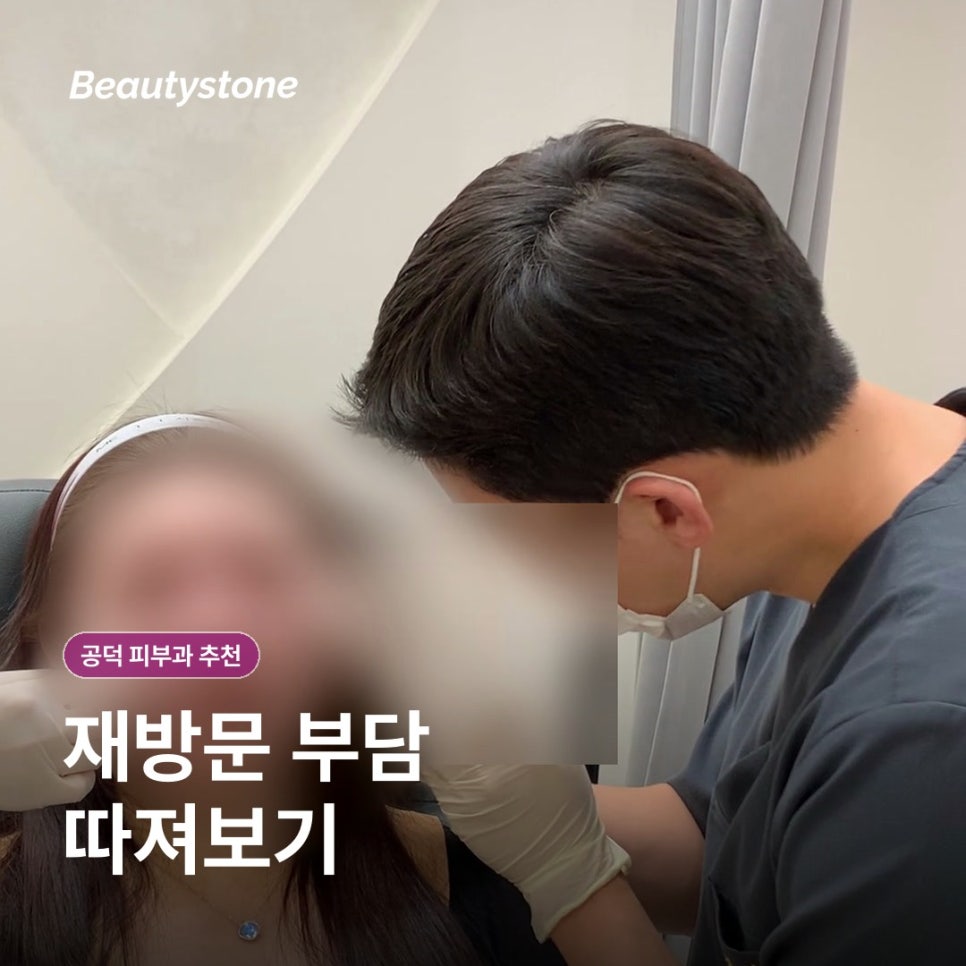
If pain and swelling continue to worsen,
or if widespread redness, large blisters, discharge,
or fever develops,
do not dismiss it as ordinary recovery; contact the medical institution where you received the procedure.
If sudden systemic symptoms occur, such as difficulty breathing or impaired consciousness,
seek emergency medical care immediately.
Wrapping Up
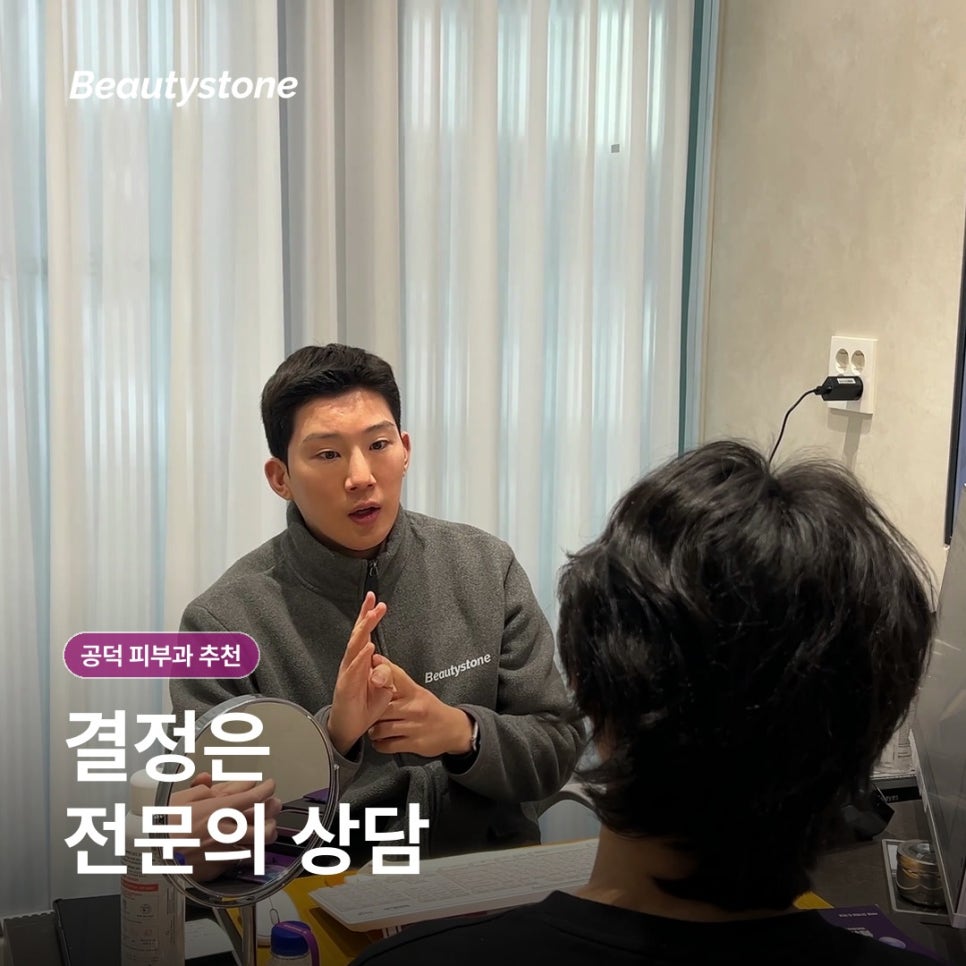
When looking for Gongdeok dermatology (dermatology department),
rather than deciding based only on proximity or the number of reviews,
consider the scope of care and medical staff information, the consultation process,
the cost structure, and the aftercare system together.
Also, it is important to listen carefully to how your concern was assessed,
why the particular treatment is necessary,
and what other options
are available.
It is also easier to compare what is included and the recovery guidance
if you briefly take notes on
what you hear at several different clinics.
Ultimately, the criterion for choosing
is not a famous procedure name,
but the process of directly checking your condition
and explaining it in a way you can understand.
Frequently Asked Questions
Q1. What should I check first?
Determine whether your concern involves treatment for a medical condition or a cosmetic procedure,
and check whether the medical professional actually handles that area.
Q2. Can I trust a clinic if it has many reviews?
Reviews are a reference for gauging the general atmosphere and service.
Check whether they are advertisements or sponsored content,
and compare different experiences together.
Q3. What should I be sure to ask during the consultation?
Check the treatment purpose and other options,
the expected reactions and recovery period,
and any additional costs and aftercare contact information.
Q4. When should I contact the medical institution after a procedure?
If pain and swelling continue to worsen,
or if strong reactions such as blisters, discharge, or fever occur,
you should contact the medical institution where you received the procedure.
Thank you for reading this lengthy post today.
This has been Kim Ga-eul from Beauty’s Doctor.