Hello.
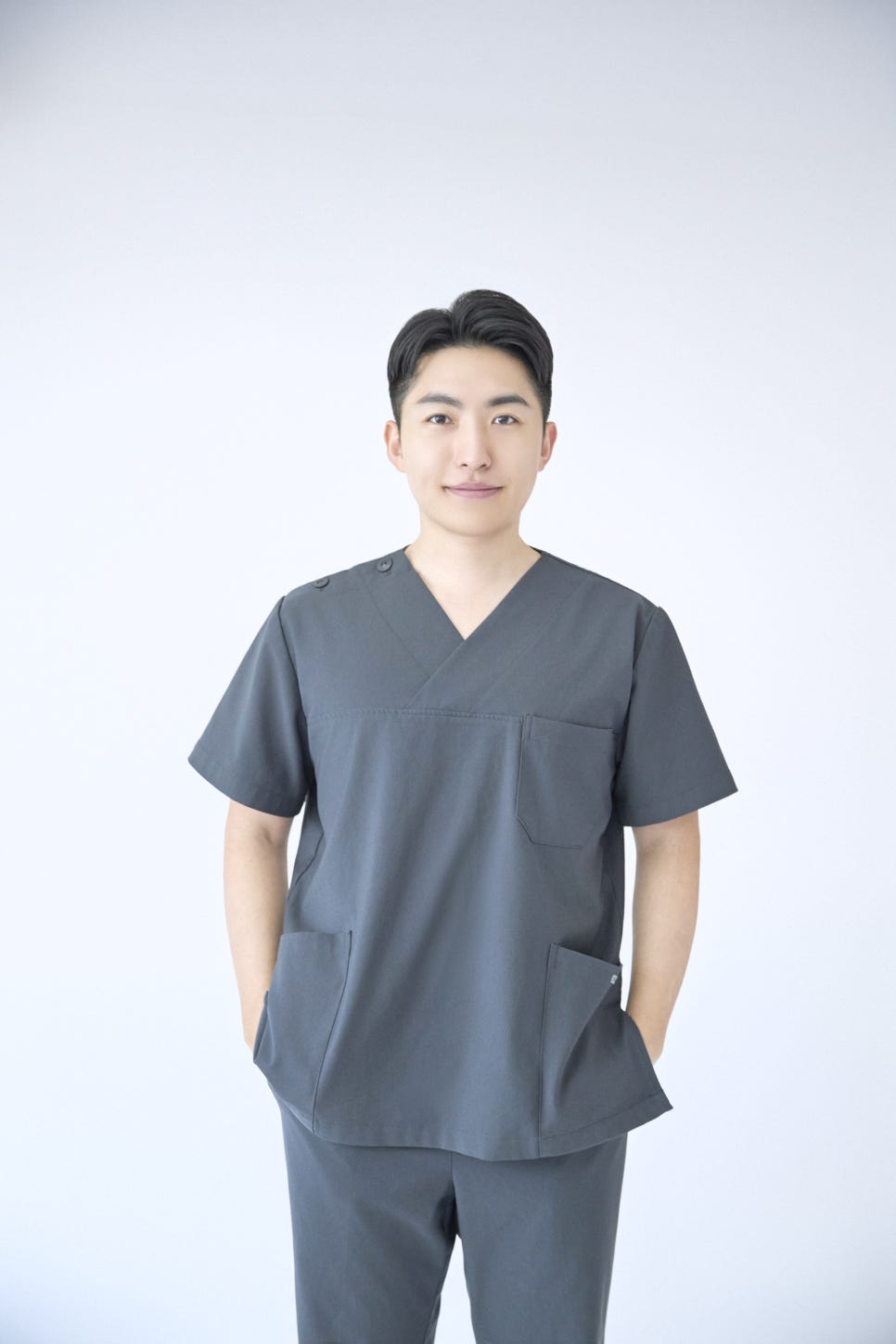
I’m Youngjin Wi from 뷰티스닥터.
Some people improve while applying an ointment, but after only a few days, redness and flaking appear again on their scalp and beside their nostrils.
“Is the medication not working well?”
“It keeps coming back. Do I have to apply ointment for the rest of my life?”
Recurrence is also the most frustrating aspect for people looking into treatment for seborrheic dermatitis.
However, rather than being caused by insufficient cleanliness, it can recur due to a combination of the skin environment in areas with abundant sebum and the inflammatory response.
That is why it is important to distinguish the symptoms accurately and adjust medication and daily care together.
Three-line summary
-
Seborrheic dermatitis is a chronic inflammatory condition in which redness and flaking repeatedly occur on areas with well-developed sebaceous glands, such as the scalp, eyebrows, and around the nostrils.
-
Treatment may include antifungal medications, anti-inflammatory medications, and medicated shampoos. The choice varies depending on the affected area and symptoms.
-
Reduce exposure to hot water and harsh cleansing, and avoid picking at flakes. Do not increase or stop prescribed medication on your own.
- Why does it come back when I stop using the medication?

Seborrheic dermatitis can appear not only on the scalp but also
between the eyebrows, beside the nostrils, around the ears,
and on areas such as the upper chest, where sebum production is high.

The yeast present on the skin, the sebum-rich environment,
the skin barrier, and the inflammatory response are all thought to be involved in combination.
Therefore, the fact that the symptoms have subsided does not mean that the condition’s underlying tendency has disappeared.

Genetic factors,
fatigue and stress, seasonal changes,

and irritating products can trigger worsening.
However, not every case involving redness and flaking is the same condition.
If the flakes are thick with clearly defined borders or are accompanied by nail changes, psoriasis should be considered.
If the rash spreads in a circular pattern or the hair breaks off, other conditions such as ringworm should be checked for.
- How is medication-based treatment divided?
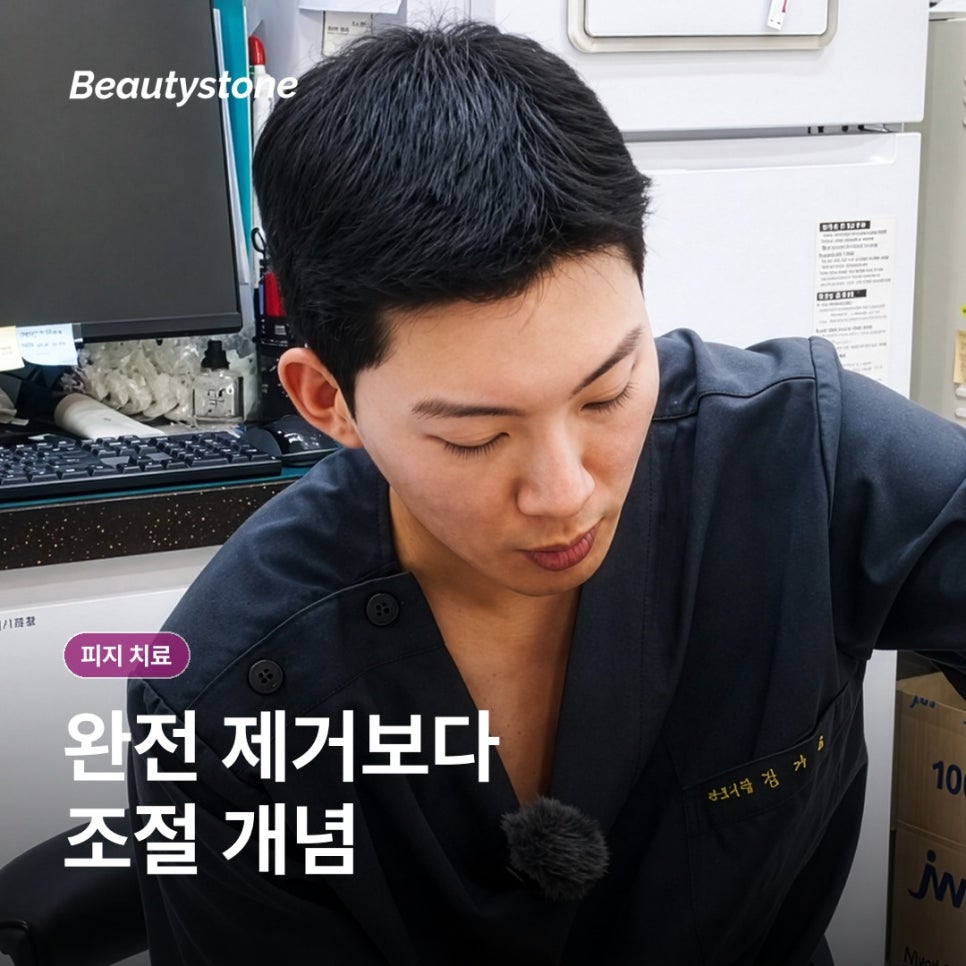
Treatment for seborrheic dermatitis varies depending on which area is affected and what symptoms are present.
For the scalp, medicated shampoos that control yeast may be used.
For the face or around the ears, antifungal medications or topical medications that reduce inflammation may be considered.
Rather than applying medicated shampoo only to the hair, apply it so that it reaches the scalp, and follow the usage instructions provided with the product or prescription.
Even with an anti-inflammatory ointment used on the face, it is best not to continue applying it for an extended period on your own just because the redness decreases quickly, or repeatedly use leftover medication.
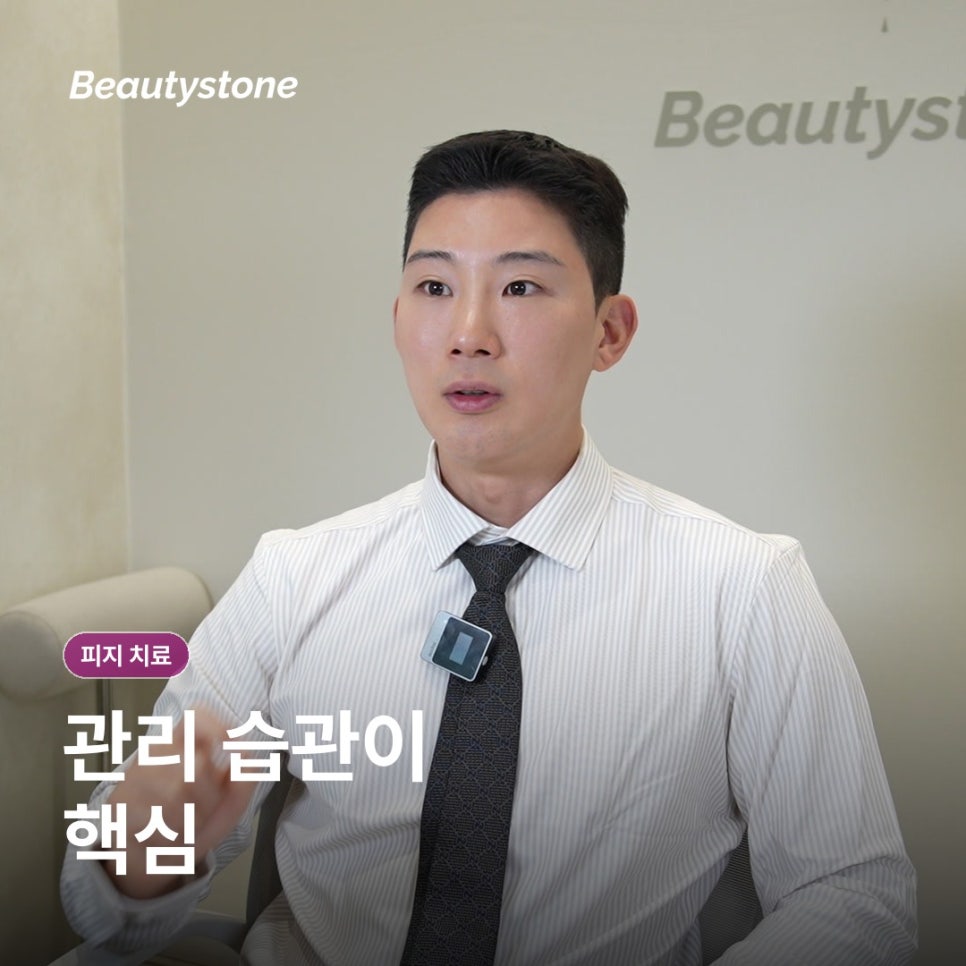
Because the duration of use varies depending on the area and medication, ask during your appointment how to taper its use after the symptoms subside.
- What should I change first in my daily care routine?
Wash your face and shampoo briefly and gently with lukewarm water rather than hot water.
If you wash too vigorously as though trying to remove all the oil, the skin barrier may become irritated, making stinging and flaking even more noticeable.
You should also avoid scratching off loose flakes with your fingernails or scrubbing them away with a scrub.

After washing your face,
apply a thin layer of a moisturizer that does not sting.
For the scalp, it is better not to dry it for a long time with hot air.
When trying a new shampoo or cosmetic product, change only one item at a time and observe whether the redness or itching changes.
If symptoms repeatedly worsen after sleep deprivation, overwork, or stress, it may also help to record when this happens.
- When should I seek another medical appointment?

Even after following the prescribed instructions, if the redness and flaking continue to spread,
or if itching and pain make it difficult to fall asleep, the treatment plan should be reviewed.
When yellow crusts, oozing, pus, swelling, or warmth occur together, the possibility of a secondary infection should also be checked.

If the eyelids also become red and sting, or if eye discomfort occurs, do not delay care by relying only on daily management.
Before your appointment, make a note of the ointments and shampoos you are currently using, any medications you take and allergies you have, as well as recently changed cosmetics or hair-dye products.
If you are pregnant or breastfeeding, tell your healthcare provider in advance, as the medications that can be used may differ.
Wrapping up

Treatment for seborrheic dermatitis is less about finishing with a single prescription and more about adjusting medication and lifestyle habits according to periods when symptoms are severe and periods when they are under control.
A recurrence does not mean that all of your management efforts have failed.
Keeping track of the areas that worsen and the products you use can make it easier to reduce unnecessary irritation.
During your consultation, ask whether the current diagnosis is correct, how long to use the medication and how to taper it,
and what order to follow when symptoms worsen again.

Frequently Asked Questions
Q1. If my scalp is oily, do I need to wash it vigorously every day?
Harsh cleansing can further irritate the scalp.
Check the cleansing frequency and medicated shampoo instructions that suit your condition.
Q2. Applying the ointment helps. Can I continue using it?
The duration of use varies depending on the type of medication and the affected area.
Do not use it repeatedly on your own; follow the instructions from the healthcare provider who prescribed it.
Q3. How is seborrheic dermatitis different from psoriasis?
Psoriasis may involve thicker flakes with clearly defined borders or nail changes.
Because the two conditions can look similar, they should be distinguished through a medical evaluation.
Q4. What symptoms mean I should seek medical care promptly?
If you have oozing and yellow crusts, pain and swelling, redness that spreads quickly, or discomfort around the eyes, it is best to have your condition checked.
Thank you for reading this long post today.
This has been Youngjin Wi from 뷰티스닥터.