Hello.
I’m Kim Ha-won from Beauty’s Doctor.
“White
granules have appeared
under my eyes.
If I gently prick them
with a needle,
won’t they come out?”
“Could milia laser treatment
leave scars or
pigmentation marks?”
Milia are lesions in which
small, white, firm granules
like grains of millet can be felt
around the eyes or on the cheeks.
Unlike acne, they often do not
become red or pus-filled
and may remain unchanged for a long time,
so if they cannot be covered with makeup,
many people look into milia laser treatment.
Because they often develop
in areas with thin skin, such as around the eyes,
attempting to remove them yourself
can also be risky.
Below, I’ll organize the information
in the order of how the procedure is performed,
how it differs from self-removal,
and recovery care.
3-Line Summary
- Milia are small cysts
that form when keratin becomes trapped
close to the skin’s surface.
- A laser is not necessarily used
to burn the entire lesion;
it may be used to create a small opening.
- Rather than squeezing them yourself,
it is important to identify the type and location
of the lesion before deciding how to remove it.
Why Are Milia Difficult to Squeeze?
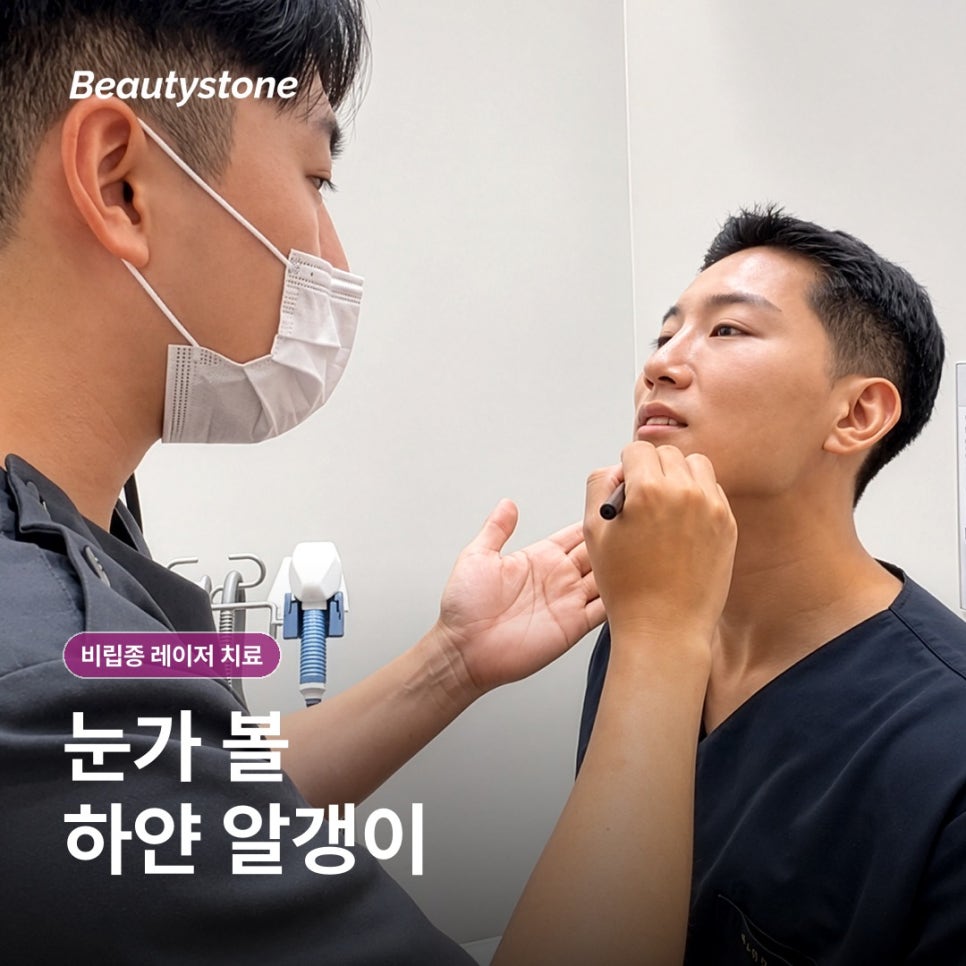
Milia contain
firmly clumped keratin,
not sebum.
That is why, unlike acne,
they do not come out easily even when pressed by hand,
and the skin may simply become red or injured.
Milia that develop naturally
are often seen on the eyelids and cheeks,
and they can also appear after
injuries, burns,
or exfoliation procedures.
However, not every bump around the eyes is milia.
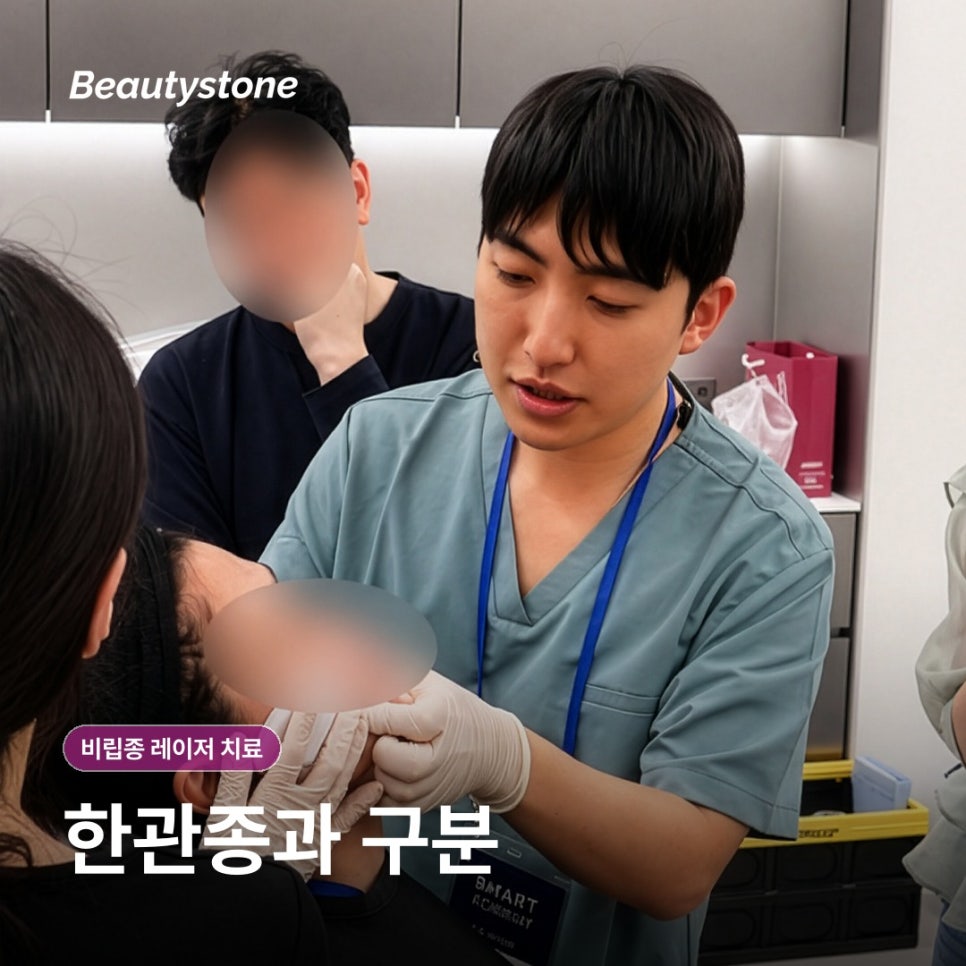
Syringomas, sebaceous hyperplasia,
and closed comedones can also look similar,
so their appearance and depth need to be distinguished.
How Is Milia Laser Treatment
Performed?
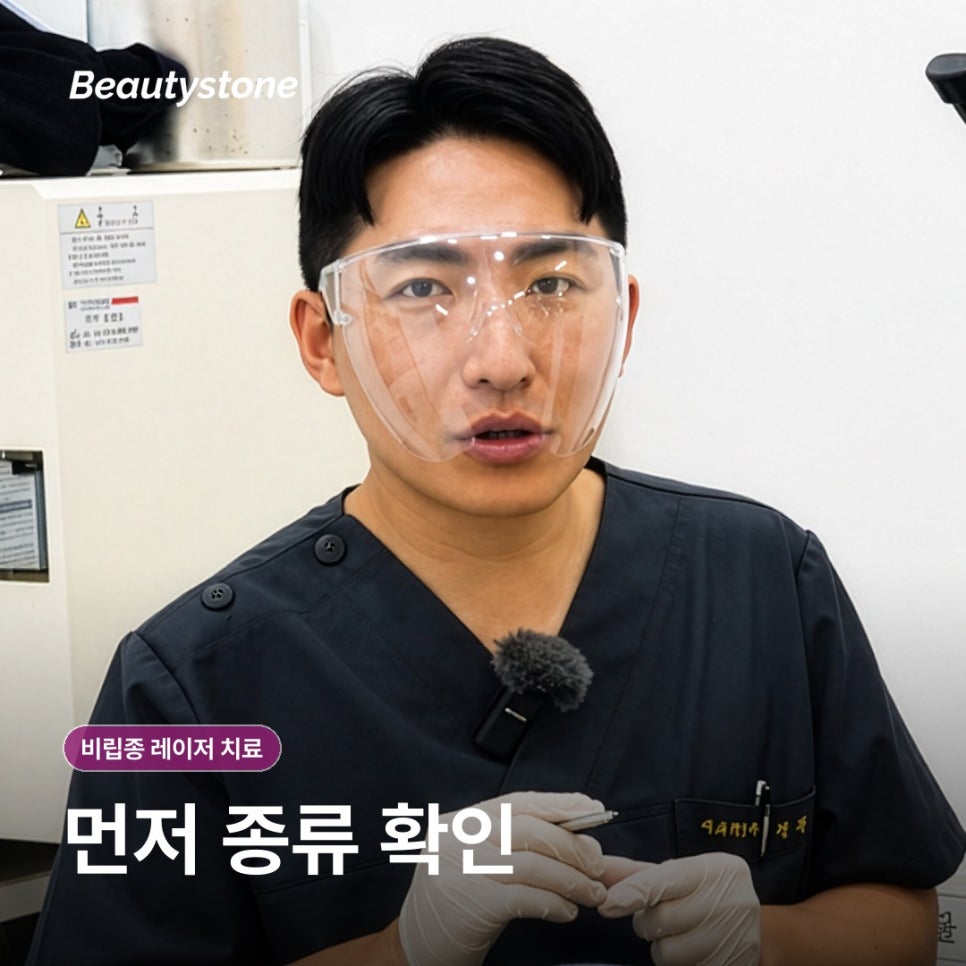
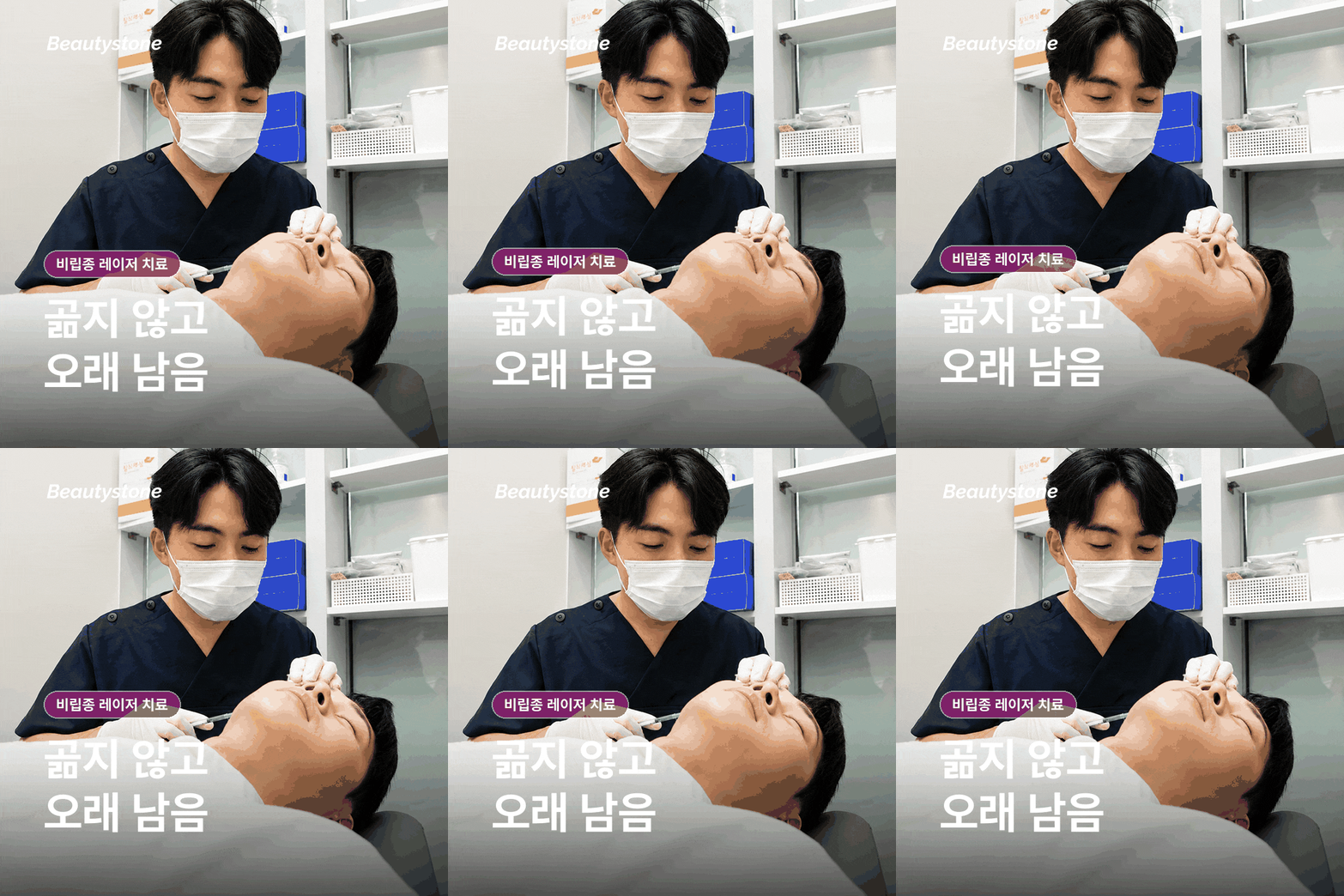
Milia laser treatment
is performed by creating a very small passage
in the skin over the lesion
and removing the keratin trapped inside.
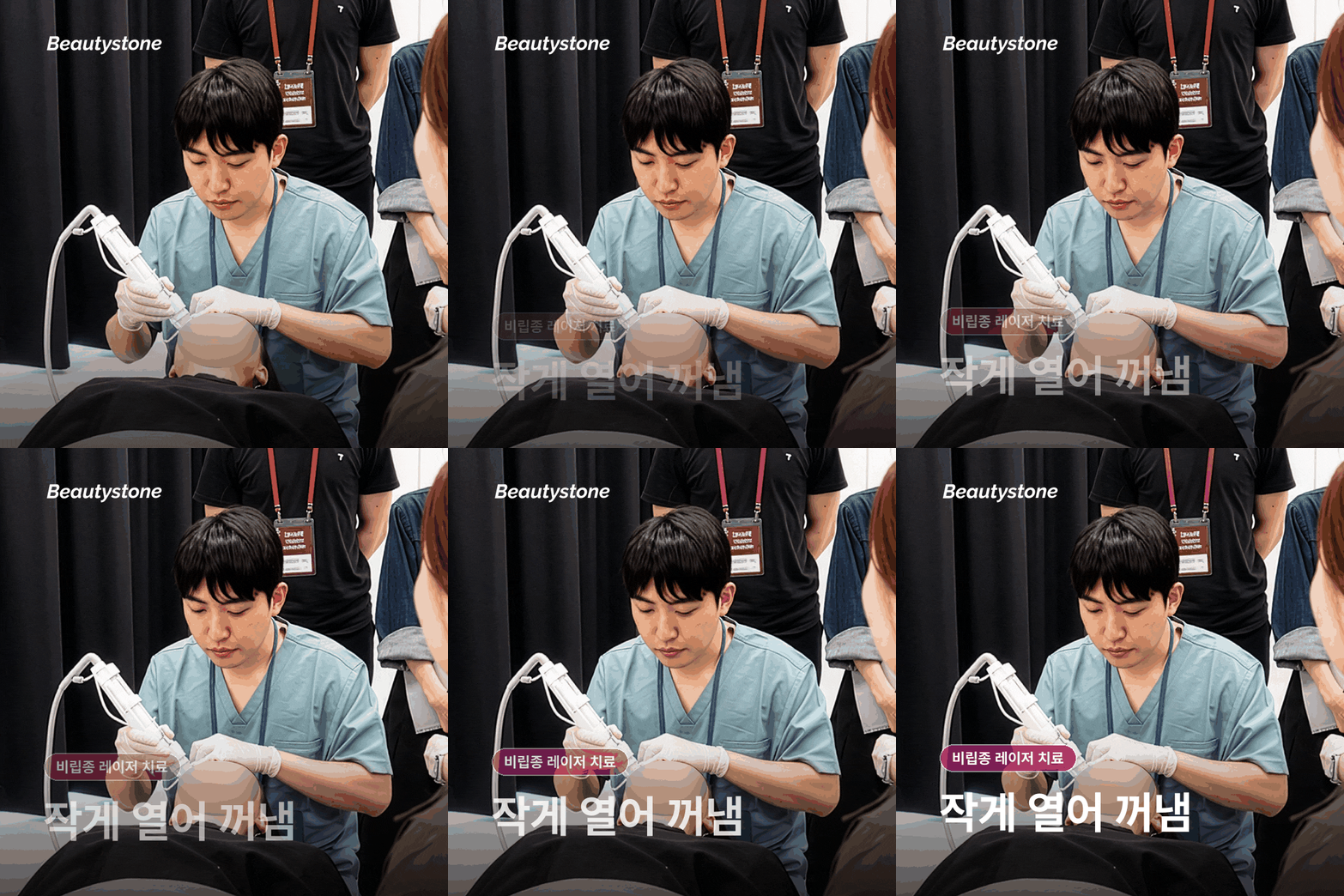
A CO2 laser, for example,
may be used to create the opening,
while a sterile needle and
extraction instrument may be used
if the lesions are shallow and few in number.
In other words, a laser
is not always necessarily the better option.
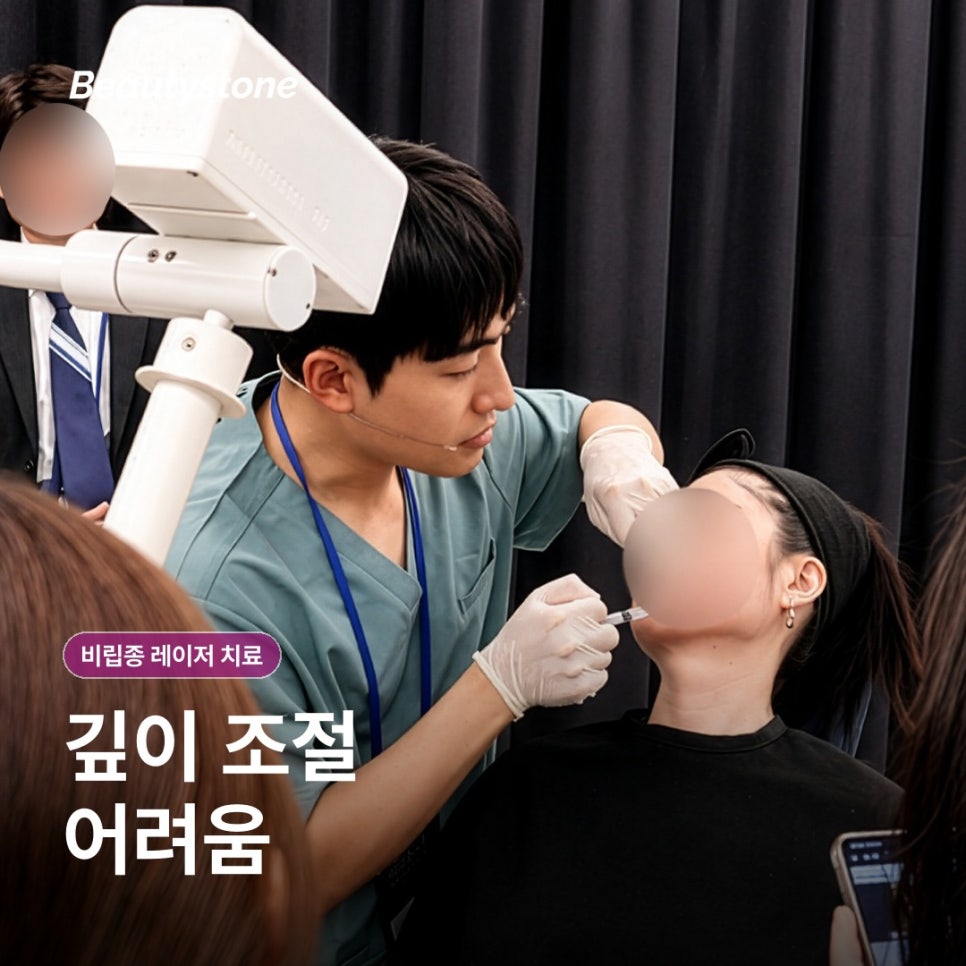
The method is selected based on
the size and firmness of the lesion,
its distance from the eye,
its number,
and any history of scarring.
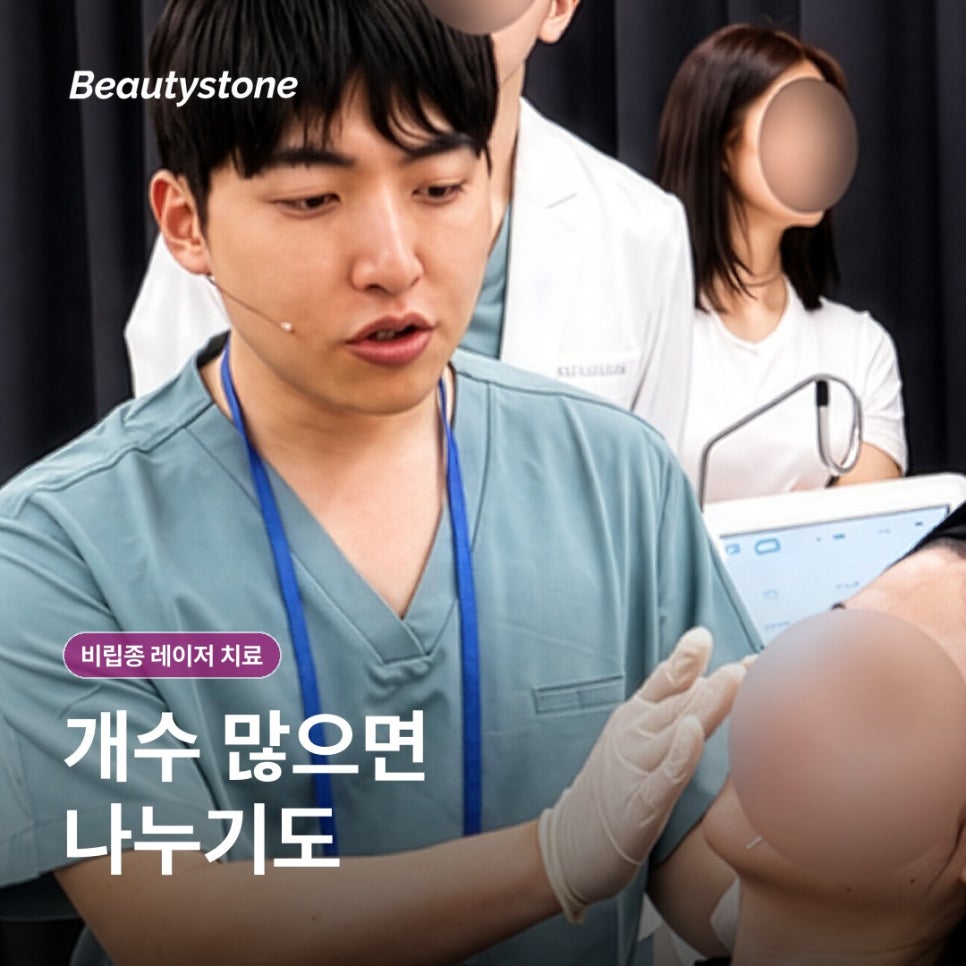
When looking into Hapjeong milia laser treatment as well,
it is better to ask first
whether the lesion really is milia,
why that removal method is being selected,
and how extensive the treatment will be in one session,
rather than focusing on the name of the equipment.
Why Are Marks More Likely to Remain
When You Squeeze Them at Home?
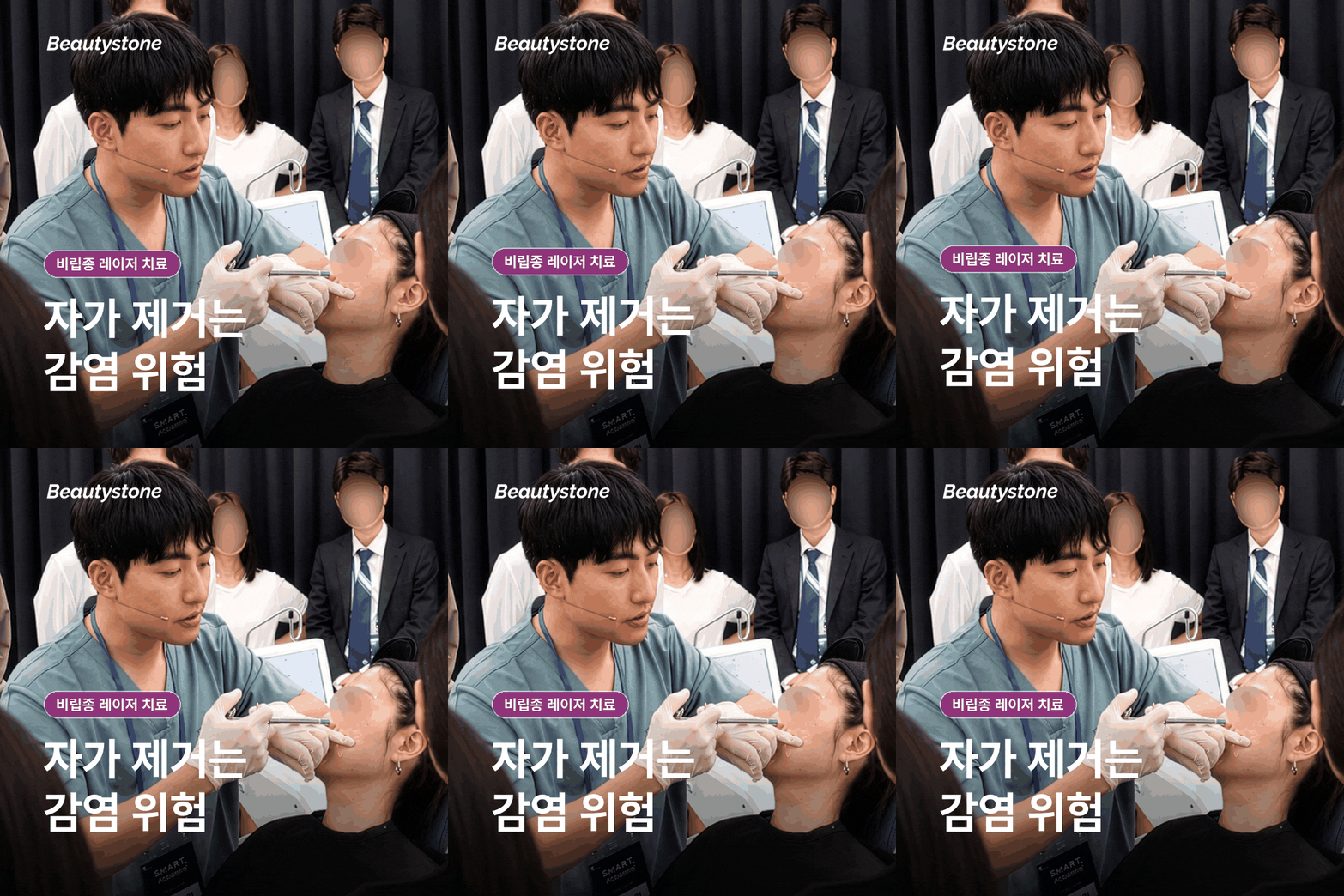
At home, it is difficult to control
the depth and direction of the opening precisely.
If you repeatedly press while
the contents have not come out,
inflammation may develop,
and red marks or hyperpigmentation
may remain around the eyes for a long time.
Please also avoid picking at the area
with nail clippers, tweezers,
or an unsterilized needle.
If the actual lesion is a syringoma
or a flat wart,
it will not be resolved by squeezing,
and the irritation may only worsen.
If it has already become red and swollen after being touched,
or if discharge and pain have developed,
do not press it further; have the condition assessed first.
How Should You Care for the Area After Removal?
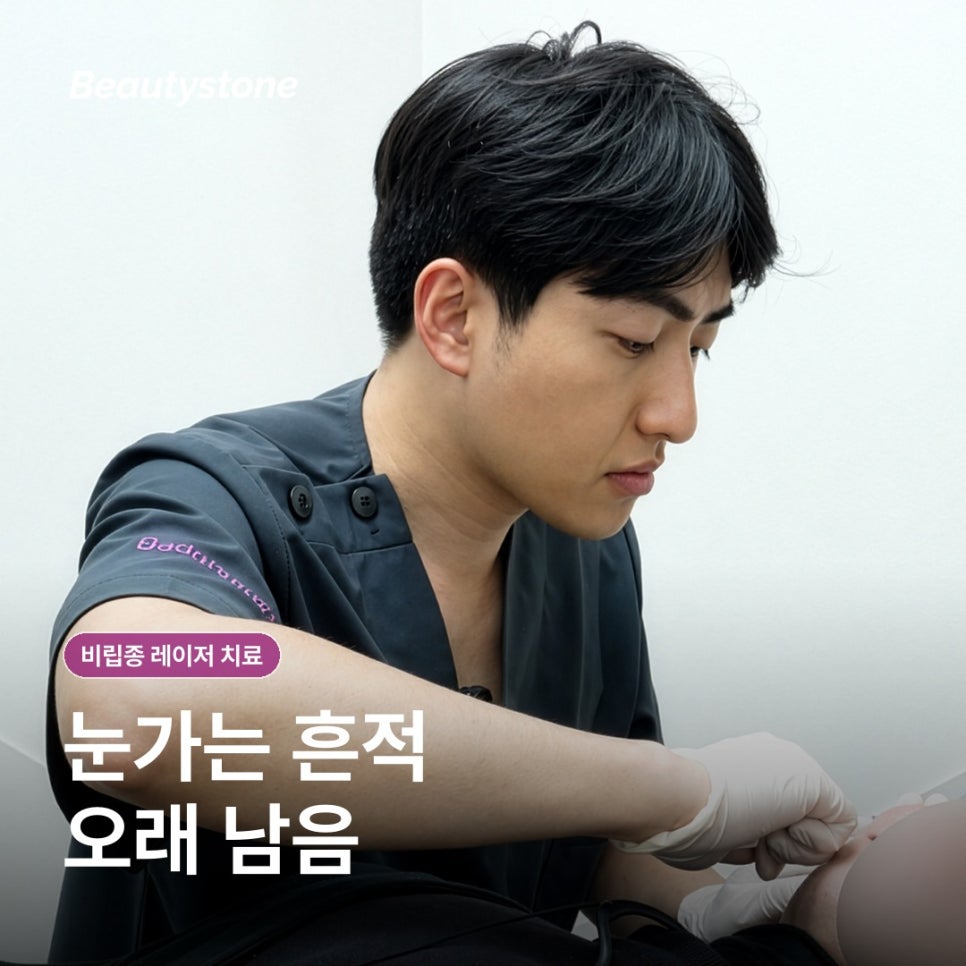
After the procedure, slight redness and scabbing
may be visible for several days to one or two weeks.
When to begin washing your face
and
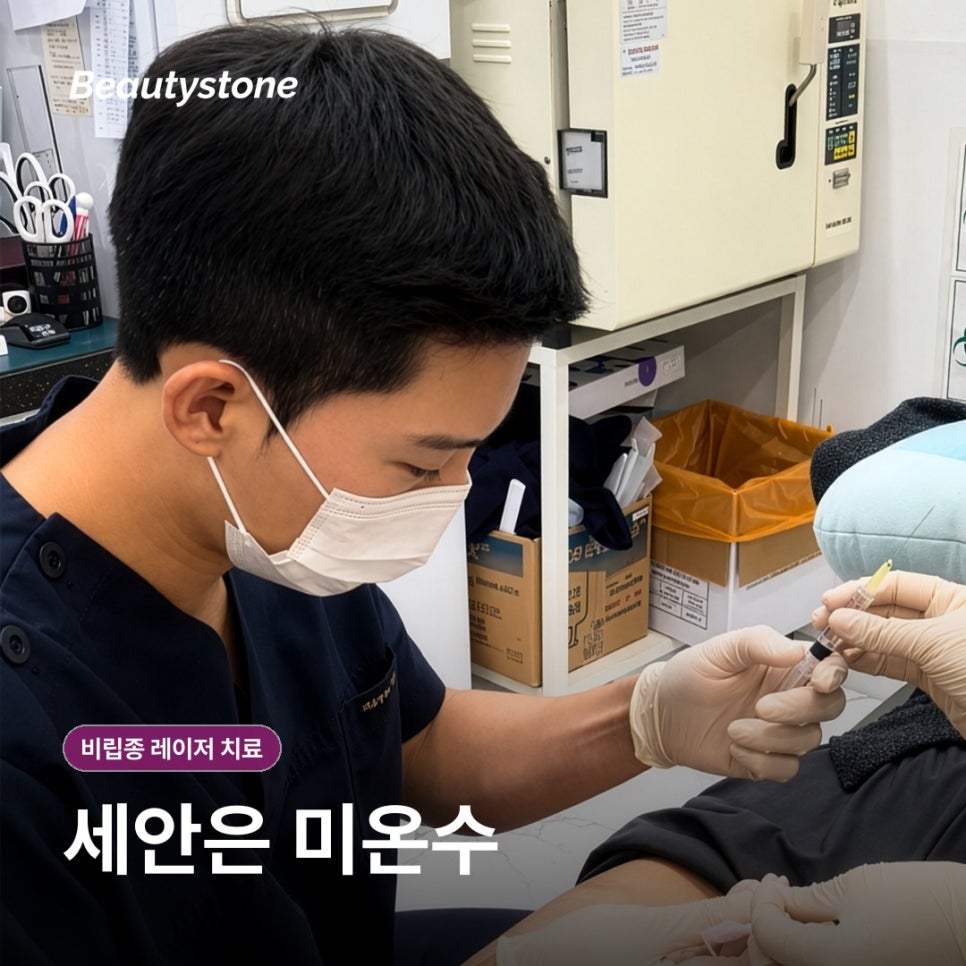
whether to use a healing ointment or bandage
depend on the depth of the procedure
and the clinic’s instructions.
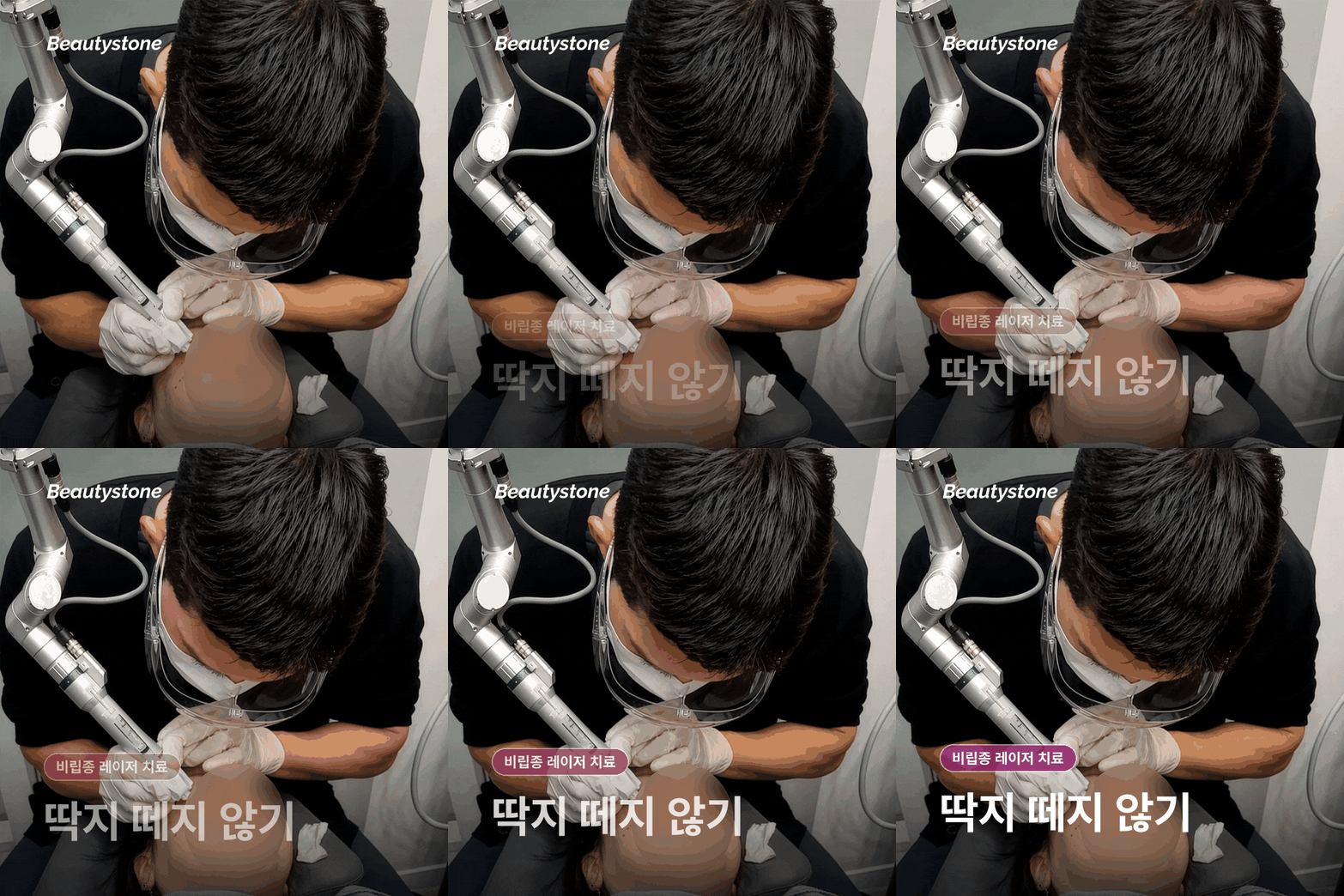
Do not forcibly remove the scab,
and avoid rubbing the area when washing your face.
Once the wound has settled,
be sure to use sun protection,
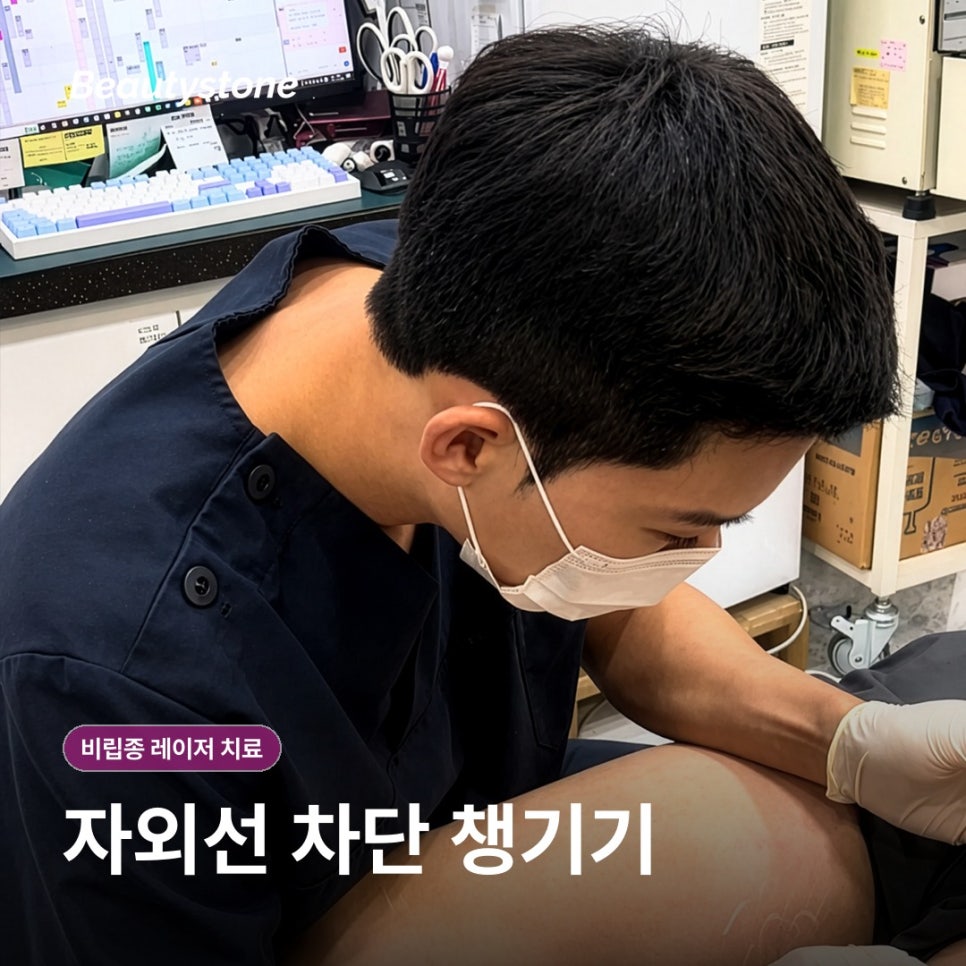
and temporarily avoid products
that may cause irritation,
such as scrubs, peels, and retinol.
If the redness gradually spreads,
or if pain, heat, or discharge worsens,
do not simply wait and assume it is part of recovery;
inform the medical facility that performed the procedure.
In Closing
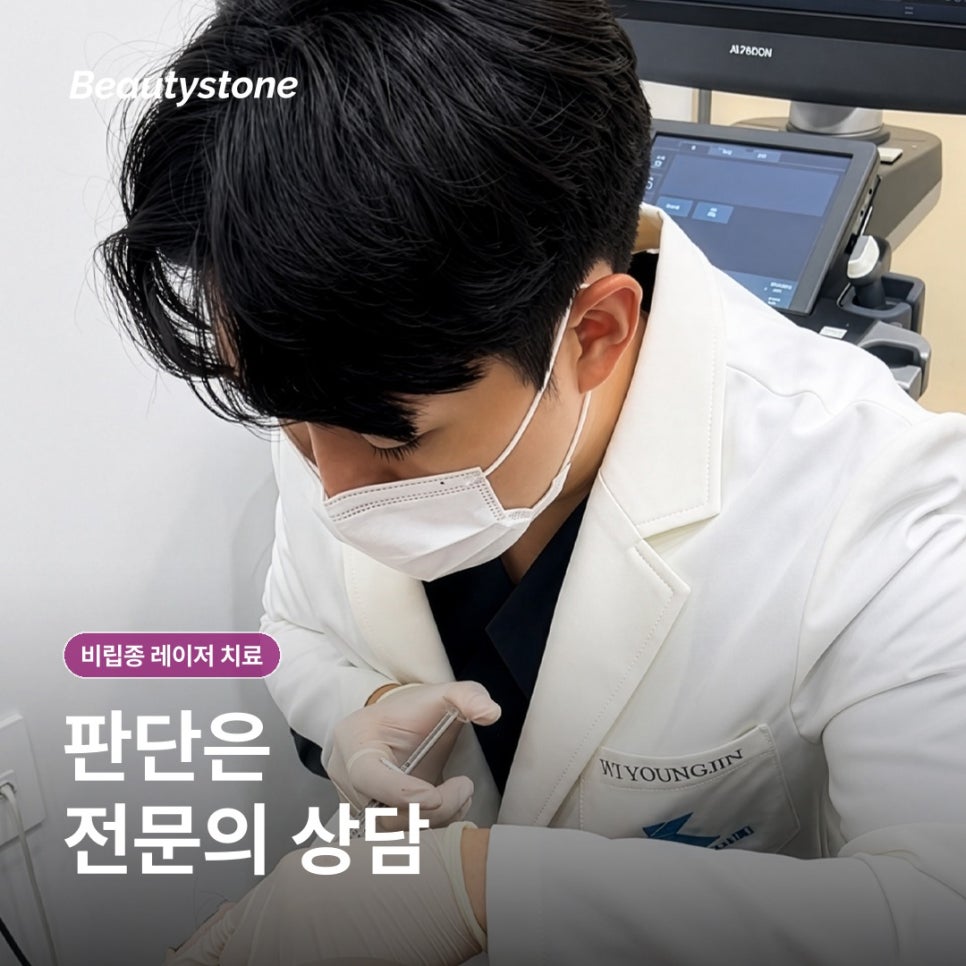
The important thing in Hapjeong milia
laser treatment
is not removing the lesions as aggressively as possible.
The proper sequence is to determine
whether the bump around the eyes is truly milia,
how many there are and how deep they are,
and whether irritation has resulted from self-extraction,
then treat only the necessary area.
If even small granules continue to be noticeable
and stand out whenever you apply makeup,
check the type of lesion first
rather than repeatedly touching it at home.
Frequently Asked Questions
Q1. Is milia laser treatment very painful?
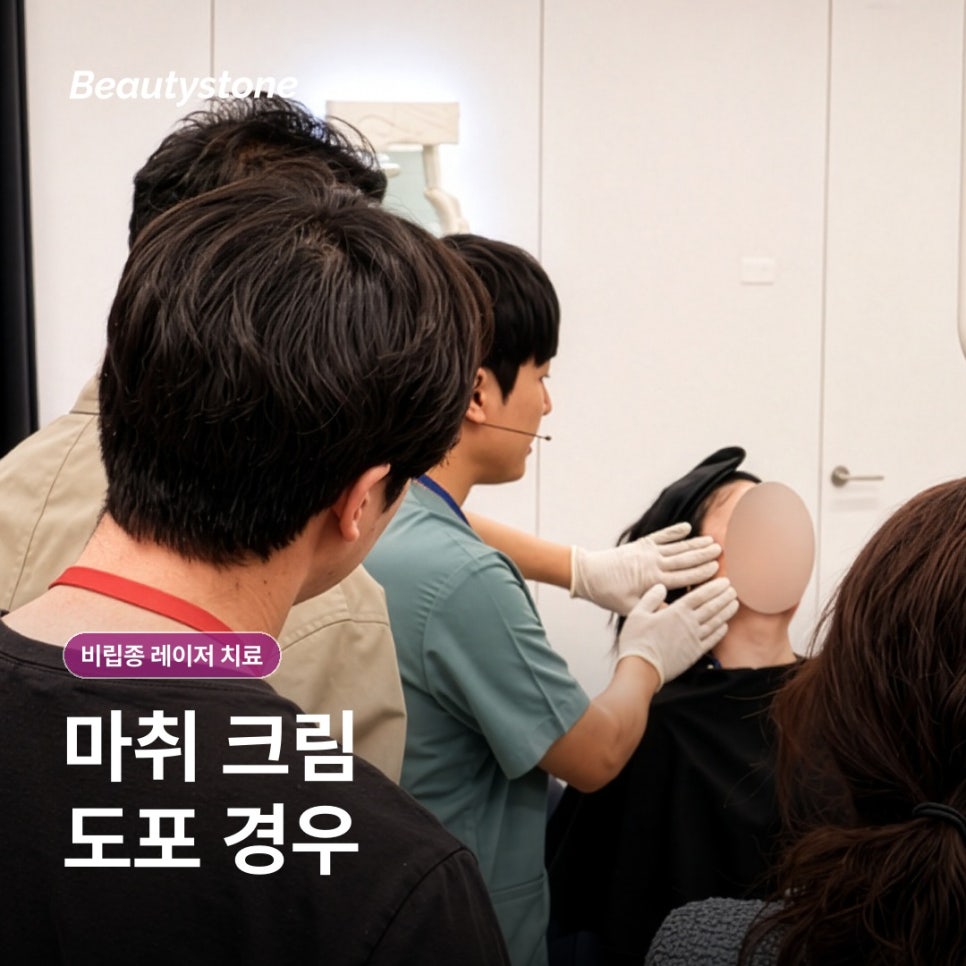
With numbing cream,
many people feel only a brief stinging sensation,
but the experience varies depending on the location and number of lesions.
Q2. Can milia come back in the area that was treated?
New milia can develop nearby
separately from the lesion that was removed.
If they recur,
also review your history of skin damage
and the products you use.
Q3. How are milia different from syringomas?
Milia are small cysts containing keratin,
while syringomas are lesions that develop from sweat ducts.
They can be difficult to distinguish by appearance alone.
Q4. Can I wear makeup the day after the procedure?
With small lesions,
it may be possible to return to daily activities quickly,
but if the wound is still open,
postpone makeup application
and follow the clinic’s instructions first.
Thank you for reading this long post today.
This has been Kim Ha-won from Beauty’s Doctor.
According to the medical fact-checking standards,
milia are small cysts filled with keratin,
and methods involving a needle, a sharp blade,
or a carbon dioxide laser
may be used to create an opening on the surface
and remove the contents.
Similar-looking comedones
and syringomas, among others,
need to be differentiated,
and squeezing or scraping them at home
may carry a risk of infection and scarring,
so avoiding these actions is recommended.
Treatment areas generally heal within one to two weeks,
but for actual aftercare,
follow the scope of the procedure
and the medical facility’s instructions first.