Hello.
I’m Wi Young-jin from Beauty’s Doctor.
“How is V-ro
different from Ulthera
or Thermage?”
“I heard it uses ultrasound
and radiofrequency together.
Is stronger always better?”
When looking into V-ro,
various explanations—such as lifting, tightening, ultrasound, and radiofrequency—often appear all at once.
So even if the device name is familiar,
it can be difficult to understand exactly how V-ro works
and why the treatment method differs from person to person.
V-ro can be described as a lifting device that uses focused ultrasound and radiofrequency according to the condition of the skin and the target areas.
Because the two types of energy act at different depths and in different ways,
it is important to divide the treatment plan by area, even on the same face.
3-Line Summary
- The principle behind V-ro
uses focused ultrasound and radiofrequency
to induce thermal responses
in different layers of the skin.
- Rather than simply increasing the intensity or number of shots,
it is important to distribute the energy according to skin thickness and fat distribution.
- The sensation immediately after treatment
and the changes that appear several weeks later are different,
so the progression over time should be considered instead of judging the results immediately.
1) How are ultrasound and radiofrequency different in the way V-ro works?
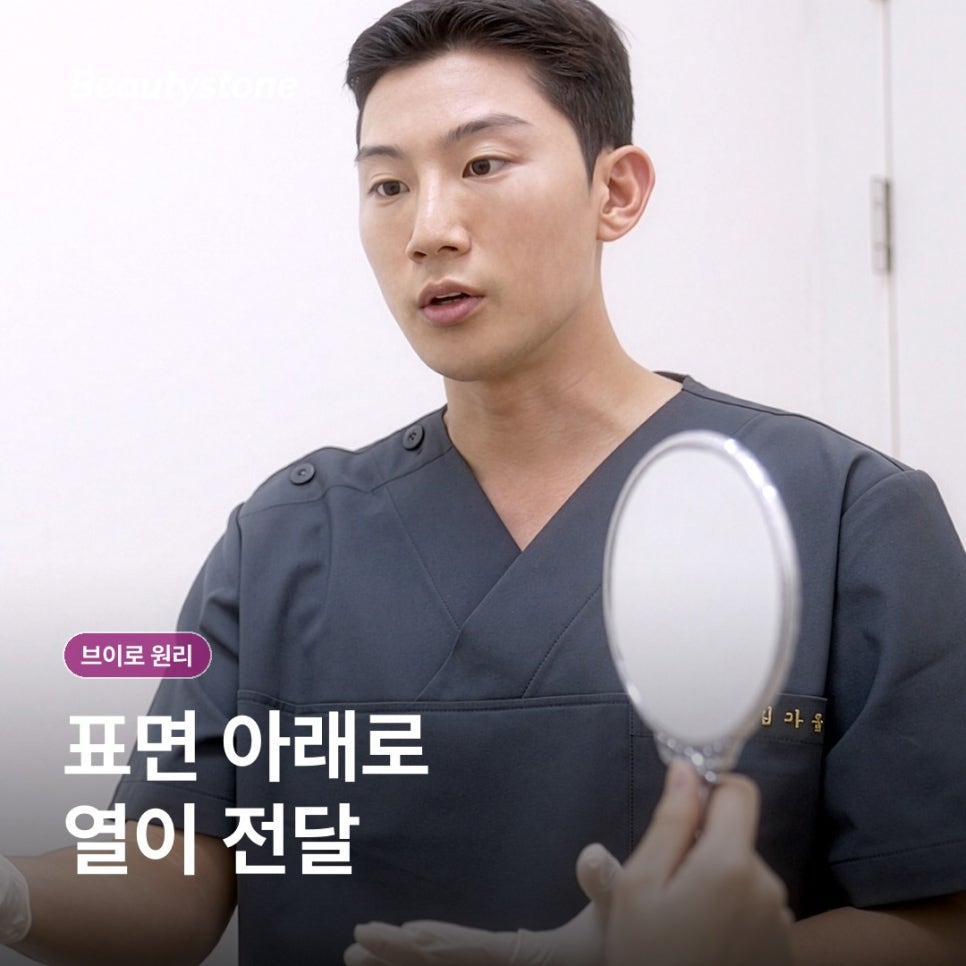
To understand how V-ro works,
it is helpful to first examine separately
how the two types of energy reach the skin.
Focused ultrasound concentrates energy at a set depth beneath the skin’s surface,
creating small areas of thermal response.
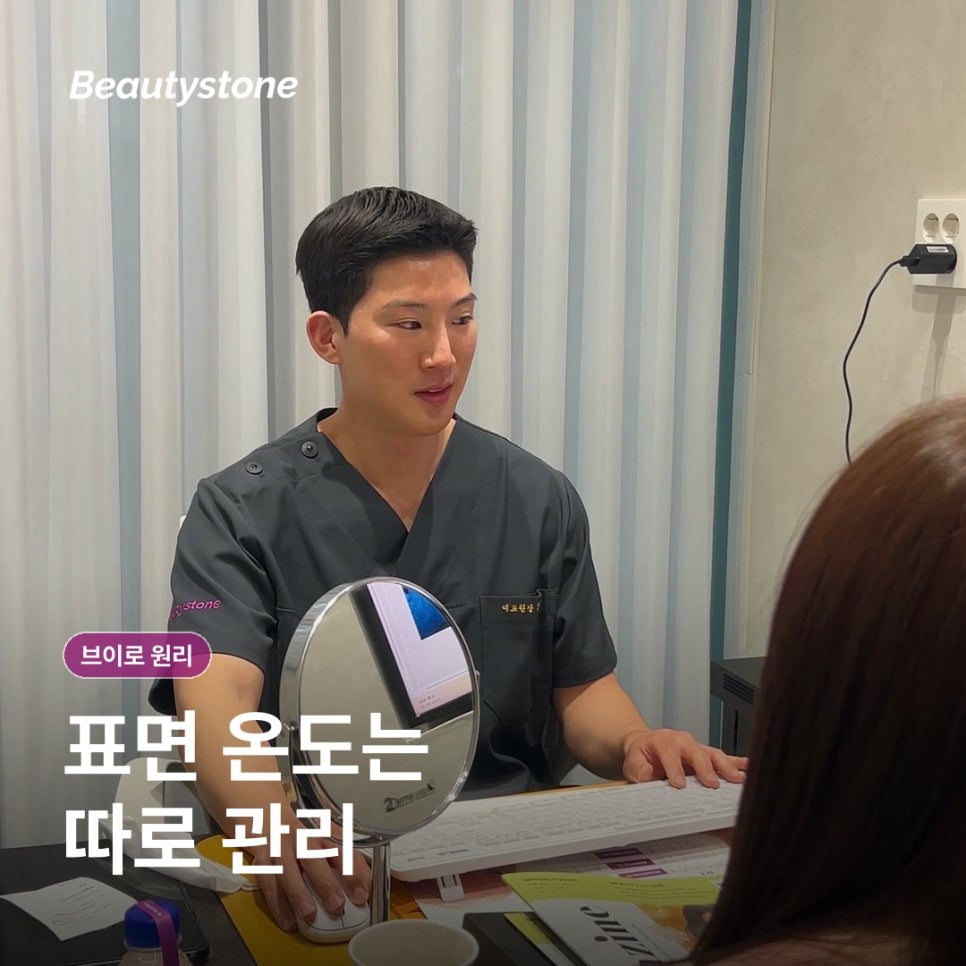
It is mainly used to deliver thermal energy to the supporting structures beneath the skin,
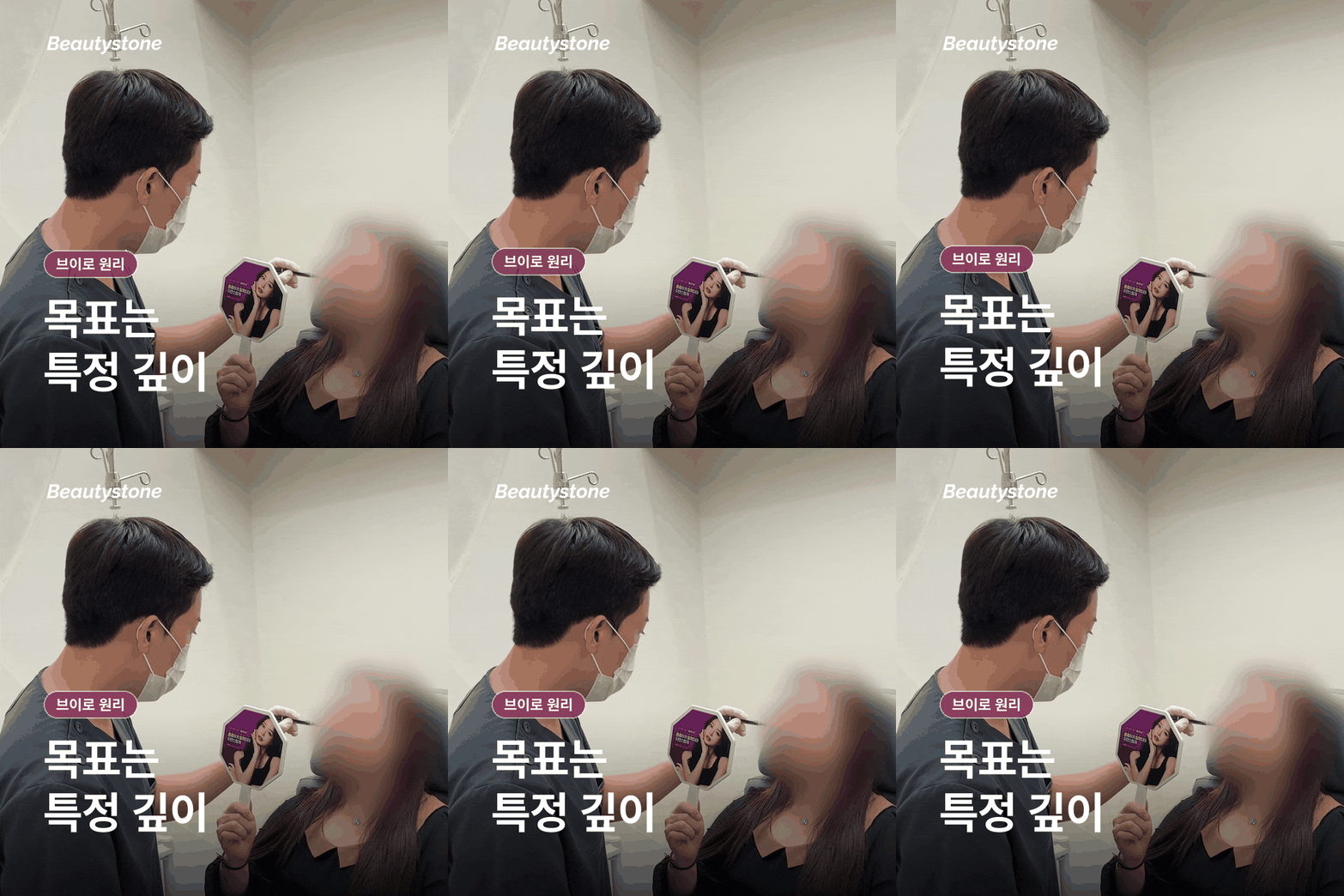
and may be considered for areas where sagging is a concern,
such as the jawline or cheeks.
By contrast, radiofrequency uses the heat generated as electrical current passes through tissue
to act relatively broadly on the dermis and surrounding tissue.
If skin elasticity, fine lines,
or an overall decrease in skin density is a concern,
radiofrequency may also be discussed.
However, the two types of energy are not applied to everyone
at the same ratio and intensity.
2) Why not proceed strongly in a single session?
When looking into lifting treatments,
it is easy to assume that higher intensity and more shots will produce better results.
However, what matters in the way V-ro works
is not unconditionally stronger energy,
but delivering the necessary amount to the necessary layer.
If energy overlaps excessively in one area,
pain, swelling, and tenderness may increase,
which can place a burden on recovery.
In particular, areas where the bone is close to the surface,
such as the cheekbones,
or areas with little cheek fat may feel more strongly stimulated even with the same settings.
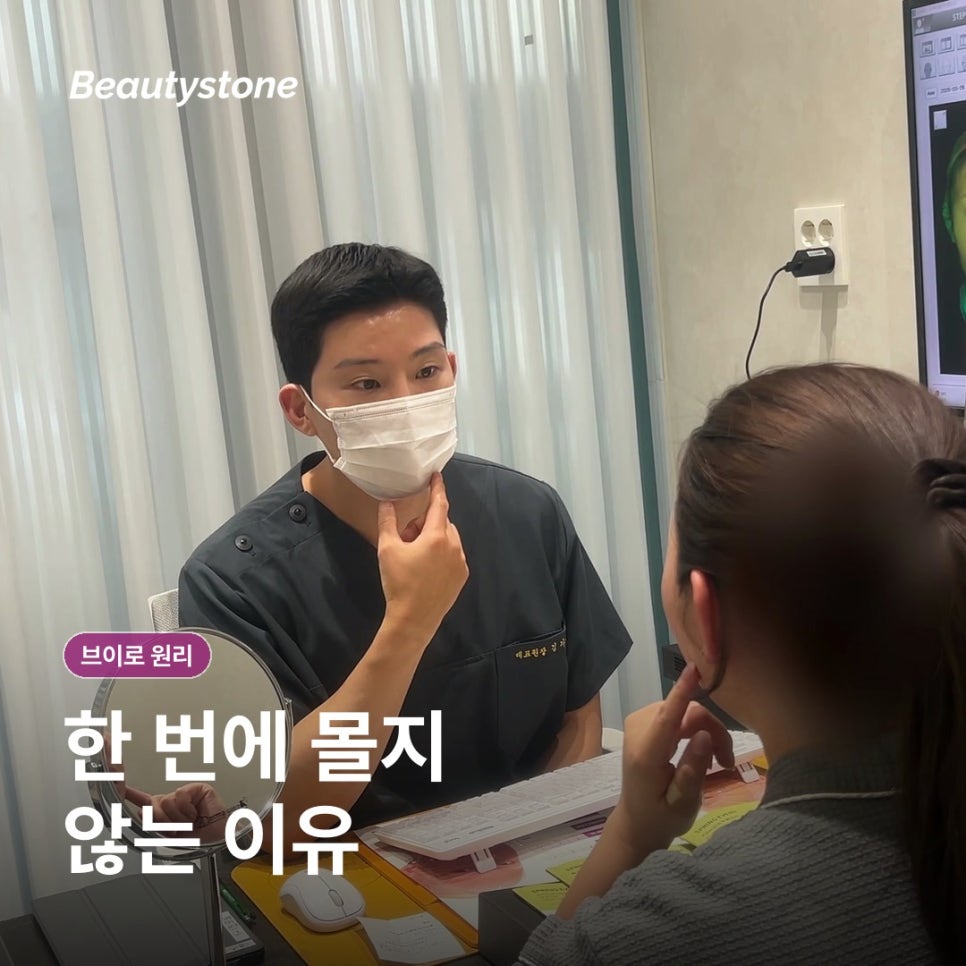
That is why, rather than treating the entire face identically,
the condition of the jawline, cheeks, around the mouth, and around the eyes is assessed separately,
and the type and intensity of energy are adjusted.
When consulting about V-ro treatment,
it is better not to ask only how many shots will be administered,
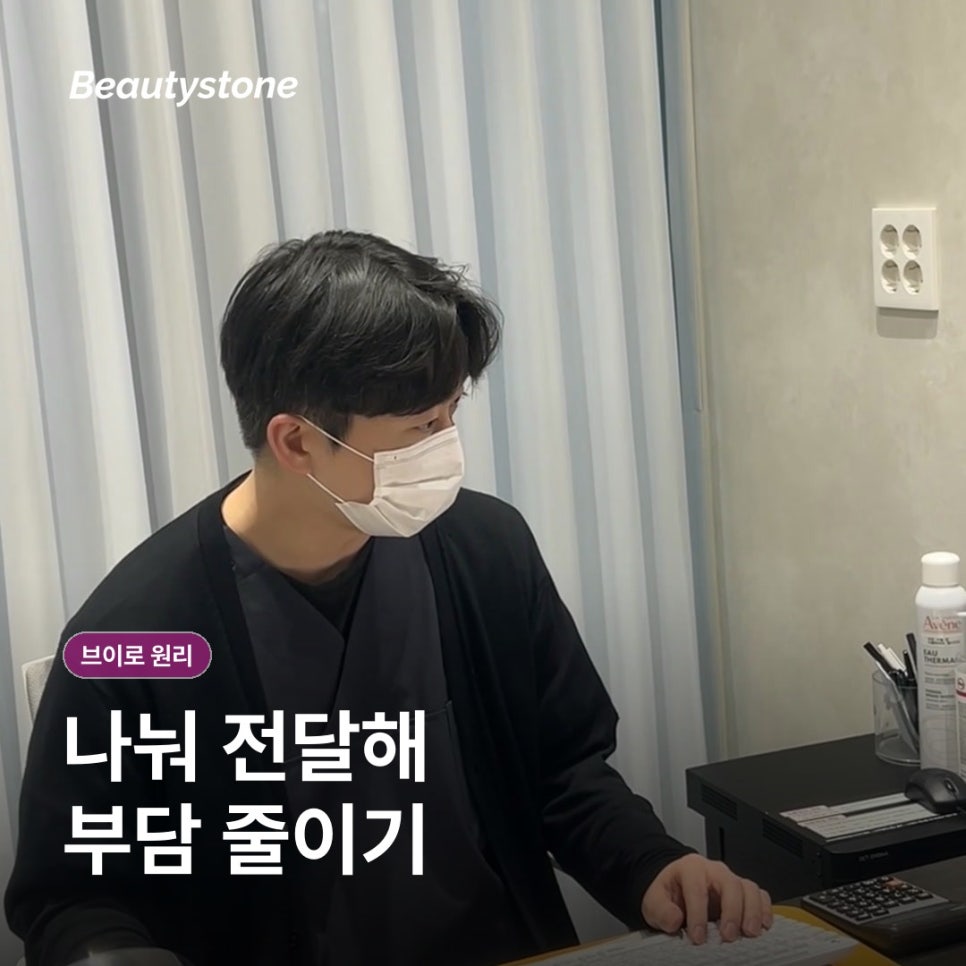
but also to ask which areas will be the main focus,
how ultrasound and radiofrequency will be divided,
and how areas that may appear hollow in the cheeks will be avoided.
3) Why is it difficult to judge the changes immediately?
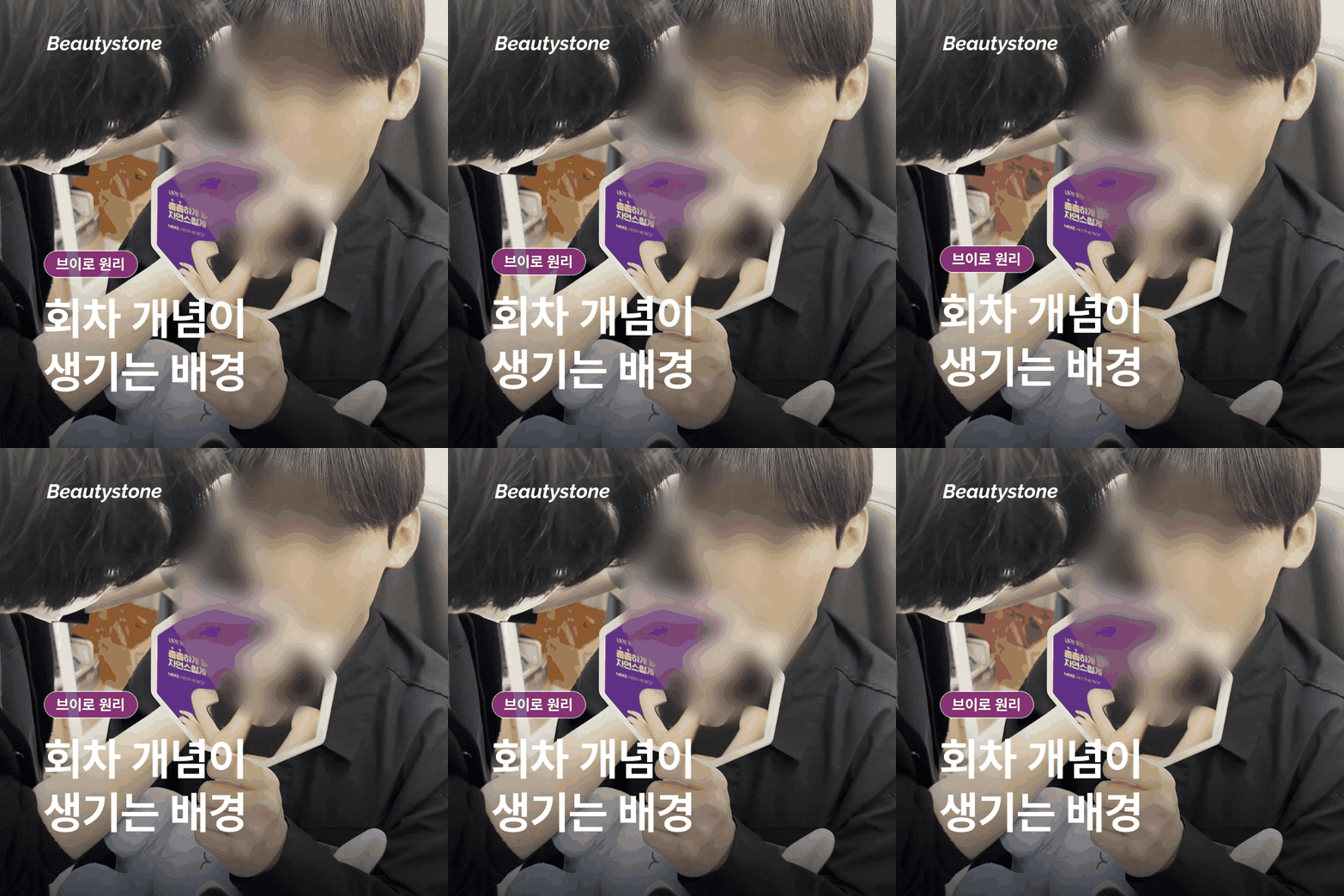
Immediately after V-ro treatment,
you may feel that the skin is tighter due to the thermal response,
or that the contours appear somewhat more defined.
However, the sensation immediately after treatment
does not represent the final change.
As the treated tissue recovers from the thermal stimulation,
collagen is rearranged,
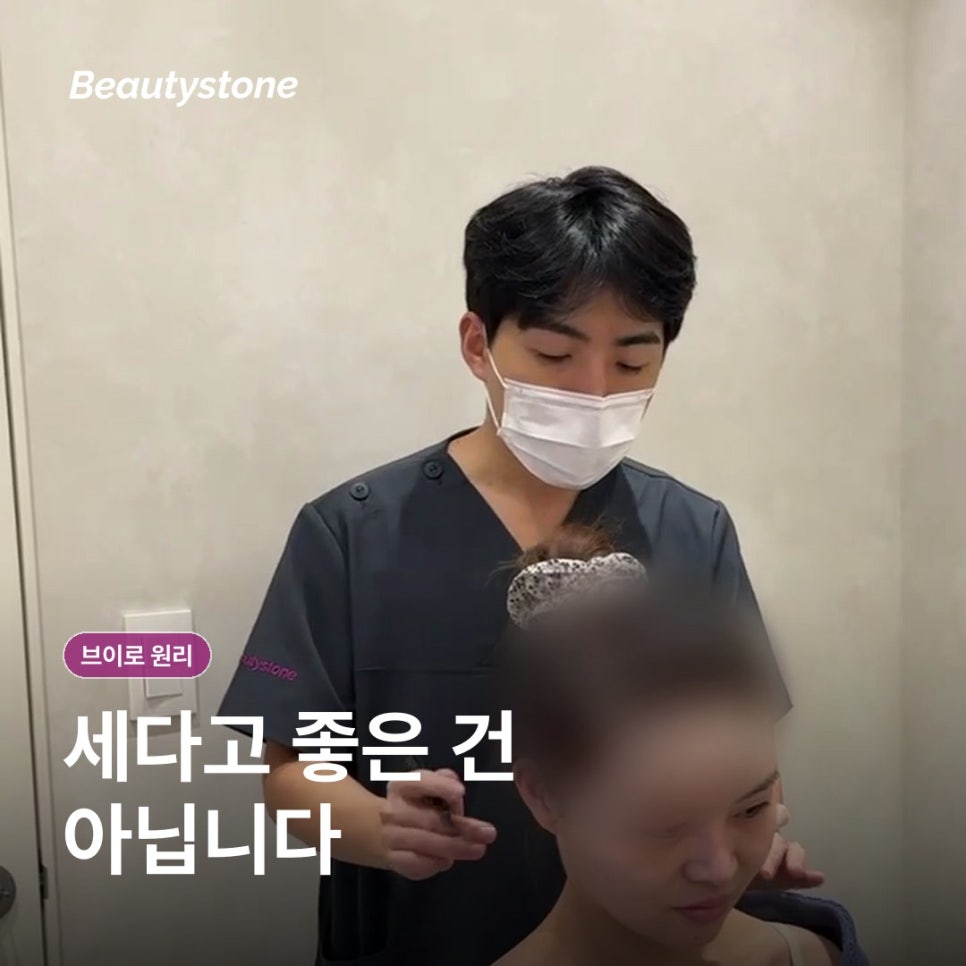
and changes in the skin’s support may continue to develop over several weeks to months.
Therefore, judging whether the treatment has worked or not
based only on the mirror the next day
may not reflect the actual progress.
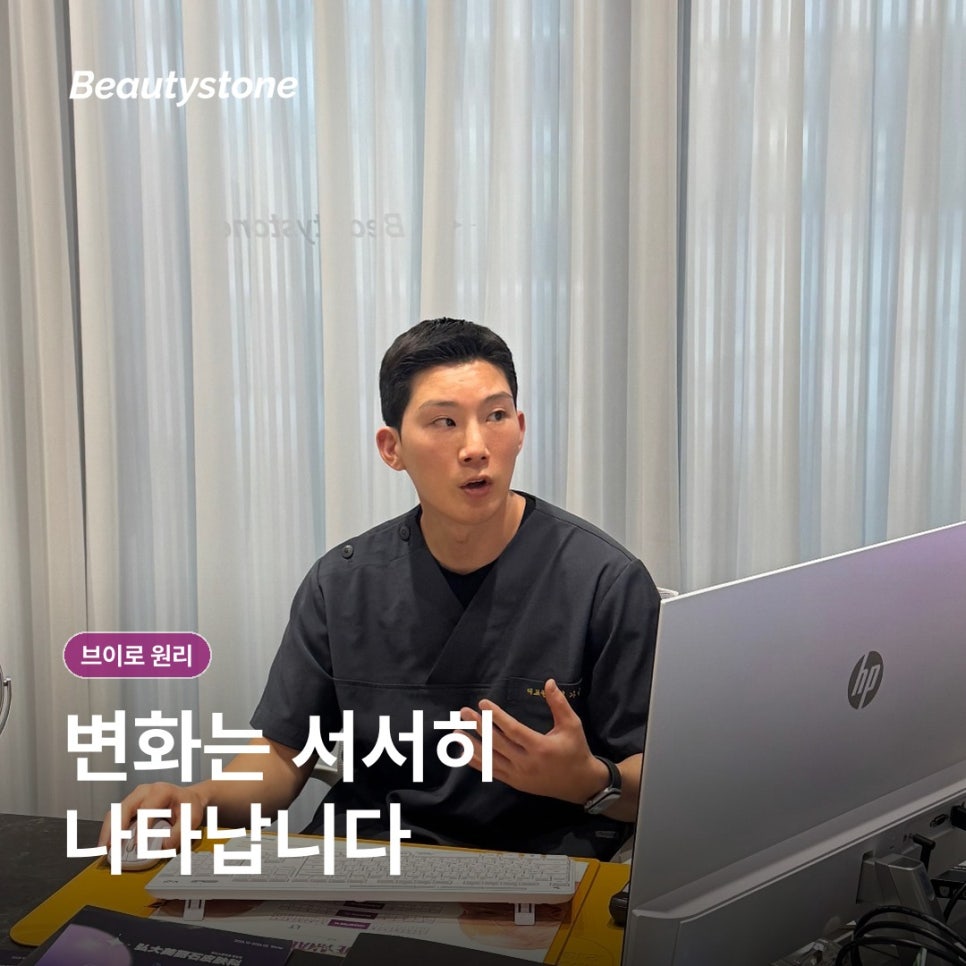
Conversely, even if the skin feels very tight immediately after treatment,
it is difficult to conclude that this will necessarily lead to a better result.
Even when the same device is used,
skin thickness, age, degree of loss of elasticity,
and previous lifting treatment history
can affect the extent of the response and when changes are felt.
4) What should you check before V-ro treatment?
Once you understand how V-ro works,
before treatment, you should first examine the current condition of your face
rather than focusing on the device name.
It is necessary to determine whether the cause of an indistinct jawline
is reduced skin elasticity,
whether fat in the cheeks or beneath the chin is also contributing,
and whether there are already areas that appear hollow because of insufficient volume.
Even if sagging is the concern,
pulling all areas in the same way
may instead make the face look thinner
or make its contours appear more pronounced.
In Closing
The way V-ro works does not simply
end with using ultrasound and radiofrequency together.
Which layer is targeted,
how the two types of energy are distributed across different areas,
and how thin-skinned or low-volume areas are distinguished
all affect the actual treatment plan.
During consultations, I also prefer to first examine
what is making the current face appear saggy,
rather than deciding on the device name V-ro from the outset.
I assess which areas should be preserved
and which areas should be addressed.
This is because even on the same face,
the skin thickness around the jawline, cheeks, and eyes differs,
as do the amount and location of fat.
If you are considering V-ro treatment,
rather than comparing only the number of shots or the intensity,
check whether the provider sufficiently explains how skin thickness and volume are assessed
and according to what criteria ultrasound and radiofrequency are divided and applied.
Frequently Asked Questions
Q1. Are ultrasound and radiofrequency always used together with V-ro?
Depending on the condition of the skin and the areas of concern,
the two types of energy may be used together,
or more emphasis may be placed on the method that is needed.
Q2. If there are no changes immediately after treatment, does that mean it was ineffective?
With V-ro, the thermal response immediately after treatment
and the changes that appear as the tissue subsequently recovers
may feel different.
Rather than drawing a conclusion based only on the immediate sensation,
observe the progression over the period recommended to you.
Q3. Does stronger pain mean the treatment was more effective?
It is difficult to evaluate pain and results using the same standard.
Pain also varies depending on the area, skin thickness,
the distance to the bone, and the level of tension.
If the pain becomes difficult to tolerate,
tell the provider immediately during the treatment
so that the intensity and treatment method can be adjusted.
Q4. Can V-ro be combined with other lifting treatments?
Treatments with different target layers and energy methods
are sometimes combined.
However, to prevent excessive overlap of heat in the same area,
it is better to determine the order and interval after reviewing your previous treatment history and skin condition.
Thank you for reading this long post today.
This has been Wi Young-jin from Beauty’s Doctor.