3-Line Summary
- Rosacea is
centered around the nose
and both cheeks,
and is similar to a chronic skin condition
in which redness remains for a long time.
- Simple facial flushing
often occurs after a specific trigger
and then subsides
relatively quickly.
- You should look at
how long the redness lasts and where it appears,
along with accompanying symptoms
such as visible small blood vessels
or bumps.

Hello.
I’m Ha-won Kim from Beauty’s Doctor.
When your face often becomes red,
it is easy to assume that your skin is sensitive
or that you naturally produce a lot of heat.
However, if the redness does not subside easily
and continues to remain mainly around the nose
and both cheeks,
it is worth considering rosacea
as well as simple facial flushing.
Rosacea is similar to a chronic inflammatory skin condition
that causes recurrent flushing and redness
in the central part of the face.
At first, it may begin as brief facial redness
when you go somewhere hot or drink alcohol,
but over time,
the redness may remain even after the trigger has disappeared,
and visible small blood vessels, bumps,
and a burning sensation may also appear.
Rather than how red your face becomes,
how long the redness remains
can be an important clue.
- How are rosacea and simple facial flushing different?
Simple facial flushing usually has a relatively clear trigger.
After coming indoors from the cold,
exercising, feeling tense, or drinking alcohol,
your face may become flushed,
but once the cause disappears,
it often returns to its original skin tone
relatively quickly.
By contrast, with rosacea,
the redness may not disappear completely
and can remain as a base of redness
around the nose and both cheeks,
between the eyebrows, or in the center of the chin.
At first, the redness may repeatedly appear and subside,
but gradually, the amount of time spent
in a red state may become longer,
or your face may flush more easily
even in response to smaller triggers than before.

Visible small blood vessels may also appear,
along with red bumps and pustules
that resemble acne,

and your skin may feel hot or sting,
with increased irritation after cleansing
or applying cosmetics.
Some people experience redness along with dryness
and tightness,
while others have oily skin
but unusual stinging only on the cheeks and nose,
so it is difficult to determine whether you have rosacea
based on skin type alone.
However, these characteristics
do not necessarily appear all at once,
so it is difficult to make a definite judgment
based only on photographs or a mirror.
Recording where and when the redness appears
and how long it takes to subside over several days
may also help with the distinction during a consultation.
- In what situations can it become worse?
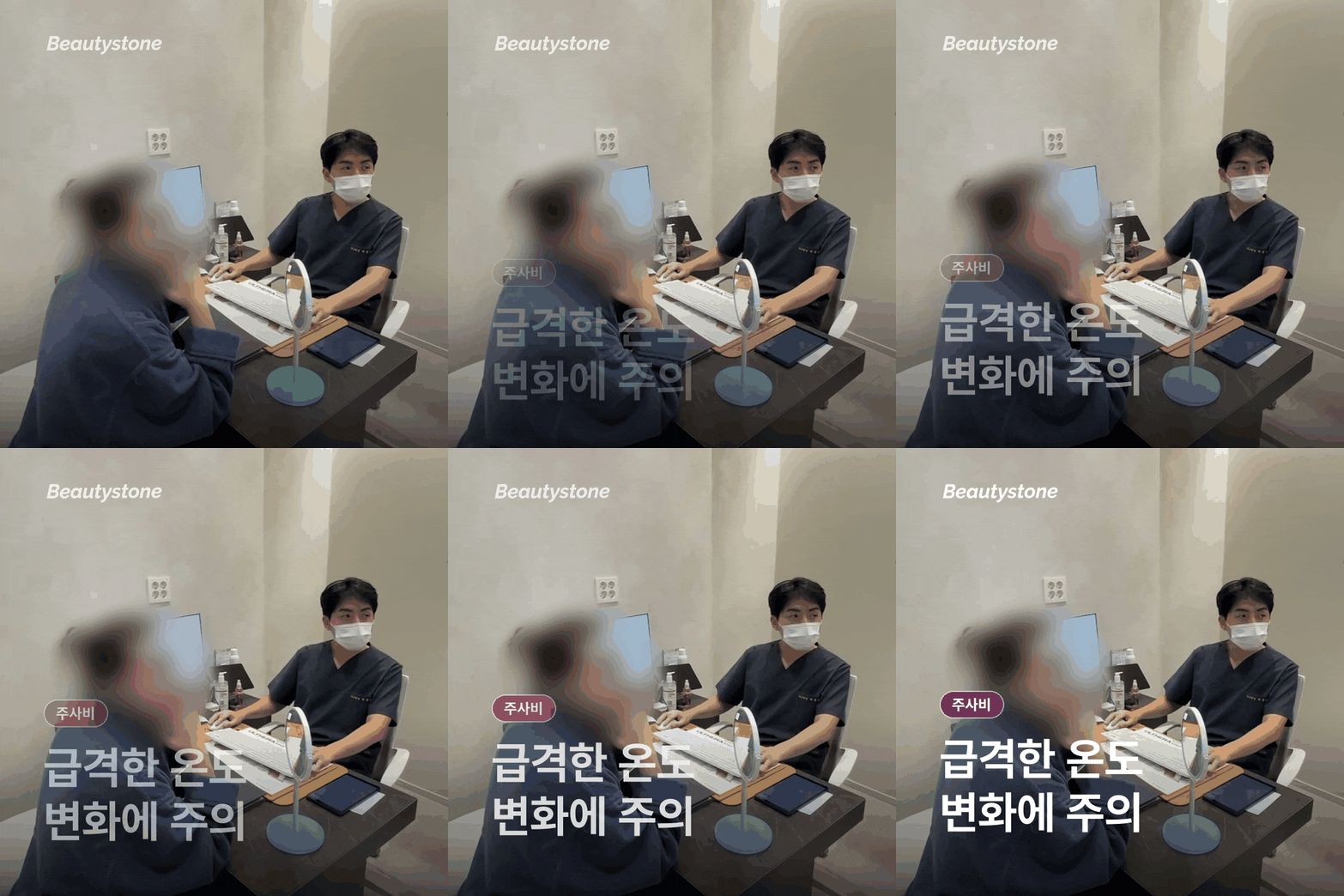
The factors that worsen rosacea vary from person to person.
Commonly mentioned triggers include sudden temperature changes,
ultraviolet exposure,
hot or spicy foods, alcohol, and saunas,
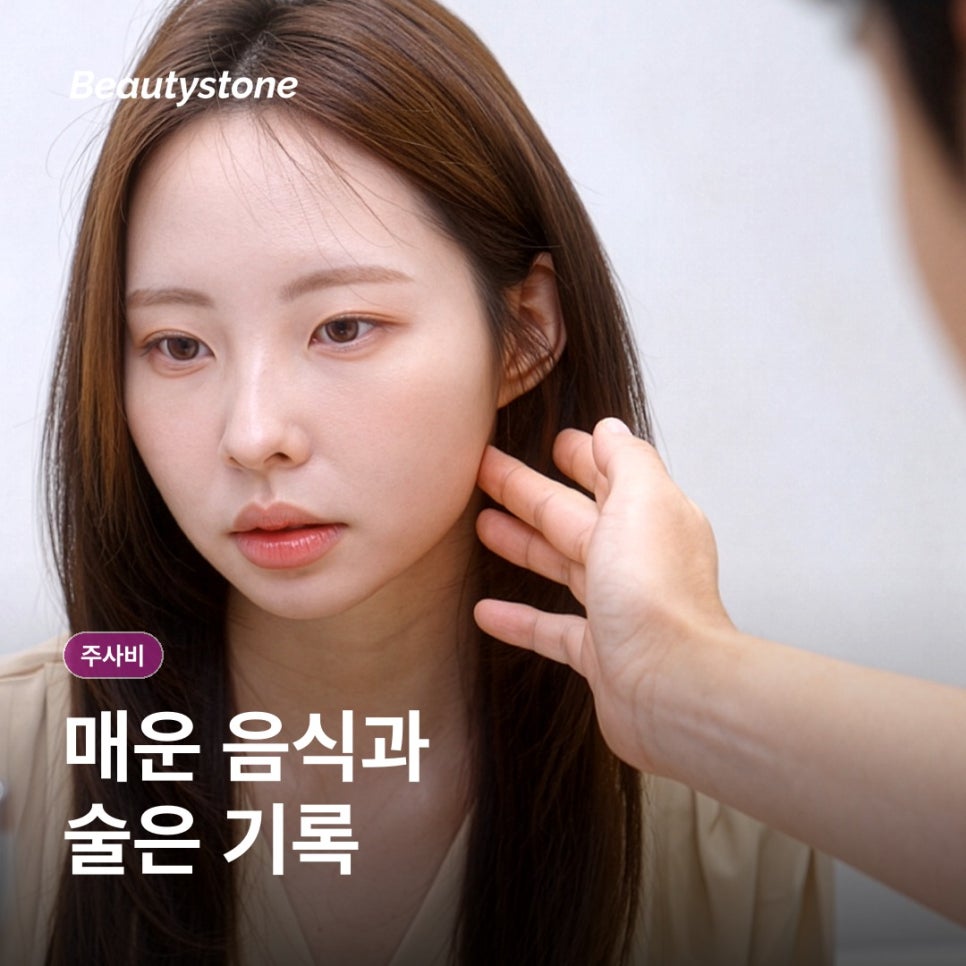
washing your face with hot water and aggressive exfoliation,
and lack of sleep or stress.
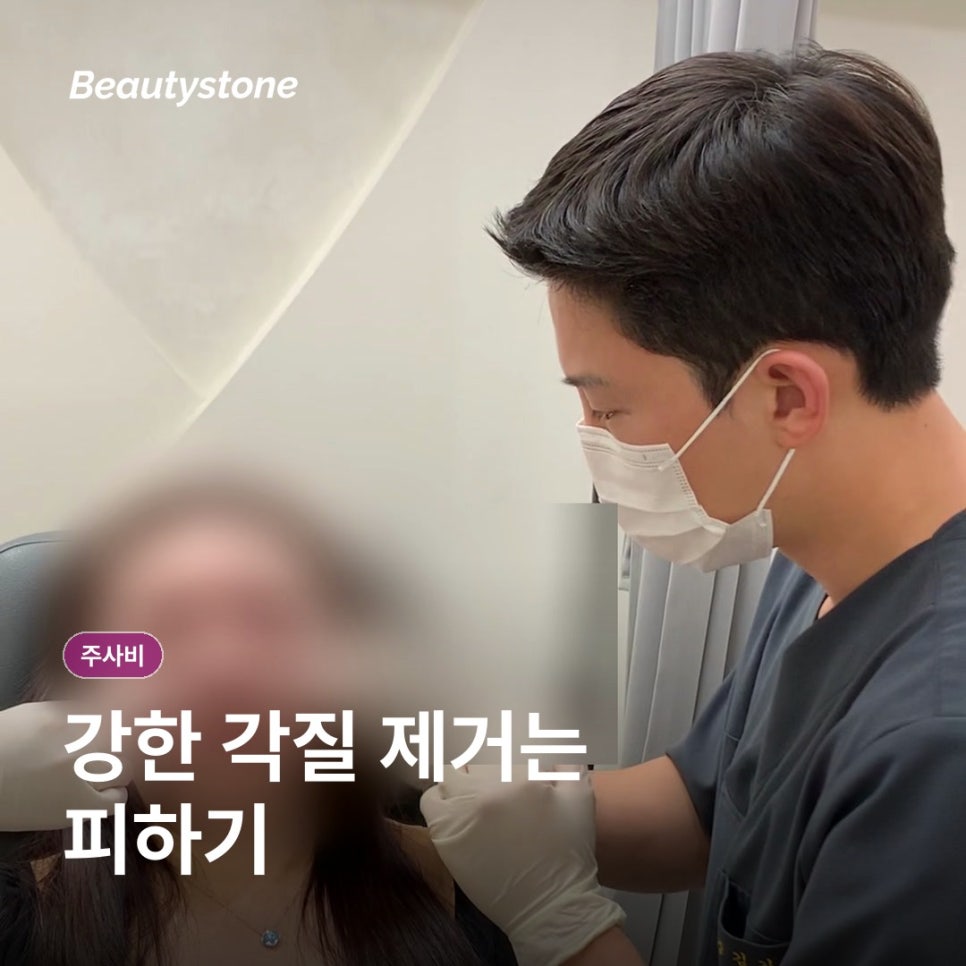
It can be especially difficult to determine what had an effect
when several factors overlap at once.
For example, if you slept very little,
washed your face with hot water for a long time,
and ate spicy food,
it is not easy to judge for yourself
which factor had the greatest effect.
That is why rosacea management
is often best started by reducing,
one at a time,
the factors currently irritating your skin
rather than adding more new cosmetics.

Cleanse briefly with lukewarm water,
and gently pat your face dry instead of rubbing it with a towel.
Rather than layering scrubs, peels,
and high-concentration functional products,
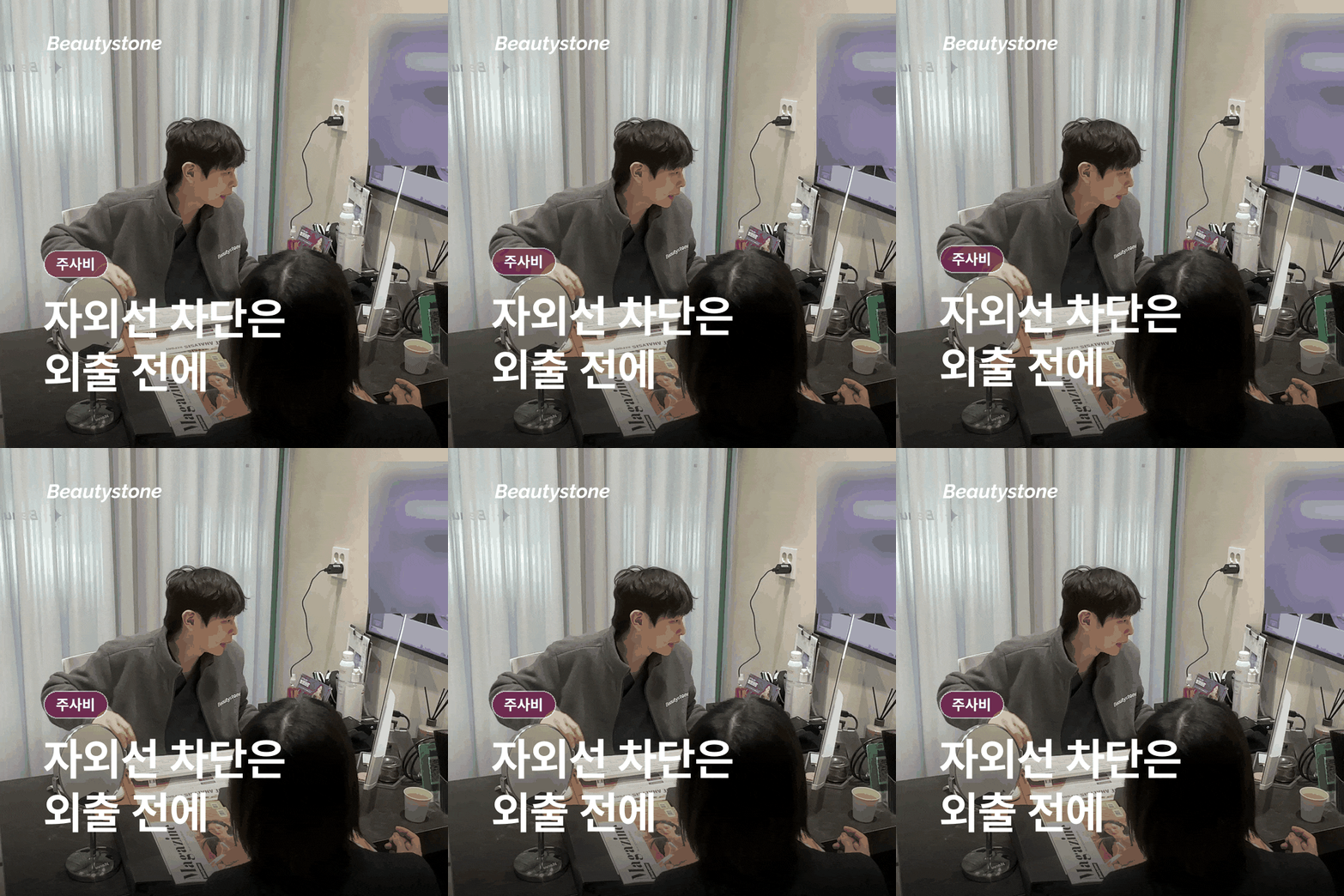
it is better to keep your routine simple,
centered around a moisturizer and sunscreen.
Instead of applying a new product immediately
to your entire face,
use it first on a small area,
such as along the jawline or in front of the ear,
and check for stinging or redness.
When your skin suddenly feels hot,
placing ice directly on it
or washing it with cold water for a long time
can also cause irritation.
In a cool environment,
lower your skin temperature gradually,
and apply a thin layer of a moisturizer
that has not caused problems in the past.
If the redness worsens after certain foods
or outdoor activities,
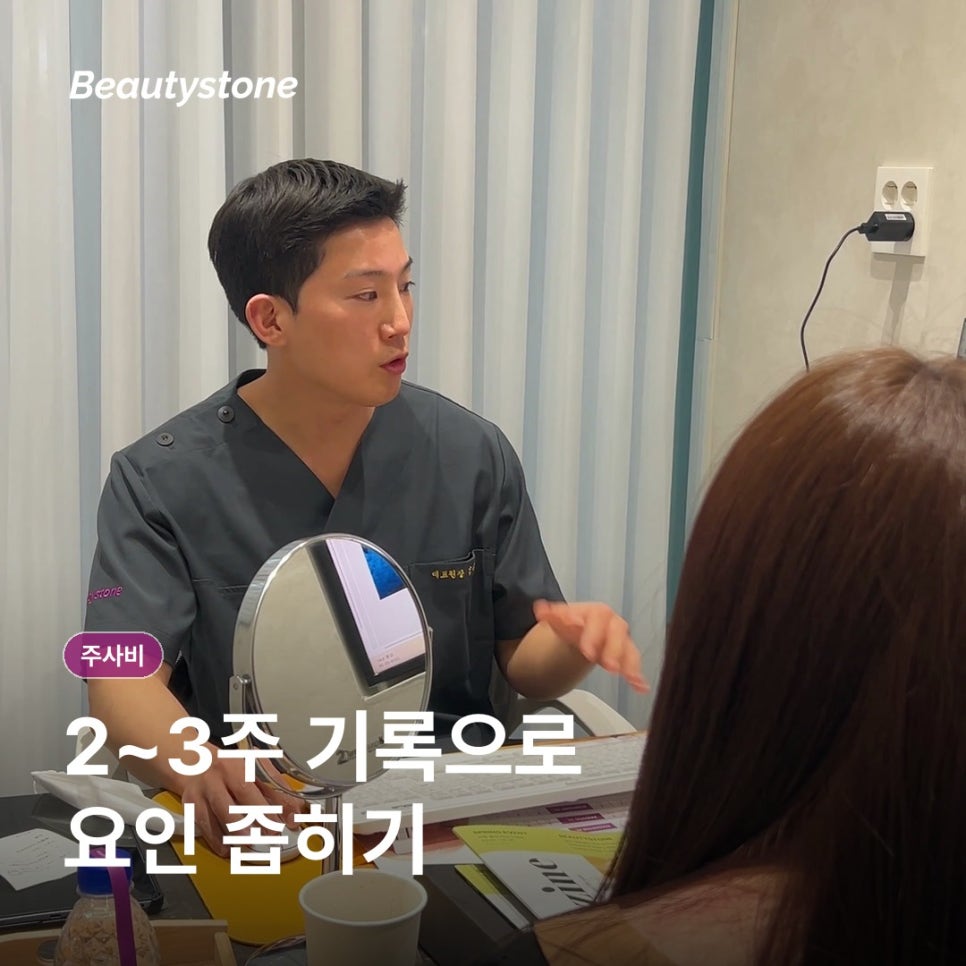
keep a record for two to three weeks
to identify your own triggers.
- What will be checked during a consultation?
Not everyone with facial redness has rosacea.
Seborrheic dermatitis and contact dermatitis,
as well as acne,
or changes caused by steroid use
may look similar or occur together.
During a consultation,
the areas where redness remains and how long it lasts,
the presence or absence of visible small blood vessels
and bumps,
skin stinging and dryness,
and the cosmetics and ointments you currently use
are all considered together.
If you have recently used any products or medication,
writing down their names
or bringing photographs can also be helpful.
If you experience sore or dry eyes,
a foreign-body sensation,
or frequent styes,
the possibility of ocular rosacea should also be checked.
Please also mention if the edges of your eyelids
frequently become red
or if your eyes feel dry and stiff
every morning.
In this case,
an eye examination may be needed
along with a dermatology consultation.
Rosacea is more like a condition
that needs to be controlled over time
according to its state,
rather than something resolved through one round of care.
If you rush into strong peels
or irritating procedures
in an effort to eliminate the redness quickly,
the burning sensation and redness may last even longer.
Wrapping Up
Rosacea and simple facial flushing
are similar in that both cause facial redness,
but differences may be seen in
how long the redness remains and where it appears,
as well as accompanying symptoms
such as visible small blood vessels or bumps.

If your face becomes briefly red after a temperature change
or when you feel tense
and returns relatively quickly,
you can start by looking at everyday triggers.
On the other hand, if redness around the nose
and both cheeks has continued for several months,
and burning, stinging, or bumps keep recurring,
do not simply dismiss it as ordinary flushing.
Consider seeing a dermatologist
to distinguish it from other conditions.
Frequently Asked Questions
Q1. Will rosacea improve if I stop drinking alcohol?
Alcohol is a common worsening factor,
but it does not affect everyone in the same way.
If your redness repeatedly worsens after drinking,
reduce the amount and frequency
and observe your reaction.
Q2. Can I cover the redness with makeup?
If there are no wounds,
you can use a low-irritation product in a thin layer.
However, it is more important
not to rub your skin hard when removing it.
Q3. Can rosacea disappear completely?
Because it can repeatedly worsen and improve,
it is necessary to approach it as something to manage consistently
rather than something resolved all at once.
There are individual differences in how the condition progresses
and how it responds to management.
Q4. If I have flaking and redness together, is it rosacea?
Seborrheic dermatitis and contact dermatitis
can also cause similar symptoms.
Because multiple conditions can overlap,
it is safer to have them distinguished through a consultation
rather than relying on self-diagnosis.
Thank you for reading this long post.
This was Ha-won Kim from Beauty’s Doctor.