Hello.
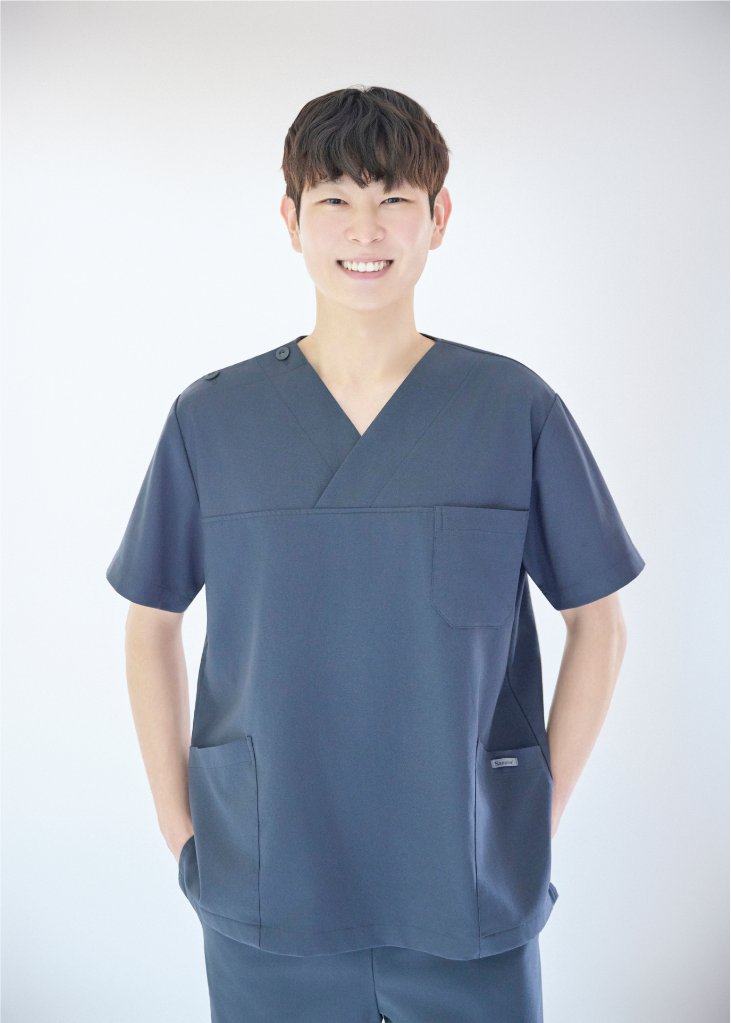
I’m Ha-won Kim from Beauty’s Doctor.
After receiving ONDA lifting,
you naturally find yourself looking closely in the mirror that same day.
The jawline may seem slightly more defined,
but if it looks similar again the next day,
you may wonder:
“Have the effects of ONDA lifting already disappeared?”
“When does the change normally begin?”
It can be confusing.
However,
immediately after the procedure, the heat response and swelling,
along with your hydration status,
can all affect the appearance,
so it is too early to judge the result based only on how you look that day.
The duration of ONDA lifting results
is not set at the same number of months
for everyone.
It is influenced by your existing amount of fat, skin elasticity, the treatment area,
changes in body weight, and how things progress afterward.
- When can you check the effects of ONDA lifting?

ONDA works by delivering microwave energy
to the tissue beneath the skin.
It is often considered for areas such as
a double chin or jawline,
where both fat and reduced elasticity may be involved.
Immediately after the procedure,
the facial contours may look different from usual
because of temporary tightening caused by heat,
mild swelling, and changes in hydration.
Therefore, even if the jawline looks slimmer
in a photo taken on the day of treatment,
it is difficult to say that the full final change has appeared.
Conversely, if it looks similar the next day,
it is also too early to conclude that ONDA lifting has had no effect.
Search results commonly state that people begin to notice changes
after about 2–4 weeks,
with the contours gradually becoming more defined
over the course of 1–3 months.
However, the starting point and the degree of noticeable change
may vary depending on the amount of facial fat, skin thickness, and treatment area.
That is why, in the consultation room,
rather than asking only, “How many weeks has it been?”
we also check whether the change is more noticeable from the front or the side,
and which part of the jawline looks different.
- How should you compare changes in the jawline?

The most common mistake when checking the effects of ONDA lifting
is comparing photos taken under different conditions
as before-and-after photos.
Even a slight difference in camera height
can change the shadow beneath the chin and the apparent length of the neck.
The width of the double chin and lower face
can also look different depending on how much you pull your chin in
or how much tension you hold in your mouth.
If possible, take front and both side-view photos
in the same place and lighting.
When taking the photos,
do not raise or pull in your chin excessively,
and try to keep your expression and camera height similar.
It is also helpful to decide in advance
which points you will compare.
From the side,
look at how the boundary extending from the tip of the chin to the neck
appears compared with before.
From the front, observe how heavy the area beneath the chin feels
and how wide the lower face appears.
However, not every cause of a blurred jawline
is related to fat.
When the length and position of the chin, muscle development, and skin laxity
all play a role,
the change that can be expected from an approach focused only on the fat layer
may be different.
Also, a greater number of passes does not necessarily mean
that the effects of ONDA lifting will increase proportionally.
If the treatment is applied uniformly even to areas with little facial fat,
existing hollowness in the cheeks may become more noticeable.
Therefore, it is important to plan the treatment area
by distinguishing between the center of the chin, directly beneath the jawline, and the sides of the cheeks.
- How should you determine how long ONDA lifting results last and when to have the next treatment?

When people ask how long ONDA lifting results last,
many first expect an answer in terms of a certain number of months.
However, maintenance does not mean freezing the appearance of your face
exactly as it is.
Skin aging continues after the procedure,
and if your weight increases or decreases, the fat beneath the chin and facial contours
may change as well.
Therefore, it is more realistic to understand the duration of ONDA lifting results
not as the date on which the effects completely disappear,
but as a reference for deciding when to check your condition again.
Do not decide on your next treatment simply
because a certain number of months has passed.
First, you need to determine whether the reason your jawline looks less defined again
is a change in fat, skin laxity,
or temporary swelling or a change in body weight.
Keeping a record of the date and areas of your previous treatment,
as well as when and what changes you noticed,
can help you decide more specifically during your next consultation
how long the ONDA lifting results have lasted
and what interval to use between treatments.
Rather than pressing or massaging your face forcefully,
it is better to focus on moisturizing
and sun protection.
If pain or a sensation of heat gradually worsens,
or if blisters, discharge,
severe swelling, or abnormal sensations continue,
contact the medical institution where you received the treatment and have your condition checked.
In Closing

Rather than reaching a conclusion about the effects of ONDA lifting
from a single photo taken on the day of treatment,
it is important to observe over time
how the jawline changes under the same conditions.
The duration of ONDA lifting results
is also difficult to explain with one fixed number.
This is because the noticeable duration may vary
depending on the amount of fat, skin elasticity, the treatment area and treatment plan,
and changes in body weight.
During your consultation, instead of simply asking,
“How long will it last?”
also ask what is causing your jawline to look less defined,
which areas should be used as reference points when monitoring your progress,
and what changes you should look for
and when you should return for a follow-up.
Once these three points are clarified,
you can assess the effects and duration of ONDA lifting
somewhat more realistically.

Frequently Asked Questions
Q1. Are the effects of ONDA lifting visible immediately after the procedure?
In some cases, the jawline may feel more defined immediately afterward.
However, heat response and swelling,
along with changes in hydration,
may all be involved,
so it is better to observe the progress for several weeks
rather than regard the immediate appearance as the final change.
Q2. Can I notice a change after just one treatment?
Some people notice a change after a single treatment,
but the degree and timing vary from person to person.
They may differ depending on the existing amount of fat, skin elasticity,
the treatment area, and the extent of treatment.
Q3. How long do ONDA lifting results usually last?
It is difficult to define the duration with one number.
Changes in body weight, the amount of facial fat, and skin condition,
as well as the treatment plan and subsequent progress,
can affect how long the results are noticeable.
Q4. Can I have another treatment right away if the effects feel less noticeable?
Repeating the treatment immediately
simply because the effects feel less noticeable is not recommended.
It is better to determine the next treatment time
after checking what is causing the jawline to look less defined again
and whether the skin has recovered sufficiently.
Thank you for taking the time to read this long post.
This has been Ha-won Kim from Beauty’s Doctor.