Hello.
This is E-pyeonhansesang Dental Clinic.
Many patients visit us with symptoms of sensitivity in their lower teeth. In many cases, they feel discomfort when drinking cold water or brushing their teeth, and sometimes even when they are not doing anything at all. If these symptoms continue, dental health may worsen, so it is important to accurately identify why the teeth are sensitive and to practice appropriate prevention and management methods.
These symptoms can occur for a variety of reasons. Today, let’s take a look at the causes of sensitivity in the lower teeth.
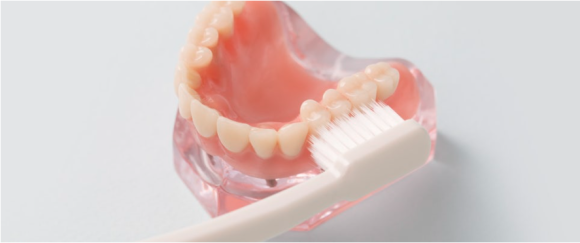
Sensitivity in the lower teeth due to cervical abrasion
If you look at a tooth, there is a boundary between the tooth and the gums. That area is called the cervical region. If this area is worn down significantly, sensitivity in the lower teeth can occur. If cervical abrasion has taken place, you can see that the boundary where the tooth and gum meet has become deeply hollowed out.
The main cause of cervical abrasion is generally poor brushing habits. Some people brush with too much force on the toothbrush to feel refreshed after brushing. However, that refreshed feeling is only temporary, while tooth wear occurs relatively quickly.
Our teeth are protected by a hard material called enamel, which covers the dentin. If brushing is repeated with excessive force, the enamel wears down, and sensitivity may appear in the affected tooth. To treat these symptoms, depending on the extent of the hollowing, the area is usually filled with a material such as resin.
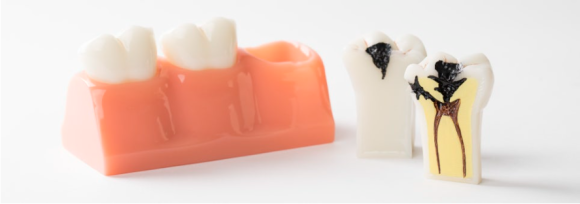
Sensitivity in the lower teeth due to cavities
When a cavity develops in a tooth, it affects not only the tooth where the cavity is present but also the overall condition of the teeth. If the cavity becomes severe, it can stimulate even the internal sensory structures. When these sensory structures are stimulated, symptoms such as sensitivity in the lower teeth occur frequently.
When a cavity forms, the enamel covering the tooth begins to be destroyed by bacteria in the mouth, then the decay penetrates beyond the enamel into the dentin and enters the pulp chamber, where nerves and blood vessels are concentrated. As a result of this process, the pulp collapses and affects the surrounding sensory structures. At this time, tooth sensitivity often appears easily.
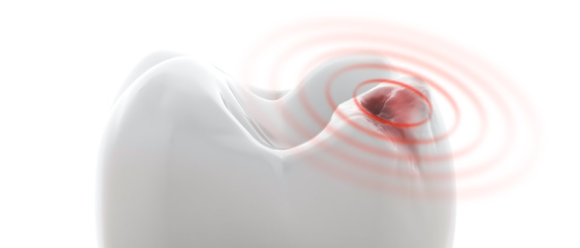
When there is a crack in the tooth
A cracked tooth, also called a crack, can cause sensitivity. This often occurs when chewing hard foods, when a person has a habit of biting their nails, when they frequently eat tough foods such as dried squid or jerky, or when they have poor sleep habits and tend to grind their teeth or clench their jaw.
Ways to recognize a tooth crack include feeling pain when chewing something, or especially feeling sensitivity when drinking cold water. Treatment for a tooth crack includes a crown, or a crown combined with root canal treatment. A crown involves removing the decayed part of the tooth and filling that area with a restorative material, and it is often used after cracks or root canal treatment.

Today, we looked at three causes of sensitivity in the lower teeth. What is the most important point from today’s post? When symptoms appear, it is already a sign that a condition has started, so receiving early treatment to prevent greater discomfort later is important! Just remembering this and taking care of healthy gums and teeth can become a great asset. If you are experiencing sensitivity in your lower teeth, please visit a nearby dental clinic for a diagnosis. Thank you.
| *This post was written by [E-pyeonhansesang Dental Clinic Hwaseok & Gangseo Branch] in compliance with the Medical Advertisement Act for informational purposes. The effectiveness of all treatments may vary depending on the individual’s condition, and side effects may occur, so please consult thoroughly with medical staff before treatment. |