Hello.
This is E-Pyeonhansesang Dental Clinic.
When tooth decay or a fracture occurs, crown treatment is performed to protect the damaged area and restore function. However, if sensitivity or pain continues even after some time has passed since treatment, it is only natural to feel concerned.
You may be wondering, “Why does it still hurt even after getting a crown?” In today’s post, we will look at the causes of crown tooth pain, how to manage it, and what to be careful about.
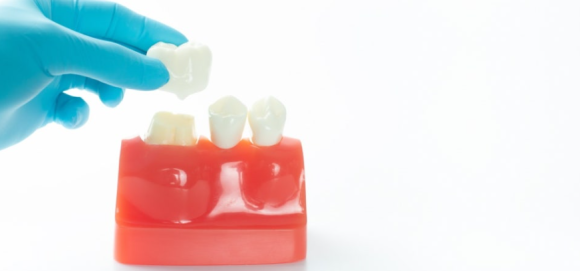
Depending on whether the nerve was removed,
the cause of crown tooth pain differs.
Crown treatment is usually performed by preparing the tooth and covering it with a prosthetic restoration. At this time, the cause of pain can differ depending on whether the nerve of the tooth was preserved or removed. If the tooth was restored while the nerve was left intact, you may feel sensitivity to temperature or a lingering sensitive feeling in the early stage after the procedure.
If this is a temporary reaction, it may improve over time, but if the symptoms persist, it is necessary to check the fit of the restoration and whether there is an issue with the bite (occlusion). On the other hand, even after a crown is placed following root canal treatment, pain may occur due to inflammation around the root tip, residual infection, or poor bonding inside the restoration.

Problems with the bite (occlusion)
One part that is often overlooked in prosthetic treatment is occlusal adjustment. If the position where the crown meets when chewing is higher or lower than the surrounding teeth, excessive force can be concentrated on that tooth, causing crown tooth pain or discomfort.
In severe cases, it can even lead to jaw joint pain or headaches, so if you still feel something unnatural after getting a crown, or if you continue to feel pressure when chewing, it is a good idea to check the bite again.
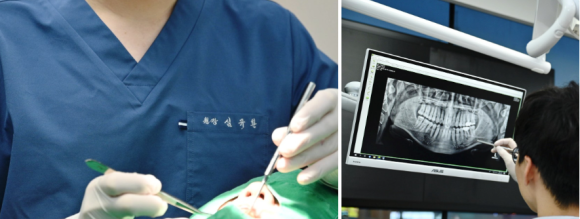
Inflammation of the gum tissue
If the gums around a crowned tooth are swollen, bleed, or feel painful when pressed, it may be due to inflammation or plaque buildup around the restoration.
If the margin of the restoration extends deeply below the gingiva (gum line), brushing becomes more difficult and bacteria can easily accumulate, which may cause gum inflammation or periodontal disease. In this case, not only the restoration itself but also oral hygiene management and gum treatment need to be carried out together for symptoms to improve.

Crown treatment is a way to protect damaged teeth, but if crown tooth pain continues even after treatment, it is necessary to identify the cause accurately rather than simply dismissing it as something that will pass.
Because many factors can affect pain, such as nerve condition, bite problems, restoration fit, and gum health, it is better to visit a dental clinic to identify the cause and receive the necessary treatment rather than self-diagnosing. If crown tooth pain and discomfort continue, please do not endure it—visit a dental clinic to have the condition checked. Thank you.
| *This post was written by [E-Pyeonhansesang Dental Clinic, Hwagok & Gangseo Branch] in compliance with the Medical Advertising Act for informational purposes. The effectiveness of all treatments may vary depending on the individual’s condition, and side effects may occur, so please have a sufficient consultation with a medical professional before treatment. |