Hello.
This is E-Comfort Dental Clinic.
Have you ever felt soreness in your gums after brushing, or noticed in the mirror that the root areas of your teeth seem more visible than usual? Many people say that their “gums have peeled back” or that their “gums seem to have receded,” but in reality, this may be a condition where the gums have receded and the tooth roots are exposed, or where the gum tissue has been damaged.
Even if this type of gum peeling does not seem like a major problem on the surface, it may be a sign that periodontal health is in trouble, so caution is needed. In the early stages, there may be little pain or irritation, so it is easy to leave it alone, but over time it can lead to tooth sensitivity, root cavities, and progression of periodontitis, making early diagnosis and management important.

What are the main causes of gum peeling?
The causes of gum peeling are not limited to just one factor; various factors work together. A representative cause is gum recession (gingival recession). This refers to the gums gradually moving downward, exposing the tooth roots.
Another cause is excessive brushing. If you brush too hard or use a toothbrush with bristles that are too stiff, physical irritation can cause the gums to slowly recede. In addition, if you have periodontitis, inflammation can damage the gums and alveolar bone, causing them to recede. Other possible causes include teeth grinding, orthodontic force, poorly fitted prosthetics, trauma, and aging. In particular, long-term periodontal irritation can also gradually cause the gums to recede.
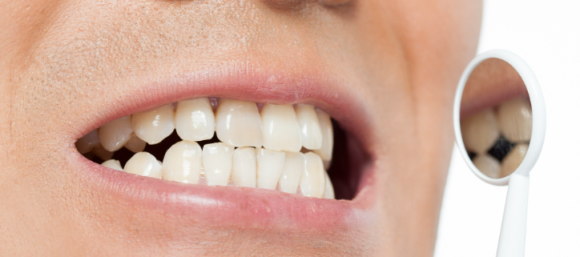
What problems can gum peeling cause?
When the gums recede, the root area of the tooth is exposed to the outside, which can cause sensitivity or pain. Tooth roots are made of dentin rather than enamel, so they are more vulnerable to cavities. Therefore, when the gums recede, the risk of tooth decay also increases.
Also, because the root area is difficult to brush and food debris or bacteria can easily get trapped there, if it is not properly managed, gum inflammation can worsen and lead to tooth mobility. In severe cases, it may become difficult to preserve the tooth and extraction may be necessary, so even if the symptoms are mild, appropriate treatment and care are needed.

How should gum peeling be managed?
First, it is a good idea to review your brushing habits. Use a soft toothbrush and brush in a gentle sweeping motion from the direction of the gums rather than scrubbing hard. Also, if your gums frequently swell or bleed, you should check whether you have periodontal disease, and if necessary, early periodontal treatment such as scaling can be performed.
If gum recession has progressed or aesthetic restoration is needed, treatments to rebuild the gums, such as gum grafting, may be considered. However, since this is not a treatment that can be applied in all cases, it is best to decide after an accurate diagnosis of the gum condition and its cause.

Symptoms of gum peeling are not just a simple change in appearance; they can lead to issues directly connected to the structure and health of the mouth. If your gums seem to have receded more than before, or if sensitivity and discomfort keep recurring, it is a good idea to visit a dental clinic to check whether it is simply a matter of daily habits or the beginning of periodontal disease. Thank you.
| *This post was written by [E-Comfort Dental Clinic Hwajeok & Gangseo Branch] for informational purposes in compliance with the Medical Advertising Act. The effectiveness of all treatments may vary depending on the individual’s condition, and side effects may occur, so please have a thorough consultation with the medical staff before treatment. |