Hello.
This is E-pyeonhan Sesang Dental Clinic.
If a molar you normally use without any discomfort suddenly starts to feel slightly loose or shaky, it is only natural to feel startled and worried. Many people search before coming to the dentist, asking, “Is it going to fall out?” “Will it get better if I just leave it alone?”
Because molars play a central role in chewing, if you experience the symptom of a loose molar, it is important to identify the cause and take appropriate action. Today, we will explain what may cause a molar to feel loose and how to respond.

My molar is loose,
and it may not be a problem with the tooth itself!
When people think of a loose tooth, they often think only of cavities or trauma. In fact, molar looseness is often caused not by the tooth itself, but by problems with the gums (periodontal tissue) and bone (alveolar bone) that support the area around it.
The most common cause is periodontitis. In the early stages, it starts as simple gum inflammation, but if the inflammation spreads to the root area, the jawbone is resorbed and the support that holds the tooth in place becomes weaker. As a result, the molar becomes loose, and in severe cases, pain when chewing or gum bleeding may also occur.
In addition, if continuous excessive force is concentrated on a specific molar due to teeth grinding, clenching, or ill-fitting prosthetics, the periodontal tissue can be damaged, and an imbalanced bite can also be the cause. Various factors such as trauma, inflammation around the root, or aftereffects of previous treatment may act together.
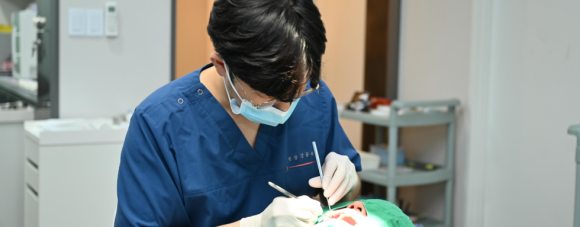
My molar is loose,
it is necessary to check whether it is temporary or ongoing.
Sometimes a molar may feel slightly loose, then return to normal after a few days. In such cases, it may have been caused by temporary swelling or irritation in the gums. However, if the looseness continues or seems to be getting worse, there is a high chance that there is a structural problem in the periodontal tissue.
When periodontitis has progressed significantly, the gum bone supporting the root can be lost, making recovery difficult. In such cases, a simple scaling procedure will not solve the problem, and gum surgery, or in some cases extraction and implant treatment, may need to be considered.
On the other hand, if it is still in an early stage, proper care may stop the looseness and restore periodontal health. Therefore, rather than simply thinking, “It doesn’t hurt, so it must be fine,” it is important to check whether the looseness is continuing and whether there are other abnormal signs such as bleeding, sensitivity, or pus.
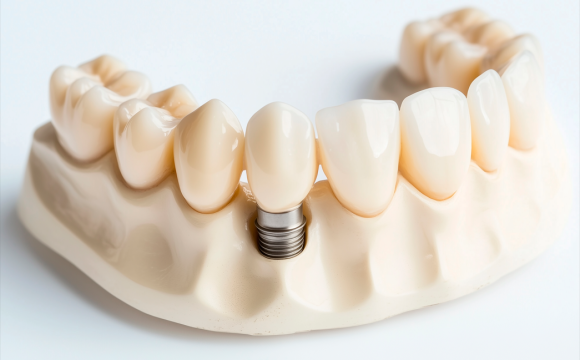
My molar is loose,
how should it be managed and treated?
First, you should visit the dental clinic to receive a diagnosis of where the cause of the looseness is coming from. It is necessary to determine whether it is simply gingivitis, advanced periodontitis, a bite problem, or another hidden cause.
Depending on the findings, the treatment plan may include scaling, gum care, periodontal treatment, and if necessary, extraction followed by implants. Above all, early response is important. If you seek treatment when the tooth is only slightly loose, simple treatment may be enough for recovery, but as time passes, damage to the jawbone may worsen and it may become difficult to keep the tooth. If you notice anything unusual with a molar, it is important to get a prompt diagnosis.
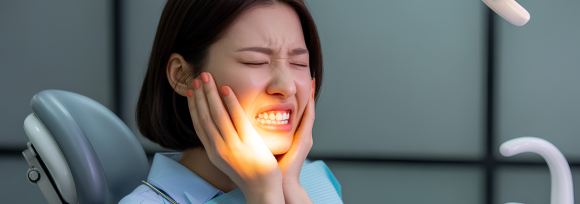
A molar is not just one tooth; it is the core of the entire chewing function. If you currently have the symptom of a loose molar, it is important not to leave it unattended, but to find a way to keep the tooth for as long as possible through an accurate diagnosis. With regular gum care and proper lifestyle habits, you can protect healthy molars, so please do not miss even the small warning signs. Thank you.
| *This post was written by [E-pyeonhan Sesang Dental Clinic, Hwajeok & Gangseo Branch] in compliance with the Medical Advertising Act for informational purposes. The effects of all treatments may vary depending on the individual’s condition, and side effects may occur, so please have sufficient consultation with medical staff before treatment. |