Hello.
This is E-Comfort Dental Clinic.
Have you ever felt a tooth wobble while brushing, or noticed a specific tooth seeming to shake slightly when chewing hard food? Loose teeth can be more than just uncomfortable; they may be a sign that there is a problem with the bone that supports the gums and teeth.
Many people tend to think of it as less serious than tooth decay, but the most common cause of loose teeth in adults is periodontal disease, commonly called gum disease. Periodontal disease often has almost no noticeable symptoms at first, so it is easy to leave untreated. However, if it is not detected and treated early, the bone that supports the teeth (alveolar bone) gradually deteriorates, eventually leading to loose teeth.
Today, we will explain why loose teeth are related to periodontal disease and how to respond.

The cause of loose teeth
is periodontal disease.
Periodontal disease is not simply inflammation of the gums. It is a chronic inflammatory disease that affects the alveolar bone deep inside the gums. Bacteria in the mouth turn into plaque and tartar, causing inflammation around the gums. As this inflammation gradually deepens, the bone inside the gums begins to dissolve and the teeth start to loosen.
In particular, there are often no obvious pain or symptoms in the early stages, so patients may not realize it themselves. By the time a tooth feels loose, it may mean that the gum bone has already weakened significantly. That is why, if you notice looseness, it is best to get a detailed examination at a dental clinic right away.
Periodontal disease,
scaling alone may not be enough.
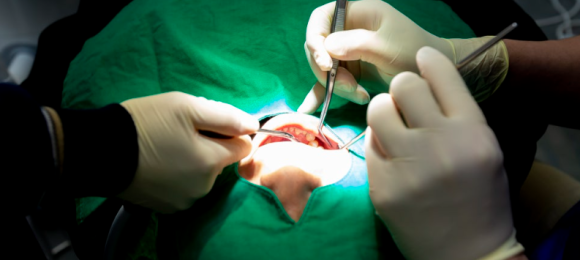
Many people think of scaling when they hear periodontal disease treatment, but periodontitis that has already progressed to loose teeth may not be treated adequately with scaling alone. In such cases, treatment may require periodontal curettage or gum surgery to remove not only tartar but also deep inflammatory tissue inside the gums.
Also, since loose teeth mean that the structure holding the teeth in place has weakened, the loose tooth may be temporarily splinted and stabilized if necessary, or regenerative treatment may be performed to help the alveolar bone recover. Regular care after treatment is very important, and to prevent recurrence, it is essential to improve daily brushing habits and maintain good oral hygiene.
Proper gum care in daily life is important!
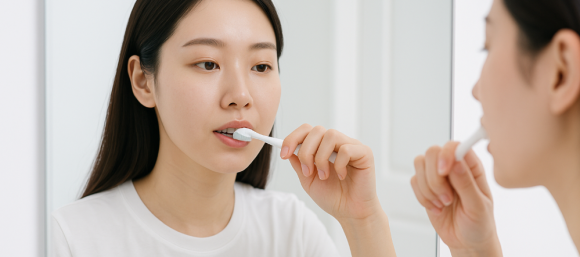
To prevent loose teeth and stop existing periodontal disease from getting worse, proper gum care habits are important. The most basic and important method is correct brushing habits.
If food debris or plaque caught between the teeth and gums is not properly removed, bacteria can cause inflammation and, over time, may damage even the gum bone. For brushing tips to help prevent periodontal disease, the Bass method is recommended: tilt the toothbrush at a 45-degree angle to the boundary between the teeth and gums and brush gently. For areas that the toothbrush cannot reach, it is best to carefully clean them with interdental brushes or dental floss.
Regular scaling and gum checkups are also important. Deep inflammation inside the gums is difficult to notice on your own, so getting a regular checkup at least once or twice a year to assess gum health can help you maintain healthy teeth in the long term.
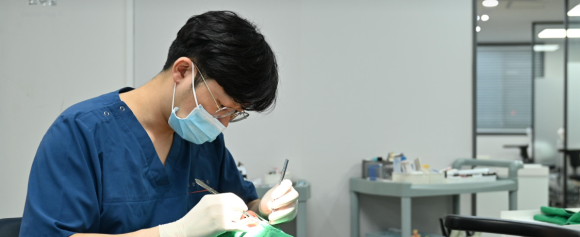
The symptom of loose teeth should never be taken lightly. In particular, if the cause is periodontal disease, the longer it is left untreated, the more alveolar bone loss may progress and the harder recovery may become. If, recently, a specific tooth has been looser than before, if your gums bleed after brushing, or if bad breath has gotten worse, it is a good idea to suspect the possibility that periodontal disease has begun. Thank you.
| *This post was written by [E-Comfort Dental Clinic Hawgok & Gangseo Branch] in compliance with the Medical Advertisement Act for informational purposes. The effects of all treatments may vary depending on individual conditions, and side effects may occur, so please have a thorough consultation with the medical staff before treatment. |