Hello, this is I-Pyeonhan Sesang Dental Clinic.
Many people do not visit the dentist until a problem develops with their teeth.
It is common to go to the dentist when there is pain or a noticeable inconvenience.
However, most oral diseases do not show symptoms until they have progressed quite far, so by the time you visit because of discomfort, you may already have missed the best time for treatment.
For this reason, we say oral examinations are important.
Today, we will take a look at oral examinations, which can help prevent many oral diseases and keep your teeth and gums healthy.
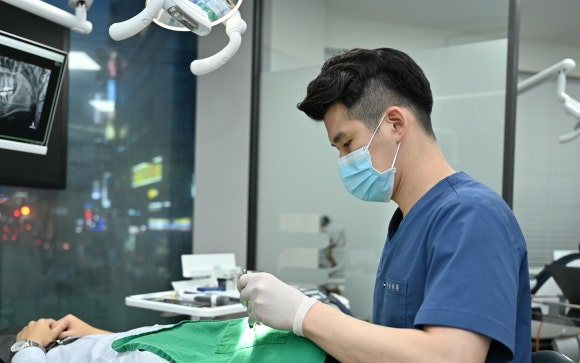
Oral examinations are not just a simple checkup.
Gangseo-gu Weekend Dental Clinic
Many people think of an oral examination as just another routine check.
So when they are busy or feel bothered, they may put it off.
An oral examination is not simply a check of the teeth.
It is a comprehensive assessment of the overall condition of the entire mouth, including not only the teeth but also the gums, tongue, mucosa, and temporomandibular joint.
Just as you receive regular health checkups, it is important to have regular oral examinations as well to help prevent oral diseases early.
In particular, in the case of cavities and periodontal disease, there are often no clear symptoms in the early stages, making them hard to notice.
However, by combining panoramic X-rays and a clinical examination (palpation) during an oral examination, even small, invisible problems can be detected early.
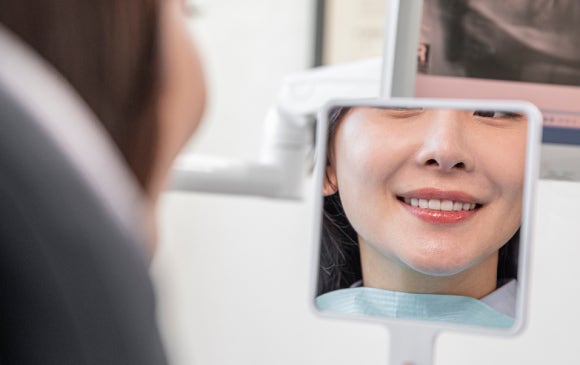
Oral examinations are important in these ways.
Gangseo-gu Weekend Dental Clinic
The benefit of an oral examination is early detection.
The biggest advantage is that hidden problems can be found early through an oral examination.
Let’s take cavities as an example.
In the early stages, cavities usually cause almost no symptoms.
They also may not look like a major problem to the eye.
But if early cavities are missed, they can progress quickly and damage the pulp, which may lead to root canal treatment or even extraction.

The same is true for gum disease (periodontal disease).
Early gum disease may improve with simple scaling or basic care alone.
However, in moderate to advanced gum disease, where inflammation has spread below the gums, gum treatment is needed, and in the worst case, periodontitis can lead to tooth loss.
In this respect, oral examinations are not just for finding disease, but are essential for maintaining oral health.
If you receive regular oral examinations, you can catch small problems early, reduce the extent of treatment needed, and even ease the burden and cost for patients.
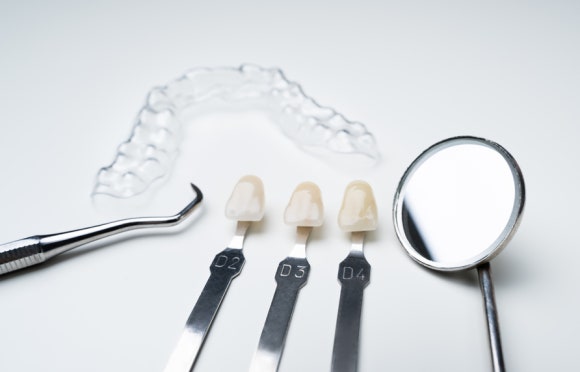
Oral examinations and lifestyle management are important.
Gangseo-gu Weekend Dental Clinic
There is a common idea that dental treatment is painful.
An oral examination is what helps reduce that inconvenience.
The treatments that patients often describe as uncomfortable are usually those performed after a disease has already progressed to some extent.
Examples include root canal treatment, gum treatment, and implants.
Therefore, to avoid these uncomfortable treatments, it is most important to have regular oral examinations and address problems appropriately before they grow larger.
That is why we recommend visiting the dentist for an examination once every 6 months to 1 year.
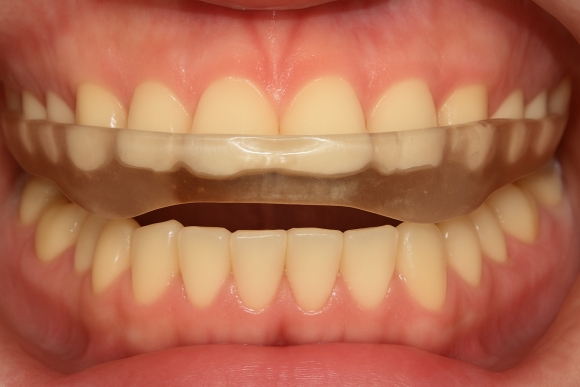
Along with regular oral examinations, improving your lifestyle habits is also important.
When you learn about your current oral condition through an examination, you can reflect on unhealthy habits.
For example, if you frequently eat sweets and cavities develop easily, or if you grind your teeth or clench them tightly and develop cervical abrasion, you should review the bad habits that may be causing oral disease.
If there are unhealthy habits that affect your teeth or gums, it is important to improve them, and if necessary, receive dental treatment.
For example, people who grind their teeth severely while sleeping can be treated in advance with a splint to prevent damage to the teeth.
Once teeth are damaged, they are difficult to naturally recover.
Therefore, preventing damage from the beginning is what matters most.
I want to say that the dentist is not a place you visit when you are in pain, but a place where you go for preventive checkups so that you do not become painful.
An oral examination takes about 30 minutes.
This short amount of time can extend the lifespan of your teeth by several years, or even several decades.
So I hope you maintain healthy teeth and gums through regular oral examinations.
Thank you.