Hello.
This is E-pyeonhan Sesang Dental Clinic.
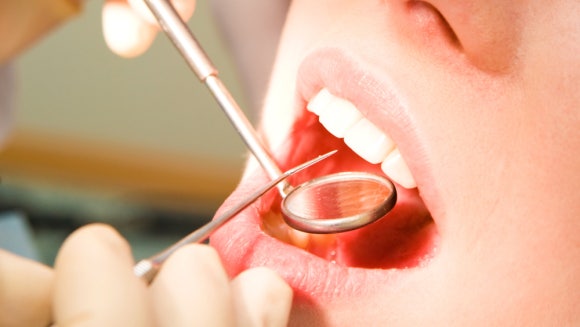
After receiving gum treatment,
many people ask, “When can I drink alcohol again?” ^^
I have often emphasized on this blog that
post-treatment care can greatly affect the outcome,
just as much as the treatment itself.
In that sense, today I’d like to look at
why drinking alcohol after gum treatment is not a good idea
and what effects it can actually have.
The recovery process after gum treatment is more delicate than you might think.
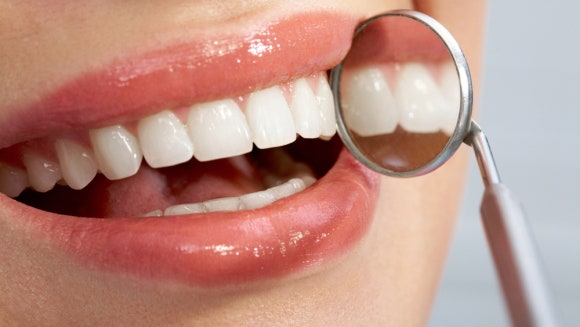
Gum treatment sometimes ends with something as simple as scaling,
but in many cases it also includes treatment to remove inflammation and tartar
deposited deep inside the gums.
When you undergo gum treatment, the gum tissue is damaged
and small wounds are created.
These wounds heal naturally over time,
but they need a stable environment for recovery.
Inflammation must decrease, the tissue must reattach,
and the blood vessels must recover in sequence.
If this process is disrupted, the treatment effect may be reduced,
or the inflammation may worsen again.
That is why, for a certain period after gum treatment,
we ask patients to pay a little more attention to their lifestyle habits.
Among them, drinking alcohol is a factor that has a surprisingly large impact.
Why drinking alcohol after gum treatment interferes with recovery
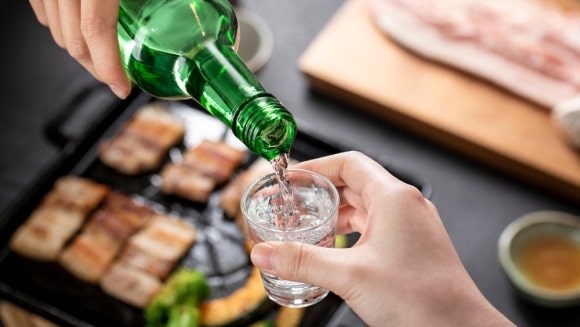
When we say alcohol is not good after gum treatment,
many people simply think, “Well, alcohol is bad for the body anyway,”
but in fact, there are several physiological reasons.
First, alcohol causes blood vessels to widen.
When blood flow to the gums increases because of dilated blood vessels,
bleeding can occur more easily.
Right after gum treatment, hemostasis is not yet fully stabilized,
so if you drink alcohol, bleeding may last longer
or blood that had stopped may start again.
Another important point is that
alcohol can worsen the inflammatory response.
Gum treatment is the process of removing inflammation that is already present,
but drinking can stimulate that inflammatory response again during recovery.
As a result, swelling and pain may last longer
or recovery may be delayed.
And the most easily overlooked part is immunity.
When you drink alcohol, immune function temporarily declines.
Because the gums are tissue that is highly sensitive to bacteria,
when immunity is lowered, bacteria can multiply again more easily.
Extra caution is needed if you are taking medication.
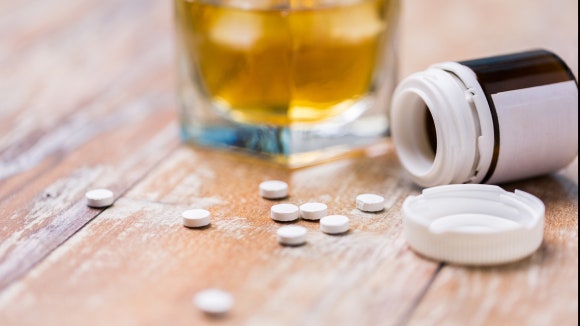
After gum treatment, it is common to be prescribed antibiotics or anti-inflammatory painkillers.
In this case, alcohol must definitely be avoided.
This is because when antibiotics and alcohol interact,
the medication may not work properly
or it may place a burden on the liver.
For some medications, when combined with alcohol,
they can also cause side effects such as dizziness, vomiting, and increased heart rate.
Painkillers are similar as well.
If alcohol is taken together with medications that can strain the stomach,
the likelihood of symptoms such as stomach burning or gastritis also increases.
So if you are taking medication,
it is best to refrain from drinking alcohol even more carefully.
One drink may not cause an immediate major problem,
but it can definitely be a burden on gums that are recovering.
In particular, for a few days right after gum treatment,
it is an important period that affects the treatment outcome,
so we ask that you pay a little extra attention during this time. ^^
What matters more than treatment is maintenance.
One to two days without alcohol can make a meaningful difference
when maintaining gum health.
I hope today’s post helped you better understand
drinking alcohol after gum treatment and how to care for your gums.
This has been E-pyeonhan Sesang Dental Clinic.
Thank you.