Are Screws Placed in the Gums During Orthodontic Treatment?
Do You Know What Orthodontic Screws Are?
Hello.
This is E-Pyeonhan Sesang Dental Clinic, Hwagok Branch.
Have you ever started orthodontic treatment, looked in the mirror,
noticed something resembling a small screw near your gums,
and been surprised, wondering, “What is that?”
Or perhaps, during an orthodontic consultation,
you heard a member of the medical staff say,
“We will place a screw-like device called an orthodontic screw.”
and immediately became worried, thinking,
“Do I really have to have a screw put into my gums?!”
In fact, orthodontic screws
are very small auxiliary devices used
to improve the precision of orthodontic treatment. ^^
We will explain, one by one and in an easy-to-understand way,
exactly what orthodontic screws do and why they are needed.
What Are Orthodontic Screws?
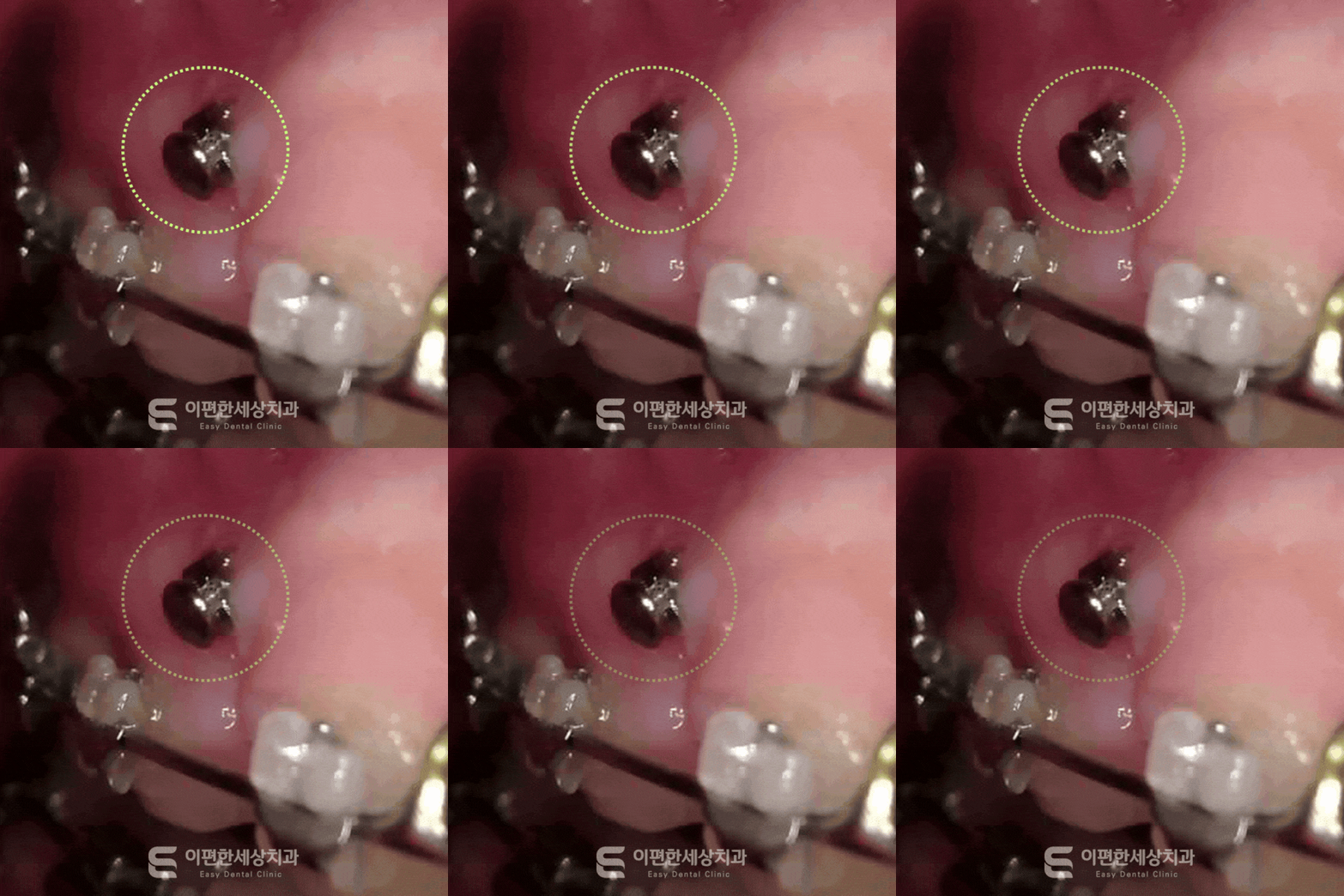
An orthodontic screw
is a titanium screw that serves as a reference point
when moving teeth in the desired direction.
Let us explain what this reference point means
with an example.
| Suppose you need to push a heavy sofa toward the back of a room. If the person pushing the sofa can keep their balance firmly on the floor, the sofa can be moved easily in the desired direction. But what happens if the person pushing the sofa keeps slipping on the floor? The sofa will not move as far as desired, and a great deal of effort will be required. |
Orthodontic treatment works according to a similar principle.
When force is applied to move the front teeth backward,
the back molars also receive a force
that tends to move them forward as a reaction.
If the back teeth move along with the front teeth
when you intended to move only the front teeth backward,
it becomes difficult to move the teeth as much as desired.
At this point, an orthodontic screw serves as a firm anchorage point.
Put simply, it is like creating a strong, non-slipping post
and pulling the front teeth backward using that post as a reference.
This helps reduce unnecessary movement of the molars
and allows the desired teeth to be moved more precisely.
When Are Orthodontic Screws Used?
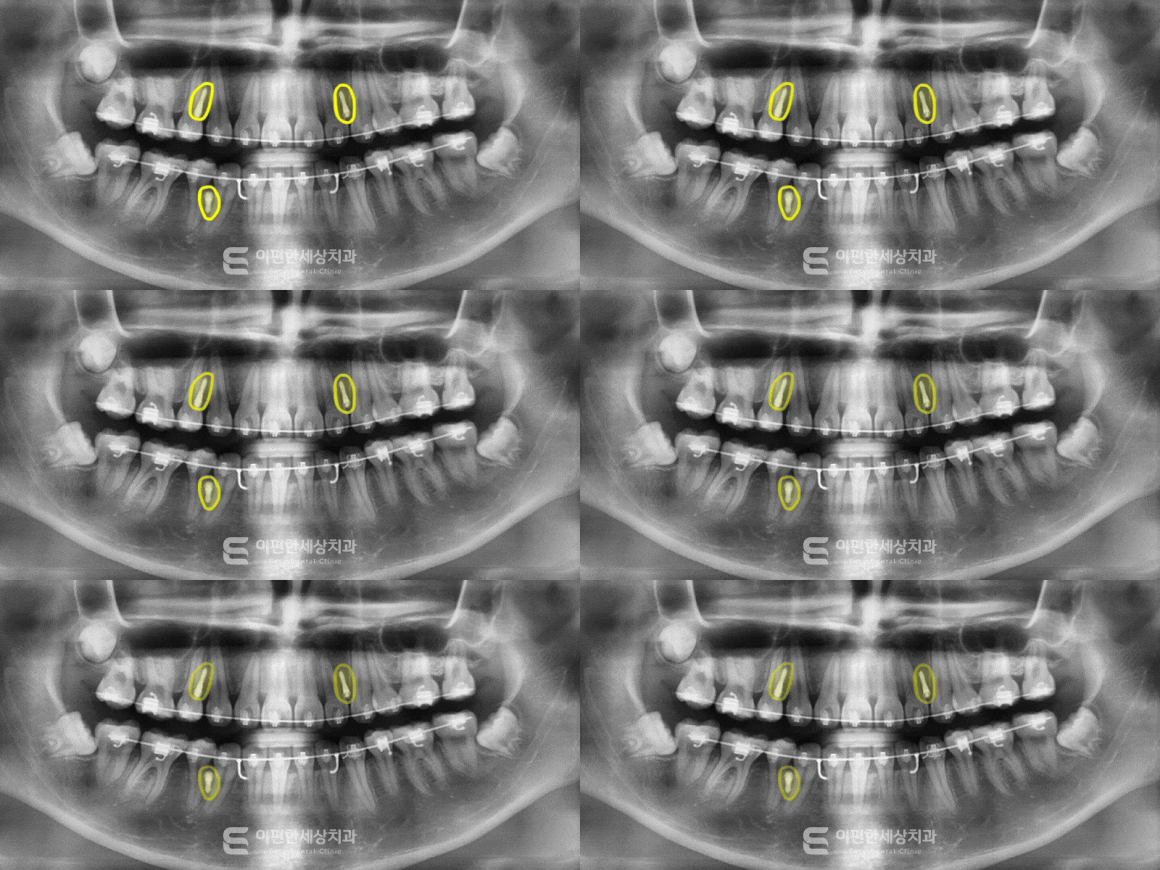
They are used in more situations than you might expect.
The most representative case is the treatment of protruding teeth.
When the front teeth need to be moved sufficiently backward,
strong anchorage is needed,
and screws can be very helpful in this situation.
They may also be used
when there is severe crowding
or when the teeth need to be moved a considerable distance.
They can also serve as an effective reference point for precise treatment
when the bite between the upper and lower teeth needs to be adjusted,
or when just one crooked tooth needs to be moved selectively.
Can an Orthodontic Screw Fall Out?
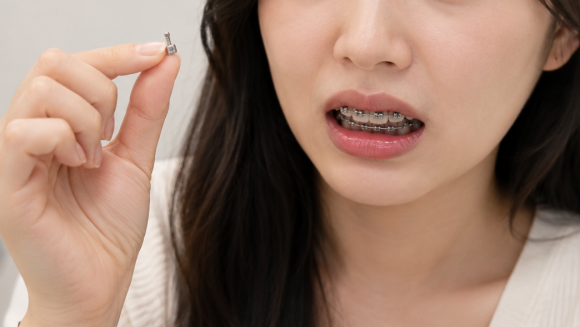
It is possible.
The placement of an orthodontic screw is different in concept
from that of an implant, which fuses with the bone.
Because its purpose is to support orthodontic forces stably
only during the orthodontic treatment period,
it may become loose or fall out if it is not properly cared for.
If strong force is applied immediately after the procedure,
if inflammation develops around the placement site because brushing was inadequate,
or if the patient’s bone condition does not provide sufficient stability,
there is a possibility that the screw may come out.
However, even in these cases, treatment can usually continue
by placing another screw in a different location,
so there is no need to be overly concerned.
Once orthodontic treatment is complete, or when the screw is no longer needed,
the dental clinic will remove it.
The removal process is also generally simple and takes only a short time.
After removal, a small hole may be visible at the placement site,
but it usually heals naturally over time,
so you do not need to worry too much about this either. ^^
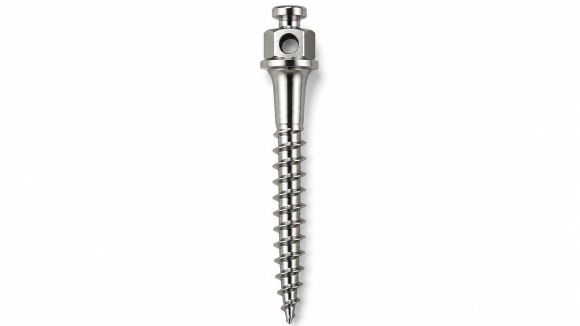
Orthodontic screws
are not necessary for every orthodontic patient,
and whether they are used is determined according to the treatment plan.
During consultations, some people worry that
having a screw placed in the gums might be similar to getting an implant,
while others worry that a noticeable hole might remain after the screw is removed.
After the principles and purpose are explained sufficiently,
however, many patients feel reassured. ^^
Vague fears about treatment
are often significantly eased once accurate information is available.
With that in mind, we hope today’s post
will be helpful to those who have been curious about orthodontic screws.
This has been E-Pyeonhan Sesang Dental Clinic, Hwagok Branch.
Thank you for reading today.