Hello, this is Smile Studio Dental Clinic.
“I'm looking into orthodontics, but there are so many types of braces and it's confusing.” “The methods recommended by different clinics are all different, so I don't know which orthodontic treatment is right for me.”
Many people come in with these concerns when they receive a consultation at a clinic.
Because there are many different orthodontic methods and each clinic may have different treatment standards, you may feel unsure even before starting treatment.
Today, for those of you considering orthodontics, we will explain in detail what the most representative orthodontic method, “bracket orthodontics,” is, and how to choose the right orthodontic appliance for you.
If you clearly understand the differences between each type of orthodontic treatment before going to a dental consultation, you will be able to make the most suitable choice even among many options.
What is bracket orthodontics?
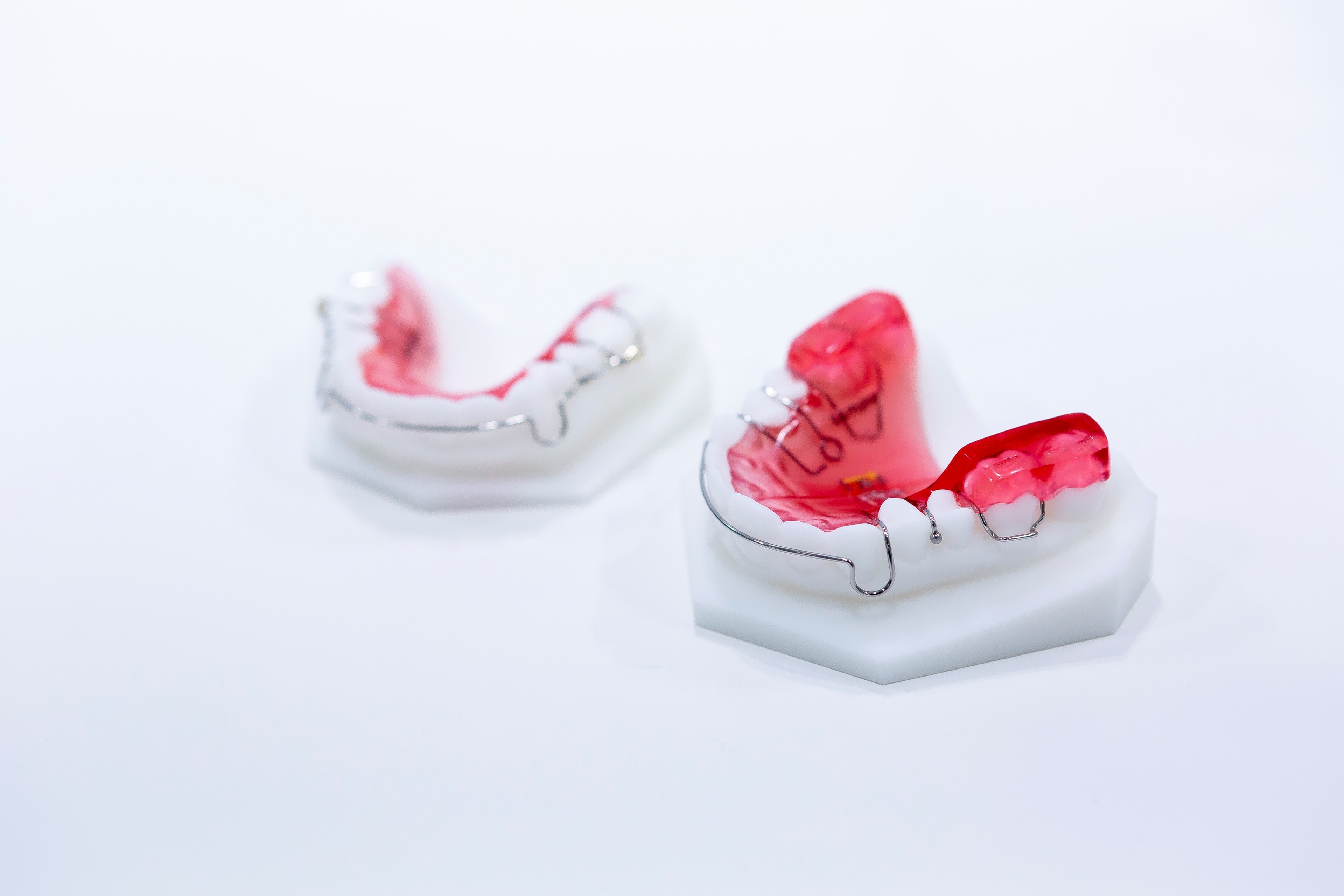
Among various orthodontic methods, this is the most common type of dental correction. It can be performed in cases of severe malocclusion or uneven tooth alignment.
The basic principle is to gradually move the teeth using brackets attached to the tooth surface and arch wires that connect them.
The arch wire adjusts the position of the teeth, and the brackets hold the wire securely in place.
Using this principle, the teeth are slowly moved into their ideal positions.
3 types of bracket orthodontics
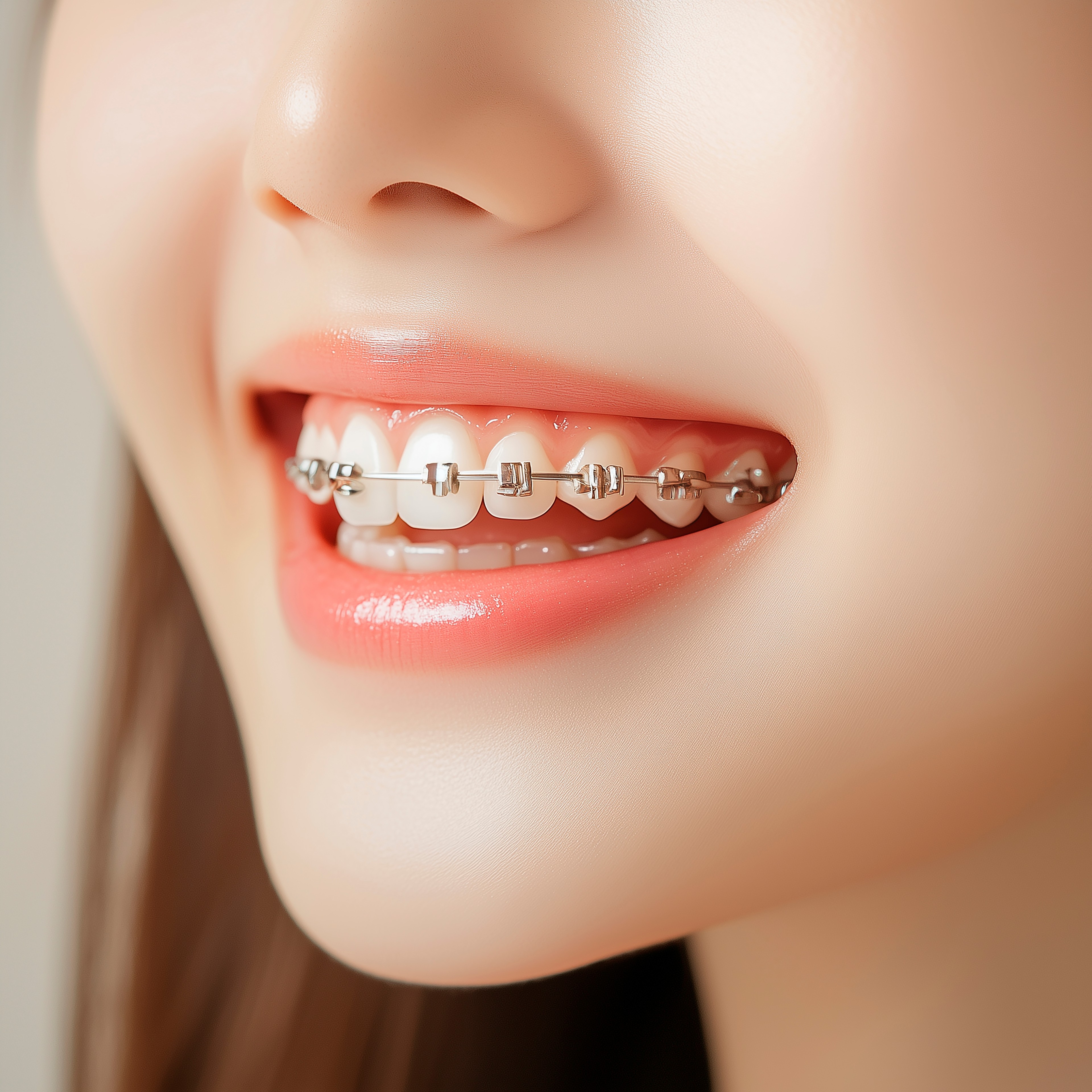
Depending on the materials used, the attachment location, and aesthetic factors, they are divided into metal brackets, ceramic brackets, and lingual brackets.
✅ Metal brackets
Metal brackets are the most traditional and common orthodontic appliance. Small devices made of metal materials such as stainless steel are attached to the teeth to apply orthodontic force.
Because they are made of metal, they are highly durable and can maintain a consistent orthodontic force. They also have the advantage of offering relatively affordable treatment and can produce faster orthodontic effects.
However, because they are easy to see, they may be burdensome for students or office workers who care about appearance, and metal parts can irritate the inside of the mouth or cause sores.
They can also trap food easily, which may cause discomfort while eating.
✅ Ceramic brackets
These brackets are made of ceramic or nonmetal materials and perform the same function as metal brackets.
They are transparent or similar in color to the teeth, making them highly aesthetic and comfortable for both students and adults to use.
Their smooth surface causes less irritation inside the mouth and provides a relatively comfortable wearing experience.
However, they tend to be more expensive than metal brackets, and they may discolor due to food or drinks.
✅ Lingual brackets
Lingual brackets are attached to the inside of the teeth (the tongue side), and their defining feature is that the appliance is not visible from the outside.
They are preferred by people who value appearance because they do not show, but they can cause discomfort or sores due to constant contact with the tongue.


What is the orthodontic treatment process?
Before starting orthodontic treatment, a consultation and detailed examination are first performed to evaluate the condition of the teeth and bite.
During this process, X-rays, 3D scans, and other tools are used to accurately analyze the areas that need orthodontic treatment and establish a treatment plan.
After that, the type of orthodontic treatment and brackets are selected based on the patient's dental condition and needs, and treatment begins.
During the treatment period, patients usually visit every 4 to 6 weeks for appliance adjustments. The total treatment period is on average between 1 and 3 years, but it may vary depending on the individual's condition.
Once treatment is complete, a retainer must be worn to prevent the teeth from moving back to their original position.

If you're considering orthodontic treatment
Orthodontic treatment is not simply about moving the teeth; it must be carried out with consideration for the harmony between the jawbone and the teeth, so the rich experience and knowledge of a specialist are essential.
Therefore, if you are considering orthodontic treatment, it is important to receive a consultation at a clinic specializing in orthodontics.
Today, we looked at the types of bracket orthodontics and their advantages and disadvantages.
Orthodontic treatment is a process that takes time, but starting at an early stage can help with long-term dental health.
Based on a sufficient understanding of the types of orthodontic treatment and the treatment plan, we hope you will make the best choice together with the medical staff.
Thank you.