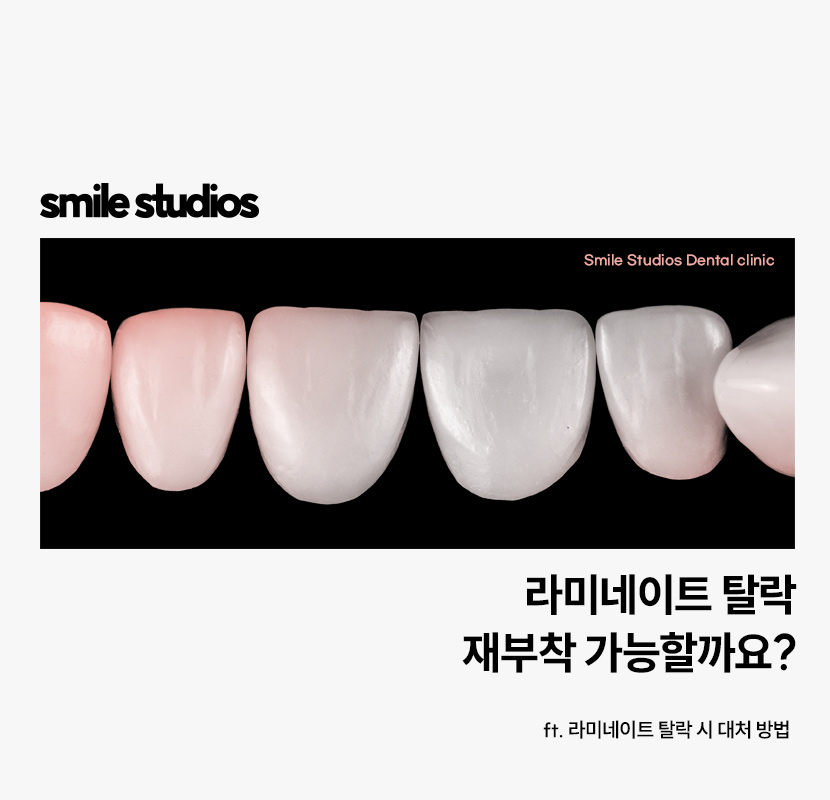
Many people probably know that a bright smile has a big impact on first impressions.
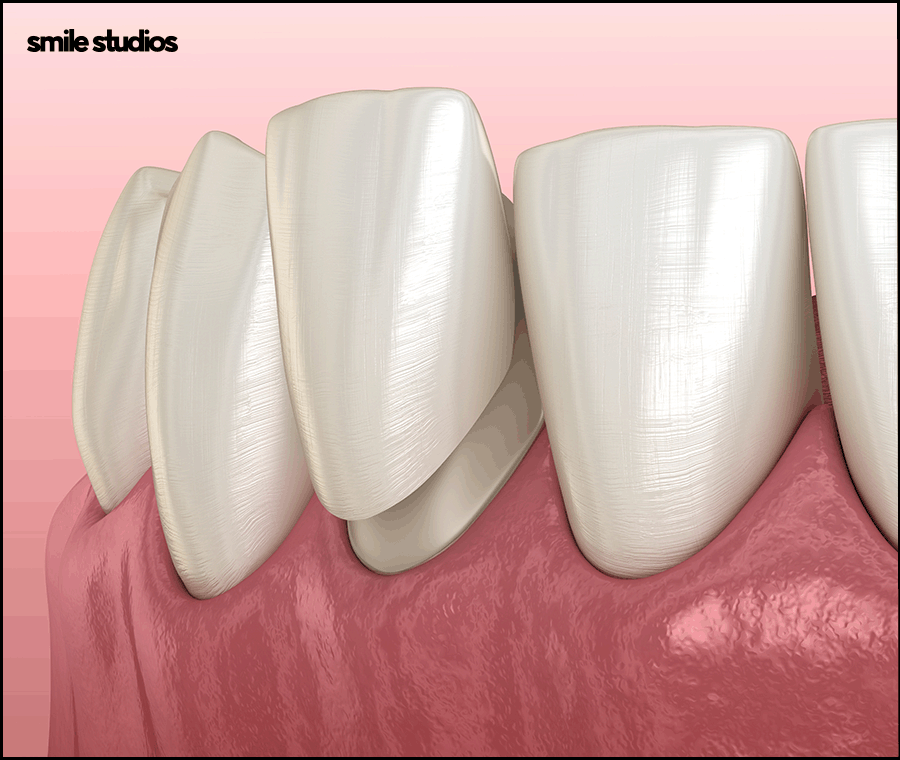
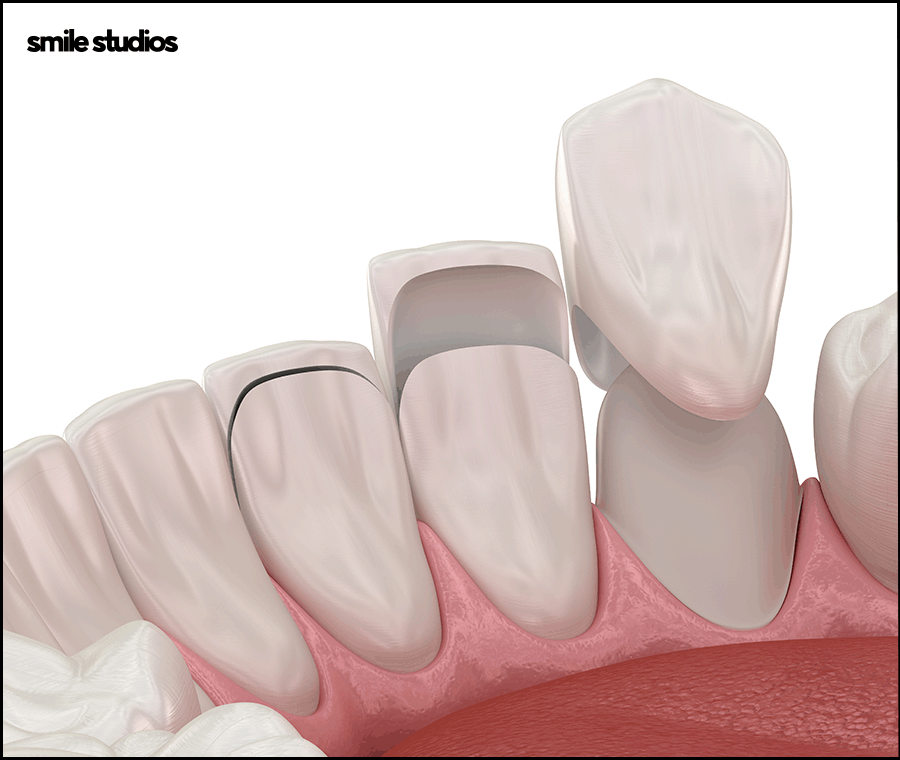
If there is a problem with your teeth, smiling can become a source of stress, so some people choose to make a change with a Lumineer procedure.
However, if a Lumineer suddenly comes off, it would be very upsetting.
When such an unexpected situation happens, how should you respond? And can it be used again?
Reasons it suddenly comes off
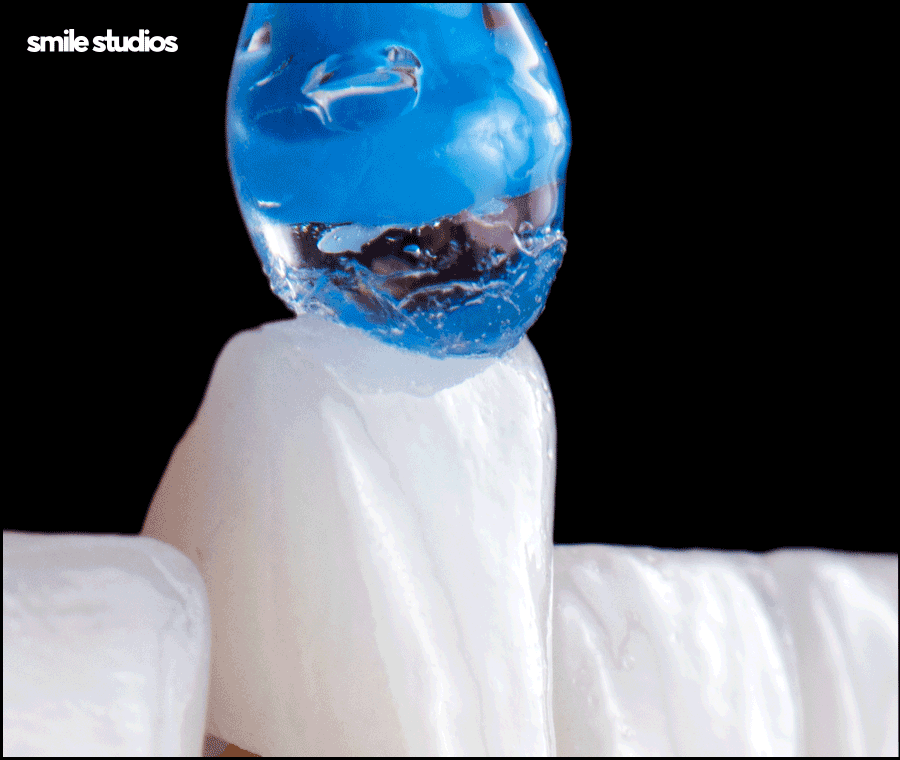
First, if the surface treatment of the tooth, the use of adhesive, or moisture control during the procedure is not carried out perfectly, the bonding strength may weaken and it can come off.
It may also be damaged or dislodged by a strong impact from a sudden accident.
Some people may also have the habit of biting or tearing very hard or chewy foods.
Habits such as biting nails or other objects, teeth grinding, and clenching can also place a heavy burden on the restoration and cause it to come off.
It can also come off when the bonding surface becomes unstable, such as when decay develops inside the treated tooth or the position changes due to gum disease.
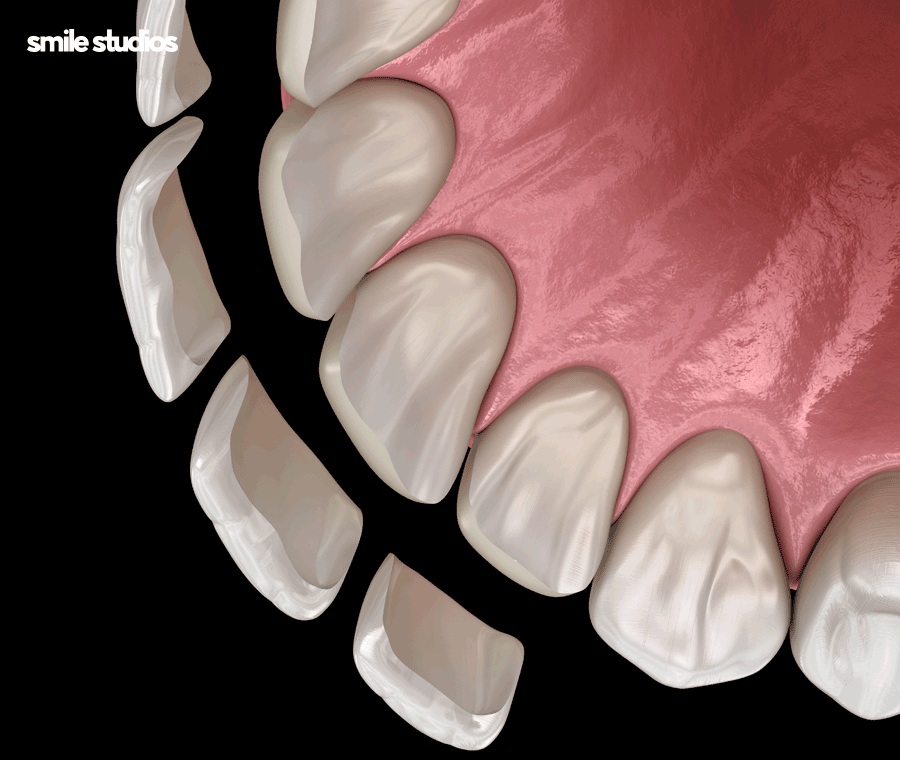
Even aside from these causes, a prosthetic restoration cannot be used permanently.
Over time, the strength of the adhesive decreases, and Lumineer detachment can occur naturally.
Can it be reattached?
- Cases where reuse is possible
If it has not broken or cracked and has come off cleanly in its original shape without severe damage, the chances of reuse are high.
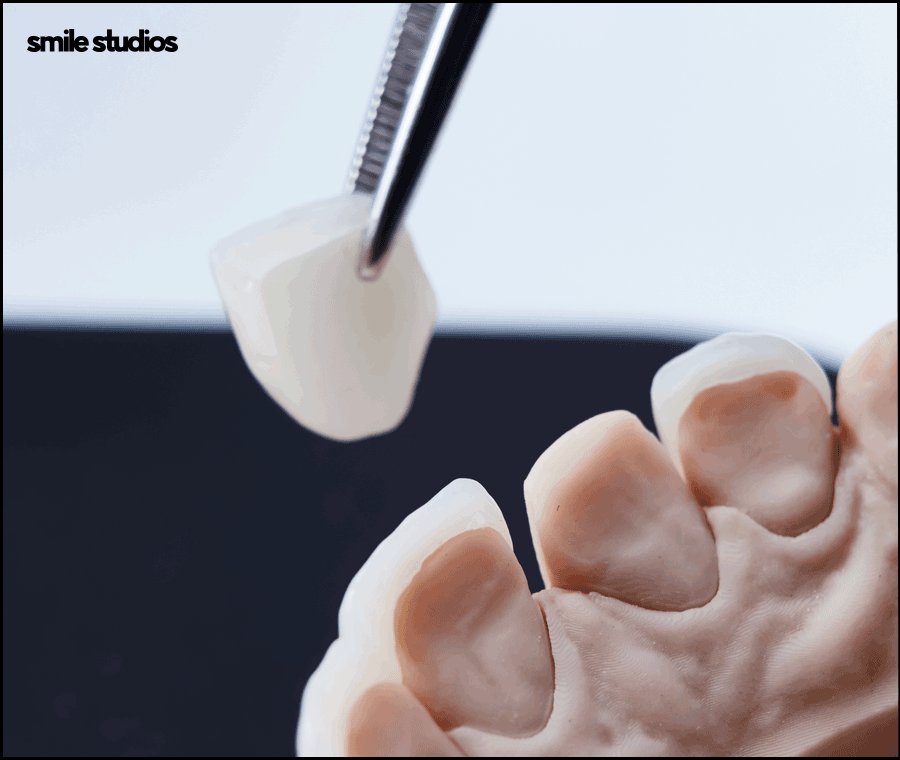
In addition, there should be no decay inside the permanent tooth, and the tooth must be in a healthy, undamaged state.
If it came off simply because the bonding strength weakened, reattachment can be expected.
- Cases where remaking is necessary
If it came off after breaking or being damaged, it will be difficult to reuse, and a new one will need to be made.
If there is a condition such as decay, treatment must be performed first.
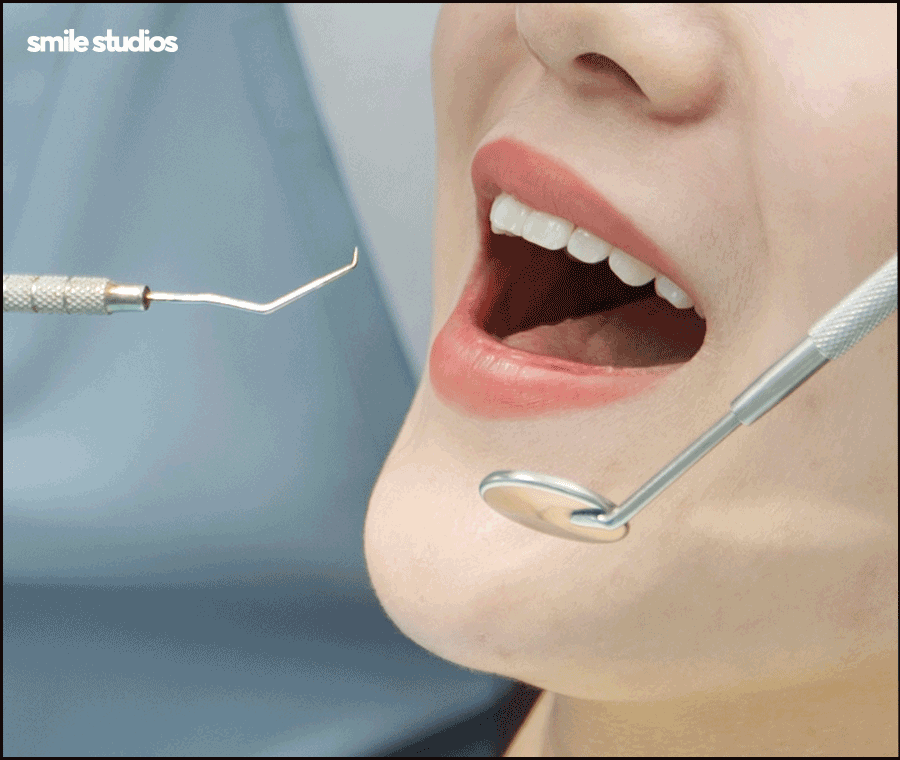
If the existing restoration no longer fits properly, it will likely need to be remade.
If the same area repeatedly experiences Lumineer detachment, there may be another issue.
Excessive concentration of bite force, teeth grinding, or other habits and behaviors may be the cause.
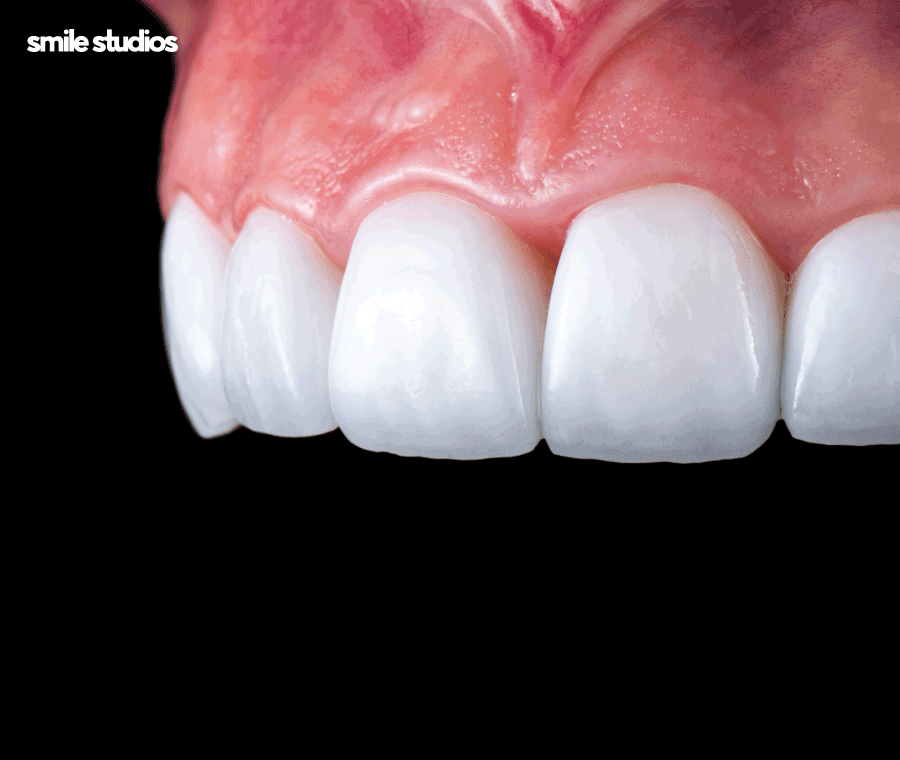
It may also mean there is a problem with the fit of the fabricated restoration, so it is likely that it will need to be remade.
In the end, please note that this is something the medical staff can determine only after directly checking the condition.
What should you do if it happens?
If it comes off, you should find the detached piece.
Please be especially careful not to deform the restoration or cause any additional damage to it.
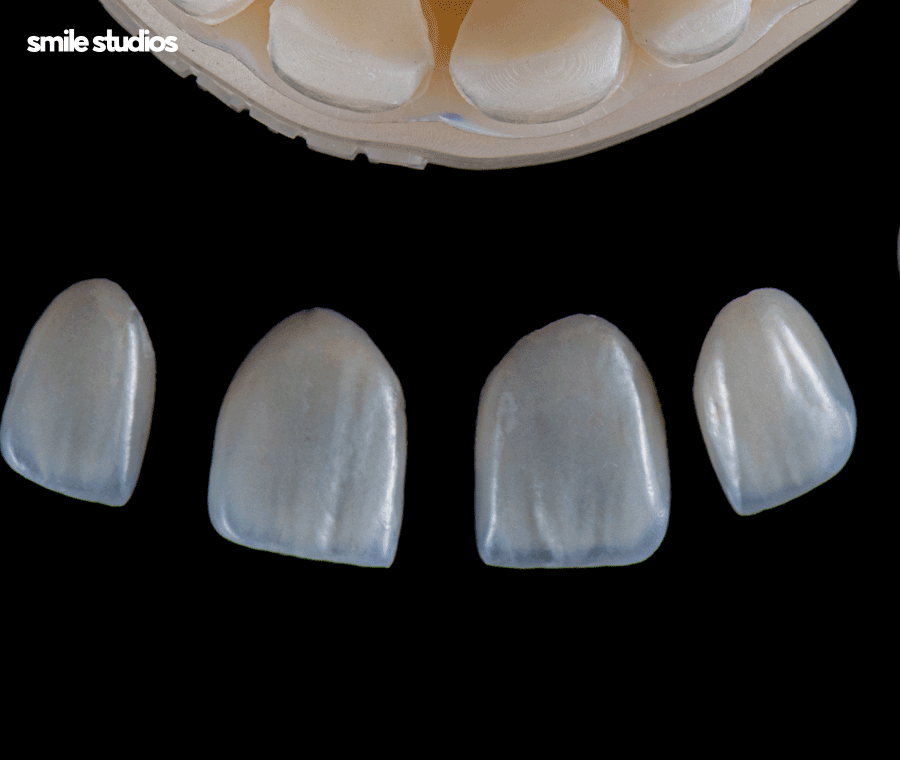
Please place the piece you found in a small container or similar item and keep it safely stored.
Even if there seems to be no particular problem with the restoration, you should avoid trying to reattach it yourself.
The adhesive used during the procedure is not the same as commonly used products, so it could make the problem worse.
Prompt visit is important.
The most important response is to contact the clinic where you received the procedure right away or visit for an examination.
After that, the medical staff will analyze the cause and conduct a detailed examination of the current condition.
If reuse is possible, it will be reattached through additional measures.
On the other hand, if reusing the restoration is difficult, a new one may need to be made.
Habits for prevention
It is important to prevent Lumineer detachment in advance so it does not happen.
That is why it is good to visit every 6 months to 1 year for a careful check of the current condition.
It is preferable to detect and respond to problems before they occur like this.
You should also definitely avoid habits and behaviors that use them excessively.
In addition, we recommend consistently and thoroughly using a toothbrush, dental floss, and interdental brushes in daily life.
This is because it can help prevent cavities and gum disease so they can stay healthy and last longer.