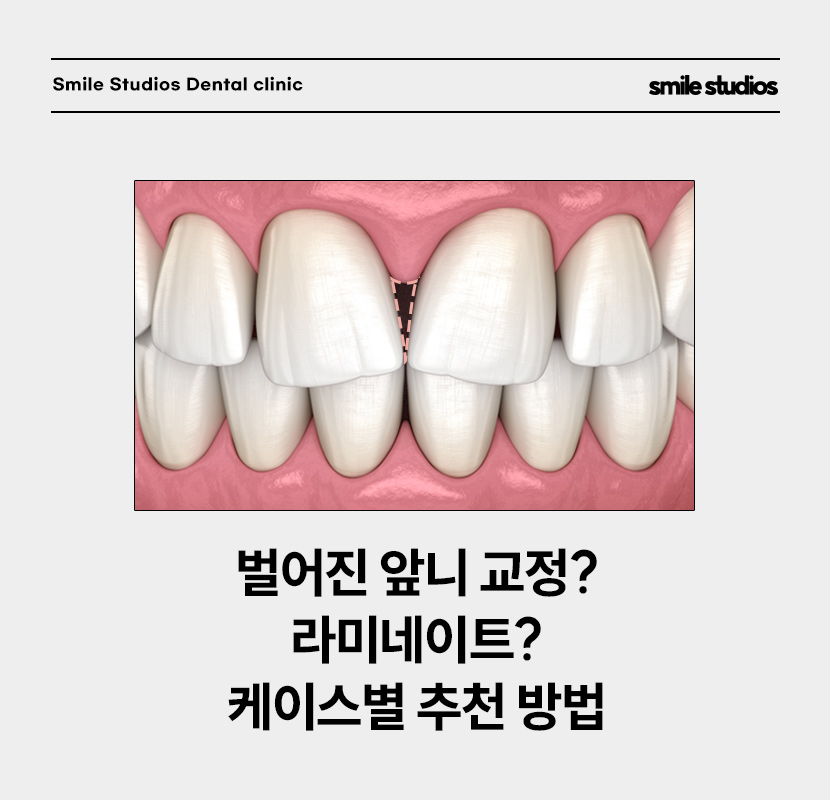
Orthodontics for gapped front teeth? Veneers? Recommended methods by case
The front teeth are the part that shows first when you smile.
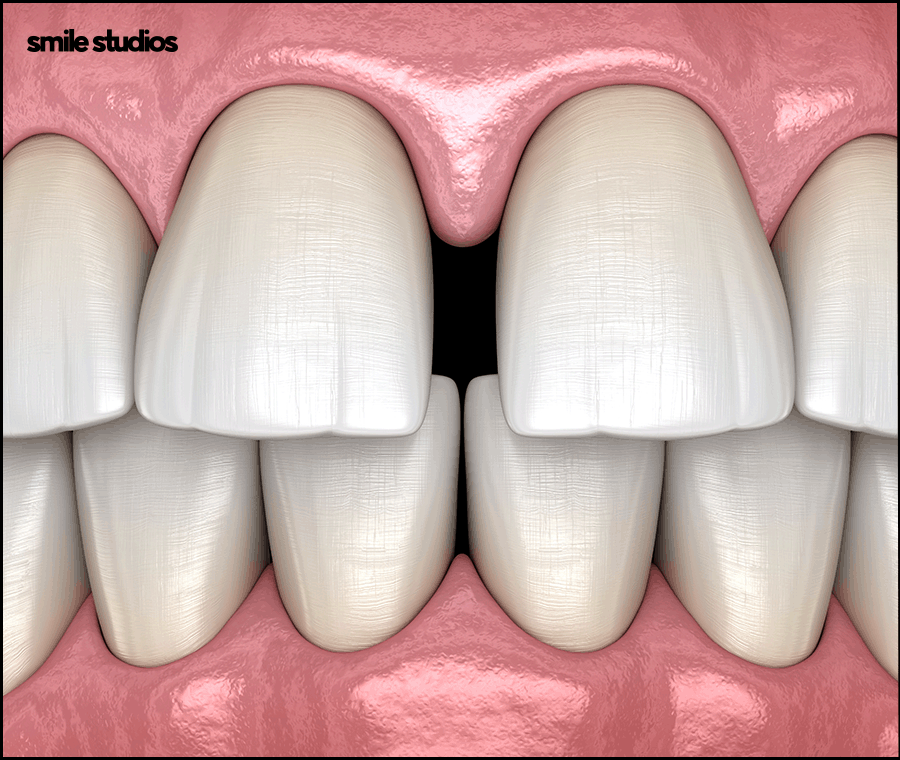
If there is a gap between them, you may end up worrying about the shape of your mouth every time you speak.
Gapped front teeth can affect not only appearance, but also tooth function, hygiene, pronunciation, and self-esteem.
Prompt action is important, but you may be unsure whether orthodontic treatment or veneers are the better choice.
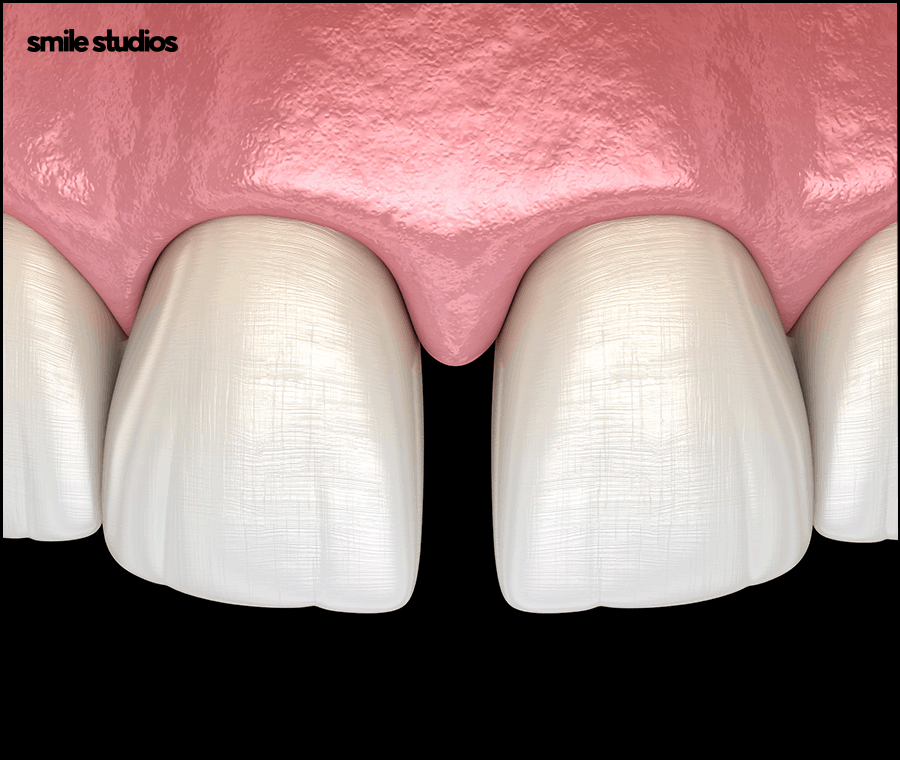
To help with that decision, here is a summary of methods by case.
Why gaps occur
The reasons teeth become spaced apart are not limited to tooth size; various factors can cause the problem.
| Naturally small tooth size |
|---|
| Imbalance between jawbone structure and the size of permanent teeth |
| Habit of pushing the tongue forward when speaking |
| Habit of biting the lips or frequently biting on something |
| Movement of adjacent teeth after loss of a permanent tooth |
| Fibrous gum tissue attached between the teeth |
Because these causes can lead to gaps, the treatment approach may also differ.
Rather than judging by the gap alone, it is important to diagnose the overall oral structure.
Is orthodontic treatment always necessary?
When front teeth are gapped, you may wonder whether orthodontic treatment is essential.
Of course, if the permanent teeth actually need to be moved, this method is a good option.
First, cases where the gap between teeth is 2 mm or more may be included.
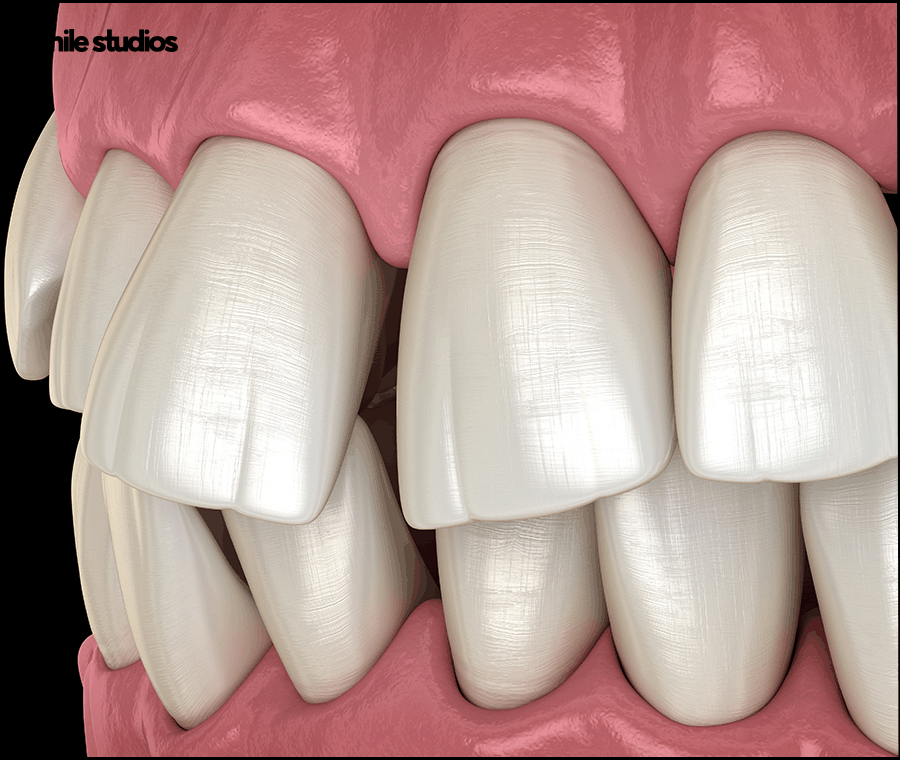
Next, treatment may also be needed when abnormalities in the bite between the upper and lower permanent teeth are present.
Cases affected by an imbalance in jawbone size, or cases where the overall alignment is uneven and significant movement is needed, may also fall into this category.
If you want a stable set of teeth in the long term, orthodontic treatment may be a good choice.
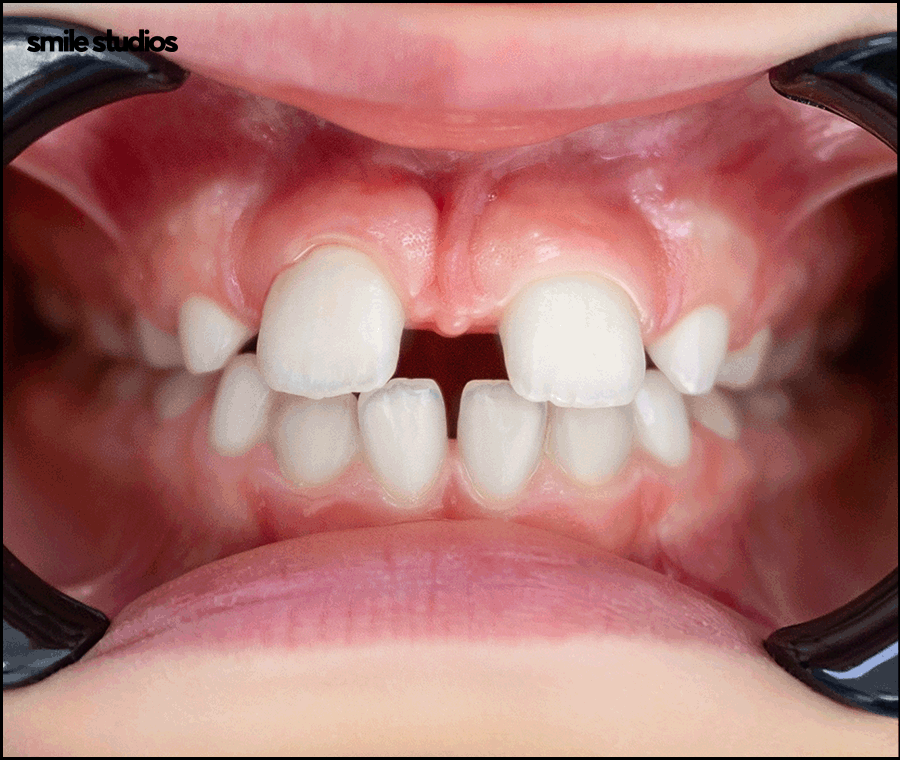
Depending on the condition, partial orthodontic treatment can also be a good option to focus changes on the affected area.
For the method, it is best to decide after consulting with medical staff and receiving a detailed diagnosis.
When are veneers possible?
This method involves lightly reshaping the surface of the permanent teeth and attaching thin ceramic-made tips.
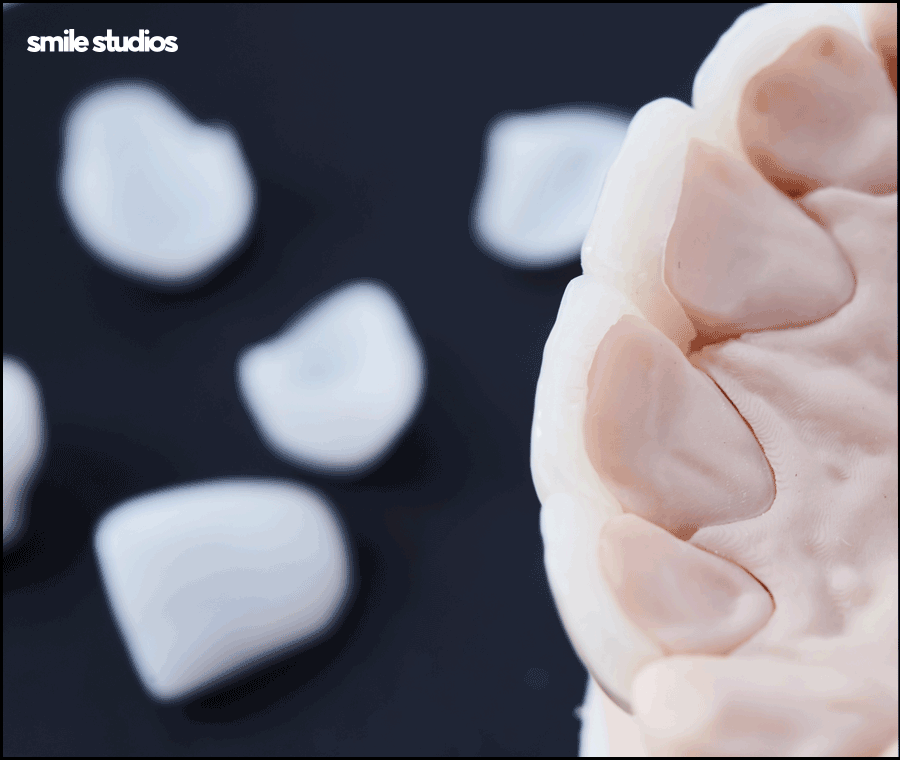
It is well known for being able to create an aesthetic change in a short period of time.
| When the gap between teeth is less than 1–2 mm |
|---|
| The overall alignment of the teeth is reasonably straight |
| You are short on time and want a quick improvement |
| When receiving treatment for cosmetic rather than medical purposes |
| For people with healthy gums and no cavities |
As you can see from the suitable cases, this is a method often chosen by people who want to improve their smile line quickly.
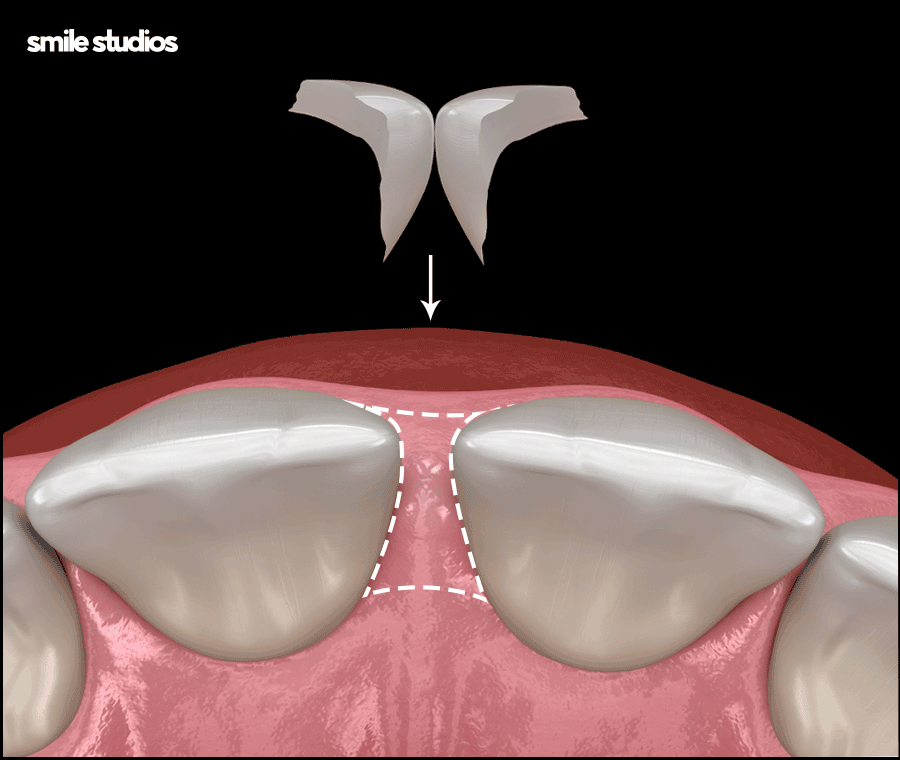
Because it is a procedure that can be done with minimal reshaping or even no tooth reduction, many people start it without much 부담.
Recommended methods by case
- Narrow gap and teeth are well aligned
If you are short on time or your goal is an aesthetic change, veneers may be a good option.
- Large gap and overall alignment is uneven
Orthodontic treatment is effective for adjusting the overall balance as well.
- Want to improve color and shape at the same time
If you want to improve the color and shape along with the gap, veneers may be more satisfying.
- Teeth were previously corrected but have separated again
Re-orthodontic treatment is possible, but depending on the situation, a combined procedure with veneers after orthodontic treatment may be needed.
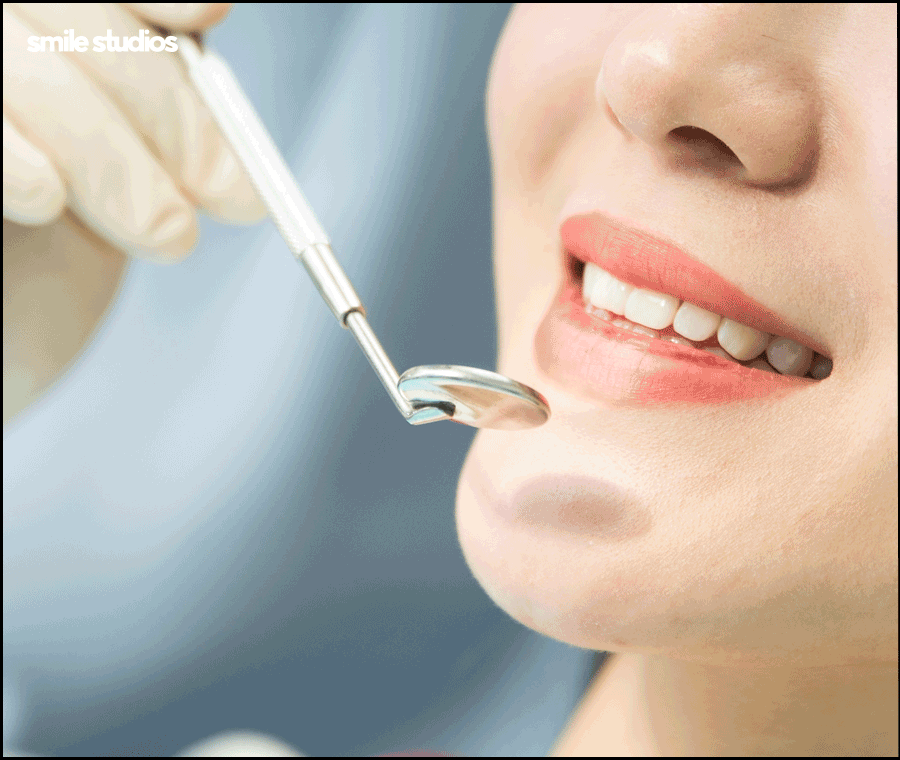
Because the appropriate method differs depending on the case, a precise diagnosis in advance is important.
Start with an oral structure analysis
If you visit the clinic because of gapped front teeth, the approach should be based on the proper method through a thorough diagnosis of the overall condition, not just the shape.
This includes jawbone structure, tooth position, gum condition, and bite status.
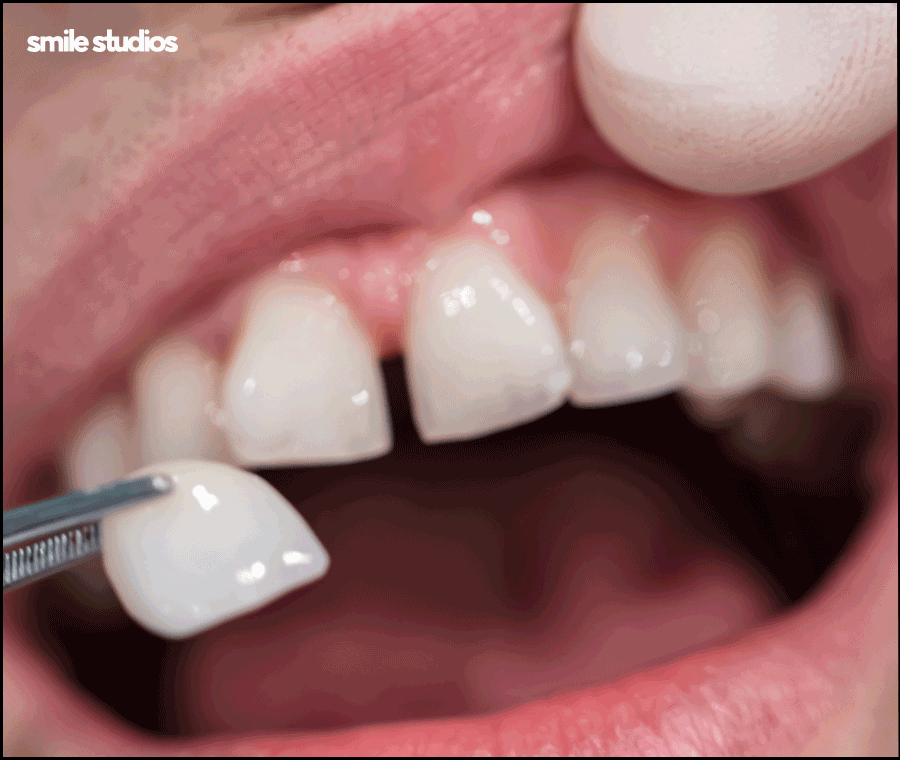
These days, digital equipment makes it possible to perform precise diagnoses and even predict the results before treatment.
That is why we recommend first receiving a consultation with medical staff.
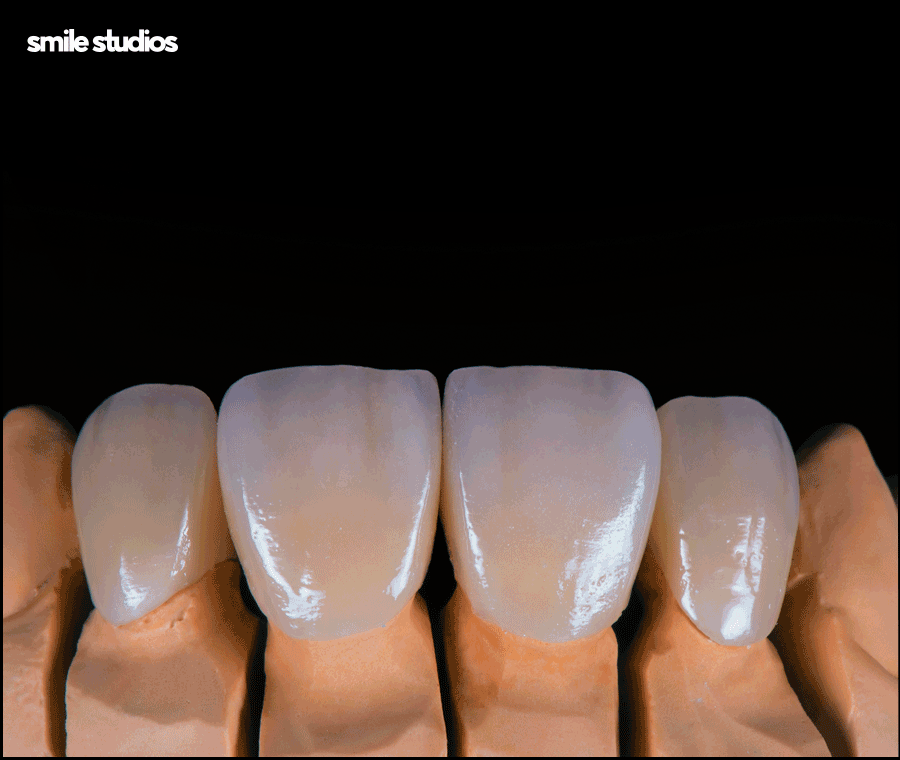
Rather than choosing just one treatment unconditionally, it is necessary to receive a customized procedure that considers your condition and the result you want.
Based on the differences and recommendations discussed today, we hope you choose the treatment that suits you best.