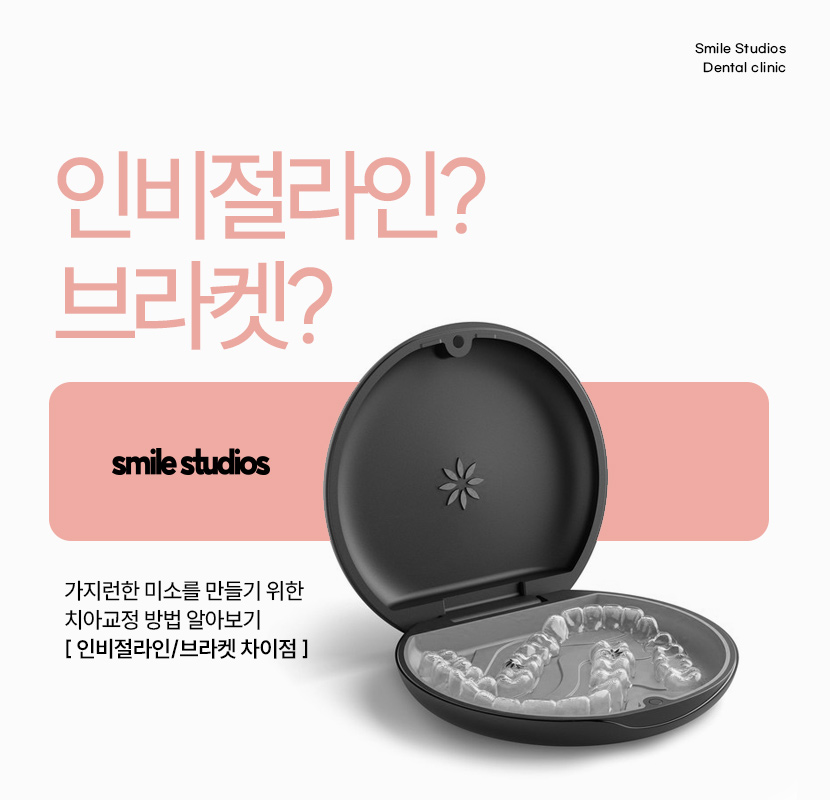
If you are considering orthodontic treatment, the first choice you will face is the type of appliance.
Many people are wondering whether to choose traditional brackets or Invisalign.
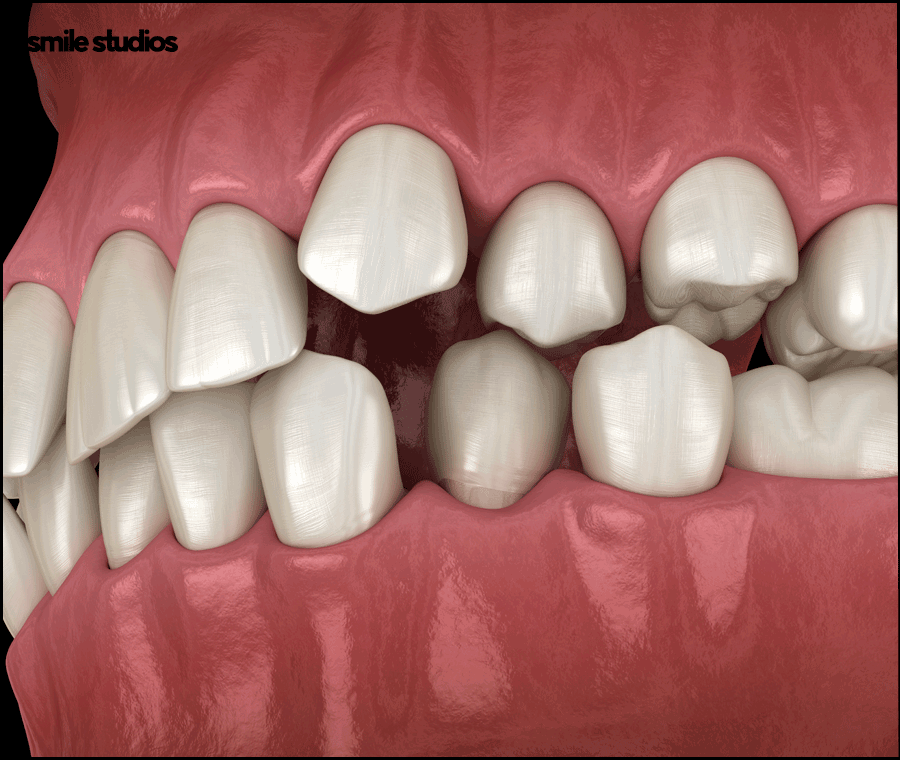
Since both appliances have their own advantages, disadvantages, and characteristics, it is important to choose the one that fits your situation and conditions.
So why not look at the differences between them with Yeoksam Station Dental Clinic?
Invisalign
- Hard-to-notice aesthetics
The biggest advantage is undoubtedly aesthetics.
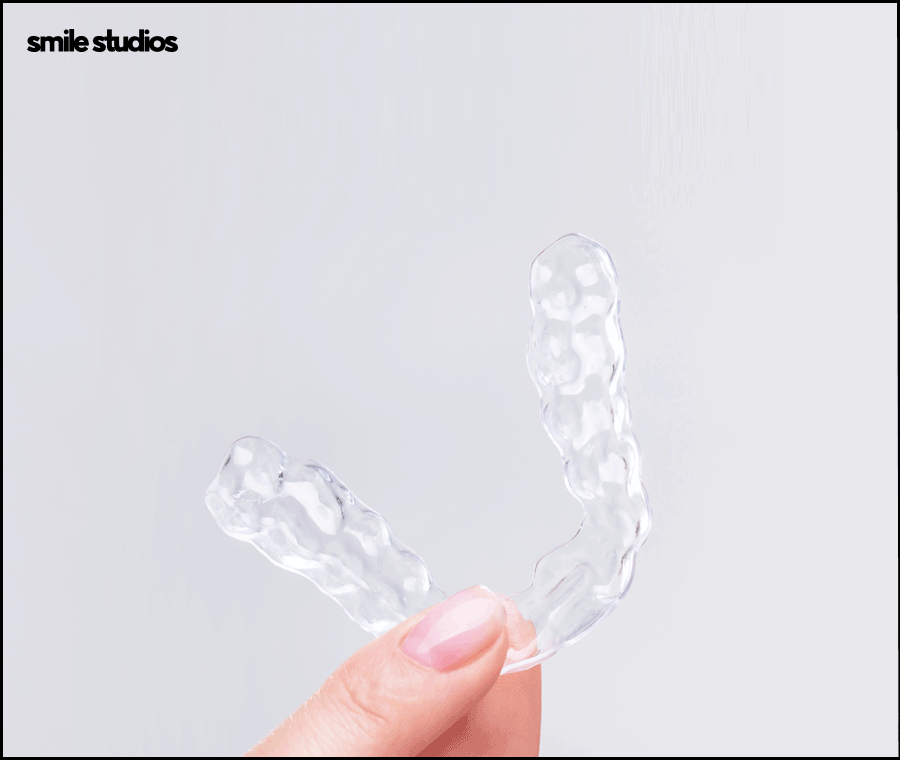
It is made of a special transparent plastic material, so it is hardly visible even when worn.
That is why it is also called invisible orthodontics, and it is especially popular among adults who feel uncomfortable with noticeable appliances.
- Flexible management
Because it is removable, you can take it out when eating and eat as you normally would.
Since there are fewer restrictions on sticky or tough foods, discomfort can be greatly reduced.
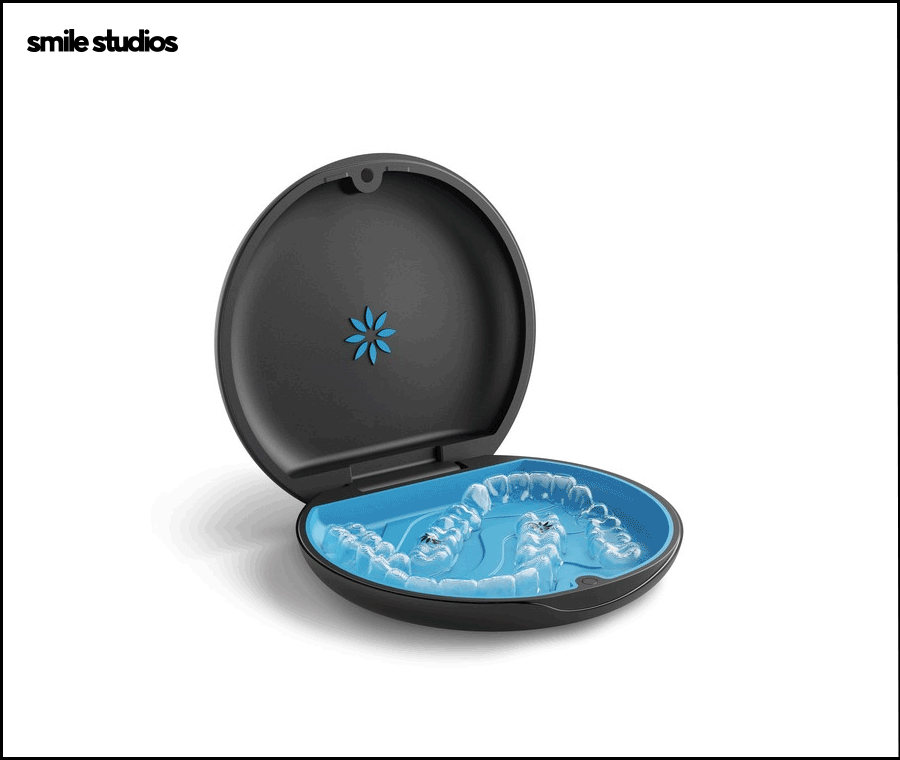
In addition, brushing and flossing can be done in the same way as usual, making oral hygiene management easier.
- Comfortable fit
There are relatively few cases where the appliance causes sores inside the mouth or a feeling of discomfort.
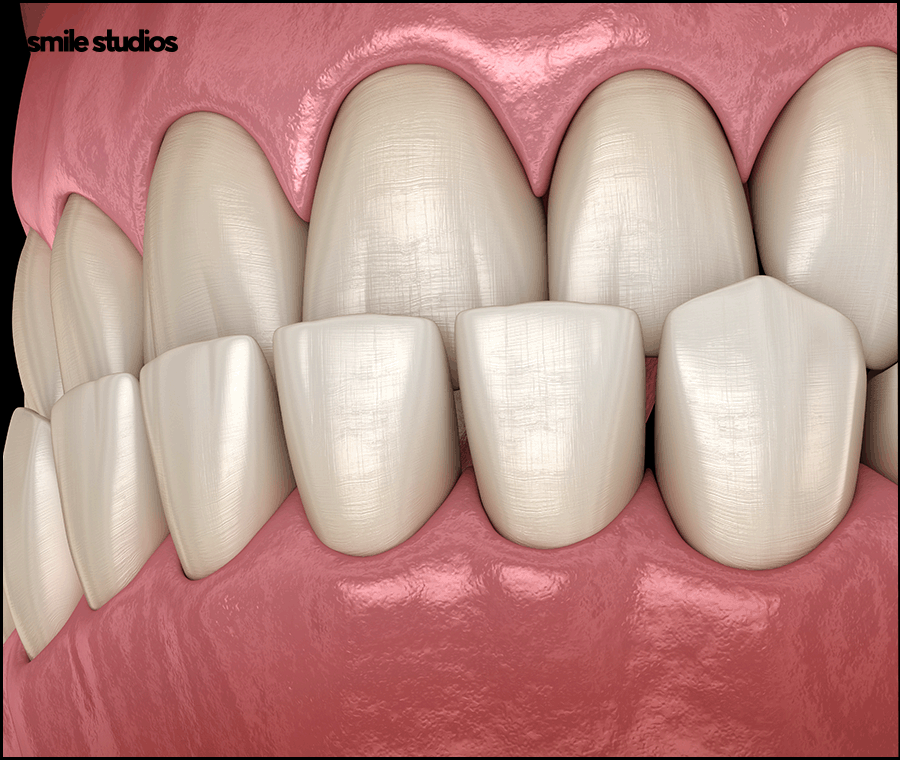
Because it is made of a soft plastic material, it does not irritate the gums or the inside of the cheeks, and it has little effect on speech.
Brackets
- Strong orthodontic force and precision
The strength of brackets lies in their strong and precise ability to move teeth.
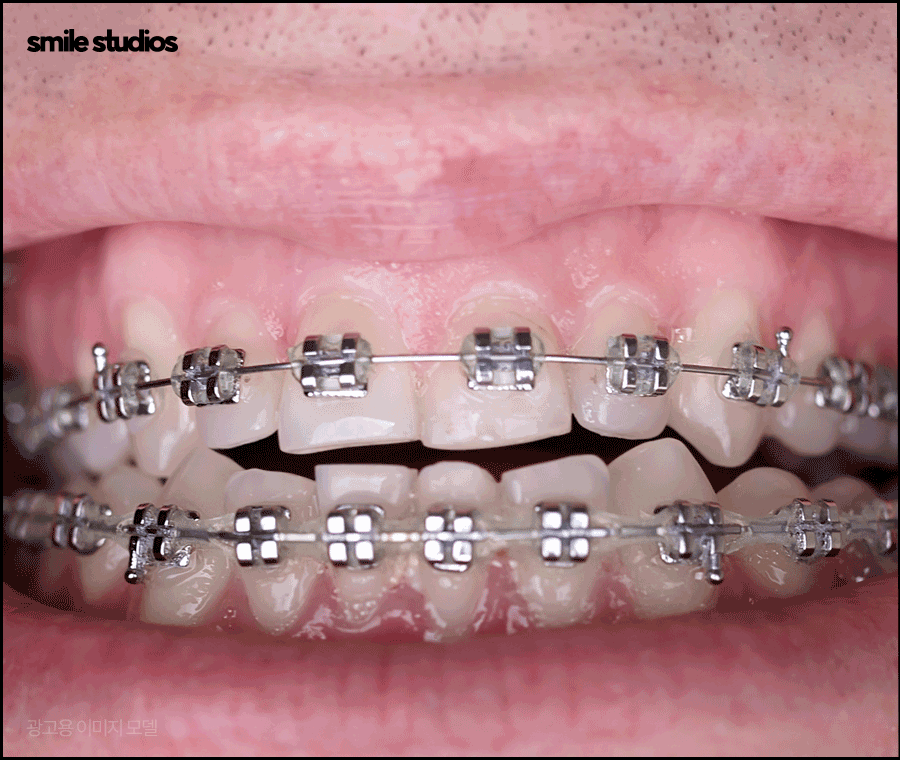
Because they apply consistent force continuously for 24 hours, effective improvement can be expected even in complex malocclusions.
In particular, they can produce excellent results when tooth rotation, root movement, or vertical movement is needed.
- Broad applicability
A major advantage is that they can be applied to the treatment of most malocclusions.
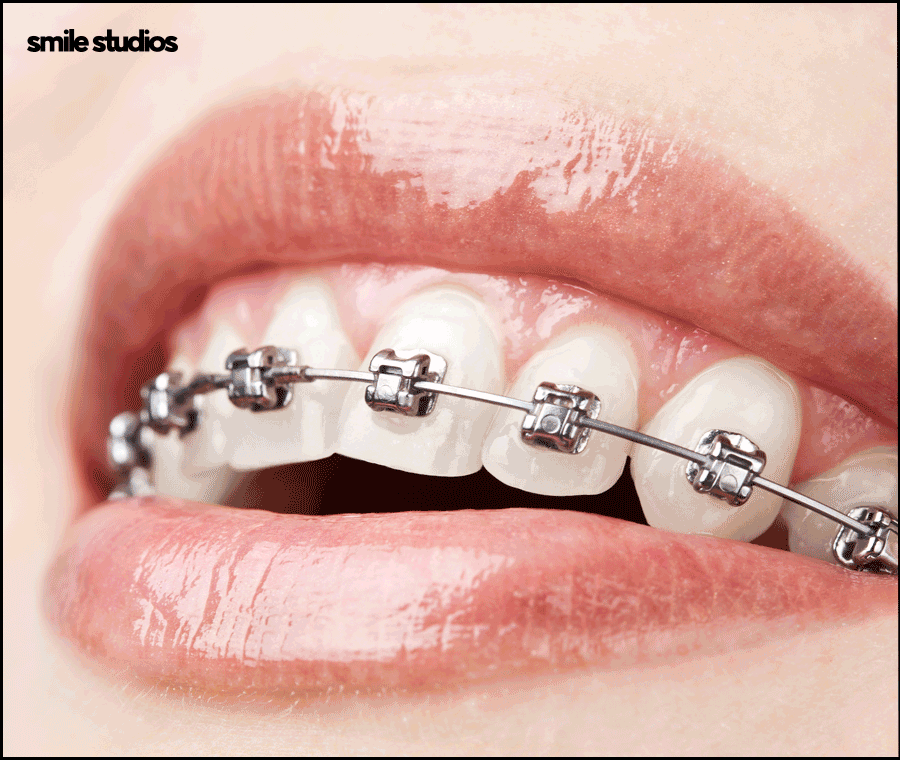
From complex bite problems to large-scale orthodontic treatment involving tooth extraction, stable outcomes can be achieved in many cases.
Main differences between the two methods
- Difference in treatment duration
In general, brackets may show faster results.
Treatment is carried out through continuous force applied over 24 hours, and even complex cases can be completed in a relatively short period.
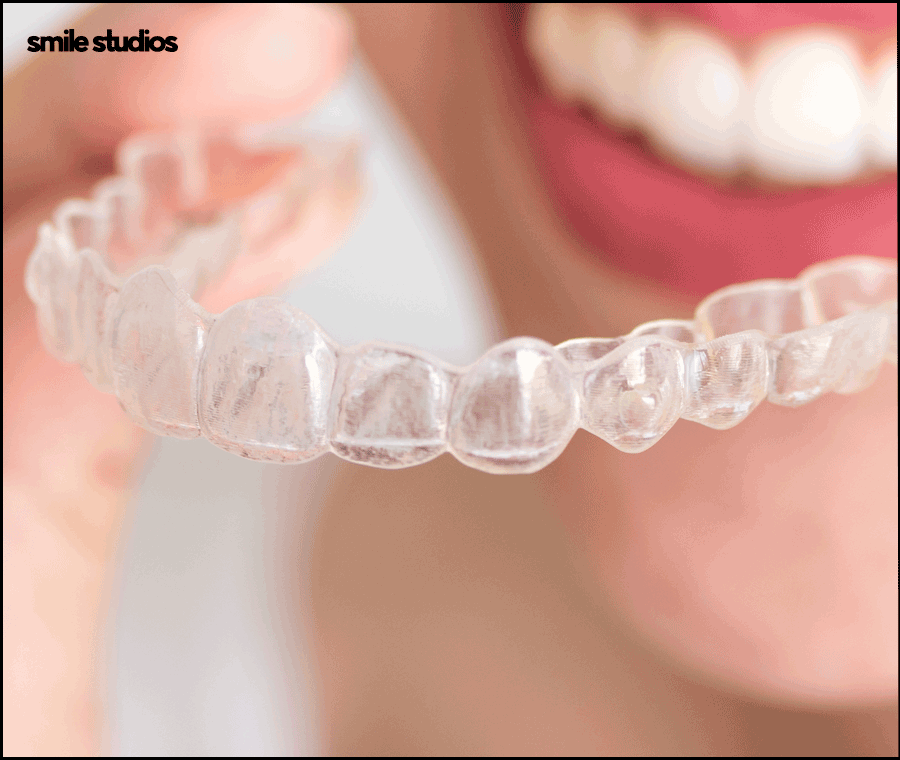
In the case of Invisalign, the treatment period can vary depending on the patient’s cooperation.
If the condition of wearing it for at least 20 to 22 hours a day is not met, the treatment period may be extended.
- Difference in cost
Those who have received consultations at Yeoksam Station Dental Clinic may already know this.
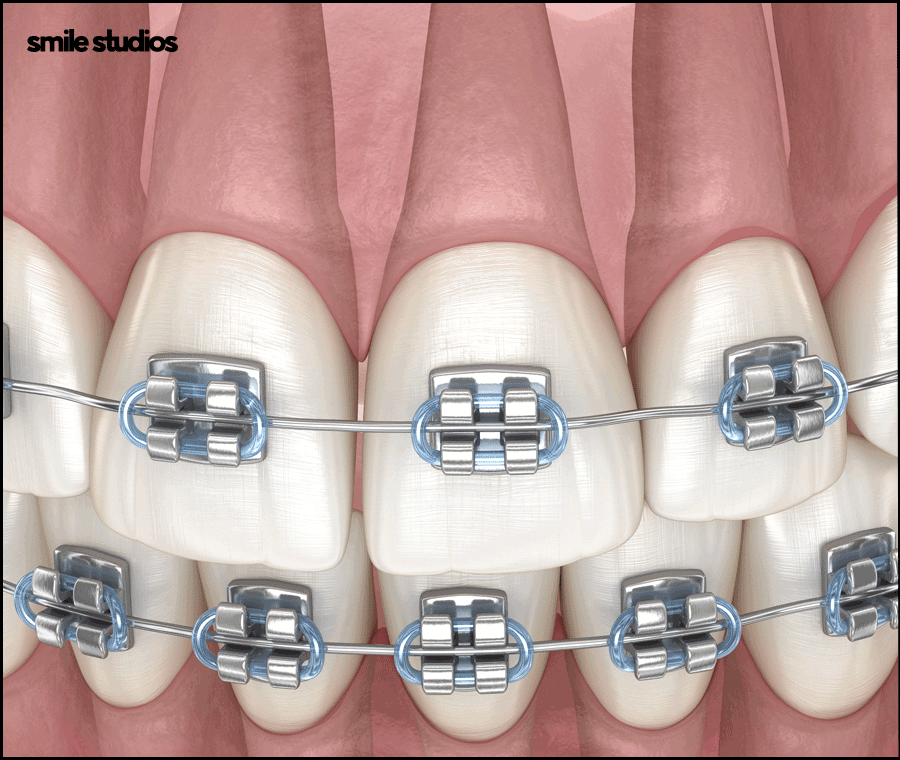
Invisalign is generally priced higher.
This is because the cost reflects advanced technology, custom fabrication, and the ongoing replacement of appliances.
- Number of visits and management
Although this varies by institution such as Yeoksam Station Dental Clinic, brackets usually require visits every 4 to 6 weeks.
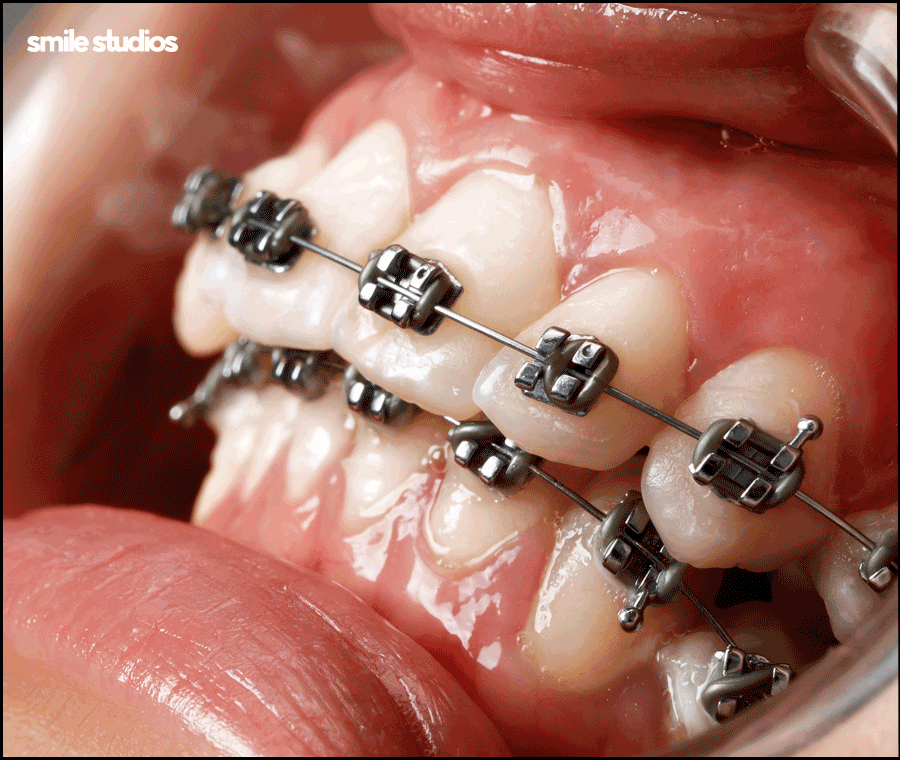
At that time, the wires are replaced and adjusted.
In contrast, Invisalign involves visits every 2 to 3 months to check progress and fit the appliances.
For those with limited time, clear aligners may be less burdensome because they require fewer visits.
Limitations and considerations
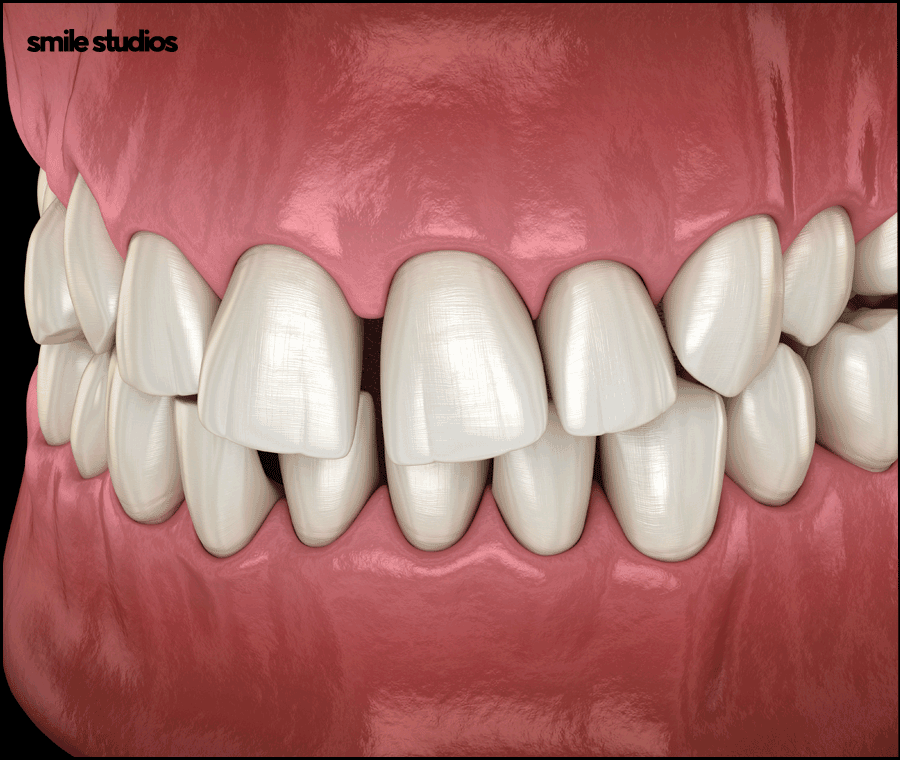
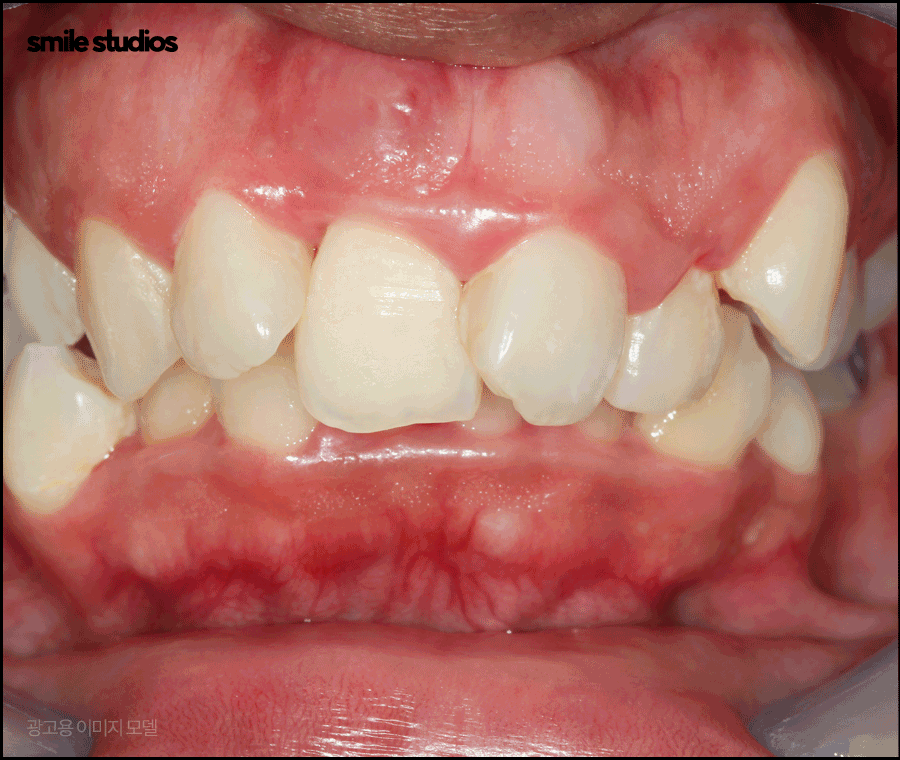
Even with advanced technology, there are clearly limitations.
In cases of special malocclusions, brackets may be more effective.
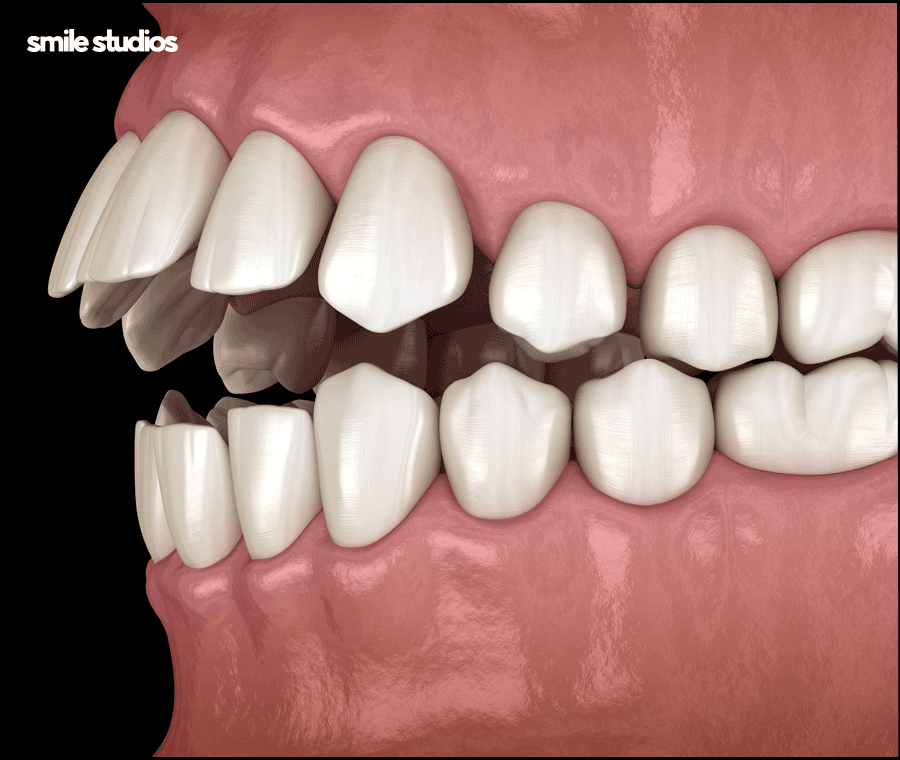
Also, because the patient’s cooperation is a key factor in success, other methods should be considered if self-management is difficult.
With brackets, the burden of aesthetics and the difficulty of oral care are issues.
Food debris can easily get trapped, which increases the risk of cavities, and there are restrictions on eating.
Key factors for success
No matter which method is chosen, the experience and skill of the medical staff will determine the outcome.
In particular, the role of the clinician is very important in Invisalign, so if you are considering Yeoksam Station Dental Clinic, please keep this in mind.
It is also a good idea to check whether digital equipment for precise diagnosis is available, as well as the system for aftercare.
This is because it allows for accurate treatment planning and prediction, and precise management can be provided.
In addition, management is needed to prevent the teeth from returning to their original position after treatment.
Therefore, successful results can be achieved by considering these key factors and making a careful choice.