
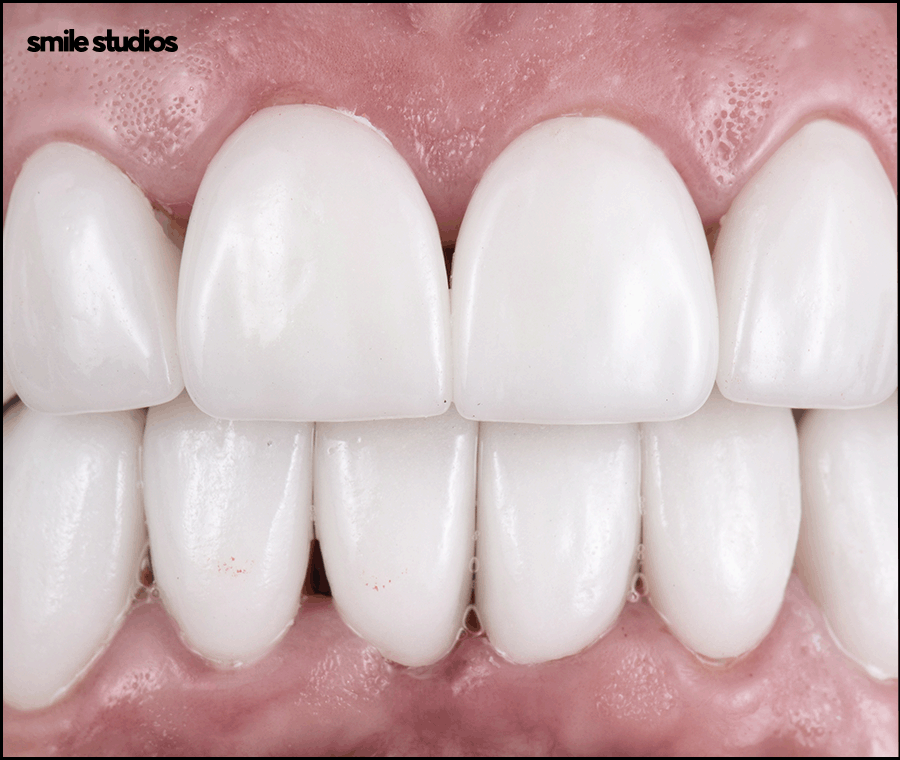
A keyword that has been attracting a lot of attention these days is no-prep laminate veneers.
People are interested because of the idea that a beautiful smile can be created without filing down the natural tooth.
You may be wondering whether such a procedure is really possible, and whether it can be applied to everyone.
Today, we will clearly distinguish facts from myths through information about no-prep laminate veneers.
Basic Concept and Principle
The conventional method involves removing about 0.3 to 0.7 mm from the surface, then attaching a thin ceramic shell on top.
By contrast, the method we are discussing here involves attaching it after no filing at all or only minimal finishing (less than 0.1 mm).
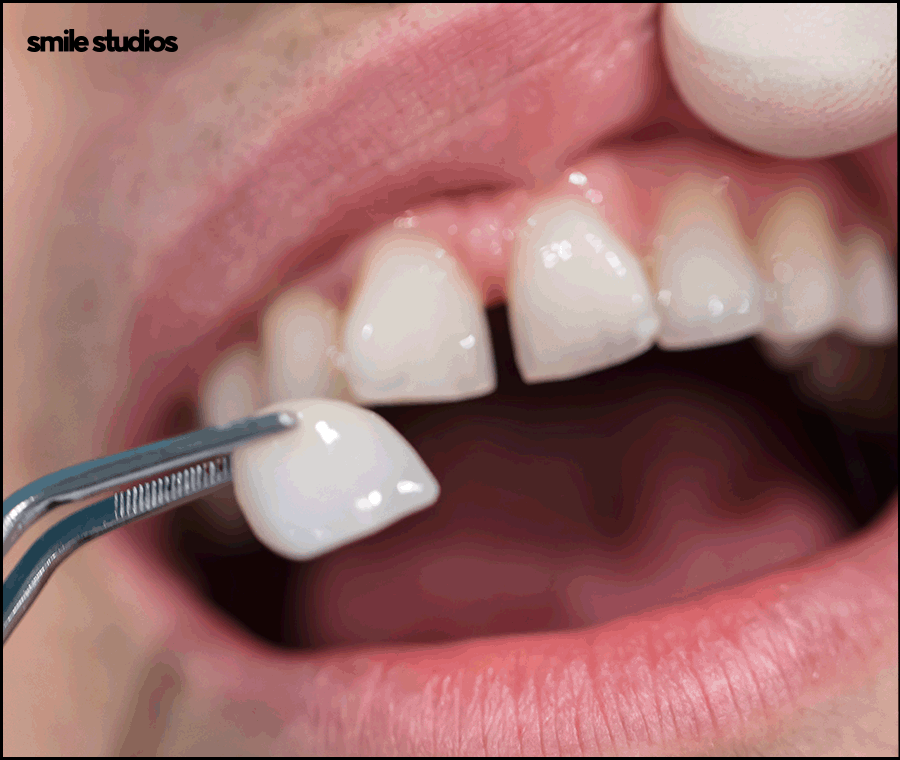
Because the enamel is preserved, adhesion is excellent and aesthetic improvement can be achieved without damage.
However, what is important here is the premise that this is theoretical.
Contaminants on the surface of permanent teeth, microscopic irregularities, and the moist environment caused by saliva can all interfere with bonding.
So in most cases, minimal preparation is needed rather than complete no-prep.
Scope of Application and Limitations
- Cases where it can be applied
In practice, the cases in which it can be applied are limited, and it may be considered only when certain conditions are met.
If a permanent tooth is congenitally small, such as a peg lateral, it may be possible to create an appropriate size without filing.
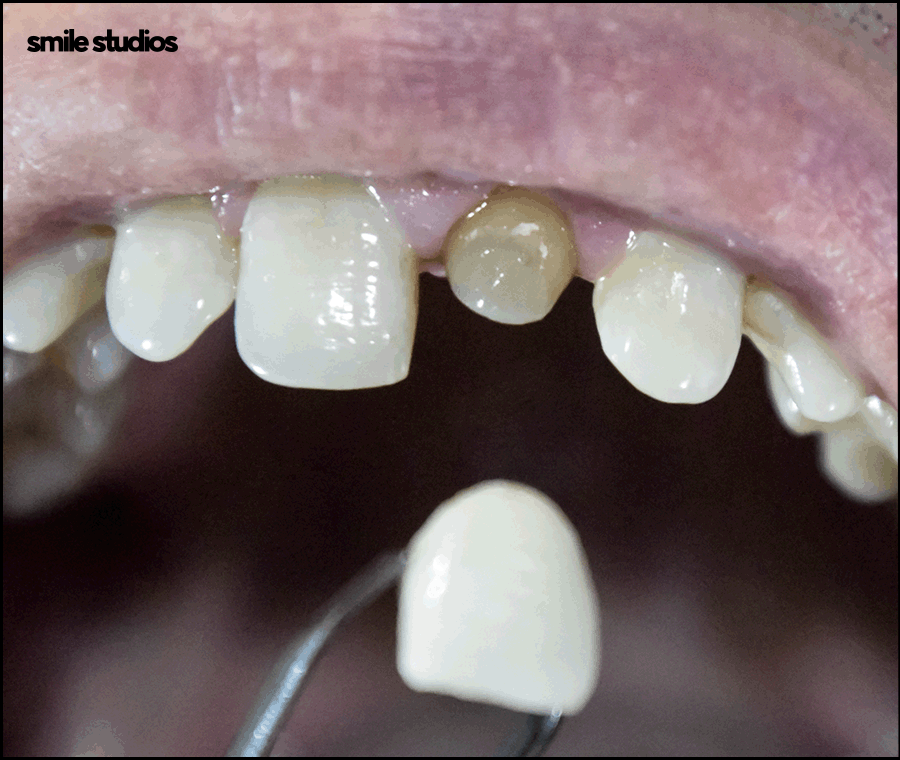
It can also be applied to close gaps between front teeth.
When a tooth is shaped inward, like a buck-toothed or inward-positioned tooth, it may also be possible to achieve a more outward appearance.
However, these cases account for only a portion of all patients.
- Cases where it cannot be applied
If it is attached to a natural tooth that is already sufficiently large or long, it may become excessively bulky and look unnatural.
Also, when trying to correct a permanent tooth that is protruding forward, appropriate measures may be necessary.
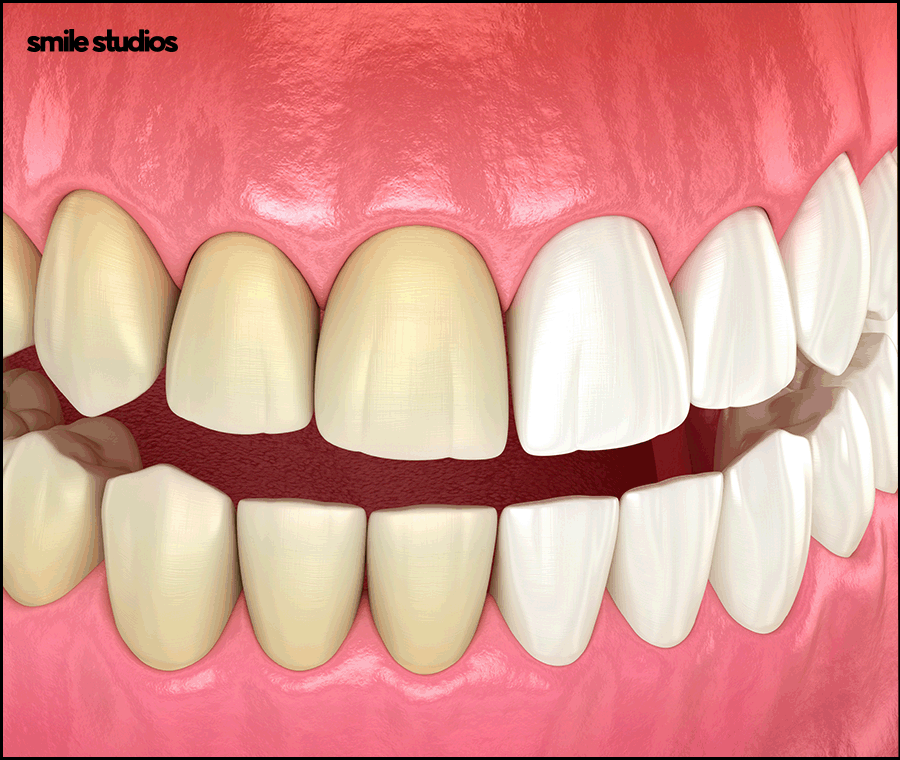
Severe discoloration and malocclusion can also be difficult problems to address.
Main Myths About No-Prep Laminate Veneers
- It can be applied to everyone
This is the misconception that it can solve all tooth problems.
In reality, it can only be applied in limited situations, and most cases require some degree of adjustment.
- There are no side effects
Just because nothing is filed does not mean there are absolutely no side effects; in fact, other kinds of problems can arise.
If the surface is not properly prepared, bonding strength drops and the risk of debonding increases.
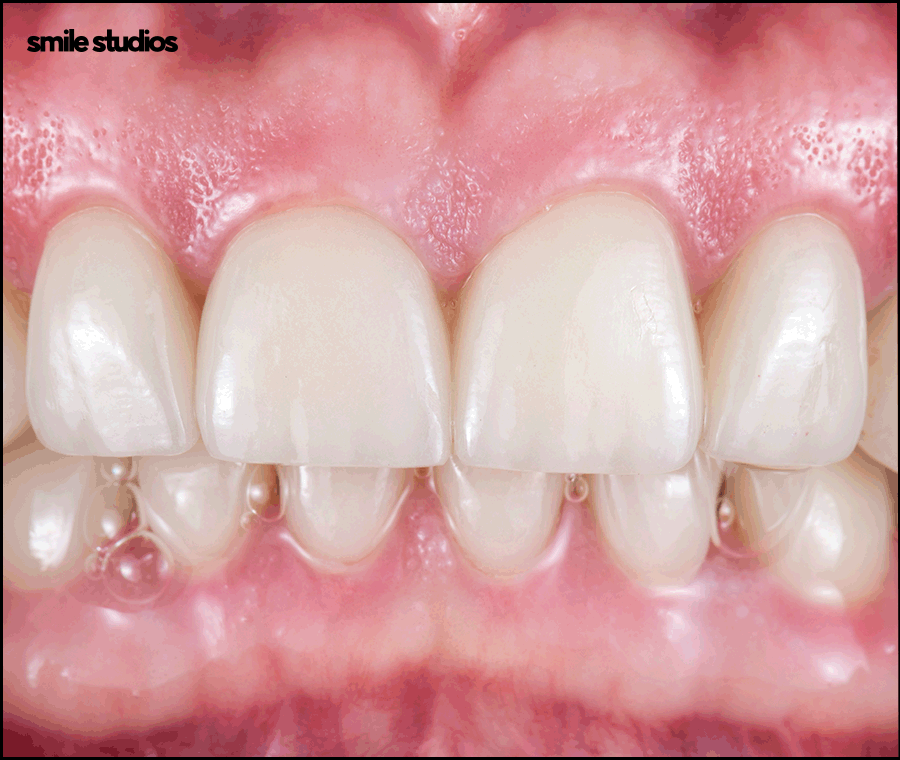
It can also become too thick and look unnatural.
If improper margin placement causes the prosthesis to extend under the gums, it may also cause inflammation.
- It is a more difficult, advanced procedure technically
Since it is simply the process of attaching ceramic to a permanent tooth, it does not require any special advanced technique.
However, the conventional method requires more complex and precise skills, such as controlling the amount removed, obtaining an accurate impression, and adjusting the bite.
What are the real limitations?
If it is attached without properly preparing the surface, bonding strength may decrease due to microscopic contaminants and irregular areas.
Over time, this can become a cause of debonding, and if the bond is incomplete, there is a risk that it may chip or crack even from a small impact.
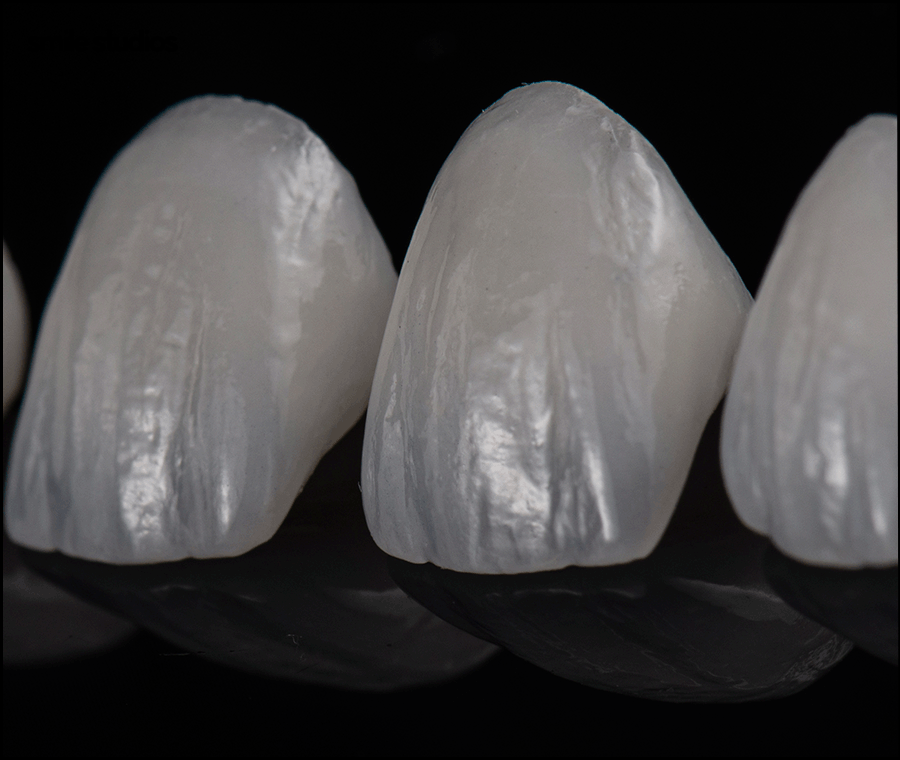
If it is applied without any adjustment at all, the bite relationship may change, potentially causing problems with chewing function.
And because the thickness is limited, it may be difficult to fully improve severe discoloration or shape abnormalities.
What Matters Most Is an Accurate Diagnosis
For true preservation, the concept of minimal preparation may be more realistic.
It is desirable to minimize damage while securing excellent bonding by preparing only the necessary areas to the minimum extent.
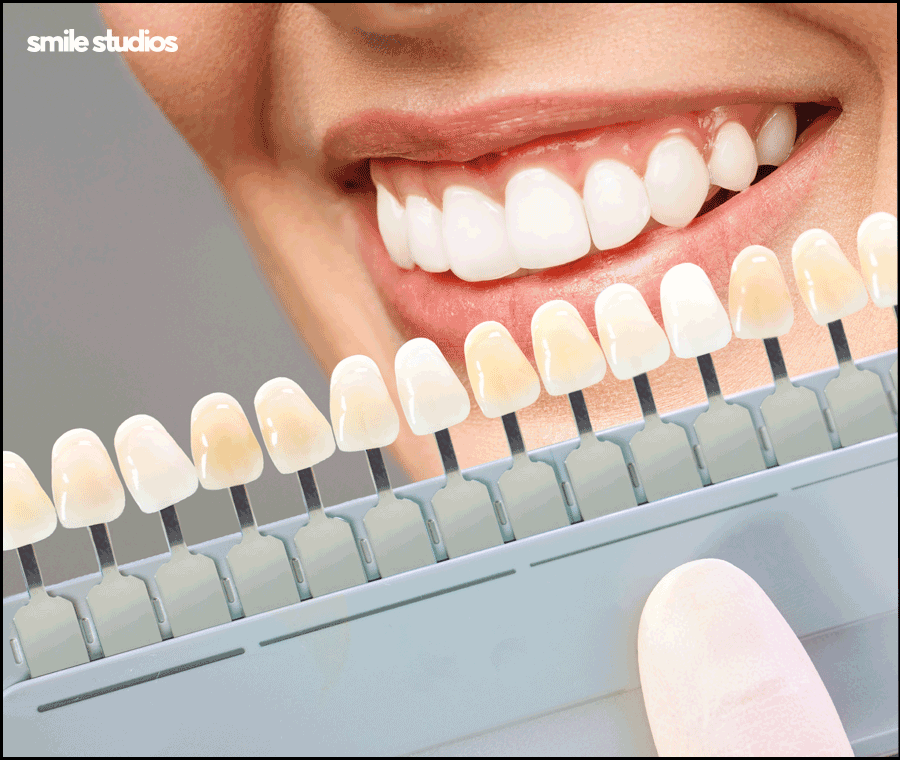
Therefore, an individualized approach is necessary, and it is important to receive a diagnosis to determine whether a no-prep process is possible.
To do this, the current condition, bite relationship, gum condition, and expectations must be comprehensively evaluated to determine the appropriate method.
Accordingly, it is important to receive an accurate diagnosis in advance, have the results and limitations explained, and set realistic expectations.
No-prep laminate veneers are certainly one meaningful treatment option.
However, please note that they are not a universal solution and can only be applied in limited cases.